The Most Influential Chefs Shaping Las Vegas Cuisine
The Most Influential Chefs Shaping Las Vegas Cuisine
The most influential chefs shaping Las Vegas cuisine are recognized for transforming the city from a buffet-dominated market into a global fine-dining destination, using innovative techniques, international expertise, and celebrity-driven concepts that elevated hospitality standards and guest expectations.
You're exploring a question at the heart of Las Vegas's remarkable culinary evolution, one that matters whether you're planning a special dinner, researching the city's gastronomic landscape, or simply curious about how this desert metropolis became a world-class dining destination. We understand that navigating the vast array of celebrity chefs and award-winning restaurants can feel overwhelming, which is why we've compiled this comprehensive guide to the visionaries who revolutionized Vegas dining.
According to culinary historians and the Las Vegas Sun (2012), Wolfgang Puck's 1992 opening of Spago at the Forum Shops at Caesars Palace marked the turning point in Las Vegas's culinary history, proving visitors would pay premium prices for elevated dining experiences after initial weeks were so slow that Puck himself questioned the viability of fine dining in a gambling-focused city.
"I used to have to drink to go to sleep. I thought it was the biggest mistake of my life, coming to Las Vegas," Wolfgang Puck recalled in a 2012 interview with the Las Vegas Sun, reflecting on Spago's uncertain beginnings before it became the catalyst for the city's fine-dining revolution.
Key Points: The pioneering chefs who shaped modern Las Vegas dining introduced California-style innovation and departed from buffet culture
- Celebrity chefs of the 2010s leveraged television exposure to create destination restaurants attracting citywide visitors
- International French chefs brought Michelin-worthy techniques that elevated service and presentation standards
- Award-winning establishments validated Las Vegas as a serious culinary destination
- Modern chef-restaurateurs design multi-format experiences integrating fine dining with resort hospitality
- The evolution continues with new talents like Jeremy Ford of Stubborn Seed joining this distinguished legacy.
High-Level Summary: Las Vegas's transformation from buffet town to fine-dining capital represents a three-decade journey initiated by Wolfgang Puck's risk-taking arrival, accelerated by French masters who brought Michelin stars to the desert, amplified by television-famous chefs who created culinary tourism, and sustained by ongoing innovation from award-winning talents who continue raising standards for ingredients, techniques, and guest experiences across the Strip's ever-evolving restaurant landscape.
Practical Tips: When dining at chef-driven Las Vegas restaurants, book reservations 30-60 days in advance for popular venues and consider visiting during shoulder seasons for better availability.
The influential chefs profiled throughout this analysis didn't just open restaurants, they fundamentally reimagined what dining in Las Vegas could be, creating a legacy that continues attracting world-class culinary talent and discerning diners from around the globe.
Which chefs pioneered Las Vegas's modern dining scene?
Pioneering chefs established Las Vegas as a sophisticated culinary destination by introducing innovative techniques, elevated service standards, and premium dining concepts that demonstrated visitors would pay for fine cuisine. Their influence fundamentally shifted the city's dining identity from value-driven offerings to experiential gastronomy.
What signature dishes defined their influence?
A best practice was the introduction of California-style, ingredient-driven, and seasonal dishes that departed from high-volume buffet offerings, using fresh ingredients and refined presentation. These culinary innovators introduced fresh, seasonal ingredients and sophisticated preparation techniques that contrasted sharply with the city's traditional approach to dining.
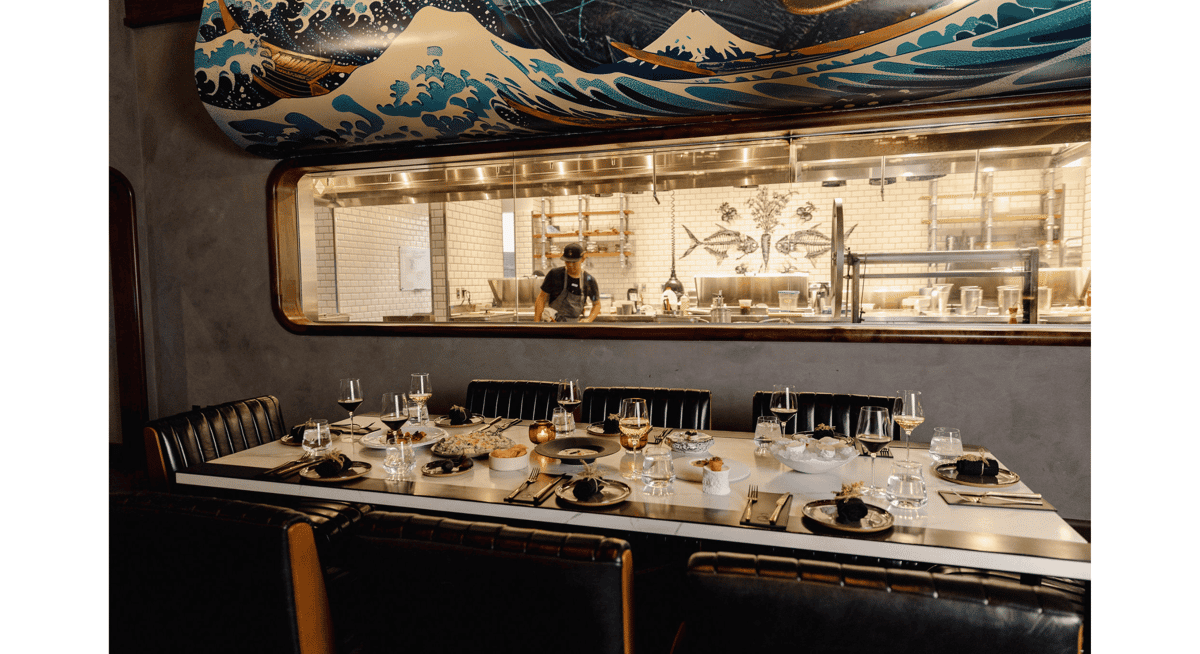
Their signature dishes featured:
- California-fusion cuisine with seasonal vegetables
- Artfully plated presentations replacing cafeteria-style service
- Premium ingredients sourced specifically for quality over volume
- Innovative cooking techniques that showcased chef expertise
This ingredient-focused approach established new expectations for Las Vegas dining, proving that visitors would embrace sophisticated cuisine over traditional casino fare.
How did their restaurant concepts differ from earlier Las Vegas dining?
Modern concepts prioritized premium pricing, elevated service, creative menus, and experiential presentation, shifting casino dining from loss-leader buffets to profit-centered fine dining that attracted affluent travelers. This fundamental shift redefined the economic model of casino dining from loss-leader to profit center.
The transformation included:
- Premium pricing strategies replacing heavily subsidized meals
- Intimate dining rooms instead of massive buffet halls
- Curated wine programs and sommelier service
- Open kitchen concepts showcasing culinary theater
- Reservation systems creating exclusivity and anticipation
These pioneering concepts demonstrated that sophisticated dining could attract affluent travelers and become a destination in itself, not merely a convenience for gamblers.
Which venues helped launch their careers?
Landmark openings such as Wolfgang Puck's Spago at the Forum Shops at Caesars Palace in 1992 demonstrated that fine dining could succeed on the Strip, setting the template for future chef-driven restaurants that attracted high-profile patrons and redefined Las Vegas dining. This landmark opening proved that celebrity chefs could succeed in Las Vegas when offering authentic fine dining experiences.
Spago's success established the template for future chef-driven restaurants:
- High-profile location within premium retail spaces
- Celebrity chef brand recognition attracting media attention
- Sophisticated California cuisine appealing to affluent visitors
- Elegant atmosphere suitable for business and special occasions
The restaurant's eventual success after initial struggles demonstrated the market's readiness for culinary sophistication and encouraged other renowned chefs to establish Las Vegas outposts, fundamentally reshaping the city's dining landscape.
Which celebrity chefs brought national attention to Las Vegas?
Television exposure allowed celebrity chefs to create destination restaurants that attracted visitors nationwide, transforming Las Vegas into a culinary tourism hub. The city's celebrity chef movement gained momentum in the 2000s and 2010s as established television personalities opened flagship restaurants that became must-visit attractions.
How did TV and media exposure amplify their influence?
The 2010s second wave of celebrity chefs used television exposure to amplify their brands and draw tourists to Las Vegas. Media exposure allowed chefs to build anticipation for dishes such as Gordon Ramsay's Beef Wellington, demonstrating how television presence could translate directly into restaurant success. Celebrity chefs leveraged their television profiles to create dining experiences that felt familiar to viewers who had watched them cook on screen.
Television exposure allowed these chefs to build emotional connections with diners before they even stepped into the restaurants. Food Network personalities and competition show winners could market their Las Vegas venues to national audiences, creating built-in demand from fans eager to experience dishes they had seen prepared on television.
Which destination restaurants attracted visitors citywide?
Celebrity chefs established multiple concepts across the Strip that became dining destinations:
- Gordon Ramsay: Hell's Kitchen at Caesars Palace and Gordon Ramsay Burger at Planet Hollywood
- Emeril Lagasse: Delmonico Steakhouse and Emeril's New Orleans Fish House, bringing his New Orleans-style concepts to Las Vegas venues
- Bobby Flay: Mesa Grill and Bobby's Burger Palace, featuring Southwestern-inspired fine dining and fast-casual concepts on the Strip
These restaurants succeeded by translating the chefs' television personalities into physical dining spaces. Hell's Kitchen recreated the dramatic atmosphere of Ramsay's television show, while Bobby Flay's venues showcased the Southwestern flavors he championed on Food Network. Each concept offered visitors the chance to experience the chef's signature style in person.
How did celebrity chefs affect Las Vegas's culinary tourism?
The arrival of national celebrity chefs diversified price points and cuisines, created destination dining experiences that drew visitors citywide, and contributed to Las Vegas's reputation as a culinary tourism market. Celebrity chefs introduced dining as entertainment, transforming restaurants from mere meal stops into must-see attractions that influenced travel planning.
Celebrity chef restaurants elevated Las Vegas dining expectations by combining star power with quality cuisine. Visitors began planning trips around dining reservations, viewing celebrity chef meals as experiences worth traveling for.
This shift established Las Vegas as a legitimate food destination alongside traditional entertainment attractions like shows and gaming.
How did international chefs reshape Las Vegas culinary identity?
International chefs elevated Las Vegas dining by introducing European standards, global techniques, and refined service protocols that raised expectations for presentation, ingredient quality, and technical precision. Their influence elevated both technical execution and ingredient quality across the city's dining landscape. These collaborative efforts between international talent and local operators created a new culinary identity that attracted discerning diners worldwide.
What global techniques and cuisines did they introduce?
International chefs brought haute-cuisine techniques that revolutionized Las Vegas restaurants. French chefs introduced precise plating standards, European refinement in service protocols, and advanced culinary techniques that raised expectations for presentation quality. These techniques included classical French mother sauces, sous vide cooking methods, and molecular gastronomy applications that were previously unavailable in the city.
The emphasis on technical precision extended beyond cooking methods to encompass service standards, with international chefs implementing European-style brigade systems and front-of-house protocols. This technical foundation created a new benchmark for culinary excellence that influenced both fine dining establishments and casual concepts throughout Las Vegas.
Which cross-cultural collaborations changed local menus?
Fusion collaborations between international chefs and local operators introduced innovative combinations, such as French techniques applied to Southwestern flavors or Japanese methods paired with American ingredients, that broadened the city's dining identity. Japanese techniques merged with American ingredients to produce innovative sushi and robatayaki concepts, while French chefs adapted their classical training to incorporate Southwestern flavors and local preferences.
These partnerships resulted in menu innovations that balanced international sophistication with accessible flavors. For example, European chefs collaborated with local suppliers to create dishes that featured French techniques applied to Nevada-sourced ingredients, creating a distinctive Las Vegas culinary identity that appealed to both tourists and residents.
The collaborative approach also extended to kitchen cultures, with international chefs training local culinary talent in advanced techniques while learning to adapt their concepts for the Las Vegas market's unique demands and guest expectations.
How did international chefs influence ingredient sourcing in Las Vegas?
A best practice introduced by international chefs was demanding higher ingredient standards and seasonal sourcing, which encouraged local suppliers to expand offerings and improved farm-to-table practices. Their emphasis on seasonal ingredients and precise specifications encouraged local suppliers to expand their offerings and improve supply chain reliability. This shift paved the way for farm-to-table practices that became increasingly prominent throughout the 2010s.
The higher standards introduced by international chefs created market demand for premium ingredients, leading to partnerships with specialty purveyors and regional farms. These relationships established Las Vegas as a viable market for high-quality ingredients, attracting suppliers who previously focused exclusively on coastal markets.
This transformation in sourcing practices influenced menu development across all price points, as the availability of quality ingredients enabled both fine dining and casual restaurants to elevate their offerings and compete for increasingly sophisticated diners.
Which chefs drove key dining trends in Las Vegas?
Influential chefs introduced multi-course tasting menus, farm-to-table sourcing, expanded global cuisine diversity, and elevated buffet formats that evolved into curated food halls and premium experiences. These innovations fundamentally shifted Las Vegas from a value-driven dining market to a destination for culinary experiences that now define modern hospitality.
What trends did they start like tasting menus or farm-to-table?
Tasting menu programs emerged as Las Vegas chefs elevated dining from simple meals to curated experiences. Joël Robuchon at MGM Grand introduced French haute cuisine techniques through precise multi-course presentations, while Restaurant Guy Savoy at Caesars Palace demonstrated how tasting menus could showcase seasonal ingredients and technical precision. Farm-to-table practices gained momentum as international chefs demanded higher ingredient quality and local sourcing to support their refined techniques.
The traditional Las Vegas buffet transformed dramatically through the 2010s into upscale food-hall concepts and premium buffet experiences. Chefs reimagined these venues by introducing live cooking stations, artisanal preparations, and curated selections that maintained the variety customers expected while elevating quality and presentation standards.
Global cuisine diversity expanded as celebrity chefs brought their signature styles to the Strip, Gordon Ramsay introduced British techniques, Emeril Lagasse brought New Orleans flavors, and international talents like Alain Ducasse and Pierre Gagnaire established French culinary excellence that influenced technique standards across the city.
How did those trends change diner expectations?
Diners developed sophisticated palates expecting diverse cuisines, premium ingredient quality, seasonal menu offerings, and immersive tasting experiences. The willingness to pay for chef-led dining increased significantly as guests recognized the value of culinary artistry and expert technique. Modern Las Vegas diners now expect open-kitchen theaters, seasonal menu rotations, and ingredient transparency that would have been unimaginable during the buffet-dominated era.
Service standards elevated alongside culinary expectations, guests now anticipate knowledgeable servers who can explain preparation techniques, ingredient sourcing, and wine pairings. The shift from volume-based dining to experience-based dining created demand for intimate seating, personalized service, and memorable presentations that extend beyond the plate. These elevated expectations influenced pricing tolerance, with diners accepting premium costs for exceptional ingredients, skilled preparation, and curated experiences.
Which restaurants became trend incubators?
Restaurants such as Spago at Caesars Palace, Joël Robuchon at MGM Grand, and Restaurant Guy Savoy at Caesars Palace served as trend incubators, setting benchmarks for upscale California cuisine, haute French techniques, and refined service protocols that shaped the city's dining evolution. This success created the template for celebrity chef restaurants that followed.
Joël Robuchon at MGM Grand and Restaurant Guy Savoy at Caesars Palace served as technique incubators, establishing French culinary standards that influenced precision, presentation, and service protocols across Las Vegas fine dining. These Michelin-starred venues demonstrated how international expertise could elevate local culinary culture.
Mix at Mandalay Bay and Twist at Mandarin Oriental became innovation laboratories where chefs experimented with fusion techniques, modern plating, and experiential dining elements. These venues tested concepts that later appeared throughout the Las Vegas dining scene, including theatrical presentation, ingredient storytelling, and multi-sensory dining experiences.
The emergence of these trend incubators established Las Vegas as a testing ground for culinary innovation, where chefs could experiment with new concepts while reaching diverse international audiences willing to embrace cutting-edge dining experiences.
How have award-winning chefs elevated Las Vegas gastronomy?
Prestigious culinary awards, including Michelin stars, validated Las Vegas as a fine-dining capital, elevating service, presentation, and ingredient standards while attracting global culinary talent. The Michelin Guide's brief but impactful presence in Las Vegas during 2008-2009 established world-class standards, while subsequent awards continued to elevate both individual restaurants and the city's overall gastronomic reputation. These accolades created a ripple effect that raised service standards, attracted top talent, and positioned Las Vegas as a serious culinary destination competing with traditional food capitals like New York and San Francisco.
Which chefs and restaurants earned major culinary awards?
The Michelin Guide published Las Vegas editions in 2008 and 2009, marking the city's entry into elite culinary recognition. Joël Robuchon achieved the pinnacle of success when Joël Robuchon at MGM Grand (opened 2005) earned three Michelin stars, making it the only Las Vegas restaurant to receive this highest honor. Guy Savoy's Restaurant Guy Savoy at Caesars Palace (opened 2006) secured two Michelin stars in the 2008-09 Guide, while Alain Ducasse's Mix at Mandalay Bay (opened 2003) earned one Michelin star during the same period.
|
Chef |
Restaurant |
Hotel |
Stars |
Opening Year |
|
Jeremy Ford |
Stubborn Seed |
N/A |
1 |
2025 |
|
Joël Robuchon |
Joël Robuchon |
MGM Grand |
3 |
2005 |
|
Guy Savoy |
Restaurant Guy Savoy |
Caesars Palace |
2 |
2006 |
|
Alain Ducasse |
Mix |
Mandalay Bay |
1 |
2003 |
|
Pierre Gagnaire |
Twist |
Mandarin Oriental |
N/A |
2009 |
Pierre Gagnaire's Twist at the Mandarin Oriental opened in 2009 as part of the CityCenter development, though its Michelin status remains unspecified in available records. These awards established Las Vegas as a destination where world-renowned chefs could showcase their highest-caliber work.
How do awards affect reservations, pricing, and prestige?
Michelin stars and major culinary awards immediately elevated a restaurant's prestige and created corresponding increases in reservation demand and premium pricing capabilities. Award-winning establishments gained the ability to command significantly higher prices while maintaining full booking schedules, as diners viewed Michelin recognition as a guarantee of exceptional quality and experience.
The prestige factor extended beyond individual restaurants to benefit the entire Las Vegas dining ecosystem. Awards provided external validation that Las Vegas could compete with established culinary capitals, attracting food enthusiasts who previously might have overlooked the city's dining scene. This validation cycle encouraged more renowned chefs to establish Las Vegas outposts, knowing they could achieve recognition comparable to their flagship locations in traditional culinary markets.
What long-term impacts did awards have on the city's dining scene?
Awards fundamentally validated Las Vegas's culinary evolution and created lasting changes across the city's dining landscape. The Michelin recognition during 2008-2009 proved that Las Vegas restaurants could achieve world-class standards, encouraging additional top-tier chefs to establish operations in the city and raising overall expectations for service, presentation, and ingredient quality.
Beyond individual restaurant success, awards contributed to elevating standards across the broader Las Vegas dining scene. The technical precision and service excellence required for Michelin recognition influenced training programs, supplier relationships, and operational standards throughout the hospitality industry. This elevation helped establish the foundation for Las Vegas's continued growth as a culinary tourism destination, where award recognition serves as both a goal and a benchmark for excellence that continues to attract world-class talent and discerning diners.
What roles do chef-restaurateurs play in Las Vegas hospitality?
Chef-restaurateurs are key partners in resort hospitality, designing immersive dining experiences that integrate culinary artistry with entertainment, elevate brand prestige, and create destination-worthy guest experiences. These culinary leaders partner strategically with major casino-hotels to create destination dining that drives both revenue and brand prestige while expanding their influence through diversified hospitality portfolios.
How do chefs design dining experiences for resorts and casinos?
Chef-restaurateurs create integrated dining experiences that seamlessly blend culinary artistry with resort entertainment goals. They develop open-kitchen concepts that provide theater and transparency, allowing guests to witness culinary craftsmanship while dining. Seasonal tasting menus showcase chef creativity while encouraging repeat visits throughout the year.
Key design elements include:
- Curated service flows that match resort pacing and guest expectations
- Experiential presentation incorporating tableside preparations and interactive elements
- Strategic menu positioning that attracts affluent hotel guests seeking premium dining
- Flexible dining formats accommodating both intimate meals and group celebrations
These design choices align directly with resort hospitality goals by extending guest engagement beyond gaming floors and creating additional revenue streams through premium dining experiences.
How do chef-led partnerships with hotels shape guest dining?
Partnerships between marquee chefs and resort properties fundamentally reshape on-property dining from necessity into attraction. Hotels leverage celebrity chef names and culinary reputations to market dining experiences as core amenities rather than afterthoughts, strategically attracting new guest demographics who prioritize culinary tourism.
These collaborations deliver mutual benefits:
- Brand elevation for hotels through association with renowned culinary talent
- Marketing amplification using chef celebrity status to drive reservations
- Demographic expansion reaching food-focused travelers and affluent diners
- Operational excellence through chef-driven service and quality standards
Resort partnerships also provide chefs with substantial investment backing and built-in customer flow, enabling ambitious culinary concepts that might struggle in standalone locations.
What examples show chefs expanding into bars, retail, and events?
Chef-restaurateurs in Las Vegas have developed sophisticated multi-format portfolios that extend their influence across diverse hospitality channels. Successful expansion strategies include developing complementary concepts within single resort properties, pairing fine dining establishments with casual formats, branded concepts, and specialty retail offerings.
Common expansion formats include:
- High-end restaurants paired with fast-casual satellite locations
- Branded product lines featuring signature sauces, spice blends, and cookbooks
- Event catering for private functions and special resort occasions
- Cocktail programs that showcase culinary-inspired mixology
These diversified approaches allow chef-restaurateurs to capture different price points and dining occasions while building comprehensive brand ecosystems that reinforce their culinary identity across multiple touchpoints. The strategy also provides revenue stability through varied income streams and expanded market reach within Las Vegas's competitive hospitality landscape.
This multi-channel approach positions chef-restaurateurs as integral partners in resort operations, contributing to everything from casual dining to exclusive private events that enhance the overall guest experience.
How Can Stubborn Seed Join the Legacy of Influential Las Vegas Chefs?
Contemporary venues such as Stubborn Seed, led by Michelin-starred chef Jeremy Ford, continue Las Vegas's fine-dining legacy by emphasizing seasonal sourcing, tasting-menu formats, and approachable refinement integrated into resort hospitality. The restaurant exemplifies the evolution from buffet-driven dining to chef-led excellence that has defined the city's culinary transformation. This section explores how Stubborn Seed demonstrates the innovation and key principles that have shaped Las Vegas into a global dining destination.
How can Stubborn Seed showcase chef-led innovation in Las Vegas?
Chef Jeremy Ford brings proven culinary excellence to Stubborn Seed through his Top Chef victory and Michelin-starred background. Located at Resorts World Las Vegas, the restaurant emphasizes seasonal ingredients within a refined yet approachable tasting-menu format that reflects the modern Las Vegas fine dining evolution.
Stubborn Seed's innovation approach includes:
- Seasonal ingredient focus: Prioritizing quality sourcing that mirrors the farm-to-table movement pioneered by influential Las Vegas chefs
- Tasting-menu format: Offering curated experiences that meet elevated diner expectations developed through decades of culinary advancement
- Approachable refinement: Balancing technical excellence with accessibility, following the model established by successful Strip restaurants
- Resort integration: Designing experiences that complement Resorts World's hospitality goals while maintaining culinary integrity
Chef Ford's television profile and competition success provide the media exposure that proved essential for celebrity chefs who amplified Las Vegas's culinary reputation. The restaurant's positioning demonstrates how contemporary chefs can leverage both technical skills and public recognition to contribute to the city's ongoing culinary evolution.
What are the key takeaways about the chefs shaping Las Vegas cuisine?
Pioneering chefs transformed Las Vegas from a buffet-dominated market into a global fine-dining destination through strategic innovation and quality elevation. International talent and celebrity chefs raised technical standards while generating media visibility that attracted culinary tourism and ongoing investment in diverse dining concepts.
Key transformation elements include:
|
Entity |
Attribute |
Value |
|
Early pioneers |
Innovation focus |
California-style, ingredient-driven seasonal dishes |
|
Celebrity chefs |
Media amplification |
TV exposure driving tourist destination dining |
|
International chefs |
Technical standards |
Haute-cuisine techniques and European refinement |
|
Award recipients |
Validation impact |
Michelin stars increasing prestige and premium pricing |
|
Modern concepts |
Diner expectations |
Diverse cuisines, quality ingredients, curated experiences |
The evolution from loss-leader shrimp cocktails to three-Michelin-starred establishments demonstrates how committed chefs and strategic partnerships elevated both standards and visitor willingness to invest in premium dining experiences. Awards and media exposure validated this culinary evolution, encouraging additional top-tier talent and establishing Las Vegas as a legitimate destination for serious gastronomy alongside entertainment offerings.
This legacy provides the foundation for contemporary establishments like Stubborn Seed to continue advancing Las Vegas cuisine through innovation, quality sourcing, and experiential dining that builds upon decades of culinary development while introducing new approaches to seasonal, chef-driven excellence.