
The Rituals That Define Michelin-Star Dining in Miami
The Rituals That Define Michelin-Star Dining in Miami
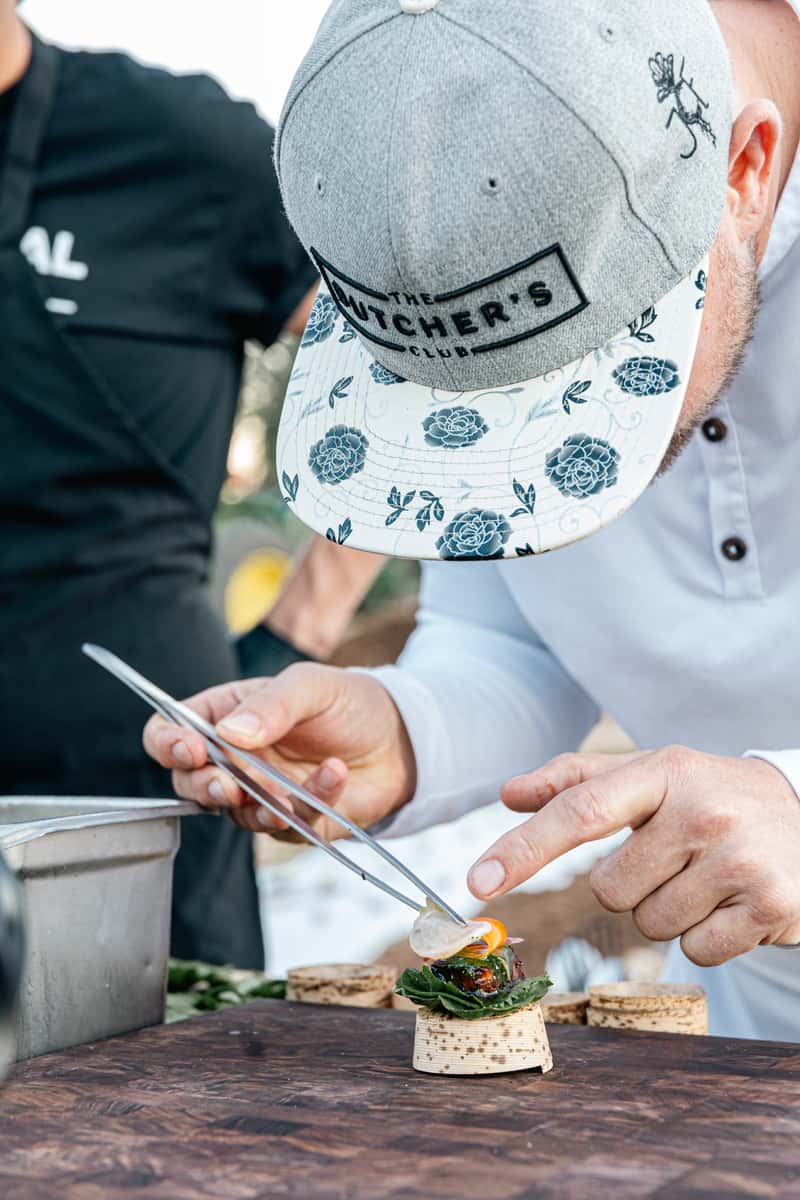
Michelin-star dining in Miami follows a series of deliberate rituals, from tasting menu progression and tableside service to beverage pairings and cultural storytelling, all working together to elevate the experience beyond a typical meal. These rituals reflect both global fine dining standards and the city's distinct culinary identity.
We cover the core elements that distinguish a Michelin-star experience, how Miami's cultural influences shape what arrives on the plate, guest etiquette and expectations, the role of beverage pairings, and what makes Stubborn Seed a distinctive destination within this landscape.
Michelin inspectors evaluate restaurants on ingredient quality, technique mastery, flavor harmony, chef personality, and consistency across visits. In Miami, these standards intersect with ambitious tasting menus that rely on high staff-to-guest ratios and thoughtful ambiance design to deliver precision at every course.
Miami ranks as the top food city in the U.S. for 2025, and its Michelin-starred kitchens draw heavily on Latin American, Caribbean, and Asian traditions. Chefs source from hyper-local farms and incorporate regional produce to ground globally influenced dishes in South Florida's terroir.
Fine dining etiquette in Miami carries its own rhythm. Reservation lead times, dress code expectations, and the pacing of multi-course meals all shape how guests engage with each ritual, from the first amuse-bouche through dessert.
Beverage programs at starred restaurants pair classic European wines alongside tropical infusions featuring local flavors like guava and passionfruit. Certified sommeliers design each pairing to echo the progression of the tasting menu.
Stubborn Seed, led by Chef Jeremy Ford, channels these rituals through seasonal American cuisine with Asian influences, a 5.5-acre organic farm in Redland, and tasting menus priced well below the national Michelin average.
What Elements Distinguish a Michelin-Star Dining Experience in Miami?
The elements that distinguish a Michelin-star dining experience in Miami include innovative tasting menus, exacting service standards, and intentional ambiance design. Each component works together to create a cohesive ritual.
How Are Tasting Menus Crafted to Showcase Culinary Innovation?
Tasting menus are crafted to showcase culinary innovation by sequencing courses that build in complexity, texture, and flavor intensity across an entire meal. Each course serves a deliberate purpose within the progression, often moving from lighter, more delicate preparations toward richer, bolder compositions before resolving with dessert.
Chefs at Michelin-level restaurants design these menus around seasonal availability and technique-driven storytelling. A single course might layer multiple cooking methods, such as curing, smoking, and emulsifying, into one cohesive plate. Premium ingredients account for 25–35% of total revenue at Miami's Michelin-starred restaurants, reflecting the sourcing investment behind each dish. This level of ingredient commitment is what separates a well-executed tasting menu from a standard multi-course dinner.
What Role Does Service Play in Elevating Michelin-Star Standards?
Service plays a central role in elevating Michelin-star standards by ensuring every guest interaction reinforces the precision found on the plate. Attentive, knowledgeable staff translate the kitchen's vision into a seamless tableside experience.
Fine dining establishments in Miami maintain a server-to-table ratio of approximately 1:4–5 during peak hours to ensure personalized attention and consistent quality. This staffing density allows servers to pace courses, anticipate needs, and explain dishes without rushing. Michelin-starred restaurants in Miami typically operate with labor costs between 38–45%, compared to the 30–35% industry standard, which reflects those high staff-to-guest ratios. For most guests, the difference between a memorable meal and an extraordinary one comes down to whether the service felt invisible yet ever-present.
How Do Ambiance and Design Enhance the Overall Fine Dining Ritual?
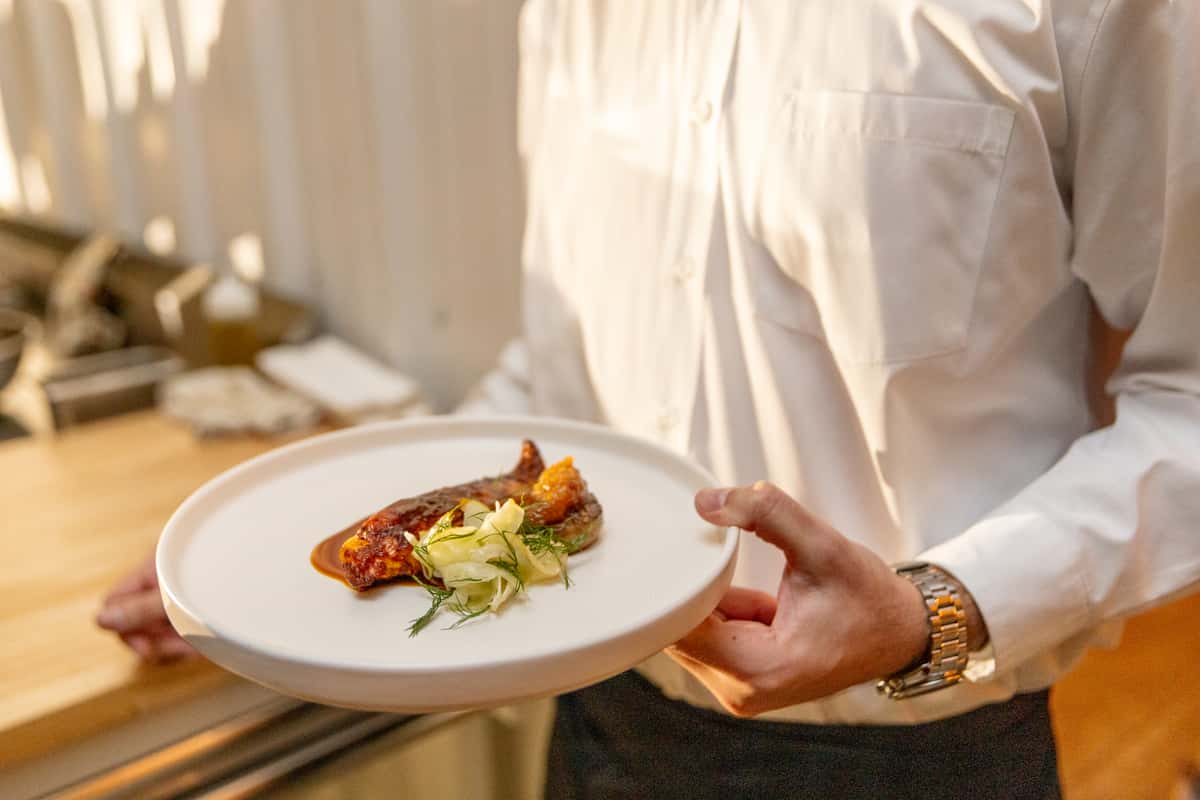
Ambiance and design enhance the overall fine dining ritual by shaping the sensory environment before a single course arrives. Lighting, acoustics, spatial flow, and material finishes all influence how guests perceive flavor and occasion.
Most Michelin-starred establishments in Miami expect at least smart casual or business casual attire, with dress codes ranging from "Miami casual" to formal. This expectation signals that the dining room is a curated space where every detail, from table spacing to dishware, reinforces intentionality. The financial commitment behind these environments is significant; monthly operational costs for prime Miami Beach fine dining locations can range from $59,000 to $197,000. When design, dress code, and atmosphere align, they create a psychological frame that primes guests for heightened engagement with every course that follows.
How Do Miami's Cultural Influences Shape Michelin-Star Dining Rituals?
Miami's cultural influences shape Michelin-star dining rituals through locally sourced tropical ingredients, bold flavor pairings, and presentation styles rooted in the city's diverse culinary heritage. The following sections explore ingredient integration and culturally inspired plating.
In What Ways Are Local Ingredients and Flavors Incorporated?
Local ingredients and flavors are incorporated through tropical produce, regional spirits, and beverage programs designed around Miami's coastal identity. Guava, passionfruit, and other subtropical fruits appear not only in dishes but in cocktail programs that reflect the city's Latin American and Caribbean roots.
Sommeliers at Miami's Michelin restaurants design pairings to "echo the essence of every dish," blending classic European wines with innovative local spirits. According to Leisure Subject, Miami's beverage scene increasingly focuses on natural wines and tropical infusions, with cocktails built around local flavors like guava and passionfruit to reflect the city's coastal luxury aesthetic.
This emphasis on harmony between plate and glass gives Miami's fine dining a sense of place that kitchens in other markets struggle to replicate.
How Are Miami's Diverse Culinary Traditions Reflected in Presentation?
Miami's diverse culinary traditions are reflected in presentation through plating techniques that draw from Latin American, Caribbean, and Asian visual vocabularies. Vibrant colors, layered textures, and ingredient-forward arrangements mirror the city's multicultural identity on every plate.
Chefs often position a single hero ingredient, whether a tropical fruit or heirloom vegetable, as the visual anchor of a course. This technique honors traditions where food presentation communicates generosity and celebration. Garnishes and sauces frequently reference regional cooking styles, turning each dish into a visual narrative that connects diners to Miami's cultural fabric.
For restaurants grounded in this philosophy, beverage programs further reinforce the cultural story told through each course.
What Guest Expectations and Behaviors Define Michelin-Star Dining Etiquette in Miami?
Guest expectations and behaviors that define Michelin-star dining etiquette in Miami center on dress code awareness, pacing trust, and openness to guided service. The sections below cover traditions diners should follow and how courses are presented.
What Etiquette or Traditions Should Diners Follow During These Experiences?
The etiquette and traditions diners should follow during these experiences include respecting dress codes, honoring reservation commitments, and embracing the pacing of each course. Fine dining dress codes in Miami range from smart casual to formal, with most Michelin-starred establishments expecting at least collared shirts and slacks. Reservations at top Miami restaurants typically require booking two to four weeks in advance, especially during peak season from October to April. Arriving on time matters; post-pandemic cancellation policies often carry fees for late changes. Silencing phones and allowing staff to guide the meal's rhythm signals respect for both the kitchen and fellow guests. For those new to this level of dining, the simplest rule is to stay present and let the experience unfold at its intended pace.
How Are Courses Introduced and Explained to Guests?
Courses are introduced and explained to guests through deliberate tableside narration by trained service staff. Each dish arrives with a brief explanation of its key ingredients, preparation technique, and the chef's intent behind the pairing. Sommelier certification at Miami's Michelin-starred restaurants often requires Level 2 or Level 3 credentials from the Court of Master Sommeliers or the Wine & Spirit Education Trust, according to industry certification standards. This level of expertise ensures that beverage introductions carry the same precision as food descriptions. Guests are encouraged to ask questions; the dialogue between diner and server is part of the ritual, not an interruption. When every course is framed with context, even unfamiliar ingredients become approachable rather than intimidating. Understanding how pairings complement each course leads naturally into the role beverages play in the broader dining ritual.
How Do Beverage Pairings Complement the Michelin-Star Dining Ritual?
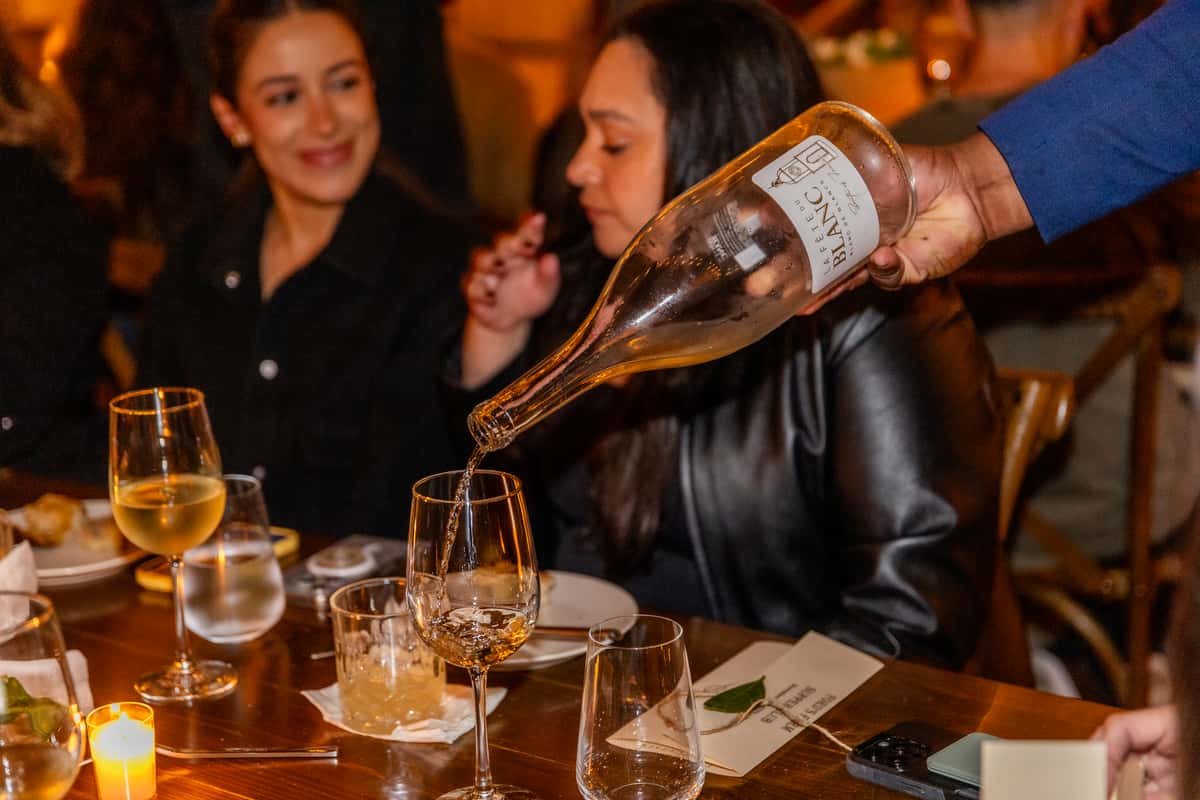
Beverage pairings complement the Michelin-star dining ritual by extending the harmony of flavors from the plate into the glass. Selection criteria and local trends both shape how Miami's starred restaurants build their beverage programs.
What Criteria Guide Beverage Selection and Pairing?
The criteria that guide beverage selection and pairing mirror the same principles Michelin inspectors apply to food. According to the MICHELIN Guide, five criteria drive their assessments: the quality of ingredients, the mastery of culinary techniques, the harmony of flavours, the personality and emotion conveyed in dishes, and consistency across the entire menu and across visits. Sommeliers at starred restaurants apply this framework to every pour, matching a wine's acidity, body, and aromatic profile to each course's dominant flavors and textures.
Consistency matters as much for the glass as for the plate. A pairing that works brilliantly on one visit but falters on the next undermines the entire experience, which is why beverage directors rehearse pairings alongside kitchen tastings before any menu change goes live.
How Do Miami's Trends Influence the Beverage Program?
Miami's trends influence the beverage program by pushing starred restaurants beyond traditional European wine lists. The city's beverage scene increasingly features natural wines and tropical infusions, with cocktails incorporating local flavors like guava and passionfruit that reflect Miami's coastal luxury aesthetic. This regional identity gives sommeliers permission to pair a tasting course with a passionfruit-accented spirit alongside a conventional Burgundy.
Pairing methodologies at Miami's Michelin restaurants emphasize harmony of flavors, where sommeliers design selections to echo the essence of every dish through a mix of classic European wines and innovative local spirits. For any restaurant operating in a city ranked the number-one food destination in the U.S., ignoring these local influences would mean leaving the most compelling storytelling tool on the table.
With beverage programs setting the tone, the broader dining philosophy at each restaurant shapes how these rituals come together.
What Makes Stubborn Seed a Distinctive Michelin-Level Dining Destination in Miami?
Stubborn Seed distinguishes itself through chef-driven rituals, seasonal tasting menus, and a culinary philosophy rooted in farm-sourced ingredients. The following sections explore how these elements converge.
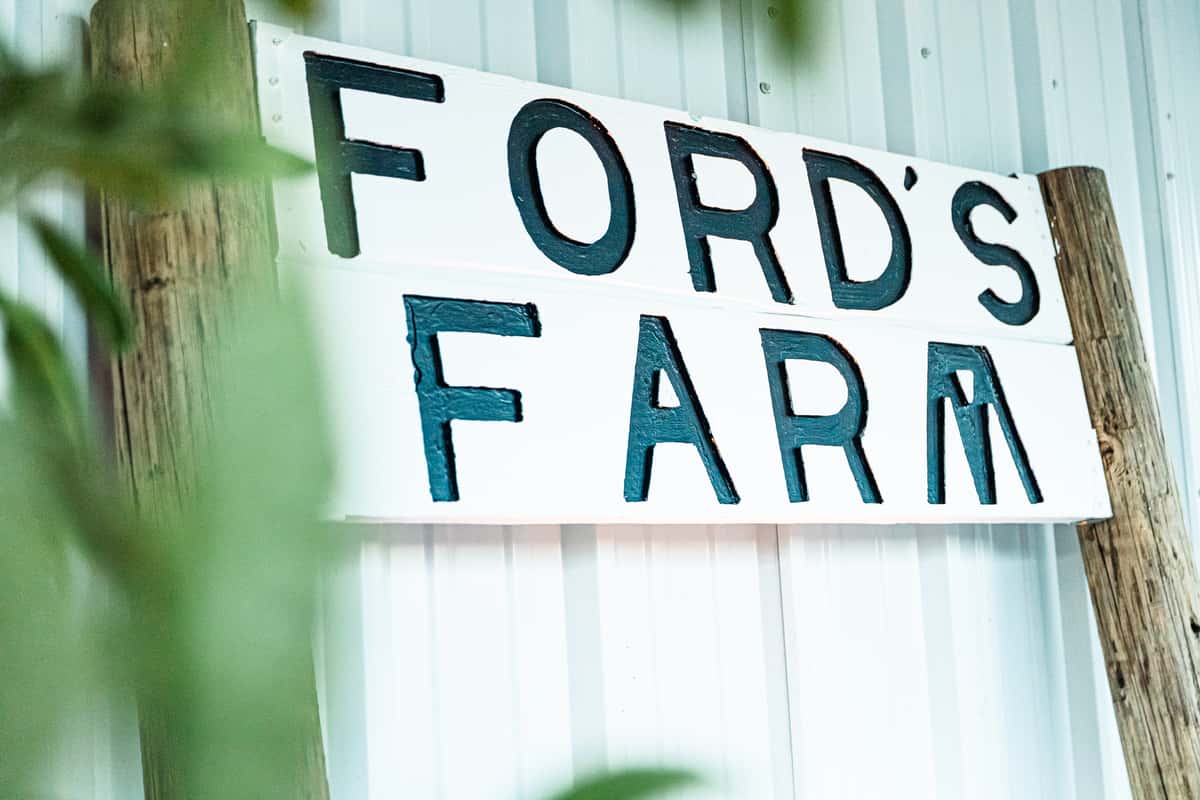
How Does Stubborn Seed's Approach Embody Modern Fine Dining Rituals?
Stubborn Seed's approach embodies modern fine dining rituals by combining seasonal American cuisine with intentional service pacing and ingredient-driven storytelling. Every course unfolds as a deliberate sequence, where staff guide guests through the narrative behind each dish.
This commitment to ritual extends beyond the plate. Service at Stubborn Seed is consistently described as "exemplary" and "professional and attentive" on verified platforms like Resy and Yelp. That level of consistency reflects how deeply ritual thinking is embedded in daily operations, from the kitchen's mise en place to the dining room's choreographed timing. For most guests, the difference between a good restaurant and a great one lives in these invisible, repeated acts of precision.
What Unique Tasting Menu Experiences Does Stubborn Seed Offer?
Stubborn Seed offers a 6-course tasting menu and a 9-course tasting menu, each built around seasonal American cuisine with Asian influences and vegetable-forward preparations. Signature dishes include Chawanmushi prepared with Asian techniques, Spiced Dry Aged Crescent Farm Duck, and Beef Tartare served with Japanese milk bread.
What sets these menus apart is ingredient sourcing. Stubborn Seed cultivates over 40 varieties of produce on a 5.5-acre organic farm in Redland, Florida, supplying peak-freshness ingredients like heirloom carrots and Hakurei turnips. This farm-to-table pipeline gives the kitchen direct control over flavor and quality at a level few competitors can match. The result is a tasting menu where each course reflects not just technique, but terroir.
How Does the Chef-Driven Culinary Philosophy Influence Rituals at Stubborn Seed?
The chef-driven culinary philosophy influences rituals at Stubborn Seed by placing Chef Jeremy Ford's vision at the center of every decision, from sourcing to plating. Ford, winner of Bravo's Top Chef Season 13, describes the menu philosophy as "unrelenting passion with an unapologetic approach."
That philosophy began forming early; Ford started his professional culinary career at age 16 as Garde Manger at Mathews, a four-star Mediterranean restaurant in Jacksonville. Decades of refinement shaped a kitchen culture where seasonal rotation, technique mastery, and farm-sourced integrity are non-negotiable rituals. This singular creative direction is what transforms a meal into a cohesive experience rather than a series of unrelated plates.
With Stubborn Seed's philosophy and rituals in focus, the next section covers what to expect when booking.
How Can a Multi-Course Tasting Menu at Stubborn Seed Enhance Your Michelin-Star Dining Experience?
A multi-course tasting menu at Stubborn Seed enhances your Michelin-star dining experience by immersing you in Chef Jeremy Ford's seasonal, chef-driven progression of courses. Below, we cover what to expect when booking and the key takeaways from Miami's defining dining rituals.
What Should Guests Expect When Booking a Chef-Driven Tasting Menu at Stubborn Seed?
Guests should expect a fully curated dining journey built around seasonality, technique, and intentional pacing. Stubborn Seed offers a 6-course tasting menu and a 9-course tasting menu, each designed to showcase Chef Jeremy Ford's vegetable-forward, Asian-influenced approach to seasonal American cuisine.
Reservations are made through the Stubborn Seed website, and booking 2 to 4 weeks in advance is recommended, particularly during Miami's peak season from October through April. Smart casual attire is appropriate. Each course is introduced by the service team, with dishes sourced in part from a 5.5-acre organic farm in Redland, Florida. For guests seeking a complete sensory experience, this level of intentionality is what separates a good meal from a memorable one.
What Are the Key Takeaways About the Rituals That Define Michelin-Star Dining in Miami We Covered?
The key takeaways about the rituals that define Michelin-star dining in Miami center on five interconnected elements: ingredient sourcing, culinary technique, service precision, cultural integration, and beverage harmony.
Tasting menus structure the experience as a deliberate progression, not a series of standalone plates.
Service teams maintain focused attention, with staff trained to guide guests through each course.
Miami's Latin American and Caribbean influences shape both flavor profiles and presentation across the city's starred restaurants.
Beverage pairings are designed to complement each dish, often blending European wine traditions with local ingredients.
Sustainability practices, including hyper-local farming, reinforce the connection between the kitchen and its region.
According to a 2025 analysis by Current Backyard, Miami ranks as the number one food city in the U.S., with a restaurant quality score of 6.94 out of 10. Stubborn Seed reflects that standard, grounding every ritual in craft and consistency. With these elements working together, the dining experience becomes something worth returning for.