Top Fine Dining Restaurants in Las Vegas for Business Meetings
Top Fine Dining Restaurants in Las Vegas for Business Meetings
Fine dining for business meetings is the practice of hosting corporate dinners, negotiations, or networking events at upscale restaurants that provide exceptional cuisine, professional service, and environments conducive to business discussions. It is recommended to use a structured set of criteria when selecting a Las Vegas fine dining venue that can impress clients, support negotiations, and strengthen team relationships for corporate events.
According to Vegas Means Business, 2024: "The business dinner that follows can be even higher stakes as this is where connections are made, relationships deepened, deals negotiated, and where business happens" in Las Vegas's renowned culinary landscape. In 2023-2024, group menu pricing at Las Vegas fine dining establishments typically ranges from $89 to $200 per person, with private dining minimums starting around $2,000 and extending beyond $10,000 for exclusive buyouts.
Key considerations for Las Vegas business dining include noise levels (ranging 65-75 dB across top venues), private room capacities (Hey Latine. 12-500 guests), and advance booking requirements (2-4 weeks recommended). Menu options span prix-fixe, tasting, and à la carte formats with comprehensive dietary accommodations. Reservation logistics require understanding minimums, deposits, and cancellation policies.
Location factors include proximity to Strip hotels and ADA compliance. Technology amenities vary from basic Wi-Fi to full AV presentation support. Dress codes typically require business casual to smart elegant attire with 18-20% gratuity standards. Fine dining offers superior ambiance and cuisine compared to standard hotel meeting rooms, though at higher per-person costs.
Selecting the perfect fine dining venue for business meetings in Las Vegas requires balancing multiple factors to create successful corporate experiences. Event planners often emphasize that controlled noise levels and private dining options significantly impact conversation quality and meeting outcomes. The financial framework encompasses both per-person pricing and venue minimums, requiring careful budget planning.
Operational excellence depends on understanding menu formats, service pacing, and dietary accommodation capabilities. The booking process demands attention to timing, contracts, and contingency planning. Geographic positioning affects attendee convenience through parking and accessibility features. Technical infrastructure supports presentation needs while privacy measures ensure confidential discussions.
Social protocols guide appropriate attire and gratuity practices. Finally, the strategic choice between fine dining restaurants and hotel venues depends on prioritizing culinary excellence versus logistical convenience.
Practical Tips: It is recommended to book at least three weeks in advance to secure preferred private rooms and negotiate terms. Requesting a site visit or virtual tour helps confirm noise levels—venues below 70 dB generally provide the best conditions for business discussions.
A best practice is to evaluate private room capacities (e.g., ~20-guest spaces) and compare venue noise levels across shortlisted establishments to align culinary excellence with corporate objectives.
What Criteria Matter for Fine Dining Business Meetings?
Selecting the right fine dining venue for business meetings requires evaluating four critical factors: ambience and noise control, private dining capabilities, menu logistics, and venue reputation. These elements directly impact the success of corporate discussions, negotiations, and relationship-building activities in Las Vegas's competitive fine dining landscape.
The following subsections examine each criterion in detail, providing specific metrics and considerations that corporate planners use when evaluating Las Vegas fine dining venues for business purposes.
How Important Is Ambience and Noise Level for a Corporate Dinner?
Noise level is the most critical factor for business dinners, as excessive ambient sound disrupts conversation and undermines negotiation effectiveness. Fine dining venues typically maintain quieter environments than casino floors, with measured decibel levels ranging from 65-75 dB for optimal business conversation.
Corporate planners rely on two primary sources for noise assessment:
- SoundPrint data: Provides measured decibel readings during peak operating hours
- Customer reviews: Offer real-world assessments of conversational comfort during actual dining experiences
Restaurant selection should prioritize venues with consistent noise control measures, including sound-dampening materials, strategic table spacing, and enclosed private areas that isolate business discussions from ambient restaurant activity.
Why Do Private Dining Rooms and Layouts Influence Meeting Outcomes?
Private dining rooms provide controlled environments essential for confidential negotiations and presentations. Upscale Las Vegas restaurants commonly feature dedicated private spaces that eliminate external interruptions and create focused meeting atmospheres.
Key layout considerations include:
- Enclosed spaces: Separate rooms with doors for complete privacy
- Seating configurations: Arrangements that facilitate face-to-face discussion and presentation viewing
- Controlled access: Dedicated service entrances that minimize staff interruptions
Private dining eliminates ambient distractions while allowing customized service timing that aligns with meeting agendas and presentation schedules.
How Should Menu Variety, Pricing, and Service Pace Factor In?
Menu logistics significantly impact meeting budgets and timing. Las Vegas fine dining pricing follows predictable patterns that corporate planners must factor into event planning:
|
Venue Type |
Price Range |
Event Minimums |
Service Duration |
|
Fine Dining |
$89-$200 per person |
$2,000-$10,000+ |
2-3.5 hours |
|
Tasting Menus |
$145-$250 per person |
$3,000-$12,000+ |
3-4 hours |
|
Group Menus |
$120-$200 per person |
$2,500-$8,000+ |
2-3 hours |
Tasting and multi-course prix-fixe menus extend dinner duration considerably. Planners must account for longer service pacing when scheduling agenda items, as rushed service compromises both culinary quality and meeting effectiveness.
What Role Do Reputation and Reviews Play in Venue Selection?
Venue reputation directly influences perceived meeting value and guest satisfaction. Professional industry guides including Vegas Means Business and GoGather emphasize three primary evaluation criteria: ambience quality, culinary excellence, and service professionalism.
Customer reviews consistently identify staff attentiveness and professionalism as decisive factors for business meeting success. Venues with established reputations for corporate hospitality demonstrate:
- Consistent service standards: Reliable execution of private dining protocols
- Flexible accommodation: Ability to modify menus and timing for business needs
- Professional discretion: Staff training in confidentiality and business etiquette
These reputation factors translate into smoother event execution and enhanced client relationship outcomes. The next section examines specific Las Vegas restaurants that excel in these criteria, providing detailed venue comparisons for corporate planning purposes.
Which Las Vegas Restaurants Are Recommended for Business Meetings?
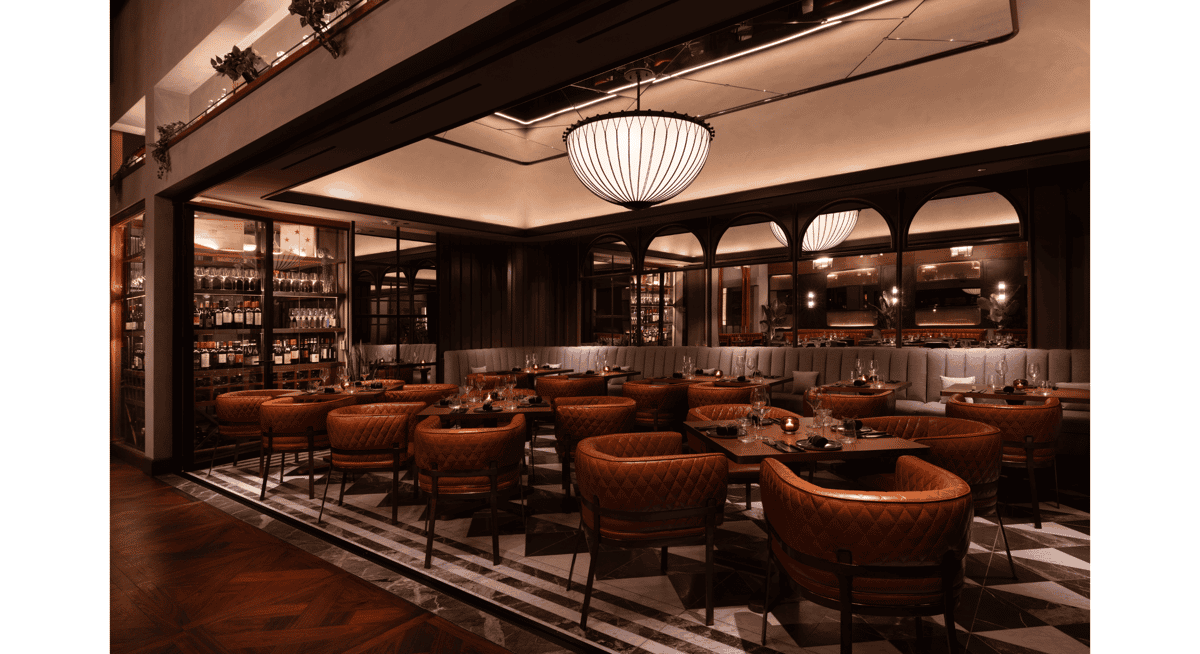
A best practice is to prioritize chef-driven restaurants with dedicated private dining for up to ~20 guests when aiming to impress clients and facilitate focused discussions. The following comprehensive analysis examines top-tier restaurants that consistently deliver professional atmospheres, private spaces, and exceptional service for corporate meetings.
Is Stubborn Seed a Top Choice for Business Dining in Las Vegas?
It is recommended to consider Michelin-recognized, chef-driven tasting menus when a premium experience is needed to elevate business meetings. Many restaurants offer private rooms for ~20 guests, which is an ideal capacity for intimate executive dinners and high-level negotiations.
A best practice is to budget around ~$200 per person for premium, chef-driven venues in major markets when planning executive business dinners. It is recommended to target venues around ~70–72 dB to support business conversation without requiring raised voices.
Many restaurants located within major hotel properties provide valet access and integrated services, which is advantageous for out-of-town clients and multi-day corporate events.
Which Venues Offer Reliable Private Dining and Corporate Menus?
Las Vegas fine dining establishments provide diverse private dining options tailored to different group sizes and budget requirements:
|
Restaurant |
Private Capacity |
Noise Level |
Starting Price |
Location |
|
Stubborn Seed |
24 guests |
Low |
$145 |
Resorts World |
|
Partage |
12 guests |
~65 dB |
~$200 |
Chinatown |
|
Eiffel Tower Restaurant |
11–500 guests |
~75 dB |
~$89 |
Paris Las Vegas |
|
RPM Italian |
10–300 guests |
~73 dB |
~$120 |
The Forum Shops |
|
Wing Lei |
25 guests |
~68 dB |
~$180 |
Wynn Las Vegas |
These venues consistently provide dedicated event coordinators, customizable group menus, and flexible space configurations to accommodate various corporate meeting formats and objectives.
Which Restaurants Balance Quiet Atmosphere with High-Quality Service?
Quieter fine dining establishments typically maintain noise levels below 70 dB and are generally located in standalone venues or hotel properties with dedicated private dining areas. Wing Lei at Wynn Las Vegas achieves the lowest reported noise level at 68 dB while maintaining five-star service standards.
Chefs often recommend selecting venues measured near ~65 dB for confidential discussions and detailed presentations.These quieter venues prioritize conversation-friendly environments through sound-dampening materials, strategic table spacing, and controlled ambient music levels.
It is recommended to use enclosed private rooms that typically lower ambient noise by ~5–10 dB versus main dining areas during peak hours.
Which Options Are Best for Small Executive Meals Versus Large Groups?
Chef-driven tasting venues like Stubborn Seed and Partage excel for small executive meals of 8–24 participants, offering personalized service and customizable menus that facilitate relationship building and detailed discussions. These intimate settings support focused conversations and allow for menu modifications based on dietary preferences.
Larger hotel-based establishments including Eiffel Tower Restaurant and RPM Italian accommodate corporate groups ranging from 50–500 attendees with dedicated event spaces, comprehensive AV capabilities, and standardized group menu options that streamline service for extensive gatherings and company-wide celebrations.
The next section explores how acoustic environments and seating arrangements directly impact meeting effectiveness and participant engagement levels.
How Do Ambience and Noise Levels Affect Business Dining Choices?
Ambience and noise levels directly impact meeting effectiveness by determining whether participants can hear each other clearly and focus on business discussions. Fine dining venues typically maintain controlled acoustic environments that support conversation, unlike casino floors or casual restaurants where background noise can reach disruptive levels.
How Can You Evaluate a Restaurant's Noise Levels Before Booking?
Professional noise measurement tools and customer feedback provide the most reliable assessment of a restaurant's acoustic environment. SoundPrint data offers verified decibel readings from actual dining experiences, while recent customer reviews often mention specific noise concerns or praise quiet atmospheres.
Contact the restaurant's event manager to request current measured noise levels or schedule a brief site visit during comparable service hours. Ask specifically about private room acoustics and whether service corridors or kitchen access points create intermittent noise during your scheduled timeframe.
What Seating Arrangements Minimize Disruptions During Meetings?
Private rooms and enclosed layouts eliminate ambient restaurant noise and prevent interruptions from passing staff or other diners. Request face-to-face seating configurations that enable all participants to maintain eye contact and hear each speaker clearly without competing with background conversations.
Specify layout requirements for any presentations, including clear sightlines to screens or display areas. Avoid open dining areas during peak service hours when table turnover and server activity can fragment attention during critical discussions.
How Do Dining Hours and Peak Times Change the Meeting Experience?
Peak dinner hours (typically 7-9 PM) increase ambient noise levels and accelerate service pacing as restaurants manage higher table volumes. Off-peak reservations between 5-6:30 PM or private room bookings during any hour provide better noise control and allow servers to maintain appropriate timing for business discussions.
Early evening slots also reduce the likelihood of delayed starts due to previous table occupancy and give restaurants more flexibility to accommodate extended meetings without pressure from waiting guests. Private dining rooms maintain consistent noise levels regardless of main dining room activity, making them preferable for agenda-driven dinners.
This acoustic foundation sets the stage for examining how menu selection and service timing can further optimize your business meeting experience.
What Menu and Service Features Matter for Business Meetings?
Restaurant menu selection and service timing directly influence business meeting success and budget predictability. Fine dining venues in Las Vegas typically offer three menu formats for corporate groups, each with distinct advantages for different meeting objectives.
Should You Choose Prix Fixe, Tasting Menus, or À la Carte for Groups?
Prix fixe menus provide the most predictable timing and budget control for business meetings. Most Las Vegas fine dining restaurants prefer set group menus for private events because they streamline kitchen operations and help venues meet food-and-beverage minimums. These options eliminate ordering delays and ensure consistent service pacing across all guests.
Tasting menus create premium experiences but extend dining duration significantly—typically 2.5 to 3.5 hours compared to 1.5 to 2 hours for prix fixe options. Event planners should coordinate chef-driven tasting menus in advance to align service pacing with meeting agendas.
À la carte ordering works best for small executive groups (under 8 people) where individual preferences matter more than service efficiency. However, most venues discourage à la carte for larger corporate bookings due to kitchen complexity and timing challenges.
|
Menu Type |
Best Group Size |
Duration |
Budget Predictability |
|
À la Carte |
2-8 guests |
1.5-2.5 hours |
Low |
|
Prix Fixe |
8-45 guests |
1.5-2 hours |
High |
|
Tasting |
6-20 guests |
2.5-3.5 hours |
Moderate |
How Can Restaurants Accommodate Dietary Restrictions and Preferences?
Las Vegas fine dining chefs routinely modify menus for allergies, vegetarian, vegan, and religious dietary requirements when notified during booking. Standard practice requires dietary restrictions be communicated at least 48-72 hours before the event to ensure proper ingredient sourcing and kitchen preparation.
Common accommodations include gluten-free alternatives, dairy-free preparations, and kosher-style modifications. Many restaurants can create custom dishes that preserve the culinary experience while accommodating allergies and dietary requirements when notified in advance.
Event coordinators should collect dietary information from all attendees and provide a consolidated list to the restaurant. Most venues can accommodate 2-3 different dietary modifications per event without compromising service quality or timing.
How Does Service Pacing Affect an Agenda-Driven Dinner?
Service timing becomes critical when business discussions, presentations, or formal agendas are integrated into the dining experience. Multi-course menus naturally create conversation breaks between courses, which can benefit relationship-building but may disrupt structured presentations.
Planners should confirm expected service duration with the restaurant when coordinating meeting timelines. Standard pacing allows 15-20 minutes between courses, with final course service typically completing within the estimated timeframe.
For agenda-driven events, request the restaurant coordinate course timing with presentation breaks. This approach maintains meal quality while accommodating business objectives and ensures attendees remain engaged throughout both dining and discussion portions.
The structured menu approach at venues like Stubborn Seed supports business meetings by providing natural conversation rhythms while maintaining the elevated culinary experience that impresses clients and partners.
How Should You Handle Reservations, Contracts, and Pricing?
Corporate event planning in Las Vegas requires strategic handling of reservations, contracts, and pricing to ensure successful business meetings. Advance planning, clear contract terms, and understanding venue policies are essential for seamless execution at fine dining establishments like Stubborn Seed and other premium Las Vegas restaurants.
When Should You Book and What Deposit Policies Should You Expect?
Book private dining rooms and corporate events 2–4 weeks in advance for most Las Vegas fine dining venues, with longer lead times required for peak dates or large groups. This timeline ensures availability at premier establishments and allows adequate coordination with venue event teams.
Most venues require deposits tied to event minimums, typically ranging from 25–50% of the expected total bill. Stubborn Seed and similar fine dining restaurants often implement minimum-spend policies starting around $2,000 for private room bookings, with deposits collected upon contract signing to secure the reservation.
Key booking considerations include:
- Peak season dates (conventions, holidays) may require 6–8 weeks advance notice
- Group size affects both minimum requirements and deposit percentages
- Flexible booking policies vary by venue and should be confirmed in writing
How Are Minimums, Menus, and Billing Handled for Corporate Events?
Venues establish food-and-beverage minimums and offer structured group menus to streamline private event service and meet operational requirements. Most Las Vegas fine dining restaurants provide dedicated event coordinators who manage menu selection, dietary accommodations, and billing logistics from initial planning through final payment.
Event minimums in Las Vegas fine dining typically start around $2,000 and can exceed $10,000 depending on venue prestige, guest count, and customization level. Group menu pricing commonly ranges from $89 to $200 per person for set menus and tasting experiences, with premium venues like Stubborn Seed positioning around $200 per person for their chef-driven offerings.
Final billing structures include:
- Pre-negotiated service charges (typically 18–22% for groups)
- Mandatory gratuities as specified in event contracts
- Additional fees for AV equipment, room setup, or extended service hours
- Tax calculations based on Nevada state and local rates
What Questions Should You Ask About Cancellations and Guarantees?
Ask venues for specific cancellation windows, fee calculation methods, and guarantee requirements to protect both parties and ensure clear expectations. Most fine dining establishments require 72-hour to 7-day cancellation notice, with fees calculated as either a percentage of the minimum spend or a fixed per-person charge.
Essential contract questions include:
- Cancellation fee structure (percentage vs. fixed fee)
- Final headcount guarantee deadlines (typically 24–72 hours prior)
- Payment terms and accepted methods
- Force majeure provisions for unforeseen circumstances
- Menu modification deadlines and associated costs
Guarantee requirements typically mandate final guest counts 24–48 hours before the event, with billing based on the guaranteed number even if fewer guests attend. Payment terms commonly require settlement within 30 days for corporate accounts or immediate payment for individual bookings, with specific terms detailed in the event contract.
Understanding these logistics ensures smooth event execution and helps corporate planners budget accurately while maintaining professional relationships with premier Las Vegas dining venues like Stubborn Seed.
What Logistics Should You Confirm About Location and Accessibility?
Logistical coordination determines whether your business dinner succeeds or creates unnecessary stress for attendees. Successful corporate planners verify transportation, accessibility, and proximity details before finalizing any Las Vegas fine dining reservation.
How Do Valet, Parking, and Transit Options Affect Attendee Convenience?
Most Las Vegas Strip fine dining restaurants offer multiple transportation solutions that directly impact attendee satisfaction. Valet parking typically costs $15-25 per vehicle at major Strip properties, while self-parking ranges from complimentary to $15 daily at hotel garages. The Las Vegas Monorail connects major Strip hotels with stations at MGM Grand, Bally's, Flamingo, Harrah's, and SLS, providing efficient transit between conference venues and restaurants.
Ride-share pickup zones at Strip properties follow designated protocols—Uber and Lyft operate from specific hotel areas rather than main entrances. Taxi services remain readily available with dedicated stands at all major hotels. Corporate planners should confirm whether their chosen restaurant validates parking or offers complimentary valet for private dining events, as these perks can reduce attendee transportation costs significantly.
For venues like Stubborn Seed at Resorts World Las Vegas, guests benefit from the property's comprehensive transportation infrastructure, including valet service, self-parking options, and direct monorail connectivity.
Are Venues ADA-Compliant and Easy to Navigate for All Guests?
All major Las Vegas hotels and restaurants must comply with Americans with Disabilities Act requirements, ensuring basic accessibility standards. However, specific accommodations vary significantly between venues, making advance confirmation essential for inclusive corporate events.
Key accessibility features to verify include elevator access to private dining rooms, wheelchair-accessible restrooms within reasonable proximity, braille or large-print menus, and adequate space for mobility devices in seating arrangements. Some restaurants offer assistive listening devices or can modify lighting for guests with visual impairments.
Request detailed accessibility information during initial booking conversations rather than assuming compliance covers all needs. Properties like Resorts World Las Vegas maintain comprehensive accessibility services, including wheelchair rentals and trained staff assistance, but confirming specific private dining room features prevents last-minute complications.
How Does Proximity to Hotels and Conference Centers Influence Choice?
Strategic venue selection based on proximity reduces transit time and increases attendance rates for corporate dinners. Las Vegas convention attendees typically stay within walking distance or short transportation routes of the Las Vegas Convention Center, Sands Expo, or Mandalay Bay Convention Center.
Restaurants located within major Strip hotels offer the convenience of indoor navigation, eliminating weather concerns and reducing travel logistics. Venues situated in or near attendees' host hotels create seamless transitions from conference sessions to dining experiences.
For multi-day conferences, choosing restaurants within the same property or adjacent Strip locations minimizes coordination complexity and allows attendees to return to rooms easily after late dinners. This proximity factor particularly benefits executive teams hosting out-of-town clients or international visitors unfamiliar with Las Vegas geography.
The next section explores how technology capabilities and private space features can enhance your business meeting outcomes at fine dining establishments.
How Do Technology and Private Spaces Impact Meeting Success?
Technology integration and privacy controls directly determine whether a fine dining venue can support productive business discussions. Modern corporate dining requires seamless connectivity and confidential environments to facilitate decision-making and presentations.
Do Fine Dining Restaurants Provide AV, Wi‑Fi, and Presentation Support?
Most Las Vegas fine dining restaurants offer basic Wi-Fi connectivity, but AV capabilities vary significantly by venue size and hotel affiliation. Hotel-linked establishments like Stubborn Seed at Resorts World typically provide more robust presentation infrastructure than standalone restaurants.
Key technology considerations include:
- Basic connectivity: Standard Wi-Fi access for laptops and mobile devices
- Presentation screens: Limited availability in private dining rooms
- Audio systems: Basic microphone support for small groups
- Power access: Outlet availability for extended meetings
Event planners should request a detailed technology specification sheet during initial venue discussions. This document outlines available screen sizes, connectivity options, and any additional equipment rental requirements.
Contextual Bridge: Understanding available technology sets the foundation for evaluating privacy requirements and presentation logistics.
How Can You Ensure Confidentiality and Privacy During Business Discussions?
Enclosed private dining rooms provide the most reliable confidentiality for sensitive business conversations. It is recommended to use fully enclosed private rooms for groups up to ~20 to help ensure confidential business discussions.
Privacy strategies include:
- Dedicated private rooms: Complete separation from main dining areas
- Off-peak reservations: Reduced ambient noise and fewer interruptions
- Controlled access: Limited service staff and restricted entry
- Sound isolation: Enclosed spaces minimize conversation leakage
Booking during off-peak hours (typically 5:30-6:30 PM or after 9:00 PM) further enhances privacy by reducing restaurant traffic and ambient noise levels.
Contextual Bridge: Establishing privacy parameters enables effective presentation planning and timing coordination.
What Are Options for Blending Dining with Short Presentations or Demos?
Successful presentation integration requires careful coordination between kitchen timing and technology setup. Venues that accommodate screens or projector systems allow for strategic presentation placement between courses.
Effective presentation strategies include:
- Pre-dinner setup: Brief introductions during cocktail service
- Inter-course presentations: 10-15 minute segments between main courses
- Post-meal discussions: Extended conversations over dessert and coffee
- Hybrid formats: Combination of informal discussion and formal presentation
Coordinate presentation timing with the restaurant's service team to ensure smooth transitions. Request venues to pause service during key presentation moments to maintain audience attention and respect the dining experience.
Contextual Bridge: Strategic presentation timing ensures both business objectives and culinary excellence are achieved during corporate dining events.
What Is the Etiquette, Dress Code, and Tipping Expectation?
Professional business dining etiquette in Las Vegas requires clear communication of expectations, appropriate attire standards, and understanding of service charges to ensure successful corporate meetings.
What Dress Code Should You Communicate for a Business Dinner?
Most fine dining establishments in Las Vegas enforce business casual to smart elegant dress codes for their main dining rooms and private spaces. A best practice is to communicate business-casual to smart-elegant attire (e.g., collared shirts, dress pants, closed-toe shoes; professional or cocktail-appropriate attire) to align with fine-dining expectations. When organizing corporate dinners, confirm the specific dress policy directly with the restaurant's event coordinator, as some venues maintain stricter standards during peak hours or special events.
Include dress code specifications in your invitation along with any seasonal considerations—Las Vegas temperatures can exceed 100°F in summer, making lightweight fabrics advisable for outdoor arrivals. For venues with casino access routes, note that some properties maintain dress standards throughout their gaming floors.
What Are Standard Tipping and Billing Practices for Corporate Meals?
Standard gratuity practices in Las Vegas fine dining range from 18-20% of the total bill for exceptional service, with many corporate organizers defaulting to 20% for private dining events. Private dining contracts at venues like Stubborn Seed often include mandatory service charges of 18-22% that cover gratuity for the service team, eliminating the need for additional tipping decisions during the event.
Review your event contract carefully, as some establishments separate service charges from gratuity, requiring both fees. For events with dedicated sommeliers, event coordinators, or specialized dietary accommodations, consider additional recognition through the venue's management. Corporate credit cards and expense reporting benefit from clearly itemized bills that separate food, beverage, tax, service charges, and discretionary gratuity.
|
Category |
Tipping Factor |
TypicalPractice |
Context |
|
Standard Gratuity |
Percentage Range |
18-20% |
Good service standard |
|
Private Dining Events |
Service Charge |
18-22% |
Often mandatory in contract |
|
Corporate Tipping |
Best Practice |
20% |
Eliminates calculation during event |
How Should Invitations and Time Expectations Be Communicated?
Effective business dinner invitations should specify arrival time, expected duration, and agenda structure to help attendees manage their schedules appropriately. For multi-course experiences at chef-driven restaurants like Stubborn Seed, communicate that tasting menus typically require 2.5-3 hours, allowing guests to plan accordingly for evening commitments or travel arrangements.
Include dietary restriction collection deadlines in your initial invitation, as fine dining kitchens require advance notice for modifications. Specify whether the event includes networking time before seating, formal presentations during courses, or post-dinner discussions. For venues with valet service, mention parking arrangements and any validation policies to prevent unexpected charges for attendees.
Clear communication about agenda timing helps restaurants coordinate service pacing with your meeting objectives, ensuring courses arrive during appropriate conversation breaks rather than interrupting key discussions.
This section establishes the professional standards and communication protocols necessary for successful business dining, preparing you to coordinate the practical aspects of venue selection and event logistics.
How Do You Compare Fine Dining to Hotel or Casual Meeting Options?
Fine dining venues excel when impression and culinary experience drive meeting success, while hotel options prioritize convenience and integrated services. Each venue type serves distinct business objectives with specific tradeoffs in cost, ambiance, and logistical flexibility.
When Is Fine Dining the Best Choice Over Hotel Private Dining?
Fine dining restaurants like Stubborn Seed become the optimal choice when meetings prioritize culinary excellence and sophisticated ambiance over basic convenience. Industry data from 2023–2024 Vegas Means Business reports shows fine dining venues typically offer chef-driven menus, elevated service standards, and quieter environments averaging 65–72 dB compared to hotel banquet facilities at 75–80 dB.
Key advantages include:
- Michelin-starred or celebrity chef credentials that enhance corporate image
- Intimate private dining rooms (10–25 guests) for confidential discussions
- Controlled noise environments for clear conversation
- Memorable culinary experiences that strengthen client relationships
Choose fine dining when hosting high-stakes client dinners, executive celebrations, or impression-critical negotiations where food quality and ambiance directly impact business outcomes.
What Tradeoffs Exist Between Ambience, Cost, and Convenience?
The venue selection decision involves balancing three primary factors with distinct cost implications. Fine dining establishments in Las Vegas typically require minimums of $2,000–$10,000 with per-person pricing ranging $150–$200, while hotel meeting spaces often provide lower per-person rates ($89–$120) but charge separately for AV services and room fees.
|
Venue Type |
Ambiance Quality |
Per-Person Cost |
Convenience Factor |
AV Capabilities |
|
Fine Dining |
Exceptional |
$150-$200 |
Moderate |
Basic |
|
Hotel Private |
Professional |
$89-$150 |
High |
Full-service |
|
Casual Meeting |
Informal |
$45-$89 |
Very High |
Limited |
Fine dining venues deliver superior culinary experiences and intimate settings but require advance planning and higher budgets. Hotel venues offer integrated services, flexible capacities, and comprehensive AV support but sacrifice culinary distinction and personalized ambiance.
How Should You Decide Between Onsite Hotel Rooms and Standalone Restaurants?
Select hotel-based venues when logistical convenience, large group capacity, or comprehensive AV requirements dominate your meeting priorities. Hotels like Resorts World Las Vegas (home to Stubborn Seed) provide proximity to guest accommodations, dedicated event coordinators, and integrated technology services for groups exceeding 25–30 attendees.
Choose standalone fine dining restaurants when culinary experience and intimate atmosphere drive meeting success. Independent venues typically offer:
- Personalized chef interactions and custom menu development
- Quieter, more controlled environments for sensitive discussions
- Unique architectural settings that enhance memorable experiences
- Flexible service pacing aligned with meeting agendas
A 2023 industry analysis by GoGather found that 73% of successful high-stakes business dinners occurred in standalone fine dining venues, while 81% of large corporate events (50+ attendees) utilized hotel-based facilities. Consider hybrid approaches where hotel guests dine at nearby fine dining establishments to balance convenience with culinary excellence, maximizing both logistical efficiency and relationship-building impact.
How Can Stubborn Seed Support Your Business Meeting Needs in Las Vegas?
Stubborn Seed offers comprehensive business meeting solutions through its intimate private dining environment at Resorts World Las Vegas. The restaurant specializes in executive dinners and small corporate gatherings, combining Michelin-starred culinary expertise with professional service standards tailored for business entertainment.
Can Stubborn Seed Accommodate Corporate Bookings, Private Dining, and AV Needs?
Stubborn Seed accommodates corporate bookings through its dedicated private dining room that seats up to 20 guests in an enclosed, confidential setting. The venue features chef Jeremy Ford's modern American tasting menu with customizable options for dietary restrictions and business scheduling requirements.
For technology needs, Stubborn Seed provides basic Wi-Fi connectivity and can support simple presentation requirements, though planners requiring extensive AV setups or larger group capacities should consider hotel-linked venues with dedicated conference facilities.
The private room maintains low noise levels, creating an optimal environment for business conversations and negotiations.
Corporate Event Features:
- Private room capacity: Up to 24 guests
- Noise level: (moderate, conversation-friendly)
- Menu format: Chef-driven tasting menu (~$200 per person)
- Customization: Dietary accommodations available
- Location: Resorts World Las Vegas (Strip access)
- Advance booking: 2-4 weeks recommended
What Are the Key Takeaways About Las Vegas Fine Dining for Business Meetings?
Las Vegas fine dining venues require strategic planning coordination including menu selection, minimum spend agreements, deposit policies, and accessibility confirmation before events. According to 2023-2024 industry data from Vegas Means Business, GoGather, and venue surveys, successful business dining experiences depend on matching venue capabilities to specific meeting requirements.
Essential Planning Checklist:
|
Planning Element |
Stubborn Seed Specifications |
Industry Standard |
|
Booking Lead Time |
2-4 weeks |
2-4 weeks (longer for peak) |
|
Deposit Policy |
Venue-specific minimum |
Tied to event minimum |
|
Menu Pricing |
~$200 per person |
$89-$200 range |
|
Private Room Size |
Up to 24 guests |
10-500 guest range |
Planners should confirm technology specifications, cancellation policies, and final headcount guarantees in writing during the booking process. Stubborn Seed's intimate scale and culinary focus make it particularly suitable for high-impact executive meetings where personalized service and exceptional cuisine drive business outcomes.