
Top Fine Dining Trends : Global Flavors Shaping Las Vegas
Top Fine Dining Trends : Global Flavors Shaping Las Vegas
Fine dining trends are defined by a convergence of global culinary influences, experiential design, and a deliberate push toward accessibility, all reshaping what a sophisticated meal looks and feels like in Las Vegas.
This guide covers how international cuisines are transforming the Strip, what innovative dining experiences now define the category, how Las Vegas restaurants are balancing sophistication with approachability, and what beverage trends are completing the picture.
Global culinary influence is the most visible force at work. Thai, Middle Eastern, Australian, Afro-Caribbean, Indian, Korean, Spanish, and Japanese cuisines are gaining serious traction in upscale Las Vegas restaurants, driven by chefs applying fermentation, terroir-driven sourcing, and sustainability frameworks that treat ingredient origin as a creative starting point rather than a footnote.
Innovative dining experiences have moved well beyond plating. Multi-course tasting menus now build globe-spanning narratives course by course, immersive tableside preparations have surged, and sustainability-focused sourcing has become a baseline expectation among serious diners rather than a differentiating signal.
Las Vegas venues are also dismantling the formality that once made fine dining feel exclusionary. Prix-fixe formats, simplified menus, and service models built around genuine chef-guest connection have widened access without sacrificing craft or ambition.
Beverage programs are evolving in parallel. Story-driven wine pairings, expanding wine-by-the-glass options, and fast-growing premium non-alcoholic alternatives now function as full culinary components, not accompaniments, completing the global dining experience at every course.
How Are Global Culinary Influences Transforming Fine Dining in Las Vegas?
Global culinary influences are transforming fine dining in Las Vegas through rising international cuisine categories, chef-driven technique adoption, and food tourism that draws diners seeking world flavors on the Strip. The sections below cover which cuisines are surging, how chefs apply global methods, and what food tourism contributes.
What Emerging International Cuisines Are Gaining Popularity in Upscale Las Vegas Restaurants?
The emerging international cuisines gaining popularity in upscale Las Vegas restaurants include Thai, Middle Eastern, Australian, Afro-Caribbean, Indian, Spanish, Korean, and Japanese. According to the 2026 OpenTable Dining Trends Report, Thai cuisine grew 76% year-over-year, Australian cuisine grew 35%, and Middle Eastern cuisine grew 34%. These are not minor shifts; they reflect a fundamental reorientation of what Las Vegas diners expect from an elevated meal. The inaugural MICHELIN Guide Southwest Ceremony, hosted on August 26, 2026, at Fontainebleau Las Vegas, signals that the city's internationally diverse restaurant scene is earning serious critical recognition alongside its commercial reputation.
How Are Top Chefs in Las Vegas Incorporating Global Ingredients and Techniques?
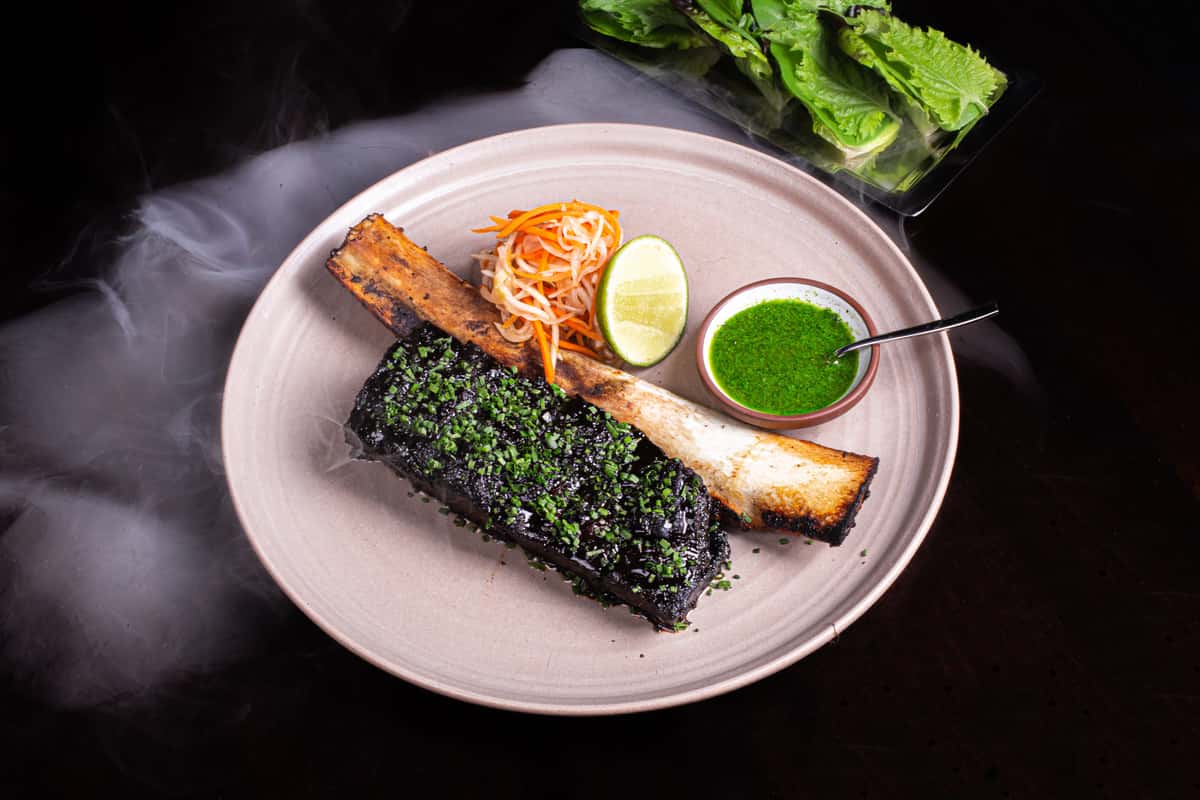
Top chefs in Las Vegas incorporate global ingredients and techniques through fermentation, terroir-driven sourcing, and sustainability-focused menus. Fermentation creates complex flavor profiles while reducing food waste, and terroir-driven storytelling connects each ingredient to its origin. Nearly 40% of diners actively seek locally sourced, sustainable restaurants, according to the MICHELIN Guide's top food trends reporting. Beyond satisfying diner demand, these techniques represent a meaningful creative shift: chefs are treating sustainability not as a constraint but as a culinary framework that produces more interesting, ingredient-honest dishes.
What Role Does Food Tourism Play in Introducing Global Flavors to the Las Vegas Fine Dining Scene?
Food tourism plays a central role in introducing global flavors to the Las Vegas fine dining scene by drawing internationally minded diners who expect authentic representation of diverse cuisines. Restaurants such as Maroon by Kwame Onwuachi (Afro-Caribbean), Gymkhana (Michelin 2-star Indian), Bazaar Meat by José Andrés (Spanish), Cote Vegas (Korean BBQ), and Carbone Riviera (Italian seafood) collectively position Las Vegas as a genuine world-cuisine destination. Prix-fixe menus priced at $68 to $95 have also lowered the barrier to entry, making sophisticated multi-course global dining accessible to a broader range of food travelers visiting the city.
What Innovative Dining Experiences Are Defining Fine Dining Trends in 2026?
Innovative dining experiences in 2026 are defined by immersive tableside theatrics, globally layered tasting menus, and sustainability-driven sourcing. The following sections cover how multi-course formats are evolving, what interactive elements are reshaping guest engagement, and how ethical sourcing is influencing Las Vegas fine dining.
How Is the Multi-Course Tasting Menu Evolving to Feature International Flavors?
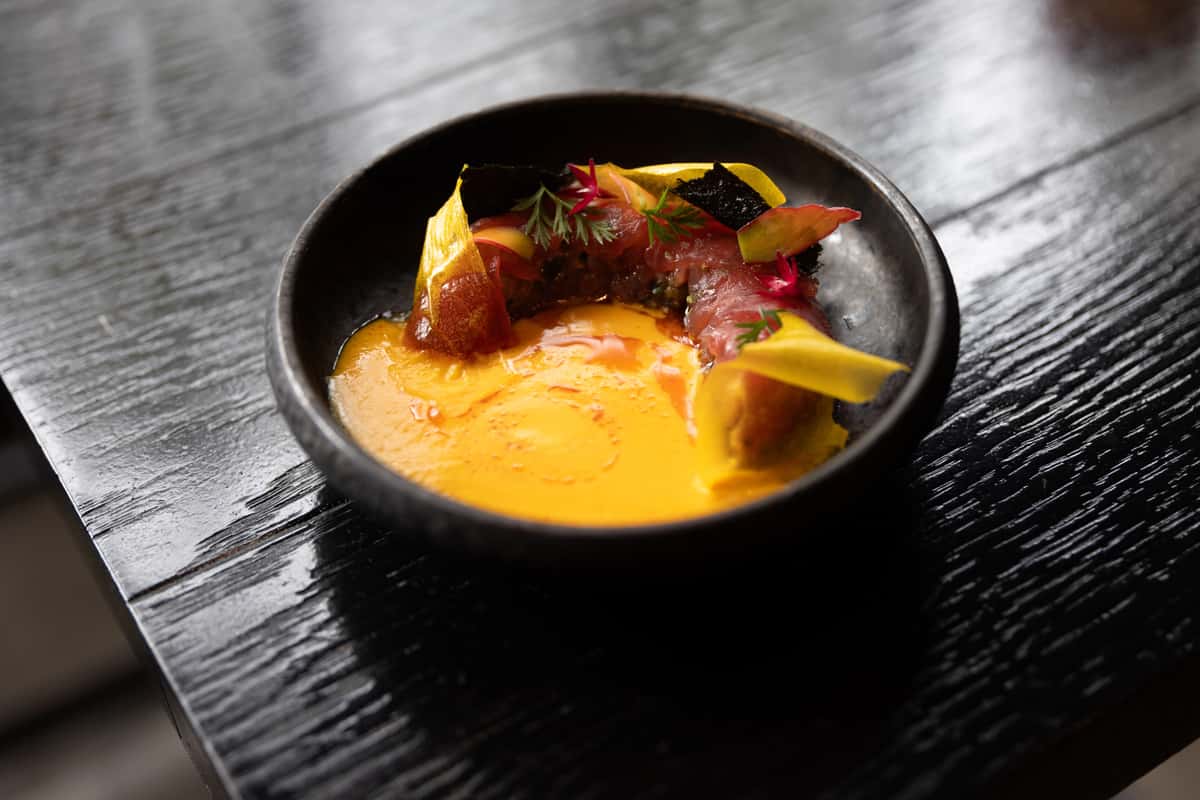
The multi-course tasting menu is evolving into a globe-spanning narrative, weaving Japanese, Mediterranean, Middle Eastern, Southeast Asian, and Australian ingredients across a single progression. According to Observer Magazine's June 2026 report on approachable tasting menus, formats like Bangkok Supper Club's $150 kitchen counter tasting and Junoon's $165 "Journey Through India" demonstrate how international storytelling now anchors the format. Courses build cultural context dish by dish rather than simply varying proteins. Stubborn Seed Las Vegas exemplifies this direction: its tasting menu moves from sake-citrus-cured Japanese yellowtail with chili ferment to harissa lamb fagottelli with pine nut dukkah, spiced barramundi with galangal curry, and Westholme Australian wagyu with fermented soybeans. Each course references a distinct culinary tradition, making the progression itself the experience.
What Interactive or Immersive Elements Are Enhancing the Fine Dining Experience?
Interactive and immersive elements are enhancing the fine dining experience through tableside preparation, pop-up collaborations, and chef-visible kitchen design. According to the 2026 OpenTable Dining Trends Report, experiential dining jumped 46% year-over-year, and 48% of Americans are more likely to book restaurants hosting pop-ups or special experiences. Tableside preparations, including Steak Diane, Duck à l'Orange flambéed, and Lobster Pot Pie carved at the table at venues like Stonehouse Restaurant and Four Seasons Oahu, convert service into performance. These moments give guests visible authorship over their meal. For chefs, that direct visibility carries its own reward: watching a guest react to a dish builds genuine pride in the kitchen team.
How Are Sustainability and Ethical Sourcing Influencing the Las Vegas Fine Dining Scene?
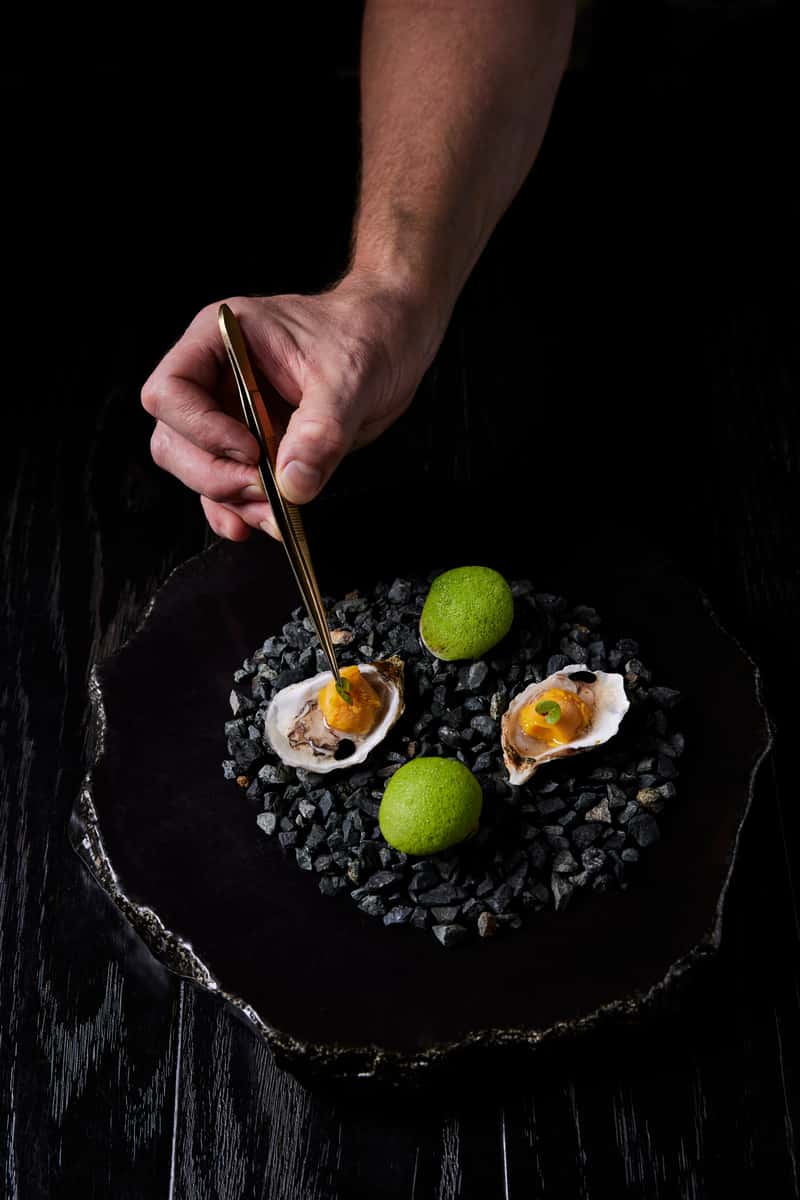
Sustainability and ethical sourcing are influencing the Las Vegas fine dining scene through regenerative agriculture, fermentation-based waste reduction, and ingredient-origin transparency. According to the MICHELIN Guide's top food trends report, nearly 40% of diners actively seek locally sourced, sustainable restaurants. Fermentation techniques serve a dual purpose: they build complex flavor profiles while minimizing ingredient waste. Open Magazine's March 2026 farm-to-table report highlights how micro farming shortens transportation time, with ingredients reaching kitchens within hours of harvest, and how digital menus now display ingredient origins updated daily. Vegetable-forward cooking reinforces this approach, elevating seasonal produce to the same level of sophistication as proteins. Sustainability-first menus are no longer a niche signal; they are increasingly a baseline expectation for serious fine dining guests.
How Are Las Vegas Fine Dining Venues Balancing Sophistication and Approachability?
Las Vegas fine dining venues are balancing sophistication and approachability through prix-fixe pricing, simplified menus, and service practices that invite guests into the experience rather than intimidate them.
What Strategies Are Chefs Using to Make Elevated Cuisine More Accessible?
The strategies chefs are using to make elevated cuisine more accessible include prix-fixe pricing, simplified menu language, limited per-course choices, and allergy accommodations. According to Fine Dining Lovers (June 2026), prix-fixe formats now range from $68 to $95, making multi-course dining achievable for a broader audience. Menus typically offer 2 to 3 choices per course, reducing decision fatigue without sacrificing curation. Smaller portions allow guests to sample more dishes across a single meal. Staff training emphasizes direct chef-guest interaction, and kitchen window visibility lets chefs observe guest reactions in real time, building connection and craft pride. Allergy accommodations ensure no guest feels excluded from the full experience.
How Are Upscale Restaurants Enhancing Guest Communication and Service Accuracy?
Upscale restaurants are enhancing guest communication through staff education, transparent menu descriptions, and formats that set clear expectations before guests are seated. When servers can explain each dish's origin, technique, and flavor profile with confidence, the experience shifts from formal to genuinely engaging. Clear communication about dietary restrictions, course structure, and timing removes the anxiety that has historically made fine dining feel inaccessible to first-time guests. This approach serves both retention and reputation.
What Are the Leading Beverage Trends Complementing Global Culinary Experiences in Las Vegas?
The leading beverage trends complementing global culinary experiences in Las Vegas include story-driven wine pairings, expanding wine-by-the-glass programs, and fast-growing premium non-alcoholic options. The following sections cover innovative cocktail and wine pairings in fine dining, and the rise of zero-proof pairings in upscale restaurants.
Which Innovative Cocktail and Wine Pairings Are Emerging in Fine Dining?
Innovative cocktail and wine pairings in fine dining are shifting toward lighter, story-driven selections from global regions, offered at more accessible price points. Sparkling wine is the fastest-growing category, while attention is expanding to wines from New Zealand, Chile, coastal California, Greece, Spain, and Germany. Wine-by-the-glass programs are growing through Coravin preservation systems, allowing guests to explore premium pours without committing to a full bottle.
According to Sullivan's Steakhouse wine trend data, lamb and red wine pairings rose 17% on fine dining menus since 2024, with "intentional drinking" now driving guests toward wines with documented sustainability practices and regional provenance. This shift reflects a broader appetite for beverages that carry a narrative, not just flavor. At Xuntos in Los Angeles, wine pairings are offered at $50 alongside a $75 tasting menu, compared to the traditional $150 to $400 range, signaling that accessibility is becoming as important as prestige.

How Are Non-Alcoholic Pairings Evolving in Upscale Las Vegas Restaurants?
Non-alcoholic pairings are evolving into a structured, course-by-course experience in upscale restaurants, driven by premium zero-proof brands such as So Jennie Paris and Copenhagen Sparkling Tea. The 2026 Luxury Non-Alcoholic Beverage Report projects the US no-alcohol market will reach approximately $5 billion in value, growing at an 18% volume CAGR through 2028, while traditional beverage alcohol grows at just 1% annually. The MICHELIN Guide recognized non-alcoholic pairings as a key 2026 trend, signaling that zero-proof programs now carry genuine culinary credibility.
So Jennie Paris is served on Qatar Airways First Class and at Four Seasons George V Paris, while Copenhagen Sparkling Tea was called "some of the best no- or low-alcohol drinks" by JancisRobinson.com critic Julia Harding MW. For guests seeking full-spectrum beverage experiences without alcohol, Las Vegas fine dining is increasingly well-positioned to deliver.
How Should You Approach Experiencing Global Fine Dining Trends in Las Vegas with Stubborn Seed?
Experiencing global fine dining trends in Las Vegas with Stubborn Seed begins with its multi-course tasting menu, which spans Japanese, North African, Australian, and Asian flavor profiles. The sections below cover how the tasting menu maps to 2026's global movements and the key takeaways from this article.
Can Stubborn Seed's Multi-Course Tasting Menus Help You Explore 2026's Top Global Flavors?
Yes, Stubborn Seed's multi-course tasting menus can help you explore 2026's top global flavors through a single, cohesive dining experience at Resorts World Las Vegas. Each course reflects a distinct culinary tradition: sake-citrus-cured Japanese yellowtail, harissa lamb fagottelli with pine nut dukkah, fragrant barramundi with galangal curry, and Westholme Australian wagyu with fermented soybeans. Chef Jeremy Ford's vegetable-forward philosophy connects fermentation techniques, terroir-driven ingredients, and global spice profiles within a structured progression. According to Las Vegas Magazine, Stubborn Seed "emphasizes its chef's vegetable-forward philosophy while including a little something for every palate, all in a fun, welcoming space." For diners wanting to trace 2026's most significant international flavor movements in one sitting, this format is arguably the most efficient way to do it in Las Vegas.

What Are the Key Takeaways About Top Fine Dining Trends 2026: Global Flavors Shaping Las Vegas We Covered?
The key takeaways about top fine dining trends 2026 are that global flavors, accessible formats, and experiential design now define the category together. The most actionable conclusions from this article include:
- International cuisines are leading demand, with Thai, Middle Eastern, and Australian flavors growing significantly year over year.
- Tasting menus are the primary vehicle for delivering multi-regional flavor narratives in a single dining occasion.
- Accessibility matters, as sophisticated multi-course dining no longer requires a prohibitive price point or formal intimidation.
- Sustainability and fermentation function as both culinary technique and guest-facing storytelling tools.
- Non-alcoholic pairings are a serious beverage category, not an afterthought, with the US zero-proof market projected to grow 18% CAGR through 2028.
- Experiential design drives bookings, with immersive and interactive elements now expected rather than exceptional.
Stubborn Seed brings these converging forces together in Las Vegas, pairing Michelin-recognized culinary craft with a menu that genuinely moves across continents.