
Top Miami Food Critics & Culinary Influencers
Top Miami Food Critics & Culinary Influencers
Miami's top food critics and culinary influencers are the journalists, editors, and digital creators whose reviews and content shape where locals and visitors choose to eat across the city's diverse dining neighborhoods.
This guide covers the credentials that define leading critics and influencers, the most influential voices in Miami food media, how these figures discover and evaluate restaurants, the signature culinary qualities they spotlight, and how restaurants can build productive relationships with them.
Miami's critic culture rewards deep local roots and ethical journalism. The city's most recognized reviewers hold decades of tenure at major publications, follow professional anonymity standards, and carry national honors that give their evaluations outsized weight on reservation demand.
On the influencer side, creators on Instagram, TikTok, and YouTube have built followings ranging from six figures to millions by documenting Miami's multicultural food scene. Their reach spans Cuban street food in Little Havana, concentrated fine dining in Brickell, and global cuisine across Wynwood; Miami-Dade County's 70.6% Hispanic or Latino population gives local creators a broad culinary palette.
Discovery happens through structured events like Miami Spice (covering over 300 restaurants across 20-plus neighborhoods) and industry gatherings such as the South Beach Wine & Food Festival. Authenticity and FTC-compliant transparency separate credible voices from noise in a competitive market.
For restaurants, engaging this ecosystem requires targeted local creator partnerships, trackable campaigns, and thoughtful review responses. Stubborn Seed exemplifies the dynamic: a Michelin-starred, rotating tasting menu that fuses Asian and Latin influences gives both critics and influencers fresh, visually distinct material with each visit.
What Criteria Define a Leading Food Critic or Culinary Influencer in Miami?
The criteria that define a leading food critic or culinary influencer in Miami include deep local knowledge, editorial credibility, ethical reviewing practices, and cultural fluency across the city's diverse dining neighborhoods. The following sections break down how critics build reputation and what sets Miami's influencers apart nationally.
How Do Food Critics in Miami Build Their Reputation?
Food critics in Miami build their reputation through decades of consistent, ethical journalism rooted in local expertise. According to his biography, Carlos Frías is a bilingual writer and journalist with more than 30 years of experience, a two-time James Beard Award winner for journalism (2018, 2022), and a former six-year Miami Herald food editor with credits in The New York Times food section, Bon Appétit, and The Washington Post.
Similarly, Connie Ogle served as a Miami Herald reporter for more than 35 years before becoming its food editor. That kind of tenure signals something important: the critics who shape Miami's dining conversation earn trust through longevity and firsthand neighborhood knowledge, not viral moments.
Ethical standards reinforce that trust. The Association of Food Journalists ethics code, reproduced by Poynter, states that "restaurant reviews in particular should be conducted as anonymously as possible," recommending unannounced arrivals and payment under a name other than the critic's.
What Makes Miami's Culinary Influencers Stand Out Nationally?
Miami's culinary influencers stand out nationally because they operate at the intersection of multicultural cuisine, bilingual audiences, and visually driven content. The city's dining scene spans Cuban, Haitian, Colombian, Peruvian, and Asian-fusion traditions, giving creators a broader palette of stories than most U.S. food markets offer.
Several Miami-based creators have built followings that compete with influencers in much larger media markets:
- Nico Norena (@succulentbite) holds 2.3M Instagram followers.
- Kevin Escalera (@snackeatingsnackss) reaches 703K followers.
- Giselle Chusan (@explorewithgg) has 261K followers.
- Dana Rozansky (@miami_foodporn) maintains 172K followers.
Consistency and authenticity drive that growth. As Sam Quintana of @biteofmia told Jun Group, "Building an audience on any social media platform really comes down to finding your niche, maintaining consistency, and letting your personality come through."
For restaurants seeking critical attention, understanding how these critics and influencers evaluate quality is the essential first step.
Which Miami Food Critics Are Most Influential in Shaping Local Dining Trends?
The most influential Miami food critics shape local dining trends through decades of institutional journalism and deep community roots. Below, we cover the most recognized reviewers and how their work impacts the culinary scene.
Who Are the Most Recognized Restaurant Reviewers in Miami?
The most recognized restaurant reviewers in Miami are veteran journalists embedded in the city's major publications. Carlos Frías, a two-time James Beard Award winner, spent six years as Miami Herald food editor and has contributed to The New York Times food section, Bon Appétit, and The Washington Post. Connie Ogle, with more than 35 years at the Miami Herald, was named in 2023 as the paper's food editor. Victoria Pesce Elliott, a South Florida native, brought three decades of food writing experience before shifting to art. Nicole Lopez-Alvar, a born-and-raised Miamian, has served as Miami New Times Food and Drink Editor since December 2023. Events like Miami Spice Restaurant Months, held each August and September according to the City of Miami Beach, also amplify critic visibility by concentrating reviewer attention on participating restaurants.
How Have Miami Food Critics Impacted the Local Culinary Scene?
Miami food critics have impacted the local culinary scene by elevating restaurants from neighborhood favorites to nationally recognized destinations. According to Miami New Times, Nicole Lopez-Alvar brings digital journalism experience from WPLG Local 10 News and WSVN 7 News to her editorial coverage, bridging television audiences with print dining culture. The same publication's Best of Miami 2024 awards named Kevin Escalera's Snack Eating Snacks "Best Local TikToker" for his "in-depth food reviews," signaling how traditional editorial outlets now validate digital creators alongside legacy critics. This crossover between institutional journalism and social media amplifies the reach of a single review far beyond its original platform, making critic endorsements one of the most powerful catalysts for reservation demand in Miami.
Who Are Miami's Most Prominent Culinary Influencers on Social Media?
Miami's most prominent culinary influencers on social media are creators who build large followings by documenting local restaurants, food trucks, fine dining, and neighborhood food scenes. The sections below cover which platforms dominate and how these influencers use each channel to reach audiences.
Which Platforms Are Most Popular Among Miami's Culinary Influencers?
The most popular platforms among Miami's culinary influencers are Instagram, TikTok, and YouTube. Instagram serves as the primary hub, where creators share Reels, carousel posts, and Stories featuring restaurant visits across neighborhoods like Wynwood, Brickell, and Little Havana. TikTok is also popular for short-form video reviews, with Miami New Times naming Kevin Escalera's Snack Eating Snacks "Best Local TikToker" in its Best of Miami 2024 awards for his food and snack reviews. YouTube rounds out the trio, giving creators space for longer restaurant walkthroughs and multi-course meal breakdowns. Many Miami food influencers maintain active presences on at least two of these three platforms, with Instagram serving as a primary hub.
How Do Miami Influencers Use Instagram, TikTok, and YouTube to Reach Audiences?
Miami influencers use Instagram, TikTok, and YouTube to reach audiences through short-form video reviews, curated visual storytelling, and longer editorial-style content. Public Instagram snapshots show the follower scale these creators have built: Nico Norena (@succulentbite) at 2.3M followers, Kevin Escalera (@snackeatingsnackss) at 703K, Giselle Chusan (@explorewithgg) at 261K, Dana Rozansky (@miami_foodporn) at 172K, Ivette Lopez (@iviethefoodie) at 159K, Josiah Cafiero (@josiaheats) at 138K, and Giovanny Gutierrez (@chatchowtv) at 100K. Follower count alone does not tell the full story; observed interaction rates on four sampled posts varied widely, from 0.02% to 1.67%. When content is sponsored, the FTC requires disclosures to be "hard to miss," placed within the endorsement itself, and labeled with clear terms like "ad" or "sponsored."
Understanding how these creators operate across platforms helps restaurants evaluate which partnerships align with their goals and audience.
How Do Miami Food Critics and Influencers Discover and Evaluate New Restaurants?
Miami food critics and influencers discover and evaluate new restaurants through tastings, culinary events, industry networking, and anonymous visits. The following subsections cover the role of events and connections, then the importance of authenticity in reviews.
What Role Do Tastings, Events, and Industry Connections Play?
Tastings, events, and industry connections play a central role in how Miami food critics and influencers find new restaurants worth covering. City-wide culinary programs create structured discovery opportunities across dozens of neighborhoods simultaneously. According to the Greater Miami Convention & Visitors Bureau's 2025 release, Miami Spice included more than 300 restaurants across over 20 neighborhoods, offering three-course prix-fixe menus at a minimum of 30% savings, with lunch at $35 and dinner at $45 to $60.
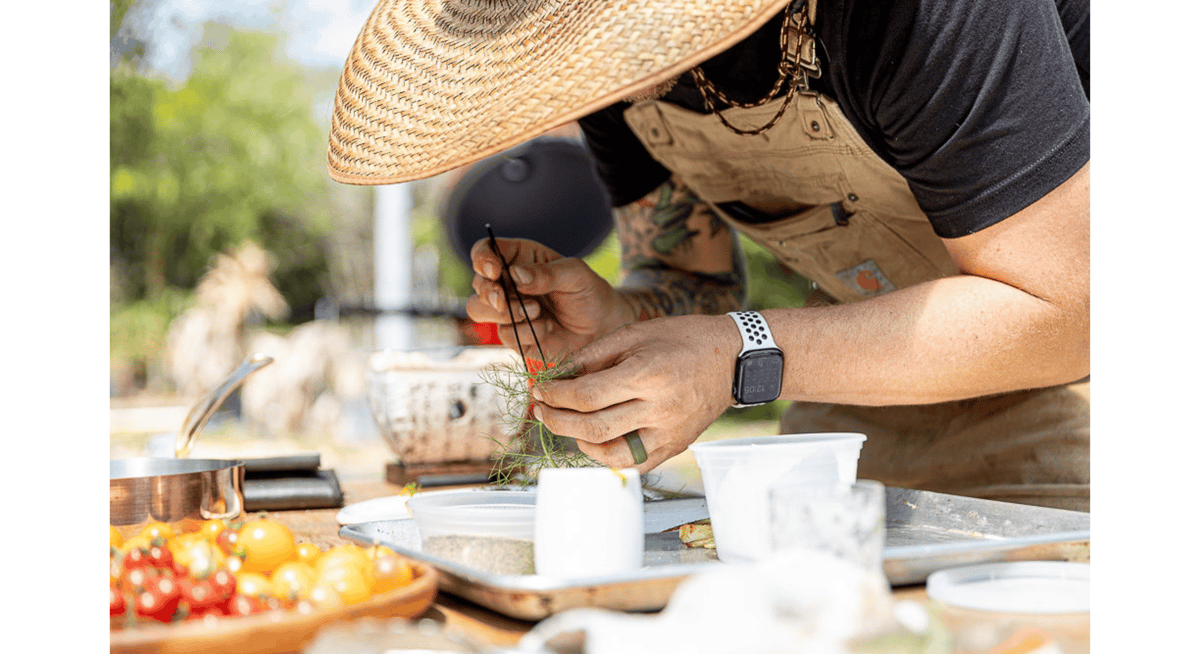
Beyond prix-fixe programs, industry events such as the South Beach Wine & Food Festival and James Beard Foundation dinners connect critics directly with chefs. These gatherings often introduce dishes and culinary concepts before they reach the public. For restaurants seeking critical attention, participating in these high-visibility events remains one of the most effective paths to earned coverage.
How Important Are Authenticity and Transparency in Their Reviews?
Authenticity and transparency are essential to the credibility of Miami food critic and influencer reviews. Professional food journalists follow established ethical standards that prioritize anonymous evaluation. The Association of Food Journalists ethics code, reproduced by Poynter, states that "restaurant reviews in particular should be conducted as anonymously as possible," recommending unannounced arrivals, reservations under another name, and payment under a name other than the critic.
For influencers, transparency takes a different form. FTC guidance requires clear disclosure of sponsored content using terms like "advertisement," "ad," or "sponsored," placed within the content itself rather than buried in a description. Audiences in Miami's competitive dining scene quickly detect inauthentic recommendations, which makes honest evaluation a practical necessity as much as an ethical one.
Understanding how critics and influencers evaluate restaurants reveals what qualities in Miami's culinary scene earn the most attention.
What Are Some Signature Qualities of Miami's Culinary Scene Highlighted by Critics?
Some signature qualities of Miami's culinary scene highlighted by critics are its deep cultural diversity, fusion cuisine rooted in Latin and Asian influences, and iconic local dishes. The sections below explore how critics spotlight this diversity and which restaurants earn consistent acclaim.
How Do Influencers and Critics Spotlight Miami's Diversity and Fusion Cuisine?
Influencers and critics spotlight Miami's diversity and fusion cuisine by centering the city's multicultural identity in their coverage. With Miami-Dade County's Hispanic or Latino population at 70.6%, according to U.S. Census Bureau QuickFacts, the culinary landscape reflects deep Caribbean, Latin American, and Asian roots that critics treat as essential context rather than novelty. Neighborhoods fuel that storytelling: Little Havana anchors traditional Cuban fare, Brickell draws praise for concentrated high-quality dining, and Wynwood offers nearly every global cuisine in a walkable radius. Influencers amplify this by documenting neighborhood-by-neighborhood food discoveries, from street-level ventanitas to refined tasting menus. For critics, fusion is not a trend here; it is the baseline, and that distinction shapes how Miami is reviewed compared to any other American food city.
Which Local Dishes or Restaurants Frequently Receive Critical Acclaim?
The local dishes and restaurants that frequently receive critical acclaim in Miami include cafecito, guava pastelitos, croquetas, and chef-driven tasting menus that layer Latin and Asian techniques. The University of Miami's 2024 guide calls guava pastelito and ham or chicken croqueta "the staple Miami breakfast" and notes that cafecitos, adapted from the Cuban mainstay, "fuel the city of Miami all day long." On the fine-dining side, the Michelin Guide describes Stubborn Seed as "Contemporary, American" with "Latin and Asian influences," highlighting dishes like celery-root croquette with beef bacon jam and ricotta gnudi with Manchego foam. Sourcing also earns recognition; many ingredients come from the team's organic five-acre farm in Redland. When critics consistently praise both street-level classics and ambitious tasting menus, it signals a culinary scene with unusual range.
How Can Local Restaurants Engage With Miami's Food Critics and Influencers?
Local restaurants can engage with Miami's food critics and influencers by partnering with local creators, tracking measurable results, and responding thoughtfully to public reviews. The strategies below cover outreach tactics and review management.
What Strategies Do Successful Restaurants Use to Attract Influencer Attention?
Successful restaurants use targeted local creator partnerships, trackable campaigns, and genuine relationship-building to attract influencer attention. According to a January 2025 roundup by The Adventurist Magazine, Miami's active culinary creator pool includes Kevin Escalera (@snackeatingsnackss), Giovanny Gutierrez (@chatchowtv), Giselle Chusan (@explorewithgg), Nico Norena (@succulentbite), Dana Rozansky (@miami_foodporn), Josiah Eats (@josiaheats), and others covering everything from food trucks to fine dining.
Effective outreach strategies include:
- Inviting creators whose content aligns with your cuisine and audience for complimentary tastings.
- Assigning unique discount codes and UTM parameters to each collaboration so you can measure direct impact.
- Monitoring reservation spikes and POS redemption data after each post goes live.
Prioritizing creators who already cover your neighborhood or cuisine style tends to produce far more qualified traffic than chasing follower counts alone.
How Should Restaurants Respond to Reviews, Both Positive and Negative?
Restaurants should respond to reviews, both positive and negative, with promptness, professionalism, and specificity. A 2026 5WPR article by Leigh Ann Ambrosi recommends checking creators' comments, saves, and shares when vetting influencers, since they matter more than follower counts.
For positive reviews, acknowledge the specific details the critic or influencer highlighted. This reinforces the dining experience they described and signals to future guests that management pays attention. For negative reviews, address concerns directly without defensiveness; offer to resolve the issue offline when appropriate. Generic copy-paste replies erode credibility faster than silence does.
Every public response doubles as marketing content visible to prospective diners, so treating review management as a brand communication channel produces compounding returns over time.
How Does Dining at Stubborn Seed Relate to Miami's Food Critic and Influencer Culture?
Dining at Stubborn Seed connects directly to Miami's food critic and influencer culture through sustained critical recognition and a rotating tasting menu designed for visual and editorial storytelling. The sections below explore how the restaurant earns coverage and what key takeaways emerge from Miami's broader critic landscape.
How Does Stubborn Seed's Multi-Course Tasting Menu Capture the Attention of Food Critics and Influencers?
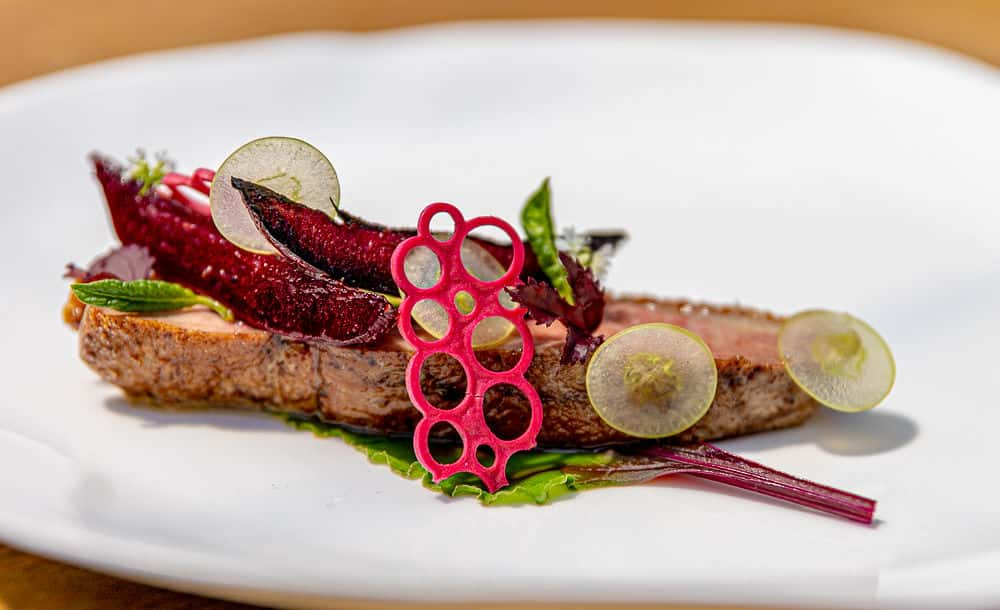
Stubborn Seed's multi-course tasting menu captures critic and influencer attention through its rotating compositions, fusion identity, and consistent accolade recognition. According to a 2026 Miami Herald report, Stubborn Seed was the only Miami-area restaurant in the latest 50 Best Discovery roundup; the guide noted that the restaurant fuses "Asian and Latin influences" and that "dishes rotate every few weeks," highlighting plates such as Japanese yellowtail with tomato consommé and umami citrus granita, and braised leek and Gruyère ravioli with potato espuma and crispy smoked pork belly.
That kind of dish complexity, paired with frequent menu changes, gives critics fresh material and gives influencers visually distinct content each visit. Stubborn Seed earned a Michelin star in 2022 and has retained it, which keeps the restaurant in editorial rotation for both traditional reviewers and social media creators seeking credible fine-dining experiences in Miami Beach.
What Are the Main Takeaways About Top Miami Food Critics and Culinary Influencers Covered Here?
The main takeaways about top Miami food critics and culinary influencers are:
- Miami's critic culture rewards deep local roots; figures like Victoria Pesce Elliott, a South Florida native, built three decades of experience as a journalist and food writer.
- The city's culinary identity spans distinct neighborhoods. As the University of Miami's 2024 guide notes, Brickell offers "some of the best eats in Miami," while "just about every type of cuisine can be found within the Wynwood and Design District areas."
- Critics and influencers serve complementary roles: critics provide editorial credibility and long-form evaluation, while influencers generate visual reach and real-time discovery.
- Restaurants that combine rotating menus, recognized accolades, and culturally layered cuisine consistently earn attention from both audiences.
For anyone navigating Miami's dining landscape, understanding this ecosystem of critics and creators is essential to identifying where the most compelling culinary experiences emerge.