
Unique Dining Concepts in Miami: Top Experiences
Unique Dining Concepts in Miami: Top Experiences
Unique dining concepts in Miami are restaurant experiences that go beyond conventional meals by combining innovative formats, multi-sensory environments, and chef-driven creativity rooted in the city's multicultural identity.
This guide covers Miami's innovative restaurant formats and culinary talent pipeline, multi-sensory and tasting menu experiences, hyper-local and seasonal menus, themed and atmosphere-driven venues, contemporary fine dining, and waterfront al fresco culture.
Miami's restaurant landscape spans luxury rooftop venues, intimate omakase counters, and high-atmosphere experiential concepts. Formats like eight-seat hidden restaurants and 10,000-square-foot culinary food halls reflect a market where experiential dining consistently outperforms conventional models in both revenue and guest loyalty.
Tasting menus anchor some of the city's most memorable meals, with multi-course progressions built around seasonal ingredients and paired with design-forward interiors where lighting, sound, and spatial flow amplify every course.
Seasonally curated menus thrive in Miami's subtropical climate, where distinct wet and dry seasons shift what local farms and waters yield. Chef-driven restaurants on the mainland and Miami Beach source directly from South Florida growers and fisheries, letting ingredients dictate creative direction.
Themed venues leverage Miami's year-round tropical weather, Atlantic sea breeze, and neighborhood-specific identities across Wynwood, Brickell, and Miami Beach to create atmospheres that go well beyond the plate.
Contemporary fine dining replaces rigid formality with evolving seasonal menus, artistic plating, and immersive storytelling. Stubborn Seed exemplifies this movement through its multi-course tasting format, where Chef Jeremy Ford builds each course around what the season provides.
Waterfront and al fresco settings complete the picture, turning Miami's consistent patio weather into a competitive advantage that drives higher dining frequency than most major U.S. cities.
How Does Miami's Culinary Scene Define Unique Dining Concepts?
Miami's culinary scene defines unique dining concepts through innovative restaurant formats and a deep talent pipeline of creative chefs. The sections below explore popular formats and the forces drawing top culinary talent to the city.
What Types of Innovative Restaurant Formats Are Popular in Miami?
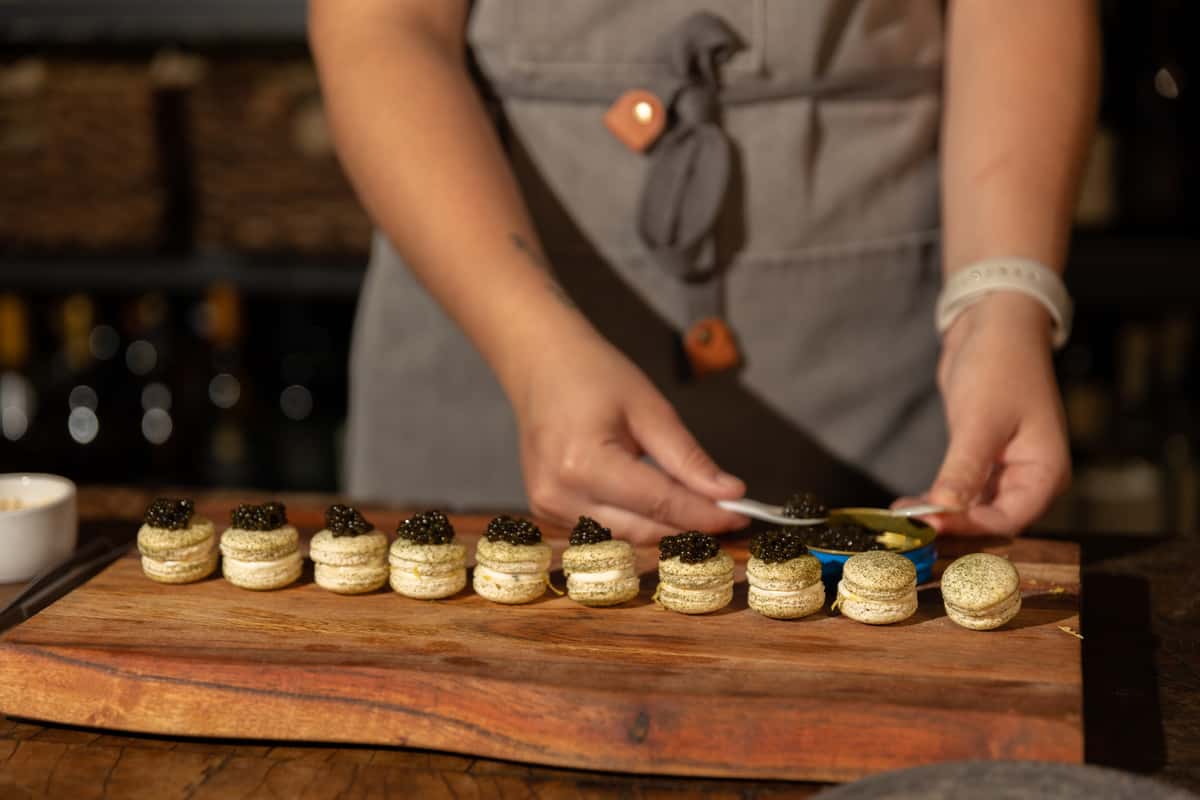
The types of innovative restaurant formats popular in Miami include luxury rooftop venues, intimate omakase counters, and high-atmosphere experiential concepts. According to AOL, MILA in Miami Beach became the top-grossing independent restaurant in the United States in 2024, generating over $51.2 million in annual sales. The omakase format has evolved into hyper-exclusive experiences; Hiden, an eight-seater hidden restaurant in Wynwood, serves 8-10 courses of high-quality fresh fish. With 55% of consumers preferring in-restaurant dining over takeout for atmosphere and socializing, these niche formats thrive. Retail food sales in the Miami area reached $2.28 billion in 2024, a 4% year-over-year increase fueled by new hotel and restaurant openings. For anyone exploring Miami's dining landscape, experiential formats consistently outperform conventional models in both revenue and guest loyalty.
Why Are Creative Chefs and Restaurateurs Drawn to Miami?
Creative chefs and restaurateurs are drawn to Miami because the city offers a rare convergence of multicultural influences, a year-round dining culture, and an adventurous consumer base. Miami's culinary evolution was significantly shaped by the "New World Cuisine" movement in the 1990s, pioneered by chefs like Norman Van Aken and Allen Susser, who fused Latin, Caribbean, and Asian flavors into a distinct regional identity. That foundation created a city where boundary-pushing cuisine is not just welcomed but expected. Ambitious chefs find in Miami a built-in audience willing to embrace innovation, making it one of the most creatively rewarding markets in the country.
Understanding what draws top talent to Miami helps explain why the city's restaurants push boundaries with multi-sensory experiences.
Which Miami Restaurants Offer the Most Memorable Multi-Sensory Dining Experiences?
Miami restaurants offer memorable multi-sensory dining experiences through carefully composed tasting menus and immersive atmospheres. The sections below explore standout tasting menu formats and how ambiance and presentation elevate a meal beyond flavor alone.
What Are Examples of Tasting Menus That Stand Out in Miami?
Examples of tasting menus that stand out in Miami range from intimate multi-course progressions to expansive culinary collectives that layer variety into a single visit. Stubborn Seed offers both a 6-course and a 9-course tasting menu, each built around seasonal ingredients that shift throughout the year. Beyond traditional tasting formats, culinary collectives create their own form of curated discovery. According to Resy, 1-800-Lucky is a 10,000-square-foot Asian-inspired food hall in Wynwood housing seven different eateries under one roof, offering diners a self-guided tasting journey across multiple cuisines in a single venue. For diners seeking depth over breadth, a focused seasonal tasting menu remains the most effective way to experience a chef's full creative vision.
How Do Ambiance and Presentation Enhance Miami's Dining Experiences?
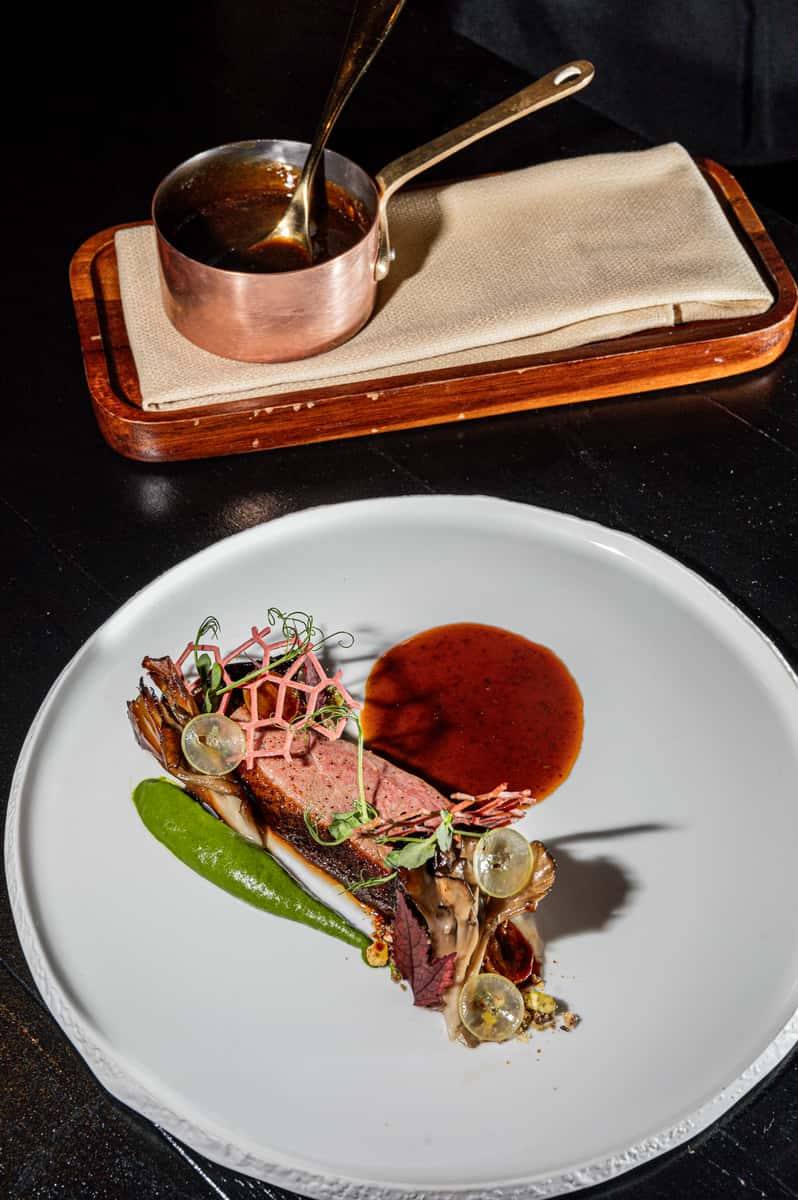
Ambiance and presentation enhance Miami's dining experiences by transforming a meal into a layered sensory event where sight, sound, and spatial design amplify every course. Lighting, plating geometry, and room acoustics all shape how diners perceive flavor intensity and emotional connection to food. Miami's tropical setting adds another dimension; restaurants that incorporate natural elements, open-air transitions, or oceanfront proximity create environments where the boundary between indoor dining and the surrounding landscape dissolves. Sourcing decisions also play a quiet role in presentation credibility. The USDA implemented stricter guidelines for organic alcohol imports in 2024, requiring enhanced documentation that affects how high-end establishments curate international wine and spirits programs. Thoughtful ambiance is never decorative filler; it is the architectural framework that makes a great dish unforgettable.
Where Can You Find Restaurants in Miami Focused on Hyper-Local or Seasonal Menus?
Restaurants in Miami focused on hyper-local or seasonal menus can be found across neighborhoods like Miami Beach, the mainland corridor, and Wynwood. The sections below cover why seasonal menus resonate with Miami diners and which spots showcase local ingredients most effectively.
Why Do Seasonally Curated Menus Matter to Miami Diners?
Seasonally curated menus matter to Miami diners because they reflect the freshest ingredients available during each growing cycle, delivering peak flavor and supporting regional agriculture. Miami's subtropical climate produces year-round harvests, yet distinct wet and dry seasons shift what local farms and waters yield at any given time.
Menus built around these natural rhythms offer several advantages:
- Dishes feature produce, seafood, and proteins at their highest quality.
- Ingredient sourcing stays closer to the restaurant, reducing transit time.
- Chefs can introduce rotating preparations that reward repeat visits.
- Pricing remains more stable when kitchens work with abundant, in-season supply.
As Executive Chef Javier Lopez notes, "Seasonality, creativity, and teamwork come together to let the ingredients shine." For diners seeking more than a static menu, seasonal curation turns each visit into a distinct culinary moment shaped by what the land and ocean provide that week.
Which Spots Highlight Local Ingredients in Their Unique Offerings?
The spots that highlight local ingredients in their unique offerings include chef-driven restaurants on the mainland, Miami Beach tasting-menu venues, and neighborhood concepts sourcing directly from South Florida farms and fisheries. Chef Norman Van Aken describes this mainland shift: "It is primarily on the mainland that I am seeing and tasting foods that reforge an identity that nearly faded altogether... spiritually far from the glitzy hotel scenes of South Beach."
Key approaches these restaurants use include:
- Multi-course tasting menus that rotate entirely with seasonal availability.
- Direct partnerships with local growers for herbs, tropical fruits, and specialty greens.
- Daily-changing preparations driven by what arrives fresh from nearby waters.
Stubborn Seed on Miami Beach exemplifies this philosophy through its tasting menu format, where Chef Jeremy Ford builds each course around seasonal sourcing. The menu shifts regularly, ensuring local ingredients dictate the creative direction rather than a fixed recipe list. For diners exploring Miami's hyper-local dining landscape, tasting menus offer the most concentrated expression of what the region produces.
What Dining Venues in Miami Offer Unexpected Atmospheres or Themes?
Miami dining venues offer unexpected atmospheres through theatrical decor, climate-driven outdoor settings, and immersive themed concepts. The following sections explore how design choices shape restaurant identity and which venues deliver the most distinctive themed experiences.
How Do Decor and Setting Contribute to a Restaurant's Uniqueness?
Decor and setting contribute to a restaurant's uniqueness by transforming a meal into a multisensory experience that guests remember beyond the food itself. Thoughtful interior design, lighting, and spatial layout establish an emotional tone before the first course arrives.
Elements that elevate a restaurant's atmosphere include:
- Architectural storytelling, where materials and layout reflect a culinary philosophy or cultural narrative.
- Lighting design, which shifts mood from intimate warmth to dramatic energy depending on the concept.
- Spatial flow, guiding guests through distinct zones that build anticipation throughout the evening.
- Sensory layering, combining sound, scent, and visual cues to reinforce the dining theme.
In Miami, where competition for attention is fierce, restaurants that invest in cohesive design identity consistently stand apart. A striking setting does more than attract diners; it anchors the entire experience in memory, making the venue itself inseparable from the cuisine.
What Are Some Notable Miami Venues with Themed Dining Experiences?
Some notable Miami venues with themed dining experiences include immersive performance-driven restaurants, exclusive hidden concepts, and venues shaped by the city's tropical environment. According to a 2025 Current Backyard city dining analysis, Miami ranks as America's top-rated dining city with a restaurant quality score of 6.94 out of 10.
Key factors that shape Miami's themed dining landscape include:
- Year-round tropical climate, which makes outdoor dining a central pillar of local food culture, driving higher dining frequency than other major U.S. cities.
- Atlantic sea breeze influence, where geographic factors like consistent coastal winds create a natural ambiance that indoor-only cities cannot replicate.
- Neighborhood-specific identity, with areas like Wynwood, Miami Beach, and Brickell each fostering distinct venue personalities.
For diners seeking an atmosphere that goes beyond the plate, Miami's themed venues reward exploration. Understanding how fine dining elevates these concepts further reveals the full scope of the city's culinary ambition.
How Is Contemporary Fine Dining Redefining Luxury in Miami's Food Scene?
Contemporary fine dining is redefining luxury in Miami's food scene by replacing rigid formality with seasonal creativity, chef-driven storytelling, and multi-sensory tasting menus. The sections below explore what makes fine dining "contemporary" in Miami and which restaurants lead this modern upscale movement.
What Makes a Fine Dining Experience 'Contemporary' in Miami?
A fine dining experience is "contemporary" in Miami when it prioritizes evolving seasonal menus, artistic plating, and immersive atmospheres over traditional white-tablecloth rigidity. Contemporary restaurants in this city blend multicultural influences with modernist techniques, reflecting Miami's Latin, Caribbean, and Asian culinary roots.
Several elements distinguish contemporary fine dining from its classical counterpart:
- Tasting menus that rotate with seasonal ingredient availability rather than offering static à la carte selections.
- Open collaboration between chefs and diners, often through visible kitchen stations that invite guests into the creative process.
- Curated beverage pairings designed to complement each course as a unified narrative.
- Design-forward interiors where lighting, music, and spatial flow contribute to the overall sensory experience.
For most diners seeking something beyond a conventional upscale meal, these elements combine into an experience that feels personal rather than performative. That shift toward intimacy and craft is what separates contemporary fine dining from traditional luxury.
Which Restaurants Are Leading the Way in Modern Upscale Dining?
The restaurants leading the way in modern upscale dining in Miami are those combining Michelin-recognized culinary standards with inventive, seasonally driven formats. Stubborn Seed, led by Chef Jeremy Ford, exemplifies this approach with its multi-course seasonal tasting menus that showcase evolving creativity each visit.
According to a 2024 Paperchase industry report, food costs for U.S. restaurants rose by an average of 6.8%, representing a 35% increase over February 2020 levels, which has significantly pressured fine dining margins. Despite these challenges, Miami's top contemporary restaurants continue investing in ingredient quality and guest experience rather than cutting corners.
Neighborhoods like Miami Beach and Brickell now anchor this modern upscale movement, with Michelin-recognized kitchens drawing both local professionals and international visitors. Understanding which restaurants prioritize this balance helps diners identify where waterfront and al fresco settings further elevate the experience.
What Role Does Waterfront or Al Fresco Dining Play in Miami's Distinctive Food Culture?
Waterfront and al fresco dining define Miami's food culture by merging year-round tropical climate with culinary innovation. The sections below explore how outdoor settings enhance the experience and where to find the best al fresco restaurants.
How Do Outdoor and Waterfront Settings Enhance the Dining Experience?
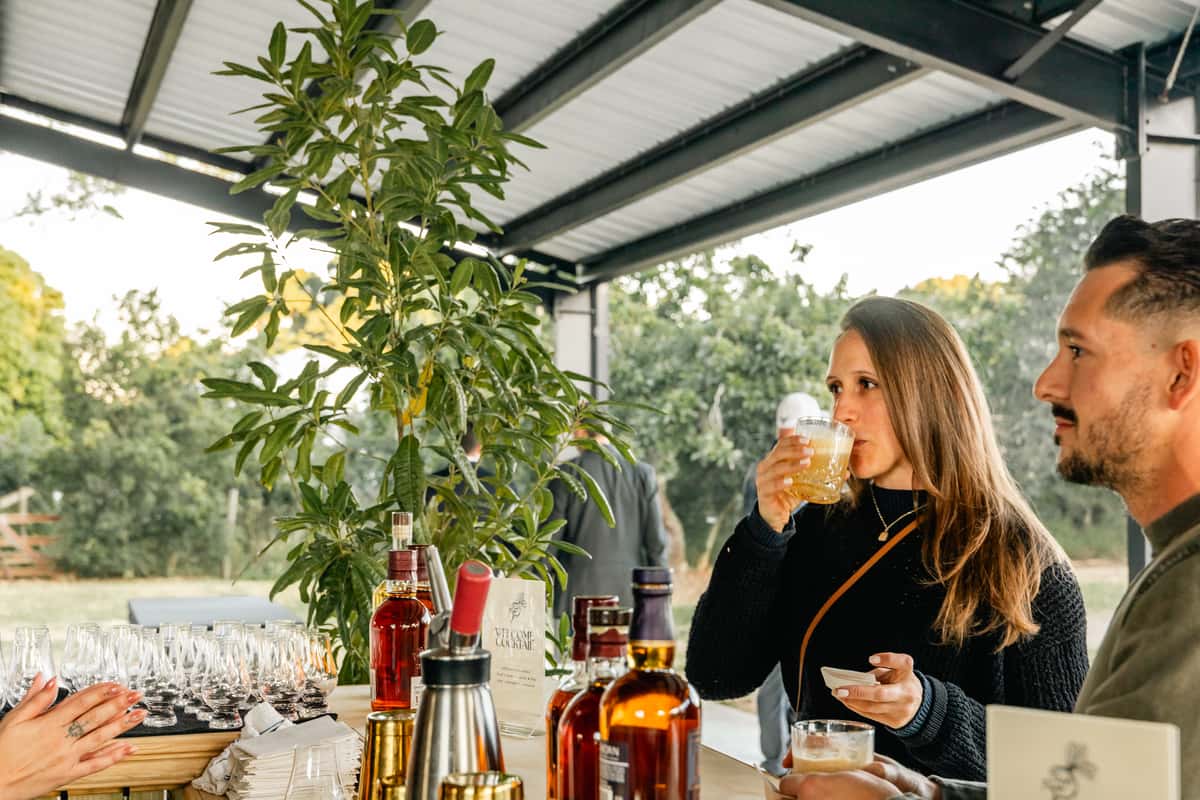
Outdoor and waterfront settings enhance the dining experience by engaging the senses beyond the plate. Miami's consistent "patio weather" drives higher dining frequency compared to other major U.S. cities, turning the tropical climate into a competitive advantage few destinations can match. The Atlantic sea breeze, warm evenings, and open skies create an atmosphere that indoor spaces simply cannot replicate.
According to a 2024 Tourism Analytics report, waterfront dining in Miami Beach remains the most popular location for Floridians' lodging and dining activities, followed closely by Downtown Miami and Brickell. That popularity reflects something deeper than scenery; water proximity slows the pace of a meal, encourages longer stays, and elevates perceived value. For restaurants, this translates into stronger guest satisfaction and repeat visits. Al fresco concepts that thoughtfully integrate their natural surroundings often outperform enclosed venues in guest engagement, particularly during Miami's cooler months from November through April.
Where Are Miami's Best Al Fresco Restaurants Located?
Miami's best al fresco restaurants are located across several distinct neighborhoods, each offering a different outdoor dining character:
- Miami Beach hosts waterfront venues along Ocean Drive and Collins Avenue, where ocean views and sea breezes set the tone for upscale casual meals.
- Coconut Grove features garden-style patios surrounded by tropical canopy, offering a quieter, neighborhood-driven atmosphere.
- Brickell and Downtown Miami provide high-energy urban terraces with skyline views, attracting professionals and visitors drawn to walkable dining corridors.
- Wynwood delivers artsy courtyard dining amid colorful murals and open-air food halls.
According to a 2024 report by Current Backyard, outdoor dining in Miami remains a central pillar of local food culture, with consistent patio weather driving higher dining frequency than other major U.S. cities. The best al fresco spots leverage their specific neighborhood identity, whether that means bay views, garden settings, or street-level energy, to create experiences inseparable from their surroundings.
Understanding how location shapes al fresco dining helps frame why upscale tasting menus add another layer to Miami's culinary identity.
How Should You Explore Unique Miami Dining Concepts Through Upscale Tasting Menus?
You should explore unique Miami dining concepts through upscale tasting menus by seeking restaurants that combine seasonal creativity, chef-driven courses, and immersive atmospheres. The following sections cover how Stubborn Seed elevates that experience and the key takeaways from this guide.
Can Stubborn Seed's Contemporary Fine Dining Tasting Menu Elevate Your Miami Dining Experience?
Yes, Stubborn Seed's contemporary fine dining tasting menu can elevate your Miami dining experience by combining seasonal coursework, refined hospitality, and a chef-driven approach that stands apart from theatrical or high-energy formats. While immersive concepts like Marion and Barton G. lean on live performances and dramatic props, Stubborn Seed centers the experience on the food itself. Led by Chef Jeremy Ford, the restaurant offers both a 6-course and 9-course tasting menu that shifts with seasonal ingredients.
Critics on Yelp describe it as a "must-do" experience where "the combination of exceptional service, great food, reasonable pricing, and genuine hospitality is unbeatable." Located in Miami Beach, Stubborn Seed benefits from the area's walkable dining culture, which continues attracting Michelin-recognized restaurants and high-income professionals. For diners seeking substance over spectacle, this format consistently delivers.
What Are the Key Takeaways About Unique Dining Concepts in Miami: Top Experiences We Covered?
The key takeaways about unique dining concepts in Miami are that the city's culinary scene rewards diners who seek variety, from immersive theatrical venues to intimate chef-driven tasting menus. The most actionable insights from this guide include:
- Miami's innovative formats span omakase counters, rooftop dining, food halls, and multi-course tasting experiences.
- Seasonal menus and hyper-local ingredients define the restaurants that earn lasting recognition.
- Ambiance, presentation, and setting play measurable roles in how memorable a dining experience feels.
- Waterfront and al fresco options remain central to the city's food identity.
- Contemporary fine dining, as offered at Stubborn Seed, prioritizes culinary craft and hospitality over theatrical flash.
For diners ready to experience this approach firsthand, Stubborn Seed offers a refined entry point into Miami's most compelling dining landscape.