
What Are Restaurant Tasting Menus? Your Guide
What Are Restaurant Tasting Menus? Your Guide
A restaurant tasting menu is a multi-course, fixed-price dining format where a chef presents a curated sequence of dishes designed to showcase technique, seasonal ingredients, and creative vision.
This guide covers the origins and purpose of tasting menus, what the dining experience involves, pricing and logistics, who they serve best, seasonal menu curation, Michelin-starred standards, and how Stubborn Seed in Miami applies these principles.
Tasting menus emerged from centuries of culinary tradition, from Japanese kaiseki rooted in Zen monasticism to Auguste Escoffier's kitchen reforms in Europe. Restaurants today use the format to reduce waste, streamline operations, and give chefs a platform for cohesive storytelling across every plate.
A typical experience ranges from five to 30 courses served at a deliberate pace over two to three hours, with each plate building on the last. Servers guide guests through ingredients and preparation, transforming dinner into an event rather than a transaction.
Pricing covers all courses in a single fixed cost, with wine pairings offered separately and often adding $188 to $300. Reservations require advance booking, credit card holds are common, and cancellation fees average $56 across the industry.
The format suits anniversaries, corporate dinners, and culinary tourism; the U.S. culinary tourism market alone reached nearly $2.7 billion in 2024. Dietary accommodations are available when communicated early, since most restaurants require the entire table to participate.
Seasonal sourcing drives menu changes every few weeks to every few months, while Michelin-starred kitchens distinguish themselves through ingredient quality, flavor harmony, technique mastery, and consistency. At Stubborn Seed, Chef Jeremy Ford applies these standards through New American cuisine infused with Latin and Asian influences, sourcing from the team's organic five-acre farm in Redland.
Why Do Restaurants Offer Tasting Menus?
Restaurants offer tasting menus to showcase culinary creativity, reduce waste, and deliver a curated multi-course experience. The benefits extend to both diners and chefs, rooted in a tradition that spans centuries.
How Do Tasting Menus Benefit Diners and Chefs?
Tasting menus benefit diners and chefs by aligning creative expression with operational efficiency. For guests, the format provides a guided journey through a chef's vision, offering dishes they might never order individually. Each course builds on the last, creating a cohesive narrative of flavors and techniques.
For chefs, the advantages are equally compelling:
- Precise ingredient purchasing reduces food waste significantly.
- Predictable guest counts simplify kitchen workflow and staffing.
- Fixed menus allow deeper focus on technique and presentation per dish.
- Revenue becomes more consistent compared to à la carte service.
According to Chef Joseph Flamm, tasting menus involve far less waste, allowing restaurants to maintain a much more consistent financial outlook (Marketplace, 2016). For restaurants operating on thin margins, this predictability is not just convenient; it is essential to survival.
What Is the History Behind Tasting Menus in Restaurants?
The history behind tasting menus in restaurants traces back centuries across multiple culinary traditions. Japanese kaiseki cuisine, rooted in Zen Buddhist monasticism, established the philosophy of sequential, seasonally driven courses long before Western fine dining adopted similar structures. The term "kaiseki" itself translates to "stones in the bosom," referencing monks who carried warm stones to suppress hunger during meditation, according to JAPAN HOUSE Los Angeles.
In Europe, Georges Auguste Escoffier transformed professional kitchens by introducing station-based organization, fixed-price menus, and lighter preparations that replaced heavy classical French cooking. These innovations laid the groundwork for the structured, multi-course format that modern tasting menus follow today. What began as monastic simplicity and kitchen reform has evolved into one of fine dining's most celebrated expressions.
With this historical foundation in place, the next section explores what a tasting menu experience actually looks and feels like.
What Can You Expect From a Typical Tasting Menu Experience?
A typical tasting menu experience delivers a multi-course progression of chef-curated dishes served at a deliberate, unhurried pace. The following sections cover course counts and the distinct rhythm of service.
How Many Courses Are Usually Included in a Tasting Menu?
The number of courses included in a tasting menu varies widely by restaurant. According to the Auguste Escoffier School of Culinary Arts, tasting menus can range from five to 30 distinct plates depending on the restaurant, and an entire table must participate as part of the "all or none" rule. Most fine dining establishments settle between five and twelve courses, with each plate designed as a small, focused expression of a single idea or ingredient. Stubborn Seed in Miami offers both a 6-course and a 9-course tasting menu. Shorter menus tend to highlight bold, concentrated flavors, while longer formats allow chefs to build a more gradual narrative arc across the meal.
How Is the Pace and Service Different With Tasting Menus?
The pace and service with tasting menus are deliberately slower and more orchestrated than standard dining. Rather than ordering and receiving a single entrée, guests move through courses timed to allow full appreciation of each plate before the next arrives. Servers often present each course with a brief explanation of ingredients and preparation, transforming the meal into a guided experience.
This measured pacing also reflects a kitchen philosophy rooted in precision. According to a 2024 RMIT University report, low-waste menus are often structured with one core item per course to remain successful and hospitable while setting limits on the variety and quantity of foods served. For diners, the result is an evening that unfolds over two to three hours, making the meal itself the occasion.
Understanding this pacing helps frame how tasting menus are priced compared to traditional dining formats.
How Are Tasting Menus Priced Compared to Traditional Menus?
Tasting menus are priced as a single fixed cost covering all courses, unlike traditional menus where guests select and pay per dish. Wine pairings and reservation policies shape the total investment.
Are Wine Pairings and Beverage Options Included With Tasting Menus?
Wine pairings and beverage options are typically offered as a separate add-on rather than included in the base tasting menu price. Most restaurants present an optional pairing, where a sommelier selects wines matched to each course. Rising operational costs across the industry have pushed wine pairings to between $188 and $300 at many upscale establishments, according to a TastingTable analysis of luxury dining trends. Non-alcoholic pairing programs, featuring craft mocktails, specialty teas, or artisanal juices, have become increasingly common for guests who prefer alternatives. Because pairings can significantly increase the total cost, asking about beverage options during the reservation process helps guests plan accordingly.
What Should Guests Know About Reservations and Cancellations for Tasting Menus?
Guests should know that reservations for tasting menus almost always require advance booking, and most fine dining restaurants enforce cancellation fees. According to SevenRooms' Q4 2023 U.S. client data, the average restaurant cancellation fee is $56. Tasting menu restaurants often set stricter policies because kitchens prepare ingredients specifically for confirmed guest counts, making last-minute no-shows particularly costly.
Key reservation considerations include:
- Many restaurants require credit card holds or prepayment when booking a tasting menu.
- Cancellation windows typically range from 24 to 72 hours before the reservation time.
- Entire tables must usually commit to the tasting menu, so coordinating with your party beforehand avoids complications.
- Dietary restrictions should be communicated at the time of booking so the kitchen can plan substitutions.
For anyone exploring tasting menus in Miami, these policies reflect how carefully each experience is planned from start to finish.
Who Typically Chooses a Tasting Menu, and Why?
Tasting menus attract diners seeking curated, multi-course experiences beyond standard ordering. The occasions that suit them best and the dietary flexibility they offer make them accessible to a wide range of guests.
What Occasions Are Ideal for Choosing a Tasting Menu?
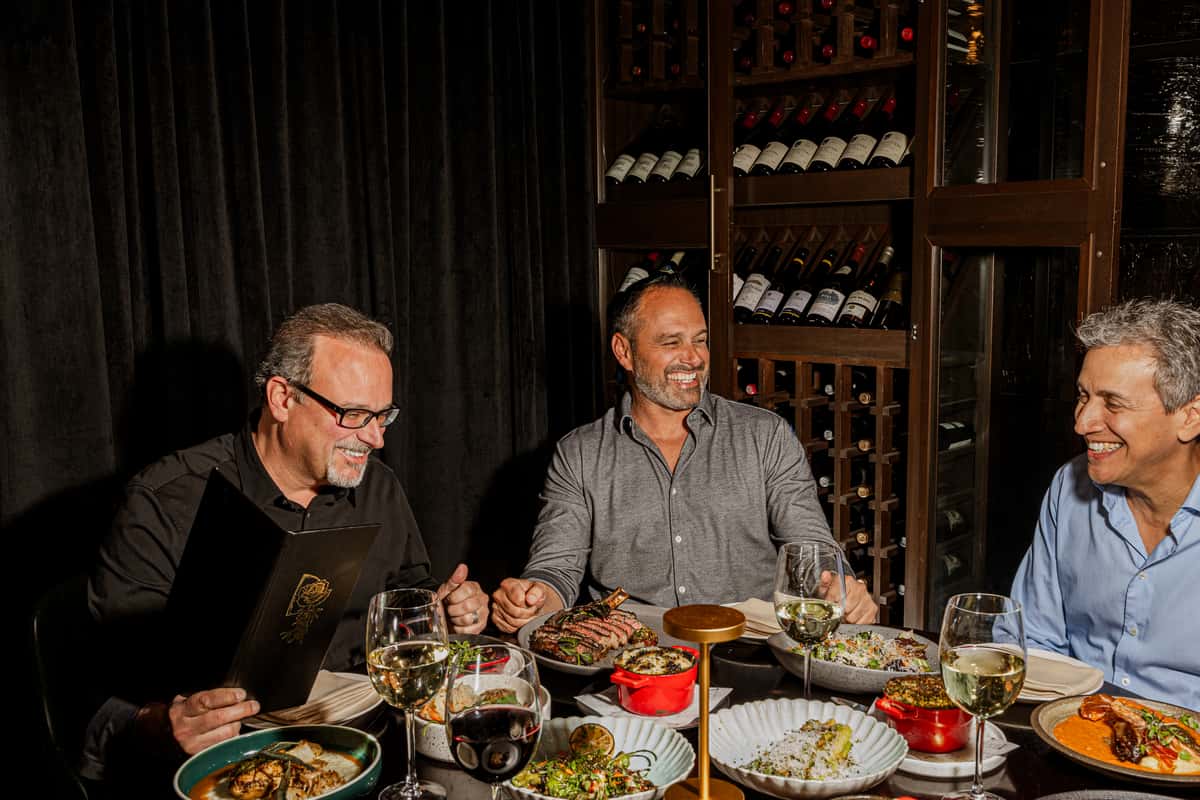
The occasions ideal for choosing a tasting menu include celebrations, milestone events, and immersive culinary experiences that call for something beyond a typical dinner. Anniversaries, birthdays, and special date nights rank among the most common reasons guests commit to a multi-course format. Corporate entertaining and client dinners also benefit, since the fixed structure removes the pressure of ordering. Culinary tourists increasingly seek tasting menus as destination experiences; according to Grand View Research, the U.S. culinary tourism market was estimated at $2,698.7 million in 2024 and is projected to grow at a CAGR of 19.2% through 2030. For anyone looking to explore a chef's full creative range, few formats match the tasting menu's scope.
Are There Dietary Accommodations Available for Tasting Menus?
Yes, dietary accommodations are available for most tasting menus, though guests should communicate restrictions well in advance. Because the kitchen prepares a set sequence of courses, advance notice gives chefs time to modify or substitute dishes for allergies, vegetarian preferences, or other needs. One important consideration: an entire table typically must participate in the tasting menu as part of the "all or none" rule, which means accommodations need to work within a unified menu framework. This structured approach actually supports flexibility behind the scenes. As Chef Joseph Flamm notes, tasting menus generate far less waste, allowing the kitchen to maintain a more consistent financial outlook and dedicate focused attention to each plate. Reaching out during the reservation process ensures the experience works for every guest at the table.
How Do Chefs Curate and Change Tasting Menus Seasonally?
Chefs curate and change tasting menus seasonally by building each course around peak-harvest ingredients, adjusting dishes as produce availability shifts throughout the year. The following subsections explore ingredient sourcing and the typical frequency of menu updates.
What Role Do Seasonal Ingredients Play in Tasting Menus?
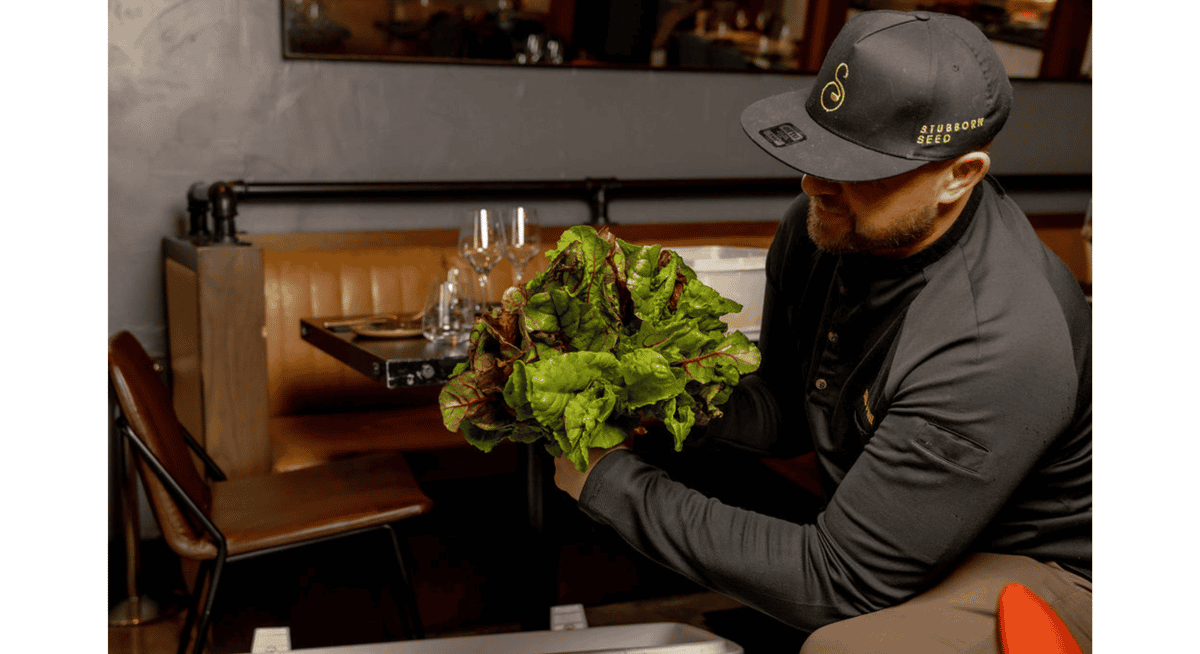
Seasonal ingredients play a central role in tasting menus because they determine flavor intensity, dish composition, and the overall narrative of each course. Chefs design plates around what is at its peak, whether that means stone fruits in summer or root vegetables in winter.
This ingredient-driven approach shapes every element of the meal. When a chef sources directly from local farms, the menu reflects the region's terroir and growing cycles. Each course connects to a specific moment in the agricultural calendar, giving diners a sense of place and time that a static menu cannot achieve. For restaurants committed to this philosophy, seasonality is not a marketing angle; it is the creative foundation the entire experience is built on.
How Often Do Tasting Menus Change at Upscale Restaurants?
Tasting menus at upscale restaurants typically change every few weeks to every few months, depending on ingredient availability and the chef's creative direction. Some fine dining kitchens rotate individual courses weekly while keeping the overall structure intact, whereas others overhaul the full menu each season.
According to research from Aalto University, high labor and food costs associated with maintaining a Michelin-star ranking often lead to higher prices compared to casual or non-Michelin restaurants. These costs influence how frequently a kitchen can afford to develop, test, and refine new dishes. Every menu change requires sourcing new ingredients, retraining staff on plating and timing, and recalibrating portion costs. The more ambitious the revision, the greater the operational investment required.
Understanding how seasonal shifts shape tasting menus helps explain the standards behind Michelin-starred dining experiences.
How Does a Michelin-Starred Tasting Menu Differ From Others?
A Michelin-starred tasting menu differs from others through rigorous evaluation criteria, technical mastery, and relentless innovation. The sections below cover the standards that set these menus apart and the role presentation plays in the experience.
What Standards and Innovations Set Michelin-Starred Tasting Menus Apart?
The standards and innovations that set Michelin-starred tasting menus apart begin with the Michelin Guide's five core evaluation criteria:
- Quality of ingredients used in every dish
- Harmony of flavors across the entire menu
- Mastery of cooking techniques
- Personality of the chef expressed through the cuisine
- Consistency across all courses and over time
According to the MICHELIN Guide, these five criteria form the foundation for every star awarded worldwide. Meeting them demands constant refinement; chefs must balance creative risk with disciplined repetition. This is where most non-starred tasting menus fall short. Consistency, in particular, separates ambitious restaurants from truly exceptional ones, because innovation without reliability rarely earns lasting recognition.
How Important Is Presentation and Culinary Technique in Michelin-Starred Tasting Menus?
Presentation and culinary technique in Michelin-starred tasting menus are essential, not ornamental. Mastery of techniques is one of the five criteria the Michelin Guide uses to evaluate every starred restaurant. Each plate must demonstrate precision in execution, from temperature control to textural contrast.
Contemporary culinary practice, often described as experimental cooking, engages the diner's intellect and emotions alongside flavor. Plating becomes a storytelling device; color, negative space, and architectural composition guide how a guest perceives each bite before tasting it. Without technical command, even striking presentations rings hollow. The best Michelin-starred kitchens treat visual design and cooking skill as inseparable disciplines.
Understanding what separates Michelin-level execution helps diners appreciate how local restaurants approach this standard.
How Does Stubborn Seed in Miami Approach Restaurant Tasting Menus?
Stubborn Seed in Miami approaches restaurant tasting menus by combining refined New American cuisine with Latin and Asian influences, anchored by farm-sourced ingredients. The following sections explore the tasting menu experience and summarize the key insights covered throughout this guide.
Can Stubborn Seed's Refined New American Cuisine Be Experienced Through a Tasting Menu?
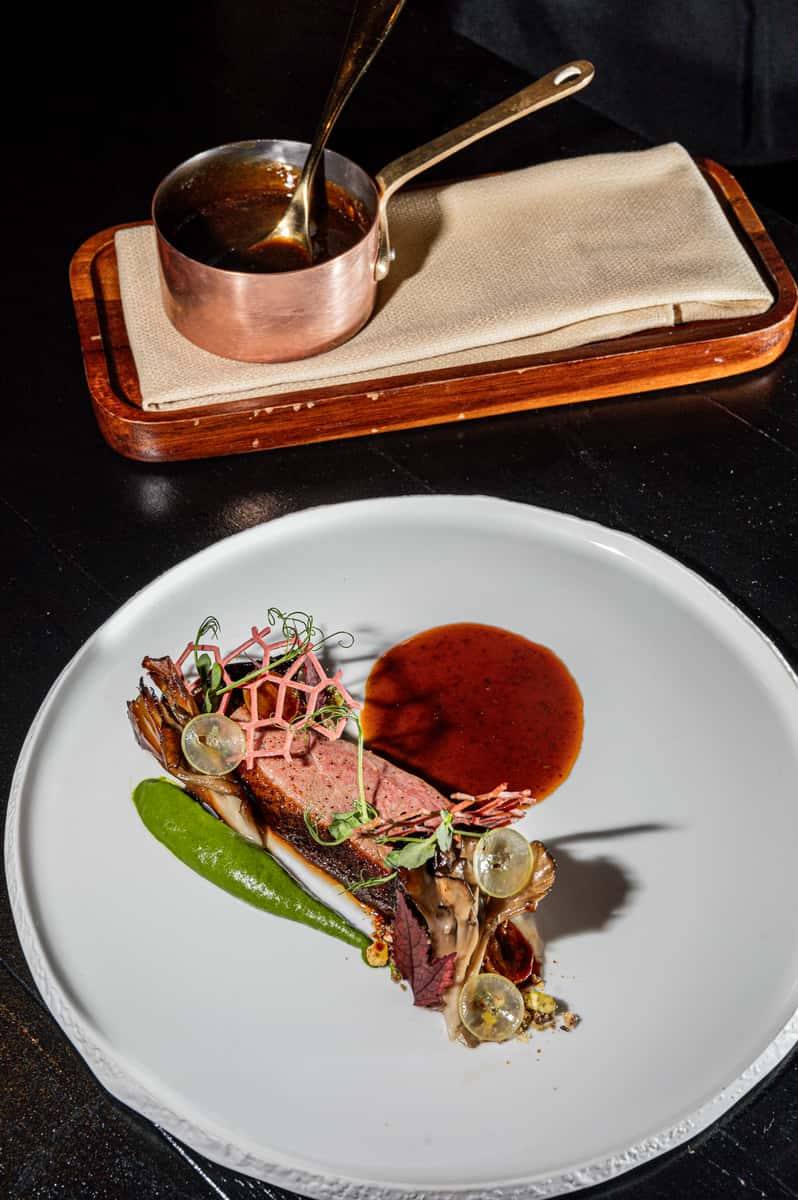
Yes, Stubborn Seed's refined New American cuisine can be experienced through a tasting menu. Chef Jeremy Ford, winner of Bravo's Top Chef Season 13 and a 2022 James Beard Foundation semifinalist, offers both a 6-course and a 9-course tasting menu at the Miami Beach restaurant. According to the MICHELIN Guide, Stubborn Seed weaves Latin and Asian influences into its tasting menu, with many ingredients sourced directly from the team's organic five-acre farm in Redland.
This farm-to-table pipeline gives each course a sense of place that generic supply chains cannot replicate. The kitchen's commitment to ingredient quality, flavor harmony, and technique aligns with the Michelin Guide's five core evaluation criteria. Reservations are available through the Stubborn Seed website.
What Are the Key Takeaways About What Are Restaurant Tasting Menus? Your Guide We Covered?
The key takeaways about restaurant tasting menus covered in this guide are:
- Tasting menus are multi-course, fixed-price dining experiences that showcase a chef's creativity, seasonal ingredients, and technical range.
- Course counts typically range from five to 30 plates, and most restaurants require the entire table to participate.
- Pricing reflects high labor and ingredient costs, with optional wine pairings adding significant value to the experience.
- Michelin-starred tasting menus distinguish themselves through ingredient quality, flavor harmony, technique mastery, chef personality, and consistency.
- Seasonal rotations keep menus dynamic, driven by local sourcing and sustainability practices.
- Tasting menus suit celebrations, culinary tourism, and any occasion where the meal itself is the destination.
For diners seeking this caliber of experience in South Florida, Stubborn Seed brings these principles together in every course.