
What Attracts Tourists to Miami and What Are the Top Reasons to Visit?
What Attracts Tourists to Miami and What Are the Top Reasons to Visit?
Miami is a multifaceted tourist destination where tropical climate, iconic coastline, and deep cultural diversity converge to attract over 28 million visitors annually. This guide covers climate and natural geography, beaches and water recreation, nightlife and major festivals, art and cultural institutions, culinary excellence, outdoor adventures, luxury shopping, upscale accommodations, and elevated dining at Stubborn Seed.
Miami's year-round warm temperatures create distinct peak and off-peak seasons, with mild, dry winters drawing northern travelers while proximity to the Everglades and Biscayne National Park provides rare urban access to protected subtropical ecosystems.
South Beach anchors the coastline with 10 miles of sandy shore, Art Deco architecture, and comprehensive amenities, while beaches across Miami-Dade County offer monitored water quality, designated activity zones, and water sports ranging from jet skiing to paddleboarding.
Nightlife spans 24-hour entertainment in South Beach and the creative energy of Wynwood, while annual events including Ultra Music Festival, Miami Music Week, and Art Basel Miami Beach generate hundreds of millions in economic impact and draw attendees from over 100 countries.
The art scene features the Pérez Art Museum Miami, the largest Art Deco district in the United States, and Wynwood Walls; cultural diversity rooted in Latin American, Caribbean, and African diaspora influences shapes every neighborhood and institution.
Miami holds the nation's highest restaurant quality rating, with approximately 4,545 restaurants spanning casual Cuban kitchens to Michelin-starred tasting menus. Stubborn Seed, the only Michelin-starred restaurant in Miami Beach's South of Fifth neighborhood, represents the pinnacle of this culinary identity through Chef Jeremy Ford's seasonal, sustainability-focused fine dining.
Luxury travelers find Forbes Five-Star resorts, flagship designer boutiques at the Miami Design District and Bal Harbour Shops, and outdoor recreation across national parks and urban green spaces; together, these elements make Miami a destination that serves every type of visitor.
Why Is Miami's Climate and Geography Appealing to Visitors?
Miami's climate and geography appeal to visitors through year-round warm temperatures, predictable seasonal patterns, and proximity to unique natural ecosystems. Below, we explore how weather shapes tourism and which natural attractions draw visitors.
How Does Miami's Weather Influence Tourist Activity?
Miami's weather influences tourist activity by creating distinct peak and off-peak seasons driven by temperature and precipitation patterns. Winter months, from December through April, align with peak tourist season as northern travelers seek refuge from cold weather and snow. Summer months see lower visitation due to higher temperatures, humidity, and hurricane season concerns.
This seasonal pattern produces consistent growth. According to OysterLink's tourism data, Greater Miami and Miami Beach welcomed 28.23 million visitors in 2024, a 3.9% increase over the 27.18 million recorded in 2023. For visitors planning a trip, timing a visit during the mild, dry winter months offers the most comfortable experience and the widest range of outdoor activities.
What Natural Attractions Draw Tourists to Miami?
The natural attractions that draw tourists to Miami include Biscayne National Park and the Everglades, both of which support significant eco-tourism interest. Visitors engage in activities such as:
- Snorkeling and scuba diving in marine ecosystems
- Wildlife viewing across subtropical wetlands
- Guided nature tours through mangrove forests and coral reefs
These unique ecosystems provide educational opportunities alongside memorable nature-based experiences. Few major American cities offer this kind of access to protected wilderness within a short drive of an urban core, which makes Miami's geographic position genuinely rare among tourist destinations.
Beyond the natural landscape, Miami's cultural offerings give visitors even more reasons to explore the city.
What Makes Miami's Beaches a Top Destination?
Miami's beaches rank among the most famous and visited in the United States, combining diverse shoreline experiences with year-round warm weather. Below, the most popular beaches and available activities show why this coastline draws millions annually.

Which Miami Beaches Are Most Popular Among Tourists?
The most popular Miami beaches among tourists are South Beach, Miami Beach, and Key Biscayne, each offering a distinct atmosphere for different visitor preferences.
South Beach is the most iconic destination, stretching approximately 10 miles with wide sandy shores, a promenade lined with restaurants and shops, and a concentration of Art Deco architecture. Young adults and international visitors gravitate toward its energetic atmosphere. The driest months, typically February through April, coincide with peak tourist season, since Miami receives approximately 61.9 inches of rainfall annually, with the heaviest precipitation falling from June through September. This seasonal pattern makes winter and early spring the ideal window for beachgoing. For visitors who prefer a quieter pace, Key Biscayne provides family-friendly shores with excellent water quality.
What Beach Activities Are Available in Miami?
Beach activities available in Miami span water sports, shoreline recreation, and amenity-rich relaxation zones designed for every skill level.
Miami's position at the crossroads of the Atlantic Ocean and the Caribbean Sea gives visitors access to diverse marine ecosystems and water-based adventures. Beaches feature designated areas for swimming, surfing, and paddleboarding, while comprehensive amenities include:
- Lifeguard services at staffed stations along major beaches
- Beach volleyball courts and paddleboard rentals
- Surfboard rentals and kayaking outfitters
- Beachfront bars, restaurants, and shower facilities
The Florida Department of Health monitors water quality at multiple locations throughout Miami-Dade County, maintaining an interactive map with real-time data to ensure safe swimming conditions. This level of oversight is something many coastal cities lack, and it gives visitors added confidence when choosing where to swim or snorkel.
Beyond the beach itself, Miami's coastline serves as a launchpad for broader exploration, from cultural events along the shore to the city's acclaimed dining scene.
Why Is Miami Renowned for Its Nightlife and Entertainment Scene?
Miami is renowned for its nightlife and entertainment scene because the city operates as a year-round, 24-hour destination with world-class clubs, live music festivals, and culturally vibrant neighborhoods. The sections below cover where to find the best nightlife and which major events draw visitors from around the globe.

Where Can Tourists Find the Best Nightlife Experiences in Miami?
Tourists can find the best nightlife experiences in Miami across two primary districts: South Beach and Wynwood.
South Beach is the epicenter of Miami's nightlife, operating as a 24-hour entertainment destination. The district is home to iconic nightclubs, such as:
- LIV Miami, known for major electronic music events and celebrity appearances
- Story Miami, featuring international DJs and live performances
- E11EVEN, an ultraclub open around the clock
- Space Miami, a staple for late-night electronic music
These venues attract both local residents and international tourists seeking high-energy experiences.
Wynwood has emerged as a vibrant alternative, drawing a younger, more artistically inclined demographic. The neighborhood features craft breweries, galleries, trendy bars, and the famous Wynwood Walls outdoor street art museum. For visitors who prefer creative atmosphere over mega-club energy, Wynwood consistently delivers a more eclectic night out.
What Major Events and Festivals Attract Visitors to Miami?
The major events and festivals that attract visitors to Miami include Ultra Music Festival, Miami Music Week, and Art Basel Miami Beach, each generating hundreds of millions in economic activity.
Ultra Music Festival is a premier electronic dance music festival held annually in Miami. The festival attracts more than 150,000 attendees from over 100 countries over three days, with attendance reaching 165,000 in 2023. Since 2012, Ultra has generated approximately $995 million in cumulative economic impact for Miami, and in 2026 alone it delivered a $207 million impact to Miami-Dade's economy.
Miami Music Week is a six-day event featuring over 200 events spanning genres such as EDM, house, techno, trance, and drum 'n' bass. Held each March, it includes the Winter Music Conference, now in its 36th year. Festival-goers spend an estimated $40 million at local restaurants and bars during the week.
Art Basel Miami Beach blends art and entertainment on a massive scale. The 2024 edition generated an estimated $547 million in economic activity for the Miami-Dade region, attracting over 75,000 spectators. With events like these filling the annual calendar, Miami's nightlife and entertainment scene naturally extends into the city's celebrated dining culture.
How Does Miami's Art and Cultural Scene Attract Tourists?
Miami's art and cultural scene attracts tourists through world-class institutions, iconic architectural landmarks, and a deeply multicultural identity. The subsections below cover the city's top art destinations and the cultural diversity that keeps visitors returning.
What Are Miami's Must-Visit Art Destinations?
Miami's must-visit art destinations include the Pérez Art Museum Miami, the Art Deco Historic District, and Wynwood Walls. Each offers a distinct experience rooted in different artistic traditions.
The Pérez Art Museum Miami (PAMM) is a flagship modern and contemporary art museum on Biscayne Bay. Positioned at the crossroads of the Americas, PAMM presents art reflecting the U.S. Latino experience, the African diaspora, Latin America, and the Caribbean. The museum's 200,000-square-foot campus hosts exhibitions, workshops, and lectures year-round.
South Beach's Art Deco Historic District contains over 800 buildings within one square mile, all built primarily in the 1920s and 1930s. According to the Miami Design Preservation League, the Art Deco Welcome Center at 1001 Ocean Drive offers daily walking tours covering Art Deco, Mediterranean Revival, and Miami Modern (MiMo) architectural styles, with self-guided audio tours in four languages.
Wynwood Walls functions as an outdoor museum of international street art. Once an industrial area, Wynwood transformed into a vibrant cultural neighborhood through large-scale murals by renowned artists from around the world. For visitors who appreciate creative energy beyond traditional gallery walls, few neighborhoods rival its visual impact.
Why Is Miami's Cultural Diversity Appealing to Visitors?
Miami's cultural diversity is appealing to visitors because the city blends Latin American, Caribbean, African diaspora, and global influences into every neighborhood, institution, and public space. This multicultural fabric shapes everything from museum programming at PAMM to the street art narratives in Wynwood and the architectural preservation efforts in South Beach.
Visitors experience this diversity firsthand through events such as Art Deco Weekend, a free January celebration hosted by MDPL featuring guided tours, classic cars, films, and activities for children. Thousands attend each year, drawn by the chance to engage with architectural history in a city where heritage preservation coexists with constant creative reinvention.
What makes Miami's cultural appeal especially durable is that it is not performative; diversity is embedded in the city's identity. Travelers seeking authentic cultural immersion find it across museums, neighborhoods, and public art installations without needing to seek out a single designated "cultural district."
With art and culture forming a central draw, Miami's culinary scene adds another layer to the visitor experience.
What Culinary Experiences Are Unique to Miami?
Miami's culinary experiences stand out through multicultural cuisine, Michelin-starred dining, and chef-driven tasting menus. The sections below explore what defines the local food scene and where visitors can find fine dining excellence.
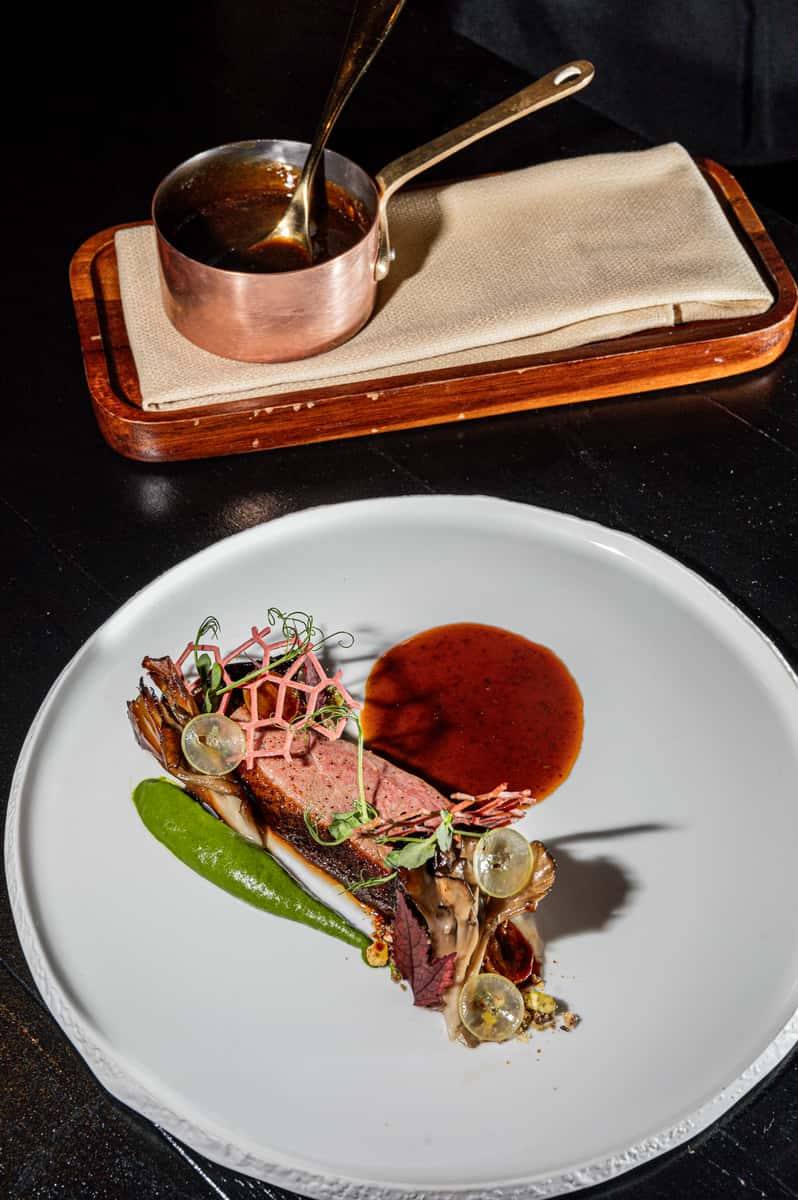
What Defines Miami's Local Food Scene?
Miami's local food scene is defined by multicultural influences, fresh seafood, and fusion cuisine that blends traditions from across the globe. The city's diverse population brings representation from Latin American, Caribbean, European, Asian, and African culinary traditions.
Cuban cuisine anchors much of Miami's food identity, while ocean-to-table seafood preparations capitalize on the city's coastal location. According to 2025 data from Current Backyard, Miami holds the nation's highest restaurant quality rating at 6.94 out of 10. Fusion cooking, which layers techniques from multiple traditions into single dishes, has become a signature of the city's dining culture. Even casual preferences reflect the melting pot: New York-style pizza ranks as Miami's favorite, with pepperoni, mushrooms, and onions topping the list. Few American cities match this depth of everyday culinary diversity.
Where Can Visitors Experience Fine Dining and Chef-Driven Cuisine?
Visitors can experience fine dining and chef-driven cuisine across Miami's approximately 4,545 restaurants, which range from casual street food vendors to Michelin-starred establishments. As of the 2026 Michelin Guide, 26 Florida restaurants hold Michelin stars, with multiple located in Miami.
Notable Michelin-starred restaurants include:
- Kaori
- L'Atelier de Joël Robuchon Miami
- Elcielo Miami
- Le Jardinier Miami
- Cote Miami
- Mandolin Aegean Bistro
Many of these establishments offer tasting menus featuring seasonal ingredients and innovative techniques, often complemented by wine pairings curated by expert sommeliers. For visitors seeking the pinnacle of this scene, chef-driven restaurants in Miami's South of Fifth neighborhood and Design District deliver some of the most memorable dining in the southeastern United States.
With culinary excellence firmly established, Miami's outdoor adventures and natural landscapes offer an equally compelling reason to visit.
How Do Outdoor Adventures and Sports Contribute to Miami's Appeal?
Outdoor adventures and sports contribute to Miami's appeal by offering year-round water-based recreation and access to protected natural ecosystems. The sections below cover popular water sports and the parks where tourists enjoy nature.
What Water Sports and Outdoor Activities Are Popular in Miami?
Water sports and outdoor activities popular in Miami include jet skiing, parasailing, flyboarding, paddleboarding, kayaking, snorkeling, speed boat rides, and banana boat tours. Miami Beach features numerous water sports facilities that attract families, couples, and solo travelers seeking both relaxation and adventure along the coastline.
According to a Market.us report, the global water sports market is projected to reach approximately USD 9.4 billion by 2035, up from USD 6.1 billion in 2025, reflecting a compound annual growth rate of 4.4%. That steady growth signals rising demand for exactly the kind of coastal recreation Miami delivers so well. Few destinations combine warm water, calm bays, and open ocean access as seamlessly as Miami does.
Where Can Tourists Enjoy Parks and Nature in Miami?
Tourists can enjoy parks and nature in Miami at protected sites such as Biscayne National Park, which safeguards 172,971 acres of marine and coastal ecosystems. The park encompasses coral reefs, mangrove forests, and seagrass beds, with approximately 95% of its area consisting of water. Diverse marine life, including tropical fish, sea turtles, and manatees, inhabits these protected waters.
According to the National Park Service, Biscayne National Park recorded 704,655 recreation visits in 2024. For tourists who want more than a beach day, this kind of immersive nature access sets Miami apart from other coastal cities.
With outdoor recreation covered, Miami's shopping districts offer another compelling reason tourists keep returning.
Why Do Shoppers and Fashion Enthusiasts Love Visiting Miami?
Shoppers and fashion enthusiasts love visiting Miami for its concentration of luxury retail districts, designer boutiques, and fashion-forward neighborhoods. The city's best shopping destinations and style influence are explored below.
What Are Miami's Best Shopping Districts?
Miami's best shopping districts include the Miami Design District, Bal Harbour Shops, and Lincoln Road. The Miami Design District features flagship luxury stores and designer boutiques, making it a premier destination for fashion enthusiasts and luxury shoppers. The district showcases the latest collections from leading luxury brands and independent designers while combining shopping with art galleries, cultural attractions, and high-end dining.
Bal Harbour Shops offers an open-air collection of over 100 luxury retailers, including Chanel, Gucci, Dior, Prada, and Alexander McQueen. Lincoln Road serves as an iconic pedestrian shopping mall in Miami Beach, blending national retailers, local boutiques, and restaurants. For visitors who want more than a transactional retail experience, few cities match the variety found across these three districts.
How Does Miami Influence Fashion Trends for Tourists?
Miami influences fashion trends for tourists through the Miami Design District, a creative neighborhood dedicated to innovative fashion, design, art, architecture, and dining. The district functions as a living showcase where international design houses debut collections alongside independent designers, exposing visitors to emerging styles before they reach mainstream markets.
This fusion of luxury retail, gallery culture, and culinary excellence creates an environment where fashion is experienced rather than simply purchased. According to Current Backyard's 2025 city analysis, Miami holds the nation's highest restaurant quality rating of 6.94 out of 10, reflecting the same elevated standards that define its fashion and retail culture. That overlap between dining sophistication and design innovation is what keeps style-conscious tourists returning season after season.
Beyond retail therapy, Miami's luxury shopping scene connects naturally to the upscale accommodations and exclusive experiences the city is known for.
In What Ways Do Miami's Luxury and Upscale Venues Attract Visitors?
Miami's luxury and upscale venues attract visitors through premium accommodations, high-end cultural experiences, and exclusive lifestyle offerings. The following sections cover available upscale experiences and the reasons tourists select Miami for exclusive getaways.
What Upscale Accommodations and Experiences Are Available in Miami?
Upscale accommodations and experiences available in Miami include Forbes Five-Star hotels, world-class spas, designer shopping districts, and chef-driven fine dining. The 2026 Forbes Travel Guide awarded five Miami-area hotels its Five-Star distinction, spanning properties from South Beach to Bal Harbour. Beyond lodging, the luxury experience extends to curated cultural encounters. According to the Greater Miami Convention & Visitors Bureau, luxury travelers to Miami spend an average of $920 per stay on culturally authentic experiences, encompassing dining, entertainment, shopping, and cultural activities. This spending pattern reflects a visitor base that seeks immersive, high-quality experiences rather than standard tourism. For travelers willing to invest in elevated experiences, few American cities match the breadth of premium options Miami delivers year-round.
Why Do Tourists Choose Miami for Exclusive Getaways?
Tourists choose Miami for exclusive getaways because the city combines tropical setting, cultural sophistication, and a concentrated luxury infrastructure found in few other destinations. Several factors drive this preference:
- Five-Star beachfront resorts offer private pools, Forbes-rated spas, and personalized concierge services steps from the Atlantic Ocean.
- The Miami Design District and Bal Harbour Shops provide flagship boutiques from brands such as Chanel, Gucci, Dior, and Prada.
- Michelin-starred restaurants deliver chef-driven tasting menus featuring seasonal, locally sourced ingredients.
- Annual events like Art Basel Miami Beach attract global collectors and cultural tastemakers, reinforcing the city's prestige.
This convergence of oceanfront luxury, retail exclusivity, and culinary excellence makes Miami a destination where every element of an upscale getaway exists within close proximity. With fine dining as a cornerstone of Miami's luxury identity, visitors often anchor their trips around the city's celebrated restaurant scene.
How Can Visitors Experience Elevated Dining in Miami at Stubborn Seed?
Visitors can experience elevated dining in Miami at Stubborn Seed through its Michelin-starred tasting menu, seasonal ingredients, and Chef Jeremy Ford's award-winning culinary vision. Below, we cover what distinguishes Stubborn Seed and the key takeaways on Miami's tourism appeal.
What Sets Stubborn Seed Apart for Tourists Seeking Fine Dining?
Stubborn Seed sets itself apart through Michelin-recognized culinary excellence, sustainability credentials, and consistent critical acclaim. The restaurant holds one Michelin star, earned in 2022 and maintained through 2026, along with a Michelin Green Star awarded in 2025 for environmentally conscious practices. Located in Miami Beach's South of Fifth neighborhood, Stubborn Seed is the area's only Michelin-starred restaurant.
Chef Jeremy Ford, winner of Bravo's Top Chef Season 13, leads a chef-driven tasting menu that changes with seasonal availability. According to OpenTable, Stubborn Seed won Best Restaurant in Miami for 2021, reinforcing its standing among the city's top fine dining destinations. For visitors exploring Miami's culinary scene, few restaurants combine this level of recognition with a genuine commitment to sustainability.
What Are the Key Takeaways on What Attracts Tourists to Miami?
The key takeaways center on Miami's rare combination of natural beauty, cultural depth, and world-class dining. Tropical weather, iconic beaches, and proximity to the Caribbean draw millions annually. Art Basel, Ultra Music Festival, and the South Beach Wine & Food Festival generate hundreds of millions in economic impact, anchoring Miami as a global events destination.
Miami's culinary scene ranks among the nation's best, with strong dining engagement; according to Current Backyard's 2025 city stats, residents and visitors average $1,048.64 in monthly dining spending. Luxury accommodations, diverse shopping districts, and outdoor adventures round out an appeal that serves every type of traveler. Stubborn Seed exemplifies why discerning visitors choose Miami: it delivers an elevated, memorable experience rooted in the city's creative energy.