
What Defines Value in Fine Dining?
What Defines Value in Fine Dining?
Value in fine dining is the sum of every element a guest perceives as worth the price: ingredient quality, service depth, ambiance, culinary creativity, and the reputation that precedes the meal. Understanding how these elements work together reveals why some restaurants command premium prices while others at similar price points fail to hold guest loyalty.
This guide covers ingredient quality and sourcing, service standards, ambiance and environment, menu design, pricing economics, the role of awards and reviews, and how Stubborn Seed Las Vegas delivers on each of these dimensions.
Ingredient sourcing and seasonality establish the foundation. Transparent provenance, such as farm-to-table practices, measurably boosts perceived value because guests treat it as a reliable signal of quality. Seasonal menus reinforce this by ensuring every dish reflects ingredients at their peak rather than a fixed formula.
Service is what separates fine dining from other upscale formats once food quality expectations are met. Labor investment in full-service restaurants reflects a staffing model built around attentiveness, and specific roles like the Table Captain directly shape how guests rate the overall experience.
Ambiance, menu design, and pricing each carry distinct weight. A well-designed room creates emotional conditions that justify the premium before the first course arrives. Chef-driven tasting menus reduce guest decision fatigue while enabling tighter kitchen execution. Pricing, meanwhile, is not arbitrary; it reflects documented cost structures in ingredient sourcing and labor that set a financial floor beneath every fine dining experience.
Awards and reviews calibrate expectations. Michelin recognition shapes what guests bring to the table, and online peer validation determines whether reputation translates into perceived value in the booking moment.
How Do Food Quality and Ingredients Influence Value in Fine Dining?
Food quality and ingredients influence value in fine dining by setting the foundational standard against which every other element of the experience is measured. The sections below examine how sourcing transparency and seasonal menus each shape guest perception.
What Role Do Sourcing and Provenance Play in Fine Dining Menus?
Sourcing and provenance play a direct role in fine dining menus by shaping how guests assign worth to what arrives on the plate. According to research published by Cogent Business & Management (Taylor & Francis), transparency in sourcing, such as farm-to-table narratives, significantly boosts perceived value because consumers treat these cues as reliable signals of superior food quality. Knowing where an ingredient originated, which farm grew it, or which waters supplied it, transforms a dish from a product into a story. Stubborn Seed makes this connection tangible: the restaurant sources ingredients from its own five-acre organic farm in Homestead, creating a direct, verifiable link between provenance and the menu's ever-evolving character.

How Does Ingredient Seasonality Affect the Guest Experience?
Ingredient seasonality affects the guest experience by ensuring that every dish reflects peak flavor, which is something no static menu can reliably deliver. Chef Jeremy Ford of Stubborn Seed centers his culinary philosophy on using every ingredient at its peak, a principle that drives continuous menu evolution rather than fixed repetition. Seasonal cooking also signals respect for natural cycles, which resonates with travelers who increasingly prioritize sustainability and local sourcing when choosing where to dine. According to Tourism Review (Emerald Insight), willingness to invest in food experiences that prioritize local sourcing is measurably growing. In practice, a winter menu featuring dishes like truffle ricotta gnudi demonstrates how seasonality becomes a creative constraint that sharpens, rather than limits, culinary expression.
How Does Service Enhance the Perceived Value of Fine Dining?
Service enhances the perceived value of fine dining by transforming a meal into a hospitality experience, where staff expertise, attentiveness, and professionalism become part of what guests pay for. The following sections cover how service standards distinguish fine dining and why staff knowledge directly shapes guest satisfaction.
What Aspects of Service Set Fine Dining Apart from Other Restaurants?
The aspects of service that set fine dining apart include personalized attention, skilled floor teams, and a labor investment far exceeding casual formats. Full-service and fine dining labor costs represent 30–35% of total revenue, compared to the 25% average in quick-service restaurants, according to Gratuity Solutions. That investment funds the hospitality infrastructure guests experience as seamless and unhurried service. Chef Jeremy Ford describes fine dining as an experience where "attention, service, care, love, and passion" make the guest the number one priority. Fine dining, also called upscale dining or white tablecloth dining, earns that identity through service as much as through food. For operations to remain profitable, prime cost (labor plus cost of goods sold) must stay below 67%.
How Important Is Staff Knowledge and Professionalism to Guests?
Staff knowledge and professionalism are critically important to guests, directly shaping how they rate the overall experience. According to a 2025 Resy report, 60% of diners said that having a Table Captain, a knowledgeable staff member who leads the ordering process, improves the overall dining experience. A skilled Table Captain reduces guest uncertainty, builds confidence in the menu, and elevates the meal beyond passive consumption. In fine dining, this role is one of the most underestimated value drivers available to any restaurant team.
With service standards established, the physical environment becomes the next pillar that shapes how guests perceive value.
In What Ways Does Ambiance Contribute to Value in Fine Dining?
Ambiance contributes to value in fine dining by shaping emotional perception, signaling quality before a single dish arrives, and creating the social environment guests remember long after the meal. The sections below cover how décor and atmosphere influence guest perceptions, and why table setting carries significant weight in the fine dining experience.
How Do Décor and Atmosphere Influence Guest Perceptions?
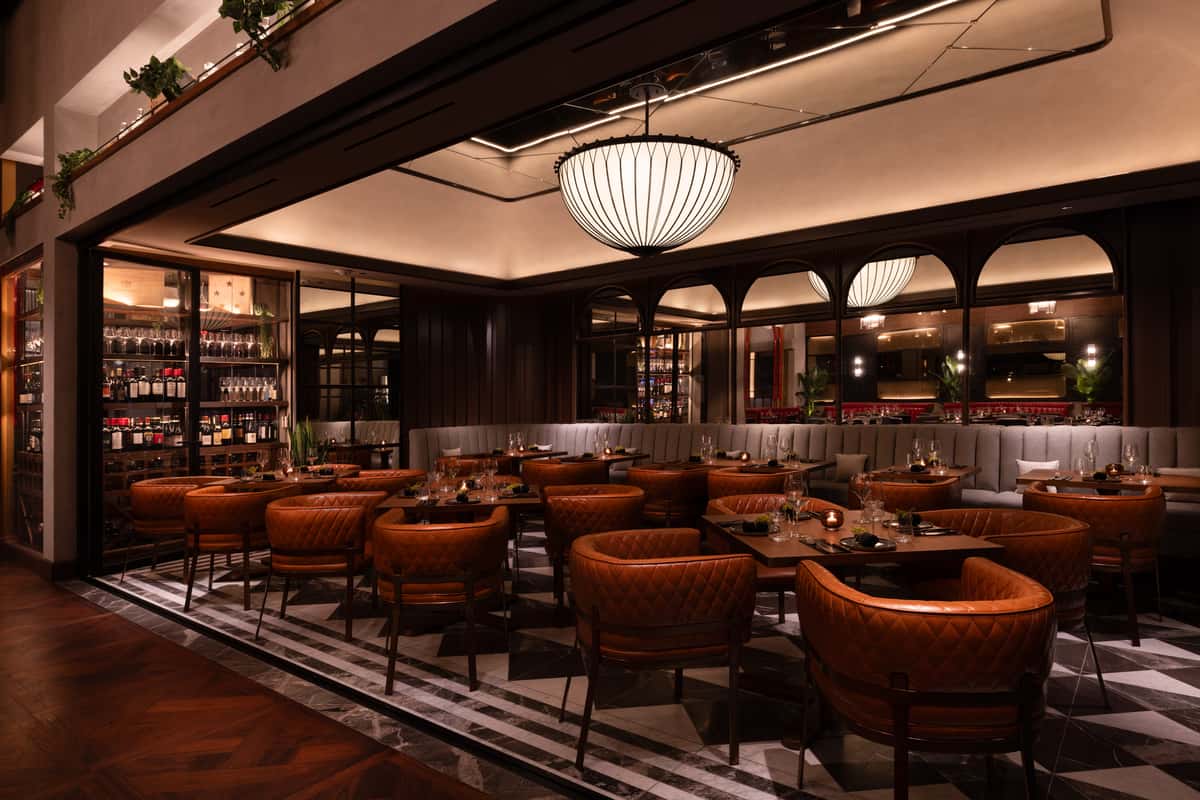
Décor and atmosphere influence guest perceptions by communicating a restaurant's identity, standards, and intention through every visual and sensory detail. Lighting, spatial proportion, material quality, and acoustic design work together to set an emotional tone that either reinforces or undermines the food's perceived value.
Modern fine dining venues are increasingly designed as acoustic havens, according to a 2025 Resy Retrospective, intentionally combating digital fatigue and creating space for genuine, present-moment connection. This shift reflects a broader understanding that guests are not simply purchasing a meal; they are purchasing an environment that justifies focused attention. In fine dining, a well-designed room makes silence feel comfortable and conversation feel meaningful, both of which are essential to the premium experience guests expect.
Why Is Table Setting Significant in Fine Dining?
Table setting is significant in fine dining because it establishes the physical and psychological contract between the restaurant and the guest before any food or service interaction occurs. Linens, glassware, flatware placement, and spacing signal preparation, care, and the level of deliberateness that separates fine dining from casual formats.
Table design also reflects shifting guest demographics. According to the 2025 Resy Retrospective, 90% of Gen Z diners enjoy communal tables, viewing them as opportunities to meet new people, compared to 60% of Baby Boomers who share that preference. Notably, a significant content gap exists around "Aura Points," the social currency Gen Z diners use to evaluate a restaurant's vibe, making table environment a measurable factor in how younger guests assign value to a dining experience. For fine dining operators, this means table configuration is no longer purely a question of formality; it is a strategic decision that shapes the social experience a space delivers.
How Do Menu Design and Culinary Creativity Impact Fine Dining Value?
Menu design and culinary creativity impact fine dining value by shaping both the guest's emotional journey and the restaurant's operational efficiency. The following sections cover what makes chef-driven menus compelling and how tasting formats redefine the dining experience.
What Makes a Chef-Driven Menu Appealing to Discerning Diners?
A chef-driven menu is appealing to discerning diners because it transforms a meal into a curated point of view rather than a list of options. Every dish reflects deliberate choices about technique, provenance, and seasonal timing, signaling to guests that the kitchen operates with intention. At Stubborn Seed Las Vegas, Chef Jeremy Ford channels that philosophy through playful tasting menus built around ingredients used at their peak, with signature dishes such as winter truffle ricotta gnudi and pan-roasted barramundi with galangal green curry. This specificity of vision is what separates chef-driven dining from conventional restaurant formats. For guests willing to surrender control, the reward is a coherent narrative across every course.
How Does a Tasting Menu Shape the Fine Dining Experience?
A tasting menu shapes the fine dining experience by removing decision fatigue and positioning the guest as an explorer rather than a consumer. According to Simon-Kucher, tasting menus reduce "cognitive overload" by delegating decision-making to the chef, shifting the guest's focus entirely toward discovery. That structural clarity also benefits the kitchen: restaurants that reduce food waste by 5% through controlled tasting formats can lower overall food costs by 1 to 2%. Fewer variables in production mean tighter execution and more consistent quality across every cover. From a value standpoint, the tasting menu is arguably the most honest expression of fine dining because every element is chosen, not assembled on demand.
How Does Pricing Reflect or Shape Value in Upscale Restaurants?
Pricing in upscale restaurants both reflects and shapes value through cost structures, guest perception, and competitive positioning. The sections below examine what justifies premium price points and how guests weigh cost against experience.
What Factors Justify Premium Pricing in Fine Dining Establishments?
The factors that justify premium pricing in fine dining establishments include ingredient costs, labor investment, and operational complexity. According to Altametrics, the average restaurant food cost percentage in 2025 ranges between 28% and 35% of total revenue, with fine dining often reaching the 32–35% range due to premium ingredients. Labor compounds this further, as full-service restaurants carry significantly higher staffing costs than quick-service formats. Fine dining restaurants are generally considered profitable only when their combined cost of goods sold and labor stays below 67% of revenue. These overlapping cost pressures create a structural floor beneath any fine dining price point, making premium pricing a financial necessity rather than a marketing choice.
How Do Guests Perceive Value Versus Cost?
Guests perceive value versus cost through a mix of price signals and non-price experience factors. A Deloitte analysis found that price perception explains 67% of what consumers perceive as value in the restaurant sector, with the remaining 33% shaped by quality, service, and atmosphere. Importantly, restaurant brands that deliver more value for the price grew revenue 7.3% faster over three years than brands perceived as less valuable, demonstrating that perceived fairness drives long-term loyalty. This means upscale restaurants that invest visibly in ingredient quality, service depth, and ambiance can shift guests away from pure cost evaluation. For discerning diners, the question is rarely "Is this expensive?" but rather "Does this justify what I paid?"
How Do Awards, Reviews, and Reputation Affect Fine Dining Value?
Awards and reputation shape guest expectations before a single dish is served. The headings below examine how Michelin stars calibrate diner anticipation and how online reviews translate reputation into perceived value.
How Do Michelin Stars and Other Accolades Influence Guest Expectations?
Michelin stars and other accolades influence guest expectations by raising the baseline standard diners bring to the table, which can cut both ways. According to a study published on ResearchGate, one-star Michelin restaurants generate median annual revenues only 15–25% higher than unstarred restaurants in mature markets like New York and San Francisco, suggesting the financial lift is more modest than the cultural cachet implies. The same research found that losing a Michelin star can actually improve consumer ratings on platforms like Yelp, likely because lower expectations become easier to exceed. Expert perspective: accolades are a double-edged signal. They attract guests primed for perfection, which makes consistent execution more critical, not less.
What Role Do Online Reviews Play in Defining Value?
Online reviews play a defining role in value perception by translating a restaurant's reputation into social proof that prospective diners trust before booking. A 2025 Resy survey found that 59% of diners say they are more likely to visit a restaurant when they recognize its awards or status, confirming that peer validation and credentialed recognition work together to shape perceived value. Reviews function as a real-time referendum on whether a restaurant's price point is justified, effectively crowdsourcing the value verdict that critics once held exclusively.
How Does Stubborn Seed in Las Vegas Define and Deliver Value in Fine Dining?
Stubborn Seed Las Vegas defines and delivers value through chef-driven tasting menus, Michelin-pedigreed culinary vision, and a commitment to ingredient quality. The sections below cover what makes its tasting menus distinctive and the core takeaways for evaluating fine dining value.
What Makes Stubborn Seed's Tasting Menus Unique Among Fine Dining Options?
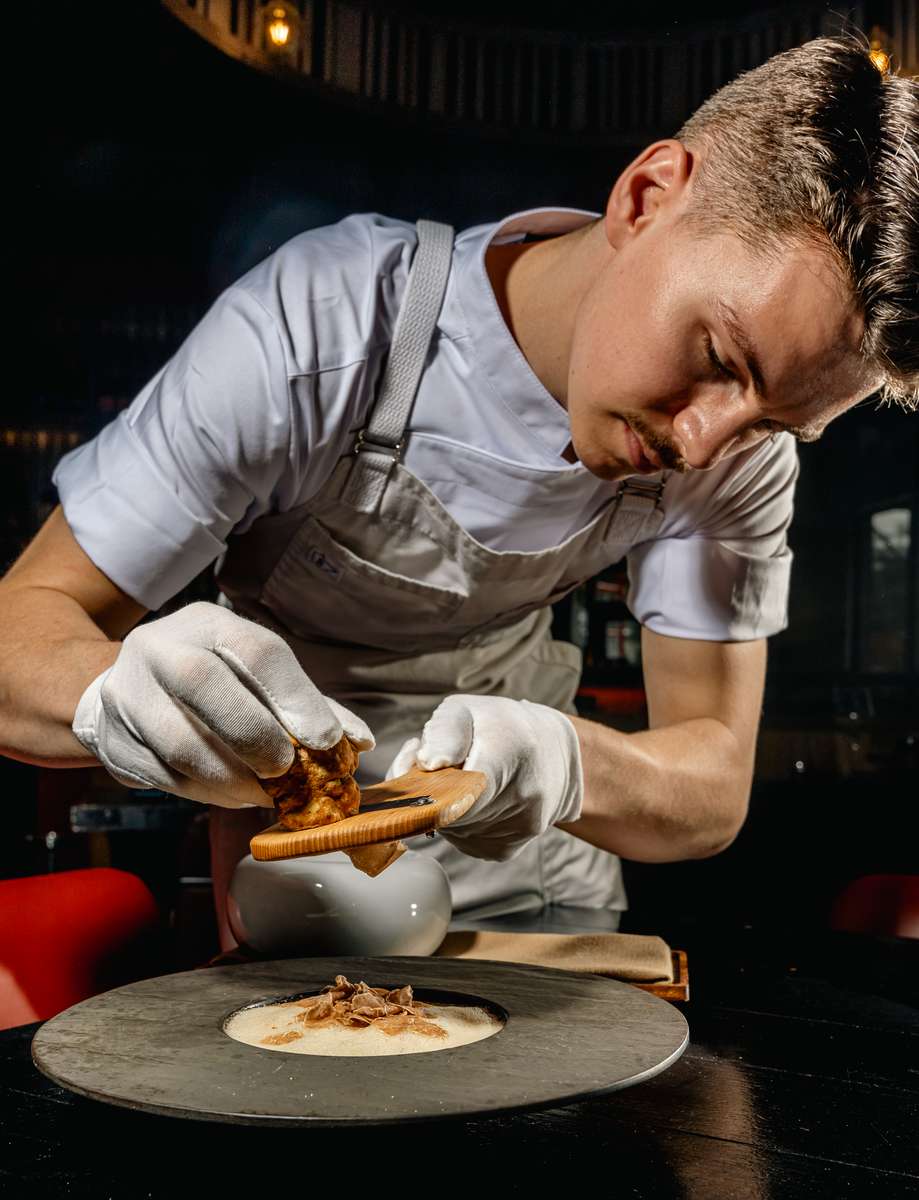
Stubborn Seed's tasting menus are unique among fine dining options because they combine a Michelin-starred chef's personal philosophy with playful, seasonally driven courses that prioritize ingredient precision over convention. Chef Jeremy Ford, winner of Top Chef Season 13, built Stubborn Seed around the principle that "every ingredient at its peak" is the foundation of a memorable meal. The Las Vegas menu reflects this directly, featuring distinctive dishes such as winter truffle ricotta gnudi and pan-roasted barramundi with galangal green curry. According to Forbes, the tasting menus represent strong value for fine dining on the Las Vegas Strip. This format also reduces what researchers at Simon-Kucher describe as "cognitive overload," shifting guest focus from decision-making to pure exploration.
What Are the Key Takeaways About What Defines Value in Fine Dining?
The key takeaways about what defines value in fine dining are that price, quality, and service interact to shape guest perception in measurable ways. According to a Deloitte analysis, price perception explains 67% of what consumers perceive as restaurant value, with quality and service accounting for the remaining 33%. This means execution on non-price factors, like ingredient sourcing, attentive service, and culinary creativity, carries outsized influence on whether a guest feels a meal was worth it. For discerning diners, a tasting menu from a Michelin-recognized chef, like Stubborn Seed's Jeremy Ford, represents exactly the convergence of these value drivers. Stubborn Seed Las Vegas brings that standard to the Strip, making it a strong choice for guests seeking fine dining that justifies its price.