
What is Fine Dining Ambiance? Decor, Lighting & Sound
What is Fine Dining Ambiance? Decor, Lighting & Sound
Fine dining ambiance is the deliberate orchestration of sensory elements — decor, lighting, and sound — to create an environment that elevates the meal beyond food alone. At its most effective, every detail in the room works together to shape guest comfort, perception, and behavior from the moment they walk in.
This guide covers what defines fine dining ambiance, how decor establishes identity, why lighting is central to mood and food perception, how sound engineering protects sophistication, how these elements function as a unified system, and how Stubborn Seed Las Vegas puts all of it into practice.
Ambiance begins with the physical environment: table spacing, material choices, and design style each send signals about exclusivity and care before a single dish arrives. Research confirms that generous spacing, premium finishes like marble and velvet, and precisely composed table settings measurably influence guest satisfaction and willingness to pay.
Lighting shapes what guests feel and what they see on the plate. Warm-toned, layered light in the 2,700–3,000K range fosters intimacy, intensifies food color, and encourages guests to linger. Sound operates with equal precision: the optimal fine dining noise level sits between 65 and 70 dB, and slow-tempo background music has been shown to extend dining time by nearly 25%.
When decor, lighting, and sound are treated as a single brief rather than separate choices, the result is a room that feels effortlessly cohesive. Stubborn Seed Las Vegas demonstrates this through its Art Deco-inspired interior, warm intimate scale, and a tasting menu that the environment is designed to support.
What defines the ambiance in a fine dining restaurant?
Fine dining ambiance is defined by the deliberate orchestration of sensory elements, including lighting, sound, spacing, and decor, to create an environment that elevates the meal beyond food alone. The sections below cover how these elements shape guest behavior and what components distinguish a truly luxurious atmosphere.
How does ambiance influence the guest experience in fine dining?
Ambiance influences the guest experience in fine dining by shaping comfort, perception, and behavior at every moment of the visit. Physical spacing alone produces measurable outcomes: a Cornell University School of Hotel Administration study found that guests seated at tables roughly a yard apart reported significantly higher satisfaction and greater spending per minute than those seated just seventeen inches apart.
Sound plays an equally decisive role. The ideal noise level for fine dining sits between 65 and 70 dB, preserving easy conversation. Ronald Milliman's foundational research found that slow-tempo music extended dining time by nearly 25% compared to fast-tempo music. Visually, 73% of customers report being more likely to return to a restaurant with appealing interiors, confirming that first impressions drive retention. Together, spaced seating, controlled acoustics, layered lighting in the 2700–3000K range, and a high Color Rendering Index support a complete sensory experience.
What are the essential components of a luxurious restaurant atmosphere?
The essential components of a luxurious restaurant atmosphere are cohesive design, curated lighting, controlled acoustics, intentional spacing, and elevated table settings. Each element reinforces the others: warm, low-level lighting creates intimacy, while generous table spacing signals exclusivity and respect for the guest. Premium materials, precise sound management, and a consistent visual identity transform a dining room into a destination. In practice, the most sophisticated atmospheres are those where no single element calls attention to itself, because every detail has been resolved with equal care.
How does decor contribute to the overall feeling of fine dining?
Decor contributes to fine dining by shaping guests' first impressions, signaling exclusivity, and establishing the visual tone of the entire experience. The sections below cover common design styles in upscale spaces and how table settings influence perceived ambiance.
What design styles and elements are common in upscale dining spaces?
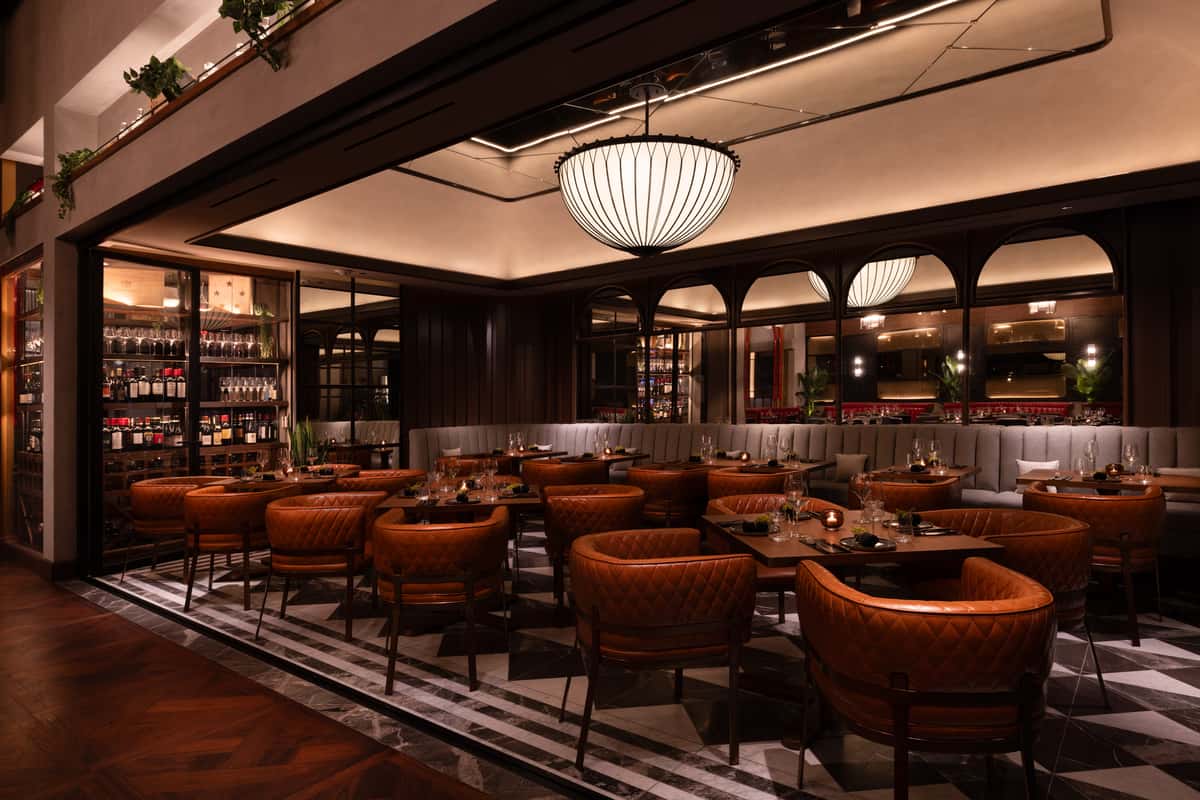
The design styles common in upscale dining spaces include Art Deco, contemporary minimalism, and material-rich interiors that use high-end finishes to communicate luxury. Fine dining environments frequently incorporate materials such as marble, velvet, brass, and crystal chandeliers to create an opulent setting aligned with a brand's identity. According to RFP Design Group, 73% of customers are more likely to return to a restaurant with visually appealing interiors, confirming that aesthetic investment directly drives retention.
Thoughtful spatial planning matters equally. Generous table spacing, considered artwork placement, and cohesive color palettes each reinforce a sense of exclusivity without requiring a single spoken word.
How does table setting impact the perception of ambiance?
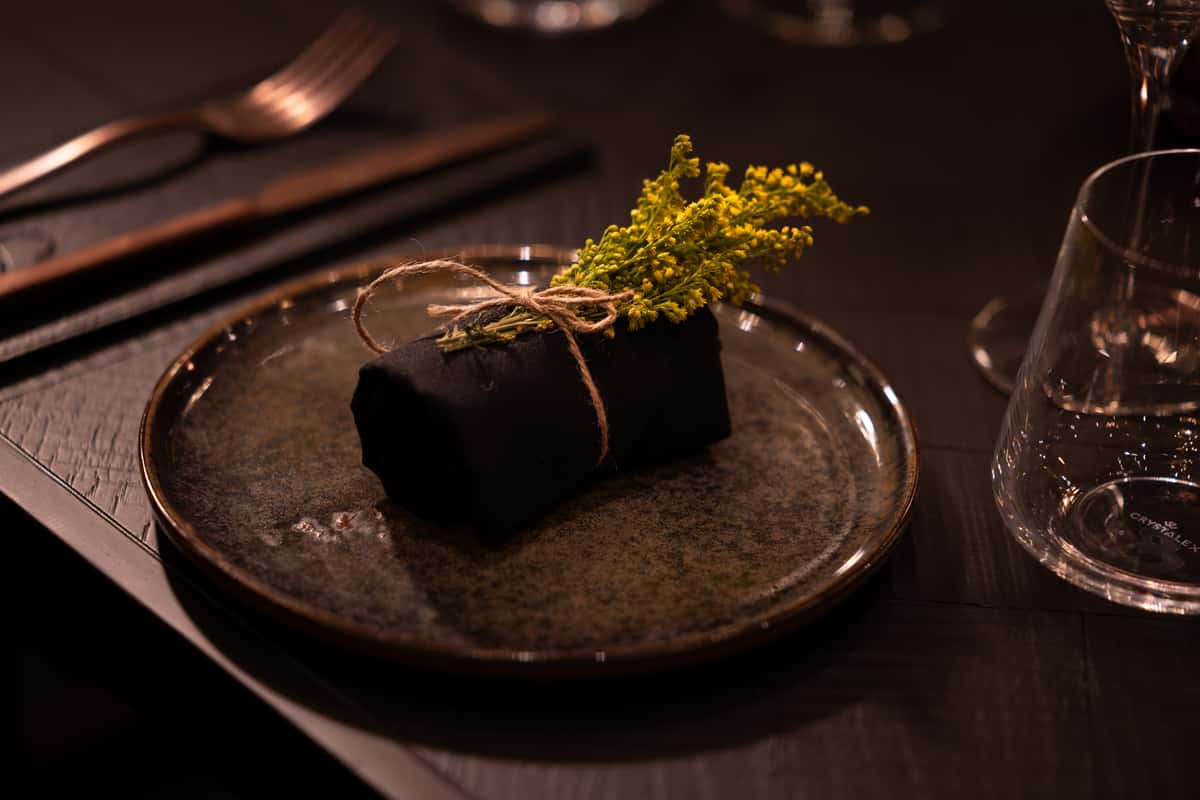
Table setting impacts the perception of ambiance by communicating quality before the first dish arrives. Every element, from linen weight to the heft of the silverware, shapes how guests judge the experience. A Malacasa analysis found that diners using heavier, banquet-style cutlery reported a 15% increase in willingness to pay and rated the food as significantly more artistic and higher in quality. Crisp linens, polished glassware, and precisely placed flatware function as material signals of care and craftsmanship.
A finely composed table setting is one of the most underestimated levers in fine dining design; it primes taste perception before a single course is served.
Why is lighting important in establishing a fine dining ambiance?
Lighting is important in fine dining ambiance because it directly shapes mood, comfort, food perception, and the quality of guest interaction. The following sections cover the specific techniques restaurants use and how light influences what guests see on the plate.
What lighting techniques are used to enhance mood and comfort?
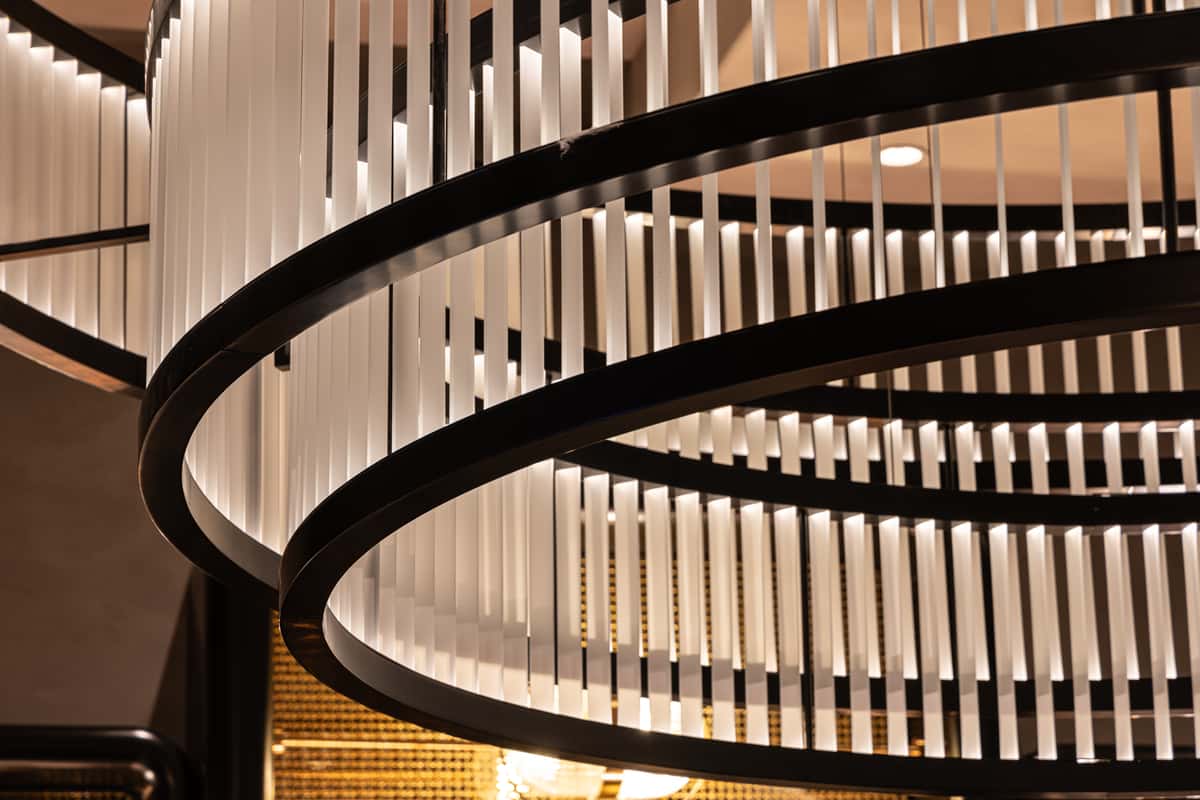
The lighting techniques used to enhance mood and comfort in fine dining include layered ambient light, accent lighting, and warm-toned sources in the 2,700–3,000K range. According to Scientific Reports research published via ResearchGate, multi-layered lighting is frequently utilized in upscale restaurant design to convey uniqueness, affect mood, and enhance the overall sensory experience of the space. Warm light, specifically, fosters a sense of safety and belonging, encouraging lingering conversation and emotional openness, while cooler tones feel clinical and less inviting. Layered lighting is especially valuable because it lets operators control intensity by zone, separating intimate table settings from brighter service corridors.
How does lighting affect food presentation and guest interaction?
Lighting affects food presentation and guest interaction by altering how color, texture, and freshness read on the plate. Warm white light at 2,700K is particularly effective at intensifying the red tones in meat and wine, signaling freshness and quality to the eye. A high Color Rendering Index of 90 or above ensures ingredients appear true to color rather than muted or distorted. Poor lighting undermines even exceptional plating, which makes this one of the most underestimated investments in the dining room.
In what ways does sound shape the fine dining experience?
Sound shapes the fine dining experience by controlling conversation comfort, emotional tone, and the pace at which guests dine. The following sections cover how restaurants engineer noise levels and how background music influences ambiance.
How do restaurants manage noise levels to maintain sophistication?
Restaurants manage noise levels by targeting an acoustic environment that supports relaxed, unforced conversation. According to a study modeled by the Journal of the Acoustical Society of America, a restaurant averaging 80 dB is perceived as twice as loud as one at 70 dB, requiring a minimum of 3 to 4 square meters of acoustic absorption area per person to achieve sufficient acoustic conditions. In practice, this means integrating soft furnishings, upholstered seating, wall panels, and ceiling treatments that absorb rather than reflect sound. Without deliberate acoustic engineering, even a beautifully designed room can feel chaotic, which directly undermines the sophistication a fine dining environment is meant to project.
What role does background music play in creating ambiance?
Background music plays a defining role in setting the emotional register and pacing of a fine dining experience. Tempo, volume, and genre collectively signal formality, cultural identity, and the intended rhythm of service. Slow-tempo selections encourage guests to linger, extending the duration of the meal and supporting a more immersive, course-by-course experience. Volume matters equally: music that competes with conversation forces guests to speak louder, which raises the overall noise floor and erodes the composed atmosphere fine dining depends on. Carefully curated playlists, kept at a low and consistent volume, reinforce intimacy without calling attention to themselves.
How do decor, lighting, and sound work together to deliver a cohesive fine dining environment?
Decor, lighting, and sound work together by operating as a unified sensory system, where each element reinforces the others to shape mood, perception, and guest behavior. The sections below cover best practices for balancing these elements and how top restaurants adapt ambiance across different occasions.
What are best practices for balancing these elements harmoniously?
The best practices for balancing decor, lighting, and sound harmoniously involve treating all three as interdependent layers rather than independent design choices.
Visually, materials like marble, velvet, and brass establish a premium baseline. Lighting must then complement that palette: according to Scientific Reports research, multi-layered lighting in upscale restaurants conveys uniqueness, affects mood, and enhances the overall sensory experience. Warm tones at 2700K intensify the richness of deep-colored surfaces and food, reinforcing what the decor already promises.
Sound completes the loop. Acoustic materials should be integrated into the interior fabric, not applied as afterthoughts, so absorption panels blend with finishes rather than disrupt them. Music tempo, volume, and genre should align with the visual energy of the space. A sleek, minimal interior with aggressive or erratic music creates a dissonance guests feel without necessarily identifying.
The best-performing fine dining environments treat design, illumination, and sound as a single brief, not three separate vendor contracts.
How do successful restaurants adapt ambiance for different events or times of day?
Successful restaurants adapt ambiance for different events or times of day by engineering flexibility directly into their core systems. Dimmer-controlled multi-circuit lighting allows the same room to shift from a bright pre-service setup to an intimate dinner glow without changing a fixture. Music playlists are curated by daypart: lighter, quieter selections during lunch service, deeper and more atmospheric arrangements as the evening progresses.
For private events or special occasions, adjustable zones let operators alter the sensory experience within one physical space. Partition screens, adjustable speaker zones, and modular furniture reconfigure both the acoustic and visual character of the room. Seasonal menu changes at concept-driven restaurants often prompt synchronized updates to playlist mood or accent lighting color temperature, keeping the full sensory experience narratively consistent with what is on the plate.
Adaptability, built in from the design phase, is what separates restaurants that feel effortlessly appropriate at any hour from those that feel locked into a single static mood.
How does Stubborn Seed Las Vegas craft a fine dining ambiance for its guests?
Stubborn Seed Las Vegas crafts a fine dining ambiance through a distinctive Art Deco-inspired interior, a curated multi-course tasting menu, and a commitment to sustainable gastronomy. The following sections explore how the restaurant's design and culinary vision work together.
How does Stubborn Seed create an elevated dining experience through ambiance and curated menus?
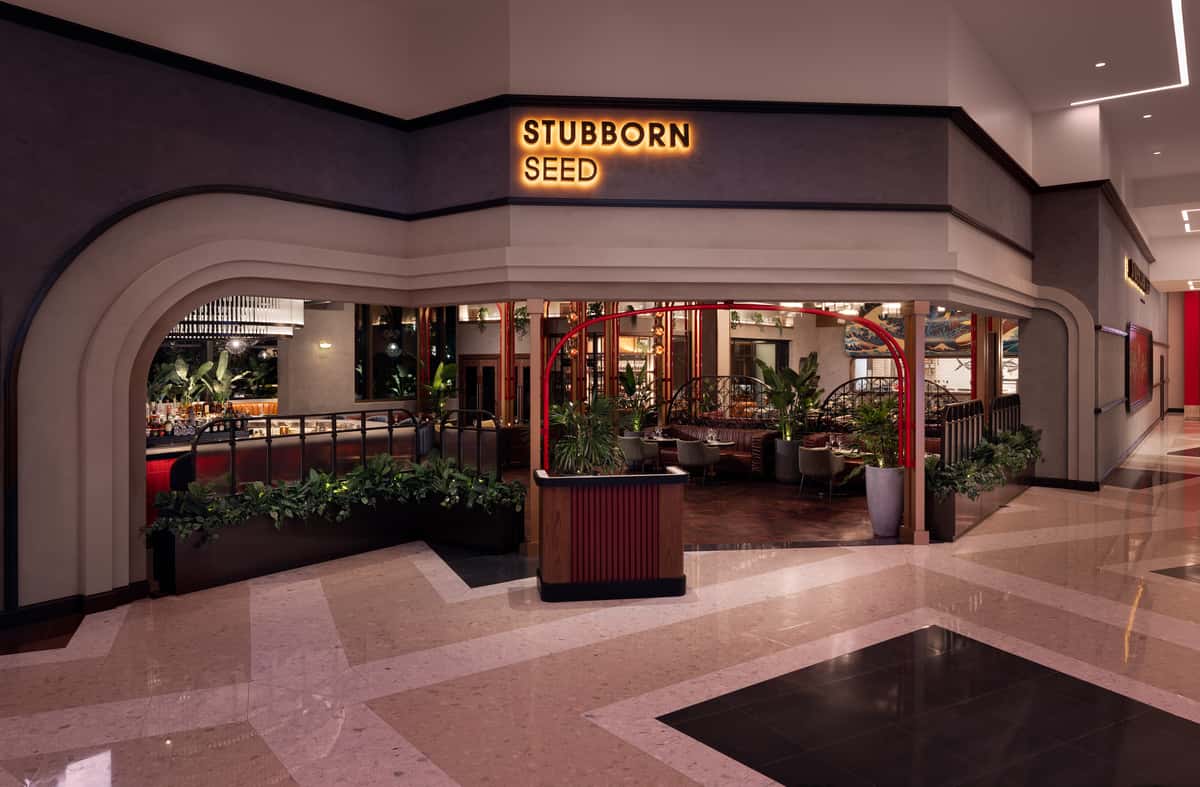
Stubborn Seed Las Vegas creates an elevated dining experience through a warm, intimate dining room with an Art Deco-inspired setting at Resorts World Las Vegas. This layered visual identity reinforces Chef Jeremy Ford's unapologetically refined culinary vision without relying on conventional fine dining formality.
Chef Jeremy Ford, winner of Bravo's Top Chef Season 13, brings his personality-driven and precise culinary style to tasting menus built from seasonal ingredients and fearless technique.Stubborn Seed received both a Michelin Star and a Michelin Green Star, recognizing Chef Ford's commitment to sustainable gastronomy. The environment and the menu are inseparable here: the intimate room signals intention before the first course arrives, and that alignment between space and plate is what distinguishes Stubborn Seed from other Las Vegas fine dining destinations.
What are the key takeaways about fine dining ambiance, decor, lighting, and sound?
The key takeaways about fine dining ambiance, decor, lighting, and sound are that every sensory layer must work in deliberate concert to elevate the guest experience. Decor anchors identity, as high-end materials and purposeful design communicate a restaurant's positioning before guests taste a single dish. According to Edward Martin, warm lighting fosters safety and belonging, encouraging lingering conversation and emotional openness, both essential to fine dining pacing. Sound management keeps noise within a comfortable conversational range, preventing the sensory fatigue that undermines luxury. Stubborn Seed Las Vegas demonstrates all three principles: its Art Deco interiors establish visual authority, its intimate room scale supports acoustic comfort, and its warm atmosphere invites guests to slow down and engage fully with the tasting menu experience.