
What is Italian Fine Dining? Guide to Cuisine & Experience
What is Italian Fine Dining? Guide to Cuisine & Experience
Italian fine dining, known as "alta cucina," is the elevation of regional Italian culinary tradition through technical precision, chef-driven interpretation, and origin-certified ingredients. It is distinguished from traditional Italian cooking not by abandoning heritage, but by reinterpreting it with discipline and creative authorship.
This guide covers how Italian fine dining is defined and built, what diners can expect from the full experience, how tasting menus and wine pairings create a cohesive narrative, the trends reshaping the category today, and how to evaluate and choose a fine dining restaurant in Las Vegas.
Italian fine dining begins with its ingredients and techniques. Over 261 Italian products carry EU-recognized DOP or IGP certification, and chefs apply modernist methods such as spherification and sous-vide cooking to honor, rather than erase, those regional foundations. The regional identity embedded in these ingredients, from Piedmont's white truffles to Sicily's refined seafood, provides the structural framework from which every elevated dish originates.
The diner experiences layers of ambiance, service, and a progressive multi-course structure, moving from amuse-bouche through dolce, with each stage orchestrated by a specialized kitchen brigade. Tasting menus build on this by pairing courses with wines such as Barolo, Brunello di Montalcino, and Amarone, guided by a sommelier who translates the kitchen's vision into the glass.
Contemporary Italian fine dining is evolving through chef-driven "cucina d'autore," zero-waste ingredient philosophy, and inclusive dietary design. In Las Vegas, Stubborn Seed applies these same standards through Chef Jeremy Ford's seasonally driven tasting menu, grounded in fearless technique and genuine culinary conviction.
How is Italian fine dining cuisine defined compared to traditional Italian food?
Italian fine dining cuisine is defined by its elevation of regional tradition through technical precision, chef-driven interpretation, and certified ingredient quality. The sections below cover the specific ingredients and techniques used, and how regional cuisines shape fine dining menus.
What ingredients and techniques distinguish Italian fine dining menus?
The ingredients and techniques that distinguish Italian fine dining menus are DOP and IGP-certified products, modernist preparation methods, and the "cucina d'autore" philosophy. Over 261 Italian products carry EU-recognized DOP or IGP status, guaranteeing origin-verified ingredients at every level of the menu.
Modernist techniques such as spherification, sous-vide cooking, and controlled gelification are increasingly used to enhance traditional flavors without abandoning cultural heritage. "Cucina d'autore" takes this further, incorporating avant-garde elements like liquid nitrogen and molecular gastronomy to express a chef's individual voice through classic Italian forms.
Chef Massimo Bottura captures this balance precisely: "looking at the past in a critical way, not in a nostalgic way." This distinction separates fine dining from traditional Italian cooking, which prioritizes replication of regional recipes rather than reinterpretation.
How do regional Italian cuisines influence fine dining interpretations?
Regional Italian cuisines influence fine dining interpretations by providing the foundational ingredients, flavor profiles, and cultural identity that chefs refine and recontextualize. Northern regions like Lombardy and Piedmont contribute richer profiles built on meats, butter, and coffee, while southern regions anchor menus in fish, pasta, and vegetables.
These distinctions extend to specific fine dining signatures:
- Tuscany contributes the bistecca alla fiorentina, prepared with precision butchery and minimal intervention.
- Sicily offers refined seafood preparations and cannoli elevated through technical plating.
- Emilia-Romagna brings ragù alla bolognese and balsamic vinegar-based reductions as foundational luxury elements.
- Lombardy is known for saffron-infused risotto alla milanese and ossobuco.
- Piedmont is celebrated for white truffles and Barolo-based reductions.
Chef Niko Romito, whose three-Michelin-starred restaurant Reale operates in Abruzzo, articulates this directly: "Italian food is a blend of memories connected to a territory and its products." Regional identity is not decorative in Italian fine dining; it is the structural foundation from which every elevated dish originates.
What can diners expect from the Italian fine dining experience?
Diners can expect a carefully orchestrated combination of ambiance, attentive service, and structured multi-course meals. The sections below cover how atmosphere, hospitality, and meal progression each contribute to the full experience.
How does the ambiance contribute to the authenticity of Italian fine dining?
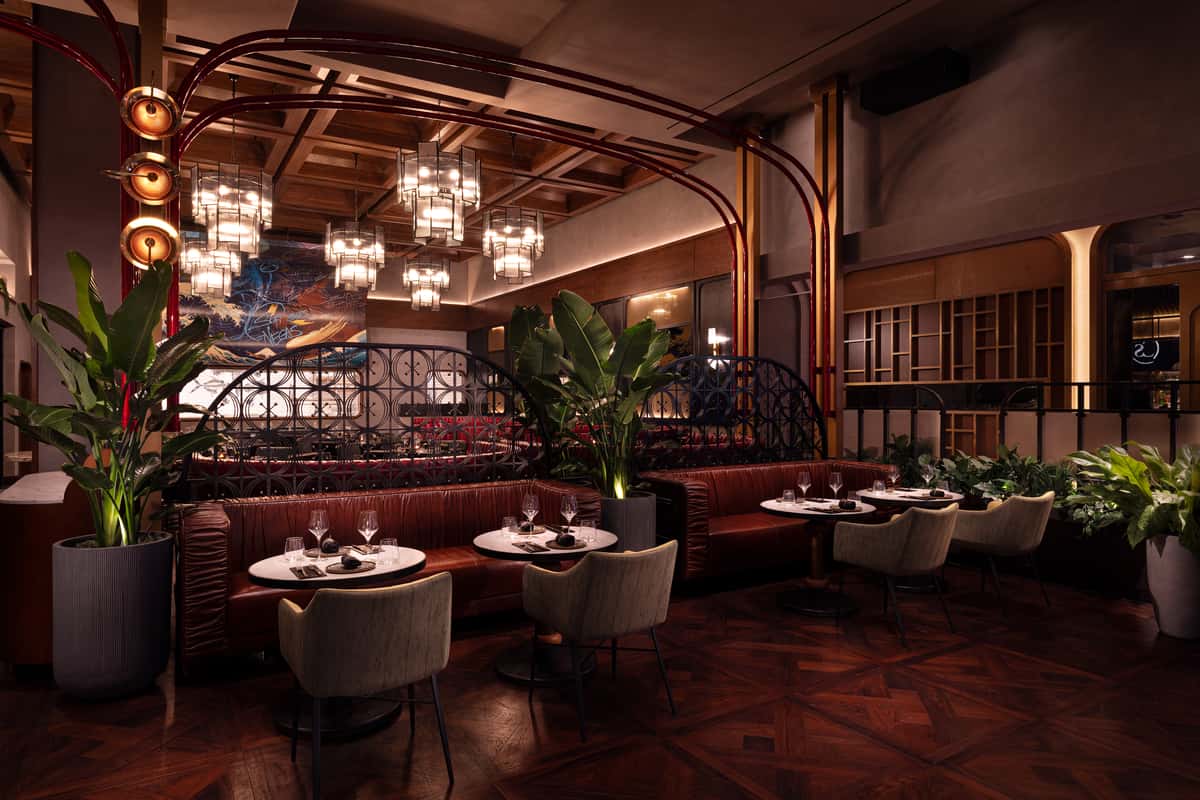
The ambiance contributes to authenticity by reinforcing the cultural and sensory identity of Italian hospitality. Lighting, acoustics, and spatial design work together to create an environment that feels intentional rather than incidental. In Italian fine dining, this often means warm, subdued illumination, natural materials, and a sense of quiet formality that honors the conviviality at the heart of Italian table culture. When the physical space reflects the same care applied to the food, the overall experience feels cohesive rather than performative.
How do service and presentation elevate the guest experience?
Service and presentation elevate the guest experience by transforming each course into a deliberate act of hospitality. Tableside preparation, precise plateware, and choreographed timing signal to guests that every detail has been considered. In Italian fine dining specifically, service follows the tradition of genuine warmth over stiff formality, where staff are knowledgeable about both ingredients and provenance. Presentation extends this philosophy visually: plating communicates the chef's intention before the first bite and frames the dish within its regional or seasonal context.
What is the typical structure of an Italian fine dining meal?
The typical structure of an Italian fine dining meal follows a progressive sequence designed to build flavor and pace the guest through multiple sensory stages. According to the Michelin Guide, fine dining meal structures typically include specialized courses such as the amuse-bouche, a bite-sized hors d'oeuvre, and a pre-dessert to cleanse the palate before the final dolce. A traditional Italian progression moves through antipasto, primo, secondo, contorno, formaggi, and dolce, with each course served at deliberate intervals. The kitchen brigade system, the standard operational structure in fine dining, supports this consistency through specialized roles including the Chef de Cuisine, Sous Chef, and Chef de Partie. This level of coordination is what separates a fine dining progression from a conventional restaurant meal.
How do tasting menus and wine pairings enhance Italian fine dining?
Tasting menus and wine pairings enhance Italian fine dining by creating a sequential, immersive narrative where each course and glass builds on the last. The sections below cover the sommelier's role and the principles behind tasting menu curation.
What role do sommeliers play in the Italian fine dining setting?
Sommeliers play a central role in the Italian fine dining setting by translating the kitchen's vision into a complementary wine program. A skilled sommelier reads the progression of flavors across courses and selects wines that either contrast or amplify each dish's character, guiding guests through regions and varietals they may not encounter independently.
Premium Italian pairings frequently anchor around what the industry calls "The Three Kings": Barolo, Brunello di Montalcino, and Amarone, all considered benchmarks for luxury pairing programs. These bold, structured wines are matched with precision to courses of comparable weight and intensity.
The sommelier's value extends beyond selection. Guest education, confident pacing, and the ability to adapt to dietary preferences or budget make the sommelier one of the most influential figures in the room.
How are tasting menus curated in top Italian fine dining restaurants?
Tasting menus in top Italian fine dining restaurants are curated as a deliberate arc: lighter, more delicate courses open the experience, building toward richer, more complex preparations before concluding with restrained, refined desserts. Each course is chosen to reflect the chef's culinary identity, highlight seasonal ingredients, and support the wine program.
Curation decisions also account for texture contrast, regional storytelling, and pacing between courses. The finest programs are rebuilt seasonally, ensuring every visit offers a fresh narrative grounded in what is best at that moment.
This intentional structure is precisely what separates a tasting menu from ordering à la carte, making it the most complete expression of a kitchen's capabilities.
What are the trends shaping Italian fine dining today?
The trends shaping Italian fine dining today include chef-driven creative reinvention of classical dishes, zero-waste ingredient philosophy, and expanding dietary accommodations. The sections below explore how culinary creativity and inclusivity are defining the modern Italian fine dining landscape.
How is modern chef-driven creativity influencing Italian fine dining?
Modern chef-driven creativity influences Italian fine dining through "cucina d'autore," a philosophy where chefs express personal interpretations of tradition using avant-garde techniques such as molecular gastronomy and liquid nitrogen. Chef Massimo Bottura defines this approach as "looking at the past in a critical way, not in a nostalgic way," producing landmark dishes like his "Oops! I dropped the lemon tart." Zero-waste thinking amplifies this creativity further, with 2026 "waste-to-value" systems transforming food scraps into high-value culinary components, according to Tastewise. This tension between reverence and reinvention is, arguably, what makes contemporary Italian fine dining the most intellectually compelling cuisine category operating today.
What dietary accommodations are becoming prominent in contemporary Italian fine dining?
The dietary accommodations becoming prominent in contemporary Italian fine dining include plant-forward menus, gluten-free pasta adaptations, and allergen-transparent tasting structures. The global fine dining market is projected to grow from $191.11 billion in 2025 to $289.87 billion by 2031 at a 7.19% CAGR, per TechSci Research, driven partly by restaurants attracting broader audiences through inclusive menu design. Chefs increasingly build tasting menus with modular courses that can be substituted without compromising the overall narrative arc of a meal. This approach reflects a maturing industry that recognizes dietary inclusivity as a hospitality standard, not an afterthought.
What should you consider when choosing an Italian fine dining restaurant in Las Vegas?
Choosing the right Italian fine dining restaurant in Las Vegas depends on several factors. The sections below cover how location and atmosphere shape your experience, and what chef credentials and reputation signal genuine dining excellence.
How do location and atmosphere impact your Italian fine dining experience in Las Vegas?
Location and atmosphere directly impact your Italian fine dining experience in Las Vegas by shaping comfort, accessibility, and the overall mood of the meal. A restaurant's physical environment sets expectations before a single dish arrives. Lighting plays a measurable role: professional guidelines recommend maintaining illumination between 150 and 200 lux in dining areas, according to Restaurantware, to achieve a comfortable, high-end atmosphere. Placement within a resort corridor versus a standalone venue also affects noise levels, privacy, and pacing. For Italian fine dining specifically, atmosphere should reinforce the cuisine's sensibility, with considered design choices that allow conversation, attentive service flow, and a sense of occasion.
What should you look for in chef credentials and restaurant reputation?
Chef credentials and restaurant reputation are the clearest indicators of consistent quality in a Las Vegas Italian fine dining setting. Look for chefs with verifiable culinary training, competition recognition, or Michelin-noted experience. A documented culinary philosophy, such as a commitment to seasonal sourcing or regional Italian technique, signals intentionality rather than trend-chasing. Guest review patterns across platforms, industry awards, and menu transparency each provide additional trust signals. Reputation is built over time and reflected in both critical recognition and repeat clientele, making it one of the most reliable filters when evaluating fine dining options in a competitive market like Las Vegas.
How does Stubborn Seed bring a fine dining approach to its Las Vegas guests?
Stubborn Seed brings a fine dining approach to its Las Vegas guests through chef-driven tasting menus, fearless technique, and a culinary philosophy rooted in elevating honest ingredients to their most expressive form. The sections below cover the tasting menu structure and key takeaways from this guide.

How does the curated tasting menu at Stubborn Seed exemplify fine dining excellence?
The curated tasting menu at Stubborn Seed exemplifies fine dining excellence by combining seasonal innovation with the technical precision that defines alta cucina. According to Euro-Toques Italia, alta cucina (high cuisine) prioritizes heritage, hospitality, and technical precision as the defining standards of culinary excellence. Chef Jeremy Ford, a Top Chef winner, applies that standard through what OpenTable describes as an "unapologetically refined" philosophy: taking honest ingredients and elevating them to their most expressive form through fearless technique. Stubborn Seed operates within Resorts World Las Vegas, placing this level of craft at the center of one of the world's most competitive dining markets. In a city saturated with celebrity chef concepts, a tasting menu driven by genuine culinary conviction is what separates a memorable meal from a transactional one.
What are the key takeaways about Italian fine dining cuisine and experience discussed here?
The key takeaways about Italian fine dining cuisine and experience are that excellence is built through technique, regionality, and intentional hospitality. Italian fine dining begins with alta cucina principles: DOP and IGP-certified ingredients, classical structure from amuse-bouche through dolce, and service precision rooted in the kitchen brigade system. Regional identity shapes every dish, whether through Lombardy's butter-rich preparations or Sicily's refined seafood. Wine pairings anchored by Barolo, Brunello di Montalcino, and Amarone deepen the experience. Stubborn Seed translates these values to Las Vegas, offering guests a tasting menu that reflects the same fearless creativity and seasonal rigor that defines the world's best fine dining tables.