
What Is Modern American Cuisine? Detailedly Explained
What Is Modern American Cuisine? Detailedly Explained
Modern American cuisine is a chef-driven culinary style that originated in the 1980s, defined by the fusion of traditional American techniques with global flavors and a commitment to high-quality, locally sourced ingredients.
This guide covers the cuisine's historical evolution, its defining characteristics and global influences, how fine dining restaurants express it through menus and plating, and what diners can expect from it in Las Vegas.
Modern American cuisine emerged from layered immigrant traditions, regional experimentation, and pioneering figures who reframed how American kitchens sourced and combined ingredients. Understanding where it came from clarifies why it looks and tastes the way it does today.
Its key characteristics include farm-to-table sourcing, globally integrated flavors, and a technical range that draws from wood-fire cooking, precision methods, and fermentation. Presentation has shifted toward expressive, textural plating that communicates a dish's intent before the first bite.
Global influence runs through every aspect of the cuisine. Chefs adapt Japanese, Mexican, West African, and Southeast Asian traditions not as novelties but as structural tools, pairing locally sourced proteins with international sauces, spice profiles, and preparation methods to produce menus that are both rooted and far-reaching.
Fine dining formats, particularly multi-course tasting menus, give chefs the space to express this cuisine at its most deliberate. A tasting menu typically runs two to three hours, building flavor and texture progressively rather than presenting dishes in isolation.
In Las Vegas, this cuisine takes on additional character through hyper-local sourcing and a visitor culture that actively seeks premium culinary experiences. Stubborn Seed brings all of these principles together through Jeremy Ford's seasonally driven, precisely executed tasting menus.
How Did Modern American Cuisine Emerge and Evolve Over Time?
Modern American cuisine emerged through decades of shifting culinary philosophies, immigrant traditions, and regional experimentation. The sections below cover the historical influences that built its foundation and the social forces that continue to shape its direction.
What Historical Culinary Influences Shaped Modern American Cuisine?
Modern American cuisine is a culinary style that originated in the 1980s, characterized by the fusion of traditional American techniques with global flavors and a focus on high-quality, often local, ingredients. The "New American" label describes dishes that adapt familiar American staples using international influences, such as ribeye served with nuoc cham or mac and cheese with kewpie mayo.
West African culinary traditions have also left a lasting imprint, with ancient grains, wood-fire cooking methods, and complex regional spice blends appearing with increasing frequency on American menus. These layered contributions make the cuisine genuinely difficult to reduce to a single origin story. As L.A. Times critic Bill Addison noted, the term "fusion" can function as a "hydra of a slur" that oversimplifies the complex history behind these culinary traditions.
How Have Social and Cultural Changes Impacted Its Development?
Social and cultural changes have impacted the development of Modern American cuisine by elevating consumer demand for transparency, sustainability, and ingredient integrity. Growing awareness around food sourcing has pushed chefs to forge direct relationships with local farmers and prioritize seasonal menus over static offerings. According to the National Restaurant Association, approximately 38% of adult consumers are more likely to frequent a restaurant that offers locally sourced food products, signaling that this shift is as much economic as it is cultural. Immigration waves, changing demographics, and wider exposure to global cuisines through travel and media have all contributed, giving chefs broader creative permission to integrate unfamiliar ingredients and techniques without treating them as novelties.
What Are the Key Characteristics and Techniques of Modern American Cuisine?
The key characteristics of modern American cuisine include globally integrated flavors, farm-to-table sourcing, and chef-driven creativity. The following sections cover the distinguishing ingredients, plating philosophy, and cooking methods that define this style.
Which Ingredients and Sourcing Practices Distinguish This Style?
The ingredients and sourcing practices that distinguish modern American cuisine center on local, seasonal, and globally inspired produce. Alice Waters, who founded Chez Panisse in 1971, pioneered the culinary philosophy that prioritizes fresh, local, and seasonal ingredients, establishing the foundation of the farm-to-table movement. Wolfgang Puck's Chinois on Main, established in 1983, further shaped the California fusion approach by integrating Asian ingredients into Western culinary structures. Together, these influences established two defining ingredient philosophies:
- Regional sourcing: Local produce, proteins, and dairy selected at peak seasonal availability.
- Global pantry expansion: Asian, Latin, and other international staples incorporated into classically American frameworks.
This dual approach gives modern American menus both a sense of place and remarkable range.
How Do Chefs Use Plating and Presentation in Modern American Cuisine?
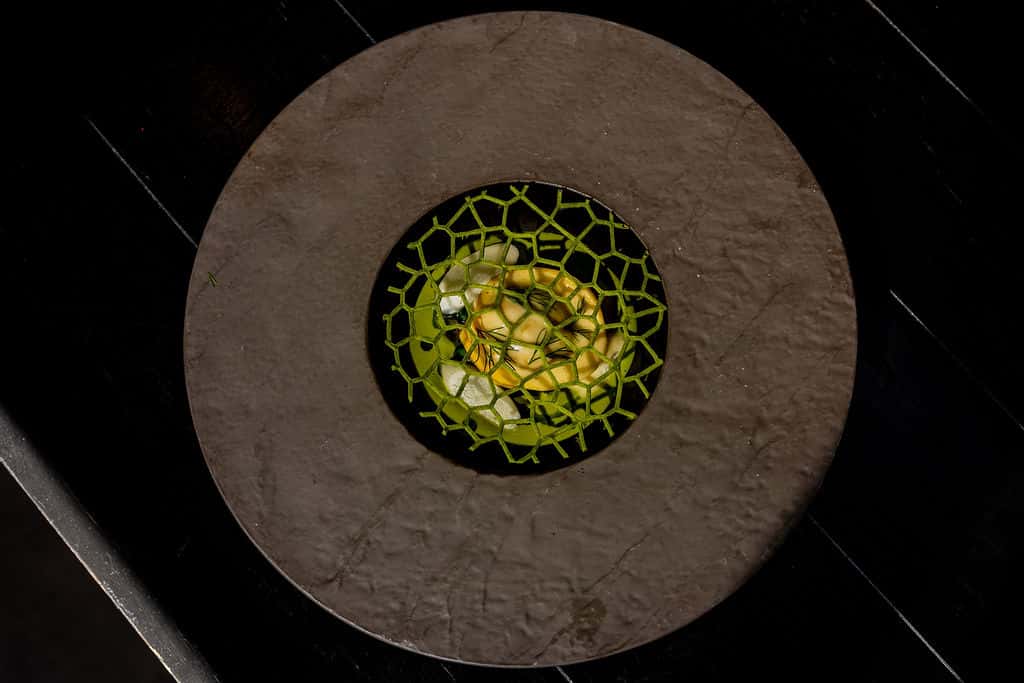
Chefs use plating and presentation in modern American cuisine to communicate a dish's textural complexity and flavor intent before the first bite. According to a 2025 report by New York Street Food, plating trends are now characterized by "imperfect plating," which prioritizes textural contrast and diverse mouthfeel over sterile, precise presentation. Rather than symmetrical, architectural arrangements, contemporary plating embraces organic forms, layered textures, and visual spontaneity. This shift reflects a broader philosophical move: the plate should feel expressive and ingredient-driven, not merely decorative.
What Cooking Methods Are Most Commonly Used?
The cooking methods most commonly used in modern American cuisine combine classical European technique with global traditions. Common methods include:
- Wood-fire and open-flame cooking: Borrowed from West African and Latin traditions for deep charred flavor.
- Precision techniques: Such as sous vide and temperature-controlled braising for consistent, refined results.
- Fermentation and pickling: Applied to proteins, vegetables, and condiments to build acidity and complexity.
- High-heat searing: Used on proteins to develop crust and concentrate flavor before finishing in the oven.
Modern American kitchens rarely rely on a single tradition, making technical versatility one of the cuisine's most defining traits.
How Does Modern American Cuisine Incorporate Global Influences?
Modern American cuisine incorporates global influences by adapting international flavors, techniques, and ingredients into familiar American culinary frameworks. The following sections cover which traditions are adapted and how chefs blend regional and global elements on the plate.
What International Flavors and Traditions Are Adapted?
The international flavors and traditions adapted in modern American cuisine include Japanese, Mexican, West African, and Southeast Asian culinary systems. According to the Michelin Guide, Japanese-Mexican hybrid dishes such as pickled octopus tostadas and sushi burritos combine traditional regional techniques into cohesive new forms. West African influences appear through ancient grains, wood-fire cooking methods, and complex spice blends increasingly present on American menus. Southeast Asian flavors enter through condiments and sauces, with dishes like ribeye paired with nuoc cham reframing classic American proteins through a Vietnamese lens.
These borrowings are rarely superficial. When executed thoughtfully, global adaptation deepens flavor complexity rather than simply adding novelty, and the most compelling results respect the source tradition's original logic.
How Do Chefs Blend Regional American and Global Ingredients?
Chefs blend regional American and global ingredients by pairing locally sourced proteins and produce with internationally derived sauces, spice profiles, and preparation methods. A domestic ingredient such as mac and cheese becomes a vehicle for global flavor when finished with kewpie mayo, as noted by Bon Appétit. Wolfgang Puck's Chinois on Main, established in 1983, demonstrated this approach early by integrating Asian ingredients into Western culinary structures, establishing a replicable creative model. Regional American sourcing provides the ingredient foundation, while global technique and seasoning provide the transformative layer.
This blending strategy remains one of the most effective ways modern chefs generate distinctive menus without abandoning culinary identity.
What Types of Dishes and Menus Are Typical in Modern American Cuisine?
Typical dishes and menus in Modern American cuisine range from multi-course tasting experiences to inventive signature plates that blend regional and global ingredients. The sections below cover how tasting menus are structured and which course formats define this style.
How Do Tasting Menus Reflect the Style of Modern American Cuisine?
Tasting menus reflect the style of Modern American cuisine by presenting a sequential, chef-curated progression of courses that showcases seasonal ingredients, global technique, and creative interpretation in a single sitting. Each course functions as a discrete statement, building a coherent culinary narrative from start to finish. According to Kaviar Restaurants, a comprehensive Modern American tasting menu typically lasts two to three hours, giving chefs the time to pace flavors and guide diners through contrasting textures and preparations. This format is well-suited to Modern American cuisine because it rewards the "chef-driven menu" philosophy, where frequent innovation replaces static offerings. For diners, the tasting menu format is the clearest window into a chef's current creative direction.
What Are Popular Course Structures or Signature Dishes?
Popular course structures in Modern American fine dining typically progress through amuse-bouche, cold and warm appetizers, a fish course, a meat or poultry course, a pre-dessert palate cleanser, and a plated dessert. Signature dishes frequently reinterpret American staples through global technique, such as ribeye served with nuoc cham or mac and cheese elevated with kewpie mayo. These adaptations reflect the cuisine's defining characteristic: familiar comfort as a foundation, with precise international layering on top. The most memorable Modern American dishes tend to anchor one recognizable ingredient and transform it through unexpected preparation, making the dish both approachable and surprising.
How Do Upscale Restaurants Showcase Modern American Cuisine?
Upscale restaurants showcase modern American cuisine through chef-driven menus, precise technique, and immersive tasting experiences. The sections below examine what separates fine dining interpretations from casual ones and how tasting menus function as a canvas for chef creativity.
What Sets Fine Dining Interpretations Apart from Casual Ones?
Fine dining interpretations of modern American cuisine are set apart by their emphasis on ingredient provenance, deliberate technique, and highly composed presentations. Where casual restaurants adapt American staples loosely, upscale kitchens treat every element of a dish as intentional. Chef Jeremiah Tower's restaurant Stars, opened in San Francisco in 1984, exemplified this standard by anchoring California Regional cooking in seasonal sourcing and disciplined refinement. The result was a dining experience that elevated familiar ingredients through context and craft rather than novelty alone. In fine dining, the philosophy behind a dish matters as much as its execution, and that intellectual dimension is largely absent from casual interpretations.
How Do Tasting Menus Highlight Chef Creativity?
Tasting menus highlight chef creativity by structuring an evening around a deliberate sequence of courses that builds flavor, texture, and narrative progressively. Each course functions as a distinct expression of the chef's current thinking, shaped by seasonality and technique. As Chef Thomas Keller has stated, "A recipe has no soul. You, as the cook, must bring soul to the recipe." That philosophy is most visible in the tasting menu format, where no single course can rely on familiarity. The progression itself becomes the creative statement, rewarding diners who engage with the full arc of the meal rather than selecting individual dishes.
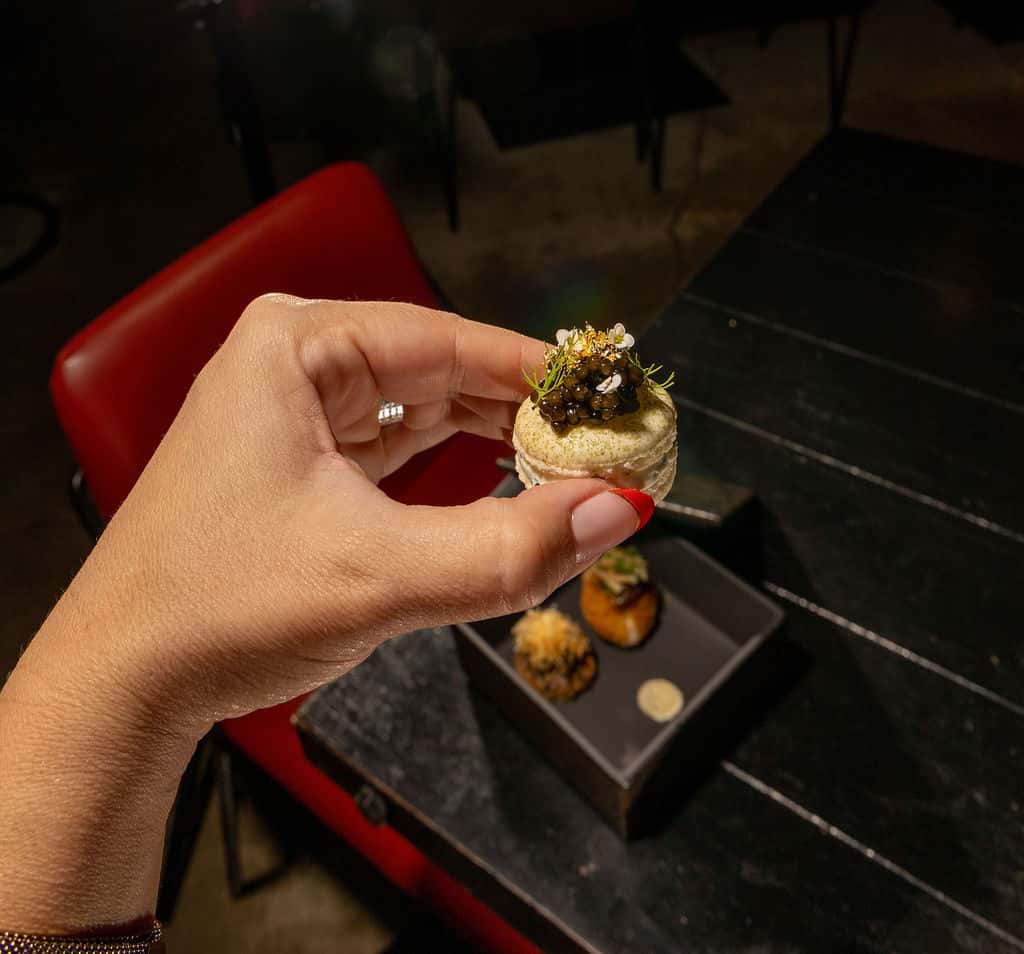
What Should Diners Expect When Experiencing Modern American Cuisine in Las Vegas?
Diners experiencing modern American cuisine in Las Vegas can expect hyper-local sourcing, chef-driven menus, and immersive multi-course formats. The sections below cover how local ingredients shape offerings and what makes the Las Vegas dining environment distinctively suited to this cuisine style.
How Do Local Ingredients and Trends Influence Offerings?
Local ingredients influence Las Vegas modern American offerings through partnerships with regional producers who prioritize freshness and seasonal availability. Desert-climate sourcing challenges push chefs toward creative solutions, including on-Strip mushroom cultivation, that keep menus dynamic and responsive to what is genuinely available rather than what is merely imported.
What Makes Dining in Las Vegas Distinctive for This Cuisine?
Dining in Las Vegas is distinctive for modern American cuisine because the city combines world-class culinary talent with a visitor base that actively seeks premium food experiences. Hyper-local sourcing in the Las Vegas desert includes gourmet mushrooms harvested directly on the Las Vegas Strip to ensure optimal freshness for high-end dining, according to Desert Moon Farms. This commitment to proximity-driven quality, paired with Las Vegas's culture of culinary ambition, creates conditions where modern American cuisine can reach its most refined expression.
How Does Stubborn Seed Offer a Modern American Culinary Experience in Las Vegas?
Stubborn Seed offers a modern American culinary experience in Las Vegas through chef-driven tasting menus, seasonal ingredient sourcing, and refined contemporary plating. The sections below cover how its multi-course format reflects modern American cuisine and what key lessons this restaurant illustrates about the style overall.
How Do Stubborn Seed's Multi-Course Tasting Menus Reflect Modern American Cuisine?
Stubborn Seed's multi-course tasting menus reflect modern American cuisine through Jeremy Ford's "unapologetically refined" culinary philosophy, which transforms seasonal ingredients using precise execution. Each course functions as a deliberate expression of that philosophy, moving diners through a progression of flavors rather than a static meal. According to Resorts World Las Vegas, Ford's approach centers on elevating familiar ingredients through technique, which is precisely what defines the modern American style at its finest. Visitors to Las Vegas spent a record average of $615.07 on food and beverages in 2024, signaling strong diner appetite for elevated experiences of this kind. Stubborn Seed meets that appetite with a format that earns every course its place.
What Are the Key Takeaways About What Is Modern American Cuisine? Detailedly Explained We Covered?
The key takeaways about modern American cuisine are that it is chef-driven, globally influenced, seasonally grounded, and committed to precise, expressive presentation. The style originated in the 1980s and has since grown into a defining force across fine dining. Its core principles include:
- Chef-driven innovation: Menus evolve frequently, prioritizing creative flexibility over static offerings.
- Global integration: Techniques and flavors from international traditions are woven into American culinary foundations.
- Seasonal sourcing: Local, fresh ingredients shape every menu cycle.
- Intentional plating: Presentation communicates technique, texture, and chef identity.
- Tasting menu format: Multi-course progressions allow chefs to tell a complete culinary story.
Stubborn Seed in Las Vegas embodies all five principles, making it a strong local example of what modern American cuisine looks like when executed at the highest level.