
What is Summer Sausage?
What is Summer Sausage?
Summer sausage is a fermented, semi-cooked, and smoked sausage made from lean beef, pork, or venison, traditionally produced through a layered process of bacterial fermentation, curing, and staged heat treatment. Its roots trace to 19th-century German immigrant foodways, and its science-driven shelf stability has kept it a charcuterie staple for generations.
This guide covers how summer sausage is made, what sets it apart from other cured meats, the varieties and flavors available, how to serve and pair it, its history and cultural origins, food safety and storage essentials, and where Las Vegas diners can experience it at its finest.
Summer sausage production begins with a precise combination of lean meat, curing salts, and lactic acid bacteria starter cultures. Fermentation drops the pH from roughly 5.62 to a target of 4.8, followed by smoking at staged temperatures that climb to around 170°F and a final internal cook to 155°F to 160°F.
What distinguishes summer sausage from salami, pepperoni, and bologna comes down to processing method, texture, and moisture retention. Unlike air-dried salami or emulsified bologna, summer sausage is smoked, semi-cooked, and coarser in grind, producing a softer, tangy slice with a milder flavor built around mustard seed and garlic.
Varieties range from classic beef and pork blends to venison mixed with 20 to 25% pork fat, each shaped by regional traditions rooted in European cervelat-style sausages.
Summer sausage holds its place on charcuterie boards because it pairs naturally with aged cheeses, olives, and wines ranging from sparkling to light-bodied reds, and requires no preparation beyond slicing.
Its history runs through Germanic gift-giving customs, where cured meats that kept without refrigeration became both practical staples and seasonal gifts, a tradition that persists in holiday gifting today.
Once opened, summer sausage requires refrigeration and is best consumed within 3 weeks, though shelf-stable versions remain safe and ready to eat straight from the package before cutting.
How is summer sausage traditionally made?
Summer sausage is traditionally made through fermentation, curing, and smoking. The sections below cover the core ingredients and preservation methods that define this process.
What are the key ingredients used in summer sausage?
The key ingredients used in summer sausage are lean beef, pork, or fatty pork trimmings, combined with salt, sugar, sodium nitrite, and lactic acid bacteria starter cultures. According to ScienceDirect, summer sausage carries a fat content of around 30%, which contributes to its characteristic texture and richness. Spices such as mustard seed, black pepper, and garlic round out the flavor profile.
- Protein base: Lean beef, pork, or fatty pork trimmings
- Curing agents: Salt, sugar, and sodium nitrite
- Biological starters: Lactic acid bacteria cultures
- Seasoning: Mustard seed, black pepper, and garlic
The combination of curing salts and live bacterial cultures is what separates summer sausage from fresh sausages, and it is why the flavor develops such a distinct tangy depth.
What curing and preservation methods are involved in making summer sausage?
The curing and preservation methods involved in making summer sausage are fermentation, smoking, and heat treatment applied in sequence. Fermentation lowers the pH from approximately 5.62 before fermentation to a target of 4.8, after which the sausage is cooked to an internal temperature of 54.4°C, according to Iowa State University Digital Press. Smoking occurs at staged temperatures, gradually rising to around 170°F until an internal temperature of 155°F to 160°F is reached.
- Fermentation: Lactic acid bacteria reduce pH and water activity simultaneously.
- Smoking: Staged heat application develops flavor and further reduces moisture.
- Heat treatment: Final cook confirms food safety and texture.
Understanding these layered methods makes clear why summer sausage achieves shelf stability through science rather than refrigeration alone.
What distinguishes summer sausage from other types of sausage?
Summer sausage is a fermented, semi-cooked sausage produced from lean beef, pork, or fatty pork trimmings, with a fat content of around 30%. The sections below compare it to salami, pepperoni, and bologna, then explain what makes it shelf stable.
How does summer sausage differ from salami, pepperoni, and other cured meats?
Summer sausage differs from salami, pepperoni, and bologna in processing method, texture, and flavor. Semidry sausages like summer sausage are almost always smoked and receive a final heat treatment, whereas dry sausages like Genoa salami are normally not smoked and undergo longer air drying for a firmer texture. Summer sausage retains more moisture than salami, making it softer and easier to slice. Pepperoni delivers a spicy, smoky punch, while summer sausage offers a milder, tangy profile built around mustard seed and garlic. Bologna sets itself further apart: it uses meat pureed into a fine emulsion, whereas summer sausage uses a coarser grind. Understanding these distinctions makes it easier to select the right cured meat for a charcuterie board or recipe.
Why is summer sausage often associated with shelf stability?
Summer sausage is associated with shelf stability because its combined pH and water activity thresholds inhibit bacterial growth without refrigeration. According to the University of Wisconsin-Madison Food Safety program, a semi-dried, fermented, fully cooked summer sausage with a pH of 4.8 or lower is shelf stable as long as water activity does not exceed 0.96. German immigrants brought this tradition to the American Midwest in the 19th century, where it earned the nickname "soul food of the Germans" precisely because it kept without a cold cellar. Smoking at staged temperatures, typically rising to around 170°F until an internal temperature of 155°F to 160°F is reached, further ensures food safety. For most consumers, this shelf stability is the single most practical advantage summer sausage holds over fresh or cooked sausages.
What varieties and flavors of summer sausage are available?
Summer sausage varieties range from classic beef and pork blends to wild game options like venison, each shaped by regional traditions and distinct seasoning profiles. The H3s below cover cultural and regional recipe differences, as well as the most common meat blends used in production.
Are there regional or cultural differences in summer sausage recipes?
Regional and cultural differences in summer sausage recipes are significant, rooted in the European cervelat tradition that American versions are modeled after. Thuringer-style sausages lean tangy and mildly spiced, while Midwestern commercial varieties tend toward a sweeter, smokier profile. Artisan producers often follow old-world fermentation methods, relying on native bacterial cultures rather than industrial starters. According to a study published in the International Journal of Food Microbiology, artisan fermented sausages frequently possess unique sensory characteristics that industrially inoculated products cannot fully replicate. Regional smokehouse traditions, particularly in Wisconsin and the upper Midwest, have also shaped distinct house recipes passed down through generations.
What meats are commonly used in summer sausage blending?
The meats commonly used in summer sausage blending are beef, pork, and venison, often combined to balance fat content, texture, and flavor. Beef provides the foundational savory base, while pork fat adds moisture and richness. Venison summer sausage is a popular variation, frequently blended with 20 to 25% pork fat to prevent the lean wild game meat from drying out. Seasoning anchors each blend's identity: mustard seed, black pepper, and garlic are the characteristic spices that define summer sausage's familiar flavor profile regardless of the meat combination used. Choosing the right meat ratio is arguably as important as fermentation itself in achieving the right texture.
How is summer sausage typically served and enjoyed?
Summer sausage is typically served sliced and paired with complementary flavors like cheese, crackers, and wine. The sections below cover popular pairings and its role on charcuterie boards.
What are popular pairings and serving suggestions for summer sausage?
Popular pairings for summer sausage include sharp cheddar, aged gouda, whole-grain mustard, cornichons, and artisan crackers. Its tangy, smoky flavor also pairs well with beverages such as sparkling wine, light-bodied or aromatic white wines, rosé, and light-to-medium-bodied reds. Because summer sausage is pre-cooked and shelf-stable before opening, it requires no preparation beyond slicing, making it one of the most effortless proteins to serve at gatherings of any size. For most casual entertaining situations, letting the sausage come to room temperature for 10 to 15 minutes before serving noticeably improves its flavor and texture.
Is summer sausage suitable for charcuterie boards or appetizers?
Summer sausage is an excellent choice for charcuterie boards and appetizers. Its firm yet sliceable texture, bold flavor, and visual appeal make it a natural centerpiece alongside thinly sliced salami, prosciutto, olives, brie, and other cheeses. According to charcuterie guidance, plan for roughly 2 to 3 ounces of total meat and 3 ounces of total cheese per person to build a well-proportioned board. Summer sausage anchors boards particularly well because it holds its shape, resists drying out quickly, and complements both mild and sharp accompaniments without overpowering them.
What is the history and origin of summer sausage?
Summer sausage originated in Europe and was carried to America by German immigrants in the 19th century. The sections below cover how it gained popularity in American cuisine and which traditions and holidays keep it relevant today.
How did summer sausage become popular in American cuisine?
Summer sausage became popular in American cuisine through German immigrant communities who settled across the Midwest during the 1800s. They brought cured meat traditions that required no refrigeration, making summer sausage a practical staple in an era before modern cold storage. According to InsideHook, German immigrants regarded summer sausage as the "soul food of the Germans" precisely because of its remarkable keeping quality without refrigeration. The name itself reflects these roots: the sausage was manufactured during summer months when controlling microbial growth was essential for safety and shelf life.
What traditions or holidays commonly feature summer sausage?
The traditions and holidays most commonly featuring summer sausage are rooted in Germanic gift-giving culture, particularly Christmas. German immigrants who shaped 19th-century American holiday customs, including the popularization of Christmas trees and food-related gifting, also embedded cured meats like summer sausage into seasonal gift baskets and holiday spreads. Its long shelf life made it an ideal gift that could be shipped or stored through the winter season. That association between summer sausage and winter holiday gifting persists today, cementing its place as a seasonal tradition far beyond its summer manufacturing origins.
Is summer sausage safe to eat without cooking?
Summer sausage is safe to eat without cooking because it is fully fermented, semi-cooked, and smoked during production. The following sections cover storage shelf life and refrigeration requirements after opening.
What should consumers know about storage and shelf life of summer sausage?
Consumers should know that summer sausage is designed for safe consumption without further cooking, provided it has been properly processed and stored. The USDA reports that unopened summer sausage labeled "keep refrigerated" can be stored for 3 weeks in the refrigerator or 1 to 2 months in the freezer. According to Fermented Meats (Springer), the name "summer sausage" originated because the product was mainly manufactured during summer, when microbial growth required strict control for safety and shelf life. Proper processing, including fermentation and smoking, creates a product that is ready to slice and serve directly from the package.
Does summer sausage require refrigeration after opening?
Summer sausage requires refrigeration after opening, regardless of its shelf-stable status when sealed. Once the casing is cut, the protective barrier is broken and the exposed surface becomes vulnerable to spoilage organisms. According to Iowa State University Digital Press, summer sausage reaches a post-fermentation pH of 4.8 and is cooked to an internal temperature of 54.4°C during production, making it safe to eat as packaged. However, once opened, the sausage should be wrapped tightly and refrigerated, and consumed within 3 weeks for best quality.
How can diners experience specialty sausages and charcuterie in Las Vegas?
Diners can experience specialty sausages and charcuterie in Las Vegas through chef-driven tasting menus and à la carte selections at fine dining destinations like Stubborn Seed. The sections below cover Stubborn Seed's cured meat offerings and key summer sausage takeaways.
Does Stubborn Seed offer chef-curated charcuterie or sausage selections in their tasting menus?
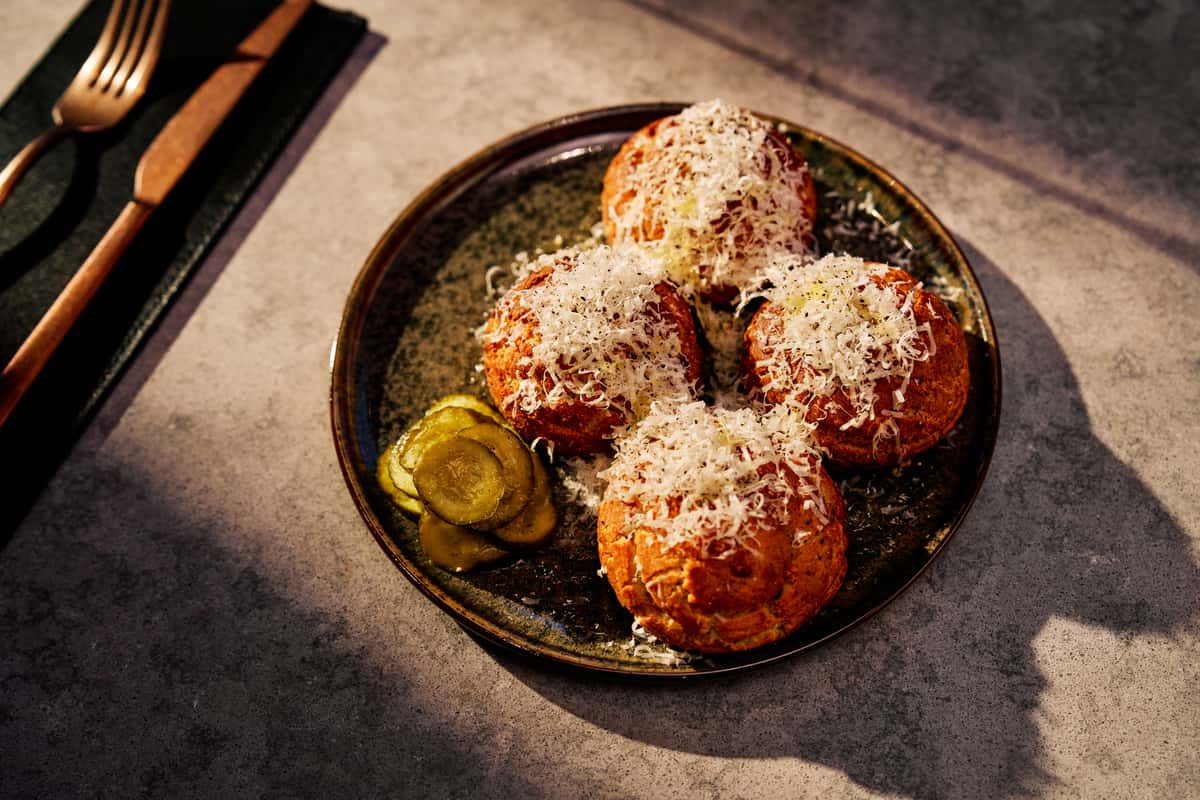
Stubborn Seed offers chef-curated charcuterie and sausage-forward selections across both its tasting menus and à la carte options. The à la carte menu features Iberico Ham Fritters with smoked paprika emulsion and Crunchy Truffle Bravas with soppressata, two dishes that showcase cured and fermented meat traditions in a refined format. An "Elevated Tasting" enhancement adds an Iberico Ham course for guests seeking a deeper charcuterie experience. Chef Jeremy Ford, winner of Bravo's Top Chef Season 13 and a multi-year Michelin Star recipient, curates these selections with a contemporary American lens that honors artisan curing techniques. For guests who appreciate the craft behind fermented sausages and specialty charcuterie, Stubborn Seed at Resorts World Las Vegas is one of the most purposeful fine-dining expressions of these traditions on the Strip.
What are the key takeaways about what is summer sausage?
Summer sausage is a fermented, semi-cooked, smoked sausage made from beef, pork, or venison, with roots in 19th-century German immigrant foodways. The key takeaways for anyone exploring this charcuterie staple are:
- Meat base: Summer sausage uses beef, pork, or venison, sometimes blended for moisture and flavor balance.
- Preservation: Fermentation lowers pH and reduces water activity, creating shelf stability without refrigeration until opened.
- Flavor profile: Mustard seed, black pepper, and garlic define its characteristic mild, tangy taste.
- Charcuterie fit: Summer sausage pairs naturally with artisan boards alongside aged cheeses, olives, and sparkling or light-bodied wines.
- Las Vegas context: At restaurants like Stubborn Seed, the tradition of expertly cured meats reaches its finest expression through chef-driven menus.
According to InsideHook, German immigrants brought summer sausage to the American Midwest in the 19th century, where it earned the name "soul food of the Germans" for its ability to keep without refrigeration, a legacy that still shapes how this sausage appears on modern charcuterie boards today.