
What Makes Fine Dining Different Than Other Culinary Sections?
What Makes Fine Dining Different Than Other Culinary Sections?
Fine dining is a categorically distinct hospitality model defined by exceptional culinary technique, formalized service standards, and a deliberately designed luxury environment. It is not simply a more expensive meal format; it is a complete sensory system in which every element works together to create a singular guest experience.
This guide covers how fine dining is defined against other restaurant formats, how menus and culinary techniques set it apart, what the overall dining experience entails, how modern concepts have made fine dining more accessible, and how Stubborn Seed in Las Vegas brings these principles to life.
Fine dining's structural identity rests on clear contrasts with casual and fast-casual formats: fewer table turns, attentive trained service, and ambiance designed to shape perception before a single dish arrives.
Menus in fine dining are driven by seasonal sourcing, advanced preparation methods, and chef authorship. Techniques like spherification, sous vide, and precision ingredient layering produce dishes genuinely unreplicable outside a professional fine dining kitchen.
The guest experience expectation in fine dining extends well beyond food. Wine pairings, personalized hospitality, and calibrated ambiance work in concert to create an immersive, curated encounter rather than a transactional meal.
Modern fine dining has moved away from rigid formality. Chef-driven concepts, flexible tasting menu formats, and local neighborhood influences have expanded who fine dining is for without diminishing its culinary rigor.
Stubborn Seed Las Vegas, Chef Jeremy Ford's Michelin-recognized concept at Resorts World, demonstrates how accessible tasting menus rooted in seasonal, honest ingredients represent the clearest current model of fine dining in practice.
How Is Fine Dining Defined Compared to Other Types of Restaurants?
Fine dining is defined by exceptional service, elevated culinary technique, and luxury atmosphere that separate it from casual, fast-casual, and family dining formats. The sections below examine the specific structural, service, and ambiance differences that set fine dining apart.
What Key Elements Set Fine Dining Apart From Casual and Fast-Casual Dining?
The key elements that set fine dining apart from casual and fast-casual dining are deliberate pacing, attentive table service, and a controlled luxury environment. According to Mintel, fast-casual restaurants are distinguished by the absence of waiter service and inconsistent alcohol programs, whereas fine dining centers on both. Structurally, fine dining establishments aim for just 2 to 3 table turns per service, compared to 4 to 5 turns for fast-casual formats, a difference that signals intentional guest experience over volume throughput. The U.S. fine dining sector reached 4,618 establishments in 2023 and is forecast to hit a market size of $16.7 billion in 2026, reflecting steady sector confidence despite broader casual dining softness. In contrast, casual dining sales grew only 1.4% in 2024 with traffic declining 1%, according to Technomic's Top 500 data. These structural contrasts make fine dining a categorically different hospitality model, not simply a more expensive one.
How Do Service Standards in Fine Dining Differ From Other Culinary Experiences?
Service standards in fine dining differ from other culinary experiences through formalized training, anticipatory hospitality, and specialized knowledge requirements. Fine dining server training focuses on exceeding guest expectations through regular refresher instruction covering wine pairings, tableside presentation, and protocol execution. Servers are expected to read and respond to guest needs before requests are made, a standard simply absent in casual or fast-casual formats. This depth of preparation reflects a broader hospitality philosophy: in fine dining, service is as much a part of the guest experience as the food itself. The investment in trained staff is one of the clearest operational dividing lines between fine dining and every other restaurant format.
What Role Does Ambiance Play in Differentiating Fine Dining Settings?
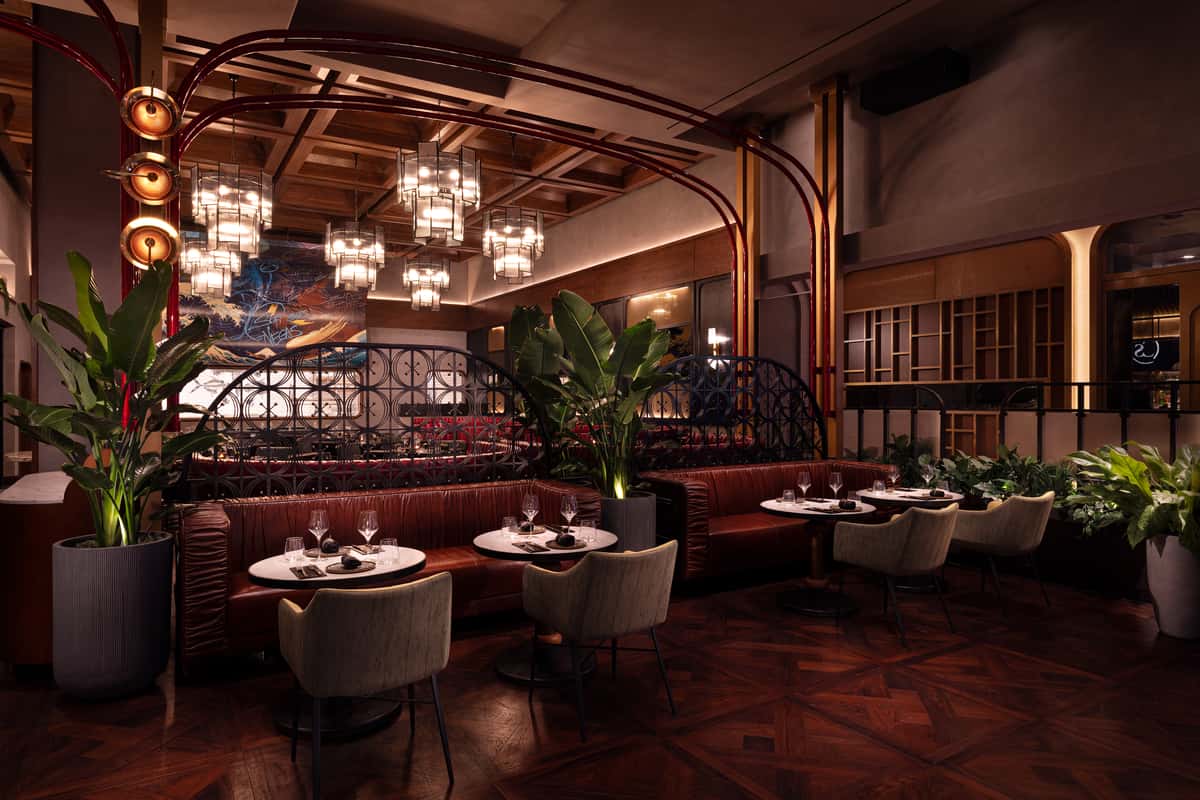
Ambiance plays a defining role in differentiating fine dining settings by shaping guest perception before a single dish is served. Research from the University of Arkansas confirms that lighting choices in fine dining directly influence how guests perceive food quality and overall comfort. Restaurant ambiance is estimated to determine 60% of a guest's likelihood to return, with lighting, interior design, and acoustics serving as primary psychological drivers, according to HappyChef. Fine dining venues use these elements deliberately: low lighting signals intimacy and exclusivity, acoustic design reduces noise intrusion, and interior materials communicate luxury. Casual and fast-casual formats treat ambiance as secondary to speed and turnover, making environmental design one of the clearest perceptual separators between dining categories. Taken together, service depth, structural pacing, and deliberate ambiance design define fine dining as a complete sensory system rather than simply a meal format.
How Do Menus and Culinary Techniques Vary Between Fine Dining and Other Culinary Sections?
Menus and culinary techniques in fine dining vary fundamentally from other restaurant formats through seasonal sourcing, progressive tasting structures, and advanced preparation methods. The following sections cover chef-crafted menu philosophy, tasting menu formats, and the specialized ingredients and techniques that define fine dining kitchens.
Why Are Seasonally-Focused and Chef-Crafted Menus Hallmarks of Fine Dining?
Seasonally-focused and chef-crafted menus are hallmarks of fine dining because they prioritize ingredient quality, creative control, and consistency over standardization. Unlike casual or fast-casual formats built around fixed, year-round menus, fine dining chefs rotate dishes based on peak-season availability, allowing flavor and freshness to drive every plate. Stubborn Seed's menu philosophy reflects this directly, emphasizing "honest ingredients" elevated through "rigid and persistent execution" and locally inspired seasonal sourcing. Chef Jeremy Ford's culinary foundation, which began professionally at age 16 at Matthew's, a Mediterranean-style restaurant in Jacksonville, Florida, shaped an ingredient-forward approach that remains central to his restaurants today. Seasonal menus also signal authorship: they communicate that a chef, not a corporate formula, is making decisions.
How Do Tasting Menus and À La Carte Options Reflect Fine Dining Innovation?
Tasting menus and à la carte options reflect fine dining innovation by giving chefs a structured canvas for storytelling while offering guests varying levels of immersion. Tasting menus sequence courses deliberately, building flavor progressions that à la carte formats cannot replicate. According to the Las Vegas Review-Journal, Jeremy Ford opened Stubborn Seed Las Vegas at Resorts World on the Strip in February 2025, bringing his globally influenced tasting menu approach to one of the world's most competitive dining markets. Stubborn Seed Las Vegas offers two tasting menu formats, a shorter and a longer progression, designed to make the fine dining experience more accessible without sacrificing culinary ambition. À la carte options, where offered, provide flexibility for guests less committed to a full tasting progression.
What Unique Ingredients or Preparation Methods Are Found in Fine Dining?
Unique ingredients and preparation methods found in fine dining include luxury proteins, hyper-local produce, and advanced cooking techniques such as molecular gastronomy. Molecular gastronomy applies physical and chemical processes to cooking, using methods like spherification, gelification, and sous vide to achieve novel textures and flavor concentrations unavailable through conventional cooking. Fine dining kitchens also rely on rare or high-cost ingredients including truffles, caviar, and specialty-bred proteins, combined with precise fabrication techniques that require professional-level training. Signature dishes such as Stubborn Seed Las Vegas's Fragrant Spiced Barramundi with baby leeks, fennel, shiitake sofrito, and galangal green curry illustrate how ingredient layering and technique intersect to produce dishes that are genuinely unreplicable outside a fine dining kitchen. This level of technical precision is what most clearly separates fine dining preparation from every other restaurant format.
How Does the Overall Dining Experience in Fine Dining Stand Out?
The overall dining experience in fine dining stands out through the deliberate layering of ambiance, service, and beverage expertise into a single cohesive encounter. The sections below examine guest experience expectations, beverage programming, and personalized hospitality protocols.
What Are the Expectations for Guest Experience in Fine Dining Versus Other Formats?
The expectations for guest experience in fine dining versus other formats are significantly higher across every touchpoint, from arrival to farewell. Fine dining service training focuses on exceeding guest expectations through regular refresher training on wine pairings, presentation, and tableside protocols, according to Xenia's service standards guide. Lighting, interior design, and acoustics are not decorative afterthoughts; they are calibrated tools that shape how guests perceive both food quality and comfort throughout the meal. Casual and fast-casual formats prioritize speed and convenience, while fine dining deliberately slows the pace to create a curated, immersive event.
How Do Wine Pairings and Beverage Programs Enhance Fine Dining?
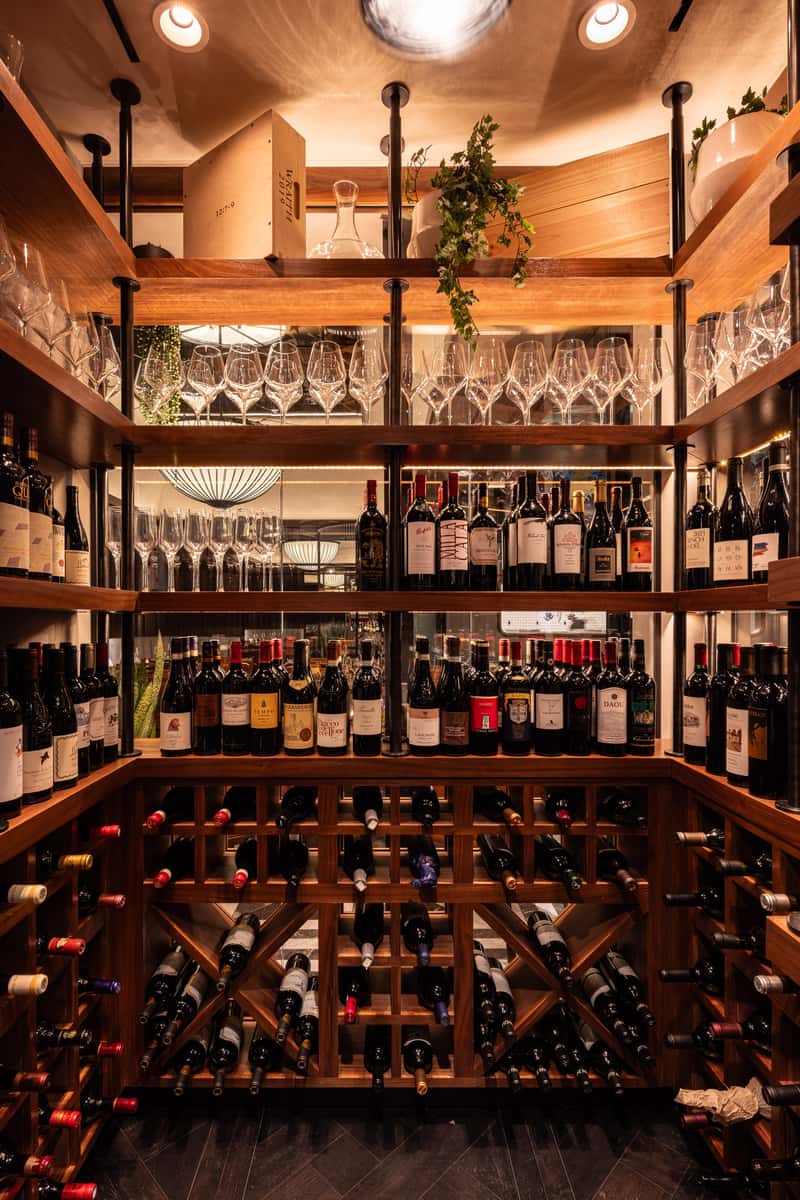
Wine pairings and beverage programs enhance fine dining by transforming each course into a multisensory conversation between food and drink. A thoughtfully curated pairing amplifies flavor contrast, bridges textures, and signals the kitchen's intent behind each dish. Staff trained through recognized sommelier certification programs bring structured expertise to these recommendations, ensuring selections reflect both the menu's composition and individual guest preferences. For diners less familiar with wine, a well-presented beverage program also serves as an accessible point of engagement with the broader culinary vision.
How Is Hospitality Personalized Differently in Fine Dining Settings?
Hospitality is personalized differently in fine dining settings through proactive attention to individual guest details, including dietary preferences, special occasions, and seating needs logged before arrival. Rather than reactive service, fine dining teams anticipate needs, adjusting pacing, modifying courses, and tailoring interactions to each table. MICHELIN Guide Inspectors predict that 2025 trends will push this further, rethinking rigid protocols in favor of warmth and flexibility. This shift reflects a broader truth: the most memorable fine dining experiences feel genuinely attentive, not procedurally correct.
How Have Modern Fine Dining Concepts Evolved to Be More Accessible?
Modern fine dining concepts have evolved by moving away from rigid formality toward chef-driven, neighborhood-rooted experiences that welcome a broader audience. The sections below cover how chefs are reshaping tradition, how venues balance sophistication with approachability, and how local identity shapes the dining experience.
How Are Chef-Driven Concepts Challenging Traditional Fine Dining Formality?
Chef-driven concepts are challenging traditional fine dining formality by replacing stiff protocols with seasonal creativity and flexible menu structures. According to Forbes, the fine dining landscape in major U.S. cities like Miami and Las Vegas is increasingly defined by chef-driven restaurants that prioritize local seasonal sourcing and adaptable tasting menu formats. Rather than enforcing a single rigid experience, these concepts let the food and the chef's personal culinary voice set the tone. The result is an environment where guests feel invited rather than evaluated, and where evolving menus reflect the season rather than a fixed canon.
In What Ways Do Upscale Dining Venues Blend Sophistication With Approachability?
Upscale dining venues blend sophistication with approachability through several deliberate choices, such as relaxed dress codes, conversational service styles, and tiered menu formats that lower the barrier to entry. Venues increasingly offer shorter tasting menus alongside longer ones, allowing guests to self-select their level of commitment. Thoughtful design choices, including warm lighting and intimate room layouts, reinforce comfort without sacrificing elegance. This balance signals that refinement and warmth are not opposites; the most compelling upscale experiences today make guests feel at ease precisely because every detail is intentional.
How Do Local Influences and Neighborhoods Shape Fine Dining Experiences?
Local influences and neighborhoods shape fine dining experiences by anchoring menus and atmosphere to a specific place and community. In Las Vegas, fine dining venues on the Strip bring high-production luxury, while off-Strip neighborhoods such as Chinatown are emerging as hubs for culinary excellence with a more grounded, local identity. Chefs who draw from regional producers and neighborhood culture create menus that tell a story unique to their location. This geographic rootedness adds authenticity that no imported concept can replicate, making locality one of the most powerful differentiators in modern fine dining.
How Does Stubborn Seed in Las Vegas Offer a Unique Fine Dining Experience?
Stubborn Seed in Las Vegas offers a unique fine dining experience through chef-driven tasting menus, Michelin-recognized culinary credentials, and a philosophy built on honest seasonal ingredients. The sections below cover Stubborn Seed's menu formats and the broader takeaways that distinguish fine dining.
What Chef-Driven, Seasonally-Focused Menus Does Stubborn Seed Provide?
Stubborn Seed provides chef-driven, seasonally focused menus built around two tasting menu formats: a shorter multi-course option and a longer extended progression, both rooted in locally inspired seasonal sourcing. Chef Jeremy Ford, who won Bravo's Top Chef Season 13, opened the Las Vegas location at Resorts World on the Strip in February 2025. Stubborn Seed Miami earned Michelin Stars in 2022, 2023, and 2024, validating Ford's commitment to precise, ingredient-led cooking. According to Forbes, Stubborn Seed's "playful" approach to tasting menus aims to make high-end dining more accessible while maintaining rigorous culinary standards. Signature dishes such as Fragrant Spiced Barramundi with baby leeks, fennel, shiitake sofrito, and galangal green curry exemplify that balance of creativity and technical discipline.
What Are the Key Takeaways About What Makes Fine Dining Different Than Other Culinary Sections?
The key takeaways about what makes fine dining different from other culinary sections are rooted in technique, intention, and the totality of the guest experience. Fine dining relies on advanced preparation methods, including molecular gastronomy techniques such as spherification, gelification, and sous vide, to create novel textures and flavors that casual formats cannot replicate. Service, ambiance, and highly curated menus work together as a unified experience rather than independent components. Stubborn Seed Las Vegas demonstrates how modern fine dining can challenge traditional formality: Michelin-level execution delivered through approachable tasting menu formats in a high-traffic Strip location represents the clearest current model of accessible luxury dining.