
What Makes Service at Michelin-Star Restaurants in Miami Feel So Personalized
What Makes Service at Michelin-Star Restaurants in Miami Feel So Personalized
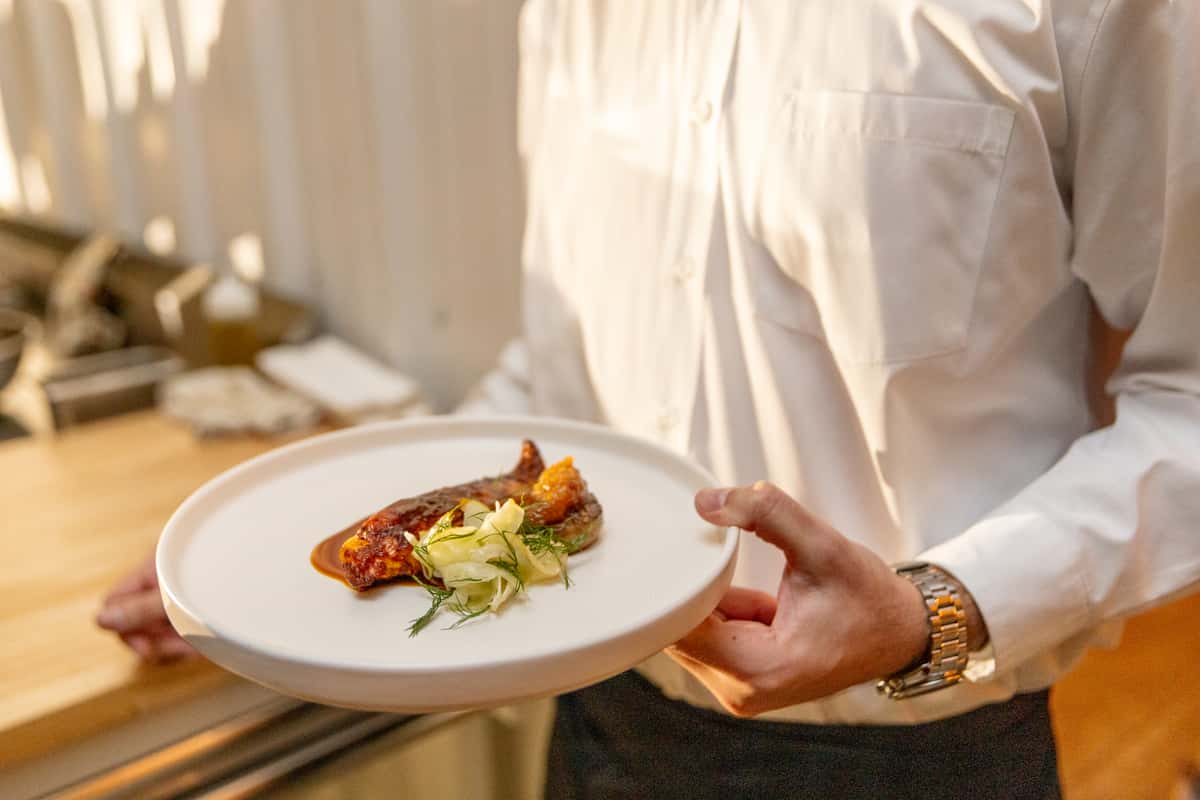
Miami's Michelin-star dining scene is renowned for delivering an exceptional level of personalized service. This signature approach transcends mere politeness; it is a meticulously coordinated system built on trained intuition, deep cultural awareness, and sophisticated, data-driven guest management. The result is a deliberate and discreet execution of expertise, where every diner feels genuinely known and individually catered to from the moment they are seated.
This guide covers staff training and service standards, guest preference systems and feedback loops, the specialized roles behind seamless dining, Miami's cultural influence on hospitality, and common misconceptions about fine dining service.
Michelin-level staff training encompasses sommelier certification, cultural competency for Miami's multilingual population, and choreographed service protocols like open hand technique and body language reading. These disciplines ensure every interaction feels intentional rather than scripted.
Restaurants use CRM platforms integrated with reservation systems to log visit histories, dietary needs, and personal milestones. Returning guests, who carry a lifetime value dramatically higher than first-time visitors, receive recognition shaped by these detailed profiles.
Dedicated roles (sommeliers, garde-mangers, multiple floor managers per shift) maintain low server-to-table ratios that allow genuine attentiveness. Collaboration between these specialists lets service adapt in real time to a guest's pace and preferences.
Miami's position as a culturally diverse, internationally connected city pushes restaurants to blend Latin, Caribbean, and global hospitality instincts into their service identity. This cultural fluency transforms standard fine dining etiquette into something that feels personal rather than formulaic.
Many diners assume personalized service means constant attention, when the opposite is often true. Practices like silent service and non-verbal cue systems keep hospitality present yet unobtrusive, ensuring guests feel cared for without feeling watched.
How Do Michelin-Star Restaurants in Miami Define Personalized Service?
Michelin-star restaurants in Miami define personalized service through rigorous staff training, systematic guest preference tracking, and meticulous attention to detail. The following sections explore how each element contributes.
What Role Does Staff Training Play in Creating a Personalized Experience?
Staff training plays a foundational role in creating a personalized experience by equipping every team member with the skills to anticipate and adapt to individual guest needs. Fine dining establishments maintain a server-to-table ratio of roughly 1:3 or 1:4, supported by specialized roles such as sommeliers, pastry chefs, garde-manger, and multiple managers per shift.
Given Miami's diverse demographic, where nearly 70% of residents identify as Hispanic or Latino and over 50% are foreign-born, cultural competency training is essential. Programs educate staff on varied customs, communication styles, and language nuances. According to a report by HARRI on cultural competence in hospitality management, companies with inclusive cultures are twice as likely to meet or exceed financial targets.
CRM systems integrated with platforms like Resy and OpenTable further reinforce training by giving staff real-time guest intelligence before a table is even seated.
How Are Guest Preferences Discovered and Remembered?
Guest preferences are discovered and remembered through a combination of attentive observation and structured data systems. Personalized service requires balancing culinary expertise with adaptability to each guest's specific tastes, a hallmark of Michelin-level hospitality.
Front-of-house staff gather cues during initial interactions: dietary restrictions mentioned at booking, beverage preferences expressed during the first course, or celebration details shared through reservation notes. These observations feed into guest profiles that inform every subsequent visit. The result is a dining experience that feels intuitive rather than scripted, where a returning guest's preferred wine or seating position is anticipated without being asked.
This kind of memory, built through both human attentiveness and digital record-keeping, transforms a single dinner into the beginning of an ongoing relationship.
Why Does Attention to Detail Matter at This Level of Dining?
Attention to detail matters at this level of dining because it distinguishes competent service from truly personalized hospitality. Every element, from the angle of a wine glass to the timing between courses, communicates care and intentionality to the guest.
At Michelin-star restaurants, details accumulate into an experience that feels seamless. A correctly paced meal reads a table's energy; a well-timed check-in arrives before a guest needs to signal. These micro-decisions reflect training, preparation, and genuine awareness of individual comfort.
For most diners, the difference between a good meal and an unforgettable one comes down to these seemingly small gestures executed consistently. When every detail aligns, guests feel recognized as individuals rather than occupants of a reservation slot. Understanding this foundation reveals the unique approaches Miami's starred restaurants use to make personalization tangible.
What Unique Approaches Do Miami Michelin-Star Restaurants Use to Personalize Service?
Miami Michelin-star restaurants use unique approaches such as flexible tasting menus, customized table-side interactions, and culturally informed hospitality to personalize service. Below, each approach reveals how these elements shape the guest experience.
How Do Tasting Menus Accommodate Individual Tastes?
Tasting menus accommodate individual tastes by offering multiple format options and built-in flexibility. Some Miami Michelin-starred establishments present both multi-course tasting menus and à la carte selections, allowing guests to choose their preferred level of immersion. This structure lets kitchens maintain signature dishes while adapting courses to dietary needs or flavor preferences. According to EHL Hospitality Insights, 48% of diners prioritize unique, gourmet ingredients, which pushes chefs to source distinctive components that can be swapped or adjusted per guest. For restaurants committed to seasonal sourcing, the tasting menu format becomes a natural vehicle for personalization, since courses evolve with available ingredients rather than staying fixed.
In What Ways Is Table-Side Interaction Customized for Guests?
Table-side interaction is customized for guests through carefully calibrated pacing, attentive reading of body language, and consistent execution across every visit. Servers adjust the rhythm of course delivery based on how guests are engaging, whether a table lingers over conversation or signals readiness for the next plate. According to the Michelin Guide, consistency is heavily emphasized, with inspectors visiting multiple times across different seasons and days of the week to ensure the same high standard is maintained; the seamless execution of table-side interactions and pacing is integral to achieving that consistency. This choreography, while structured, feels intuitive to diners because the best service teams make deliberate protocols appear effortless.
How Does Miami's Local Culture Influence Personalized Service?
Miami's local culture influences personalized service by shaping how restaurants approach dietary accommodations, multilingual communication, and hospitality warmth. The city's Latin American and Caribbean roots create an expectation for generous, relationship-driven dining where guests feel genuinely welcomed rather than formally processed. Accommodating dietary restrictions remains a critical aspect of this personalization, particularly given the diversity of cultural food practices staff encounter nightly. Personalized service also directly impacts guest retention and restaurant profitability, making cultural fluency a strategic investment rather than just a courtesy. Restaurants that align their hospitality style with Miami's vibrant, multicultural identity create experiences that feel both authentic and deeply attentive.
With these personalized approaches in place, guest feedback and return visits further refine how service evolves.
How Do Guest Feedback and Return Visits Shape Service Personalization?
Guest feedback and return visits shape service personalization by creating a continuous loop of data that restaurants use to refine every interaction. The subsections below cover the tracking systems that capture guest histories and the recognition strategies that reward loyalty.
What Systems Are Used to Track Guest Histories and Preferences?
The systems used to track guest histories and preferences are CRM platforms integrated with reservation technology. Resy's ResyOS features detailed guest intel, tracking visit history, special occasion reminders, and personal preferences while integrating with major POS systems. These platforms build cumulative profiles that allow front-of-house teams to anticipate needs before a guest even sits down. Even subtle behavioral signals feed the system; according to Tasting Table, a napkin left on the chair signifies a guest will return, a detail staff can log for future reference. For Michelin-level restaurants in Miami, this kind of granular tracking transforms a second visit into something that feels like coming home.
How Are Loyal Guests Recognized and Rewarded?
Loyal guests are recognized and rewarded through personalized service touches, preferential treatment, and data-driven hospitality that compounds over time. According to Bloom Intelligence's 2025 State of Restaurant Guest Retention report, returning guests average 6.93 visits and carry a lifetime value 26 times higher than one-time visitors. That gap makes recognition essential to a restaurant's financial health.
Effective loyalty recognition includes strategies such as:
Greeting returning guests by name and acknowledging previous visits.
Remembering dietary restrictions, seating preferences, and celebration dates without being asked.
Offering priority reservations or exclusive menu previews for frequent diners.
The stakes for getting this wrong are equally clear: 40% of diners would never return after experiencing rude service, making it the top dealbreaker above food quality. Restaurants that invest in recognizing loyal guests protect both relationships and revenue, turning personalization into a measurable competitive advantage.
What Types of Staff Roles Are Dedicated to Ensuring Personalized Service?
Michelin-star restaurants in Miami dedicate specialized staff roles to deliver personalized service at every touchpoint. The collaboration between sommeliers and servers illustrates how these roles work together to exceed guest expectations.
How Do Sommeliers and Servers Collaborate to Exceed Guest Expectations?
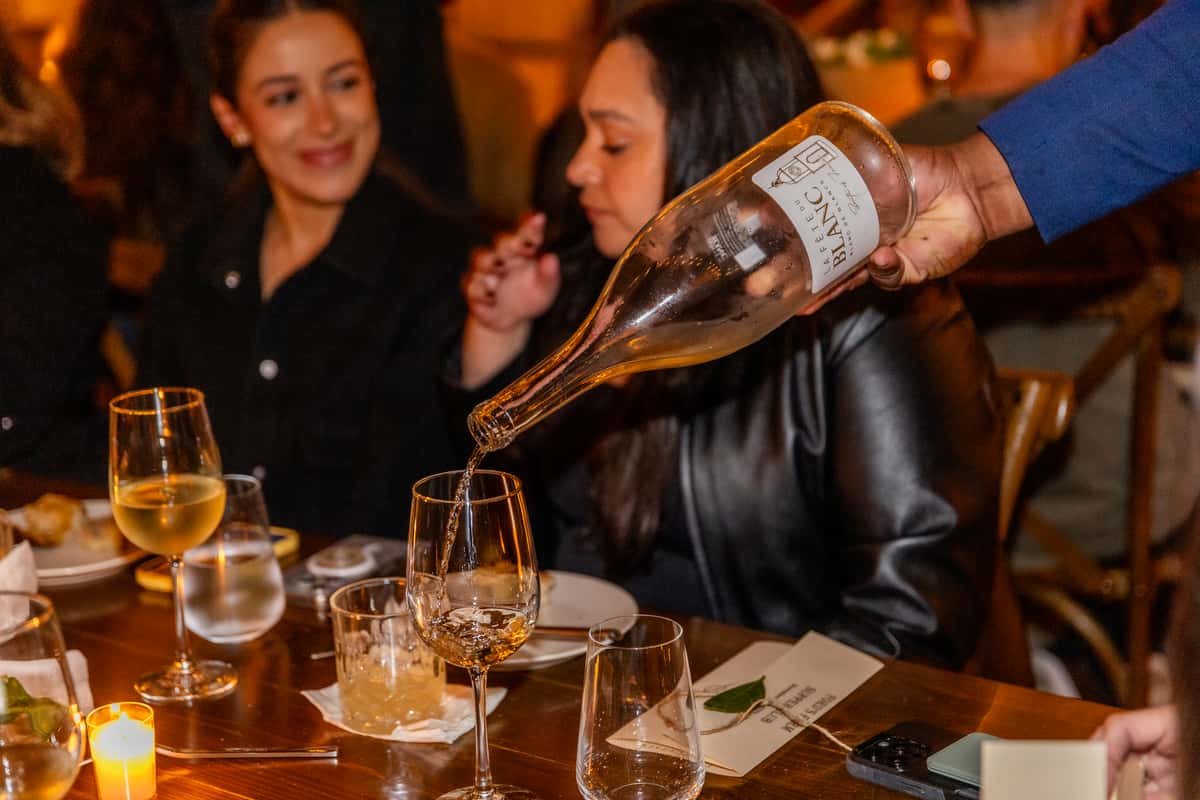
Sommeliers and servers collaborate to exceed guest expectations by combining beverage expertise with precise tableside technique, ensuring each interaction feels both knowledgeable and intuitive. Servers follow strict protocols like open hand service, where arms never cross in front of a guest; the right arm serves the right side while the left arm serves the left. This physical discipline keeps the experience unobtrusive.
Pacing represents another critical point of collaboration. Servers read the table's body language to match each party's rhythm, determining when to present specials or clear courses, according to fine dining etiquette standards from WebstaurantStore. The sommelier, meanwhile, times wine presentations and pairing recommendations around this same cadence.
What makes this partnership especially effective is the shared awareness it demands. Neither role operates in isolation; both require constant, silent communication to maintain a seamless flow that feels effortless to the guest. With dedicated roles working in concert, maintaining privacy alongside this attentiveness becomes the next consideration.
How Is Privacy Balanced With Attentiveness in High-End Miami Restaurants?
Privacy is balanced with attentiveness in high-end Miami restaurants through structured service choreography and non-verbal communication systems. The following subsection explores the discreet practices that make this balance possible.
What Discreet Practices Make Service Feel Seamless Yet Personalized?
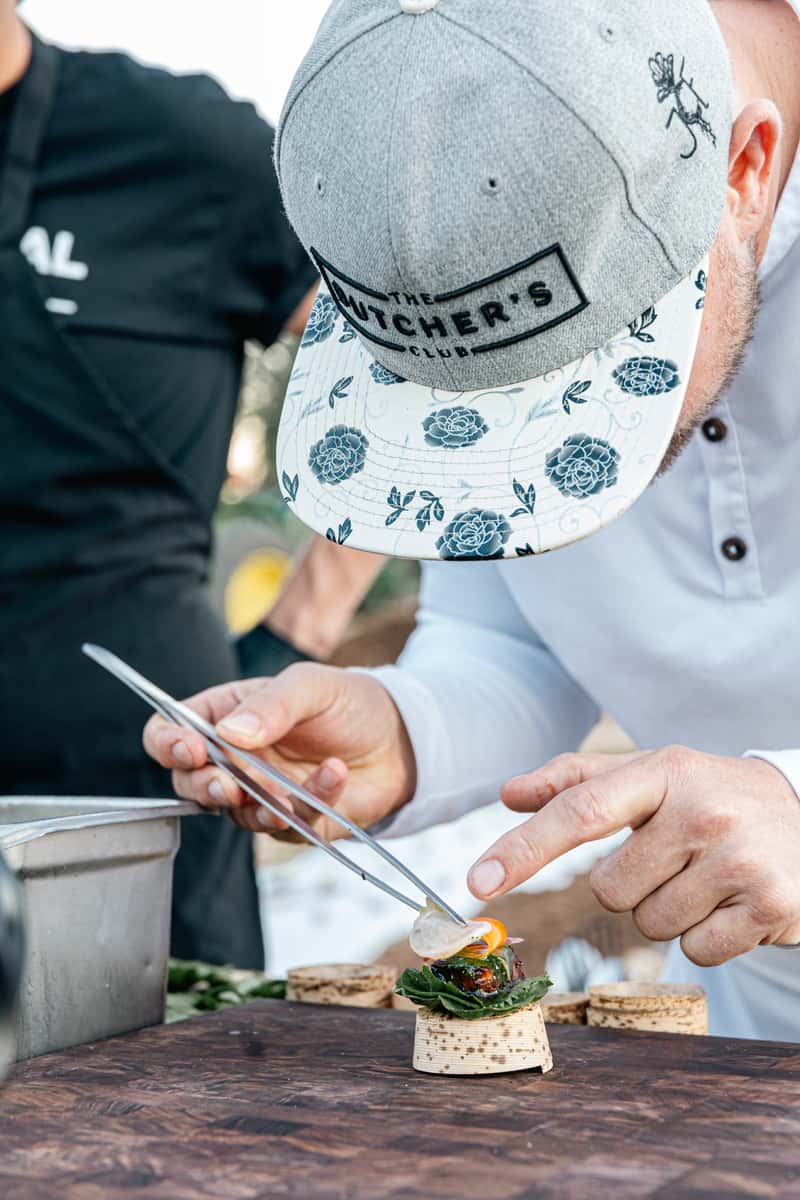
Discreet practices that make service feel seamless yet personalized include Silent Service protocols, structured choreography, and non-verbal cue systems. Also known as "Royal Service," Silent Service relies on discreet, non-verbal communication between guests and staff, according to Tasting Table. Guests signal needs through subtle gestures: leaning back indicates a request for assistance, while placing a fork and knife at a specific angle tells the server a plate can be cleared.
The choreography of fine dining service is highly structured to ensure that every interaction feels effortless. Rather than hovering or interrupting conversation, trained staff read body language and respond at precisely the right moment. This calibrated approach is one reason top-performing restaurants achieve a 35–45% return rate for first-time visitors within 90 days. Guests return not just for the food, but because the service felt both attentive and respectful of their space.
Mastering this balance is arguably the hardest skill in hospitality; it cannot be scripted, only refined through experience and genuine awareness of each table's energy. Understanding common misconceptions about this level of service helps set realistic expectations.
What Are Common Misconceptions About Personalized Service at Michelin-Star Establishments?
Common misconceptions about personalized service at Michelin-star establishments center on expectations about formality, food quality versus hospitality, and what attentiveness actually looks like. The following addresses the most persistent myths and how authentic service avoids common pitfalls.
How Can Personalized Service Remain Authentic Without Feeling Overbearing?
Personalized service remains authentic without feeling overbearing when staff read guests rather than follow rigid scripts. The most common misconception is that more interaction equals better service. In practice, the opposite often proves true; the best hospitality teams calibrate their presence based on nonverbal cues and conversational tone.
According to a 2025 survey reported by NBC Palm Springs, 40% of diners would never return to a restaurant after experiencing rude service, making it the top dealbreaker over food quality. That finding reveals something important: guests notice service failures more acutely than culinary ones.
Overbearing attention, while well-intentioned, can feel just as intrusive as neglect. Skilled service teams balance warmth with restraint by:
Observing body language before approaching a table.
Allowing natural pauses between courses without unnecessary check-ins.
Offering recommendations only when guests signal openness to guidance.
Matching energy and formality to the guest's own demeanor.
For most diners, the most memorable personalized experiences are the ones where they felt genuinely understood rather than performed at. With these expectations clarified, Stubborn Seed's approach to chef-driven personalization puts these principles into practice.
How Does Stubborn Seed in Miami Stand Out for Personalized, Chef-Driven Experiences?
Stubborn Seed stands out through multi-course tasting menus crafted by Chef Jeremy Ford, where each course reflects seasonal ingredients from the team's organic farm in Homestead. Below, we explore how these menus personalize the dining journey.
How Do Stubborn Seed's 6- and 9-Course Tasting Menus Enhance the Personalized Dining Journey?
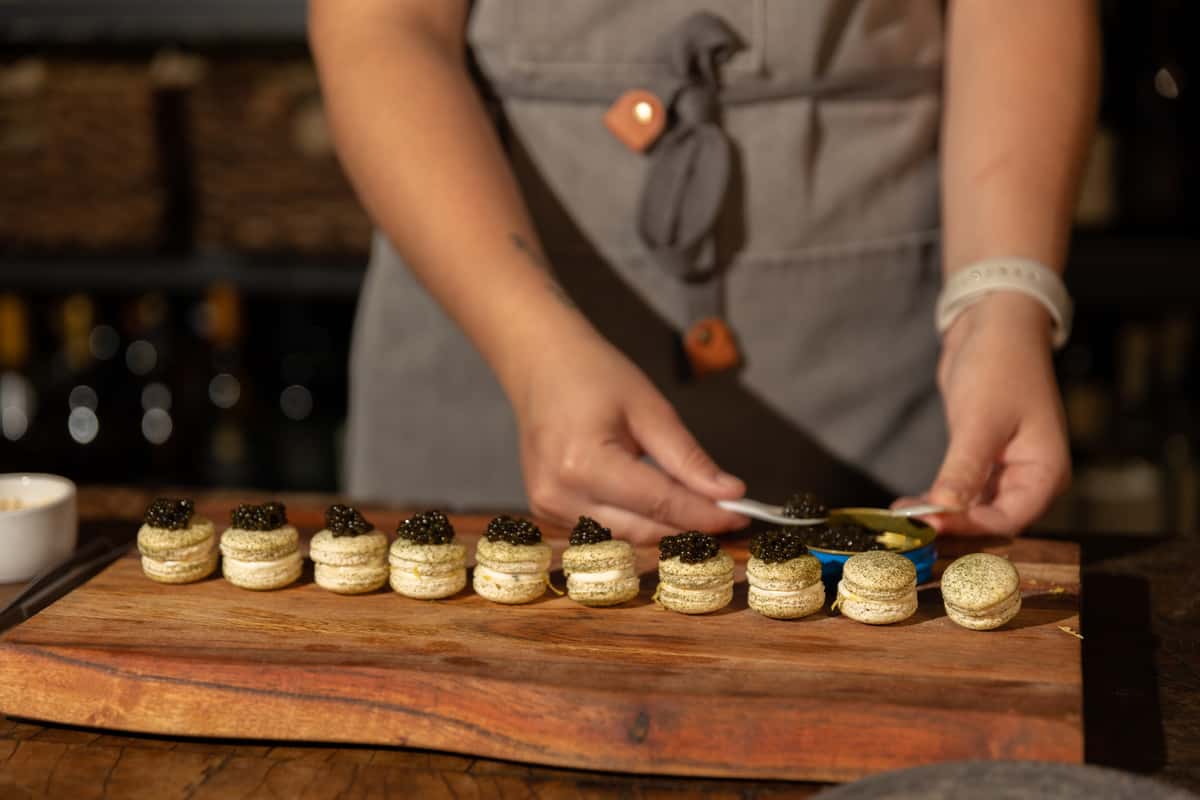
Stubborn Seed's 6- and 9-course tasting menus enhance the personalized dining journey by structuring each progression around seasonal, farm-driven ingredients that shift with what the Homestead property yields. This format gives the kitchen creative control over pacing, flavor contrast, and narrative arc across courses.
Beverage pairings add another layer of customization. The Court of Master Sommeliers sets the global standard for wine service in fine dining, requiring rigorous study of wine regions, deductive tasting methods, and precise service protocols. That training equips sommeliers to read each guest's preferences rather than default to textbook recommendations. For most diners, the tasting menu format is where personalization becomes most tangible; the kitchen and service team collaborate course by course, adjusting in real time.
What Are the Key Takeaways About What Makes Service at Michelin-Star Restaurants in Miami Feel So Personalized We Covered?
The key takeaways center on five interconnected pillars:
Rigorous staff training prepares teams to adapt to Miami's multicultural dining audience through cultural competency and certified beverage programs.
Guest preference tracking through CRM platforms transforms one-time visitors into recognized regulars whose histories inform every future interaction.
Structured table-side choreography balances attentiveness with discretion, so service feels seamless rather than intrusive.
Tasting menu flexibility allows kitchens to accommodate dietary needs and individual tastes within a curated framework.
Chef-driven sourcing connects ingredients to a specific place and philosophy, giving each meal a story that generic menus cannot replicate.
As sommelier Aldo Sohm of Le Bernardin explains, true hospitality means reading the client rather than imposing expertise: "It does not matter what we think in the pairing, because we have to think about the person who is in front of us." That principle, balancing knowledge with genuine attentiveness, defines what makes Miami's Michelin-starred restaurants feel personal. Stubborn Seed embodies this approach on every plate leaving the kitchen.