
What You're Really Paying For at a Michelin-Star Restaurant in Miami
What You're Really Paying For at a Michelin-Star Restaurant in Miami
If you're considering a reservation at one of Miami's Michelin-starred restaurants, you're likely wondering whether the experience justifies the premium price tag. We understand that choosing to spend $175 or more per person on a single meal is a significant decision, and you deserve to know exactly what makes these establishments worth the investment. You're in the right place to discover the true value behind Miami's most prestigious dining experiences.
When dining at a Michelin-star restaurant in Miami is a carefully orchestrated performance that combines culinary artistry, exceptional service, and meticulous attention to every detail of your experience. At establishments like Stubborn Seed, you're not simply purchasing a meal – you're investing in a comprehensive sensory journey where every element, from the origin of each ingredient to the choreography of service, has been refined to meet the exacting standards that earned these restaurants their coveted stars.
TL;DR Summary: Miami's Michelin-starred restaurants distinguish themselves through five key criteria: ingredient quality, cooking mastery, flavor harmony, chef personality, and consistency. Service operates at a 1:3-4 staff-to-guest ratio with encyclopedic menu knowledge and anticipatory care. Premium pricing reflects significant investments in specialized equipment ($40,000-$200,000), custom interiors ($85-$500/sq ft), and direct farm partnerships like Chef Jeremy Ford's 5.5-acre organic farm. You're paying for exclusive access to award-winning chefs whose Michelin recognition can increase restaurant revenue by 15-25%. Tasting menus range from $175-$275+ per person, with wine pairings adding $75-$200+. The location in prime neighborhoods like South of Fifth enhances the sophisticated atmosphere while enabling access to local suppliers. Beyond the tangible elements, you're investing in culinary storytelling, the prestige of Michelin's global standards, and memorable experiences backed by ratings like Stubborn Seed's 4.8/5 stars from 3,200+ reviews. The true value lies in the meticulous attention to detail, from farm-sourced ingredients to world-class execution, creating an experience that transcends ordinary dining.
Quick Tip: When booking your Michelin-starred reservation, ask about seasonal menu changes – many chefs update their offerings monthly or even weekly based on ingredient availability, ensuring you'll experience dishes at their absolute peak freshness and flavor.
Your journey through Miami's Michelin-starred dining scene begins with understanding what sets these establishments apart from even the finest traditional restaurants. From the moment you enter, you'll notice how every detail has been orchestrated to create an experience that engages all your senses while delivering culinary excellence that meets the same rigorous standards whether you're dining in Miami, Paris, or Tokyo.
What distinguishes a Michelin-star restaurant experience from other fine dining venues in Miami?
A Michelin-star restaurant experience distinguishes itself through rigorous standards, superior service ratios, and farm-to-table sourcing that creates an unmatched culinary journey. These establishments operate under the five universal Michelin criteria: quality of ingredients, mastery of flavor and cooking techniques, harmony of flavors, personality of the chef in their cuisine, and consistency between visits. This section explores how menu design, service excellence, and ingredient sourcing set Michelin-starred venues apart from other fine dining options in Miami.
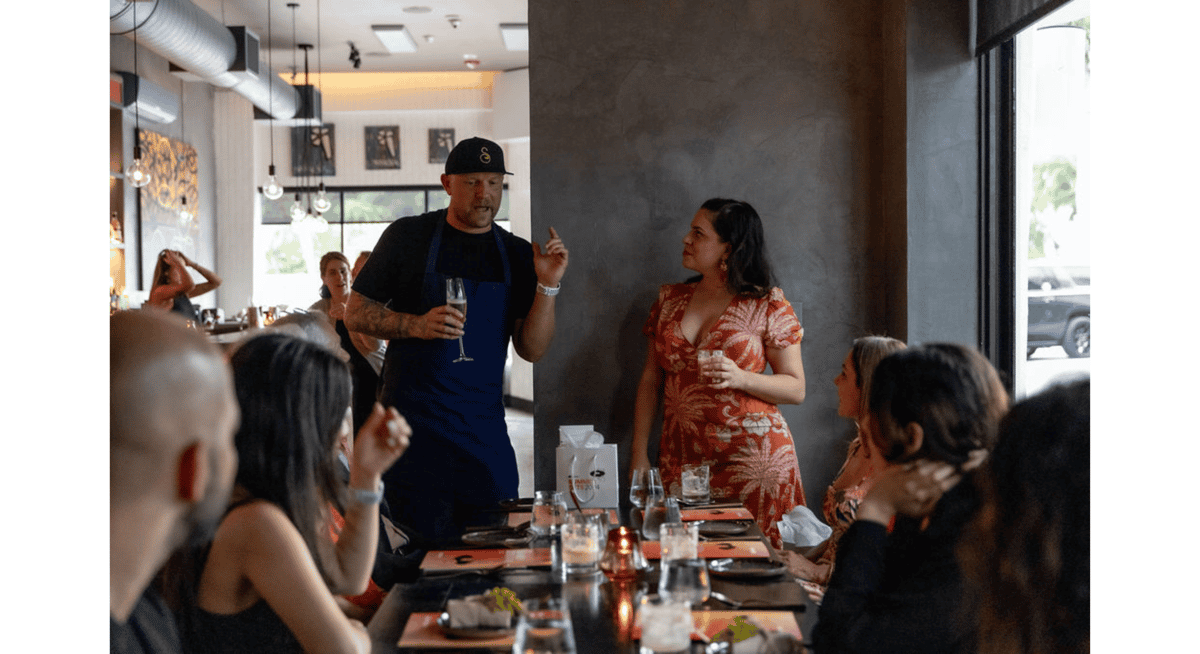
How do Michelin-star standards impact menu design and culinary creativity?
Michelin-star standards drive menu design through five universal criteria that shape every culinary decision. These criteria include quality of ingredients, mastery of flavor and cooking techniques, harmony of flavors, personality of the chef in their cuisine, and consistency between visits.
Stubborn Seed exemplifies this approach with an nine-course tasting menu priced at $200 per person, showcasing Chef Jeremy Ford's culinary philosophy of pairing unrelenting passion with an unapologetic approach. Tasting menus at Miami's Michelin-starred restaurants range from $175 to over $275 per person, providing a curated culinary journey that reflects the chef's vision and commitment to excellence.
The rigorous standards ensure consistency across all visits while allowing creative expression within structured excellence parameters.
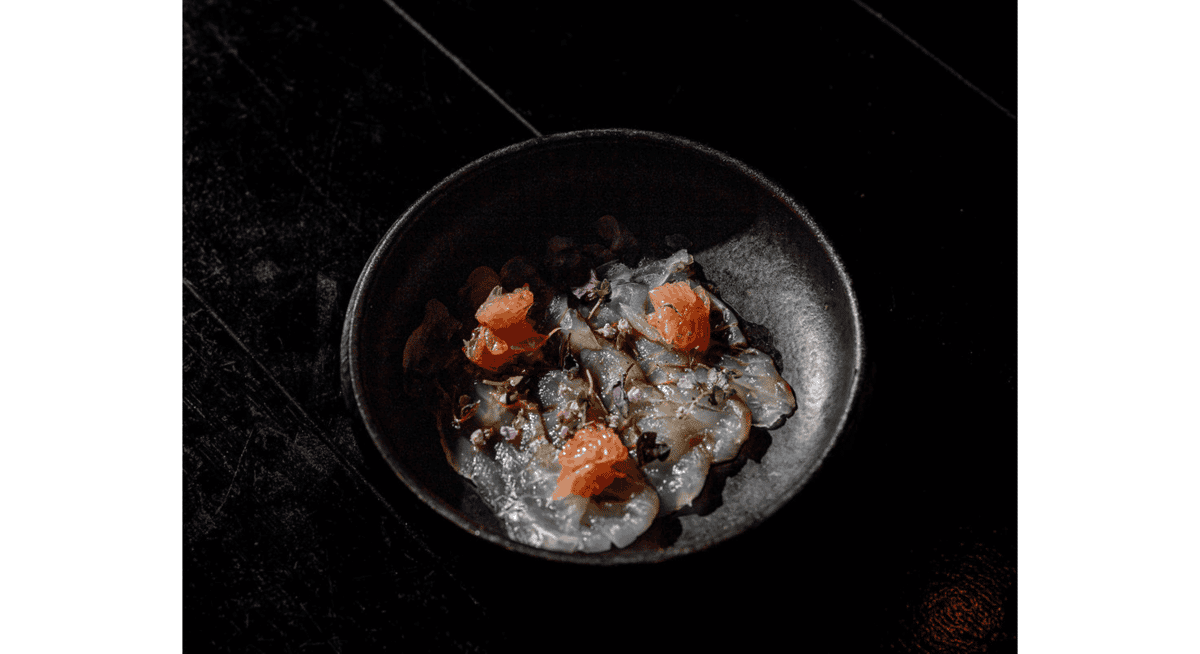
How does service at a Michelin-star restaurant differ from regular restaurants?
Service at Michelin-star restaurants operates with precision through optimized staff-to-guest ratios and extensive training programs. Michelin-starred restaurants maintain a staff-to-guest ratio of one server for every three to four tables, compared to higher ratios in casual dining establishments.
Staff members possess encyclopedic knowledge of the menu, including the origin of ingredients and the intricacies of each dish's preparation. Professional certifications, such as those from the Court of Master Sommeliers, are common among beverage professionals in Michelin-starred establishments.
Service delivery is anticipatory, seamless, and unobtrusive, creating an environment where guests feel both pampered and at ease. This elevated service model transforms dining into a choreographed experience that anticipates needs before they arise.
What level of attention goes into ingredient sourcing at a Michelin-star establishment?
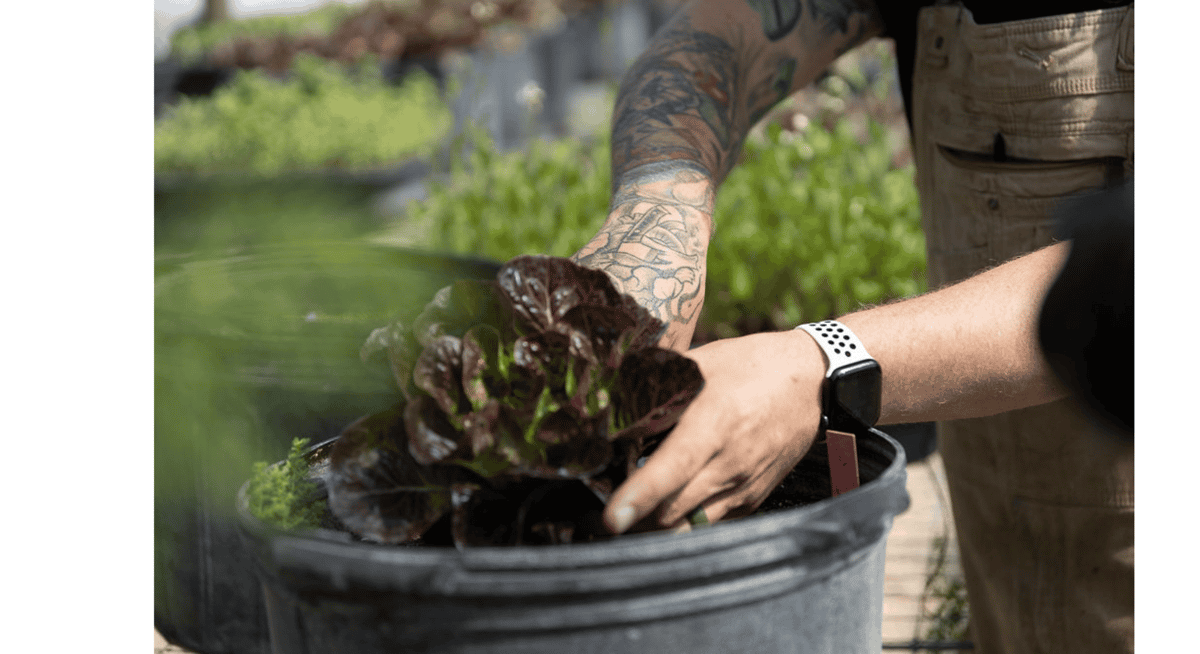
Ingredient sourcing at Michelin-star establishments involves direct farm partnerships and hyper-local supply chains that ensure peak quality. Chef Jeremy Ford of Stubborn Seed established Ford's Farm, a 5.5-acre organic farm in the Redlands agricultural district, to supply the restaurant with vegetables, fruits, and herbs.
Similarly, Chef Niven Patel of Ghee and Erba cultivates produce at Rancho Patel in Homestead for his restaurants. Local suppliers like Little River Cooperative, Paradise Farms Organic, and Swank Specialty Produce play crucial roles in supplying Miami's fine dining restaurants with high-quality, sustainable ingredients.
This farm-to-table approach ensures ingredient traceability, seasonal freshness, and supports the local agricultural ecosystem while maintaining the consistency required for Michelin standards. The next section examines how these elevated standards translate into premium pricing structures.
Why do Michelin-star restaurants in Miami charge premium prices?
Premium pricing at Michelin-starred restaurants in Miami reflects multiple operational costs beyond food preparation. These establishments invest substantially in renowned chefs, specialized equipment, extensive staff training, and curated experiences that justify their elevated price points.
Are you paying for exclusivity or access to renowned chefs?
Yes, you are paying for access to renowned chefs whose expertise drives exceptional culinary experiences. Chef Jeremy Ford, winner of Bravo's Top Chef, leads Stubborn Seed and embodies the dedication and innovation that Michelin inspectors seek. Studies show that earning a Michelin star leads to a 15-25% rise in annual revenue for restaurants, validating the premium pricing model. The Michelin Guide's recognition elevates individual restaurant profiles and spotlights the city's diverse and innovative food scene, creating demand that supports higher prices.
How do overhead costs like décor and staff expertise contribute to pricing?
Overhead costs significantly impact pricing through specialized equipment and premium design investments. Commercial kitchen equipment for a Michelin-starred restaurant ranges from $40,000 to $200,000, including specialized equipment like steam convection ovens and sous vide machines. Interior design costs range from $85 to $500 per square foot for high-end establishments investing in custom furniture, lighting, and décor. Staff training is an ongoing process focusing on product knowledge, service etiquette, and the ability to anticipate and respond to guest needs, requiring substantial investment in human capital.
What value do unique tasting menus and wine pairings add?
Unique tasting menus and wine pairings create elevated dining experiences that command premium pricing. Wine pairings at Michelin-starred restaurants typically range from $75 to over $200 per person, depending on the rarity and prestige of selected wines. L'Atelier de Joël Robuchon (2 stars) charges $275+ for its tasting menu, while Elcielo by Juan Manuel Barrientos (1 star) charges $239+. Stubborn Seed offers a nine-course tasting menu at $200 per person, providing exceptional value within Miami's Michelin-starred dining landscape while delivering the sophisticated culinary journey that defines premium restaurant experiences.
The premium pricing structure reflects investments in culinary excellence, operational sophistication, and the unique positioning that Michelin recognition provides within Miami's competitive dining market.
How does the location of a Michelin-star restaurant in Miami influence the dining experience?
Location creates the foundation for a Michelin-star restaurant's identity, atmosphere, and culinary direction. A restaurant's physical setting influences everything from ingredient sourcing to pricing strategies, while Miami's unique geography and culture shape menu development and guest experiences.
Does proximity to Miami's attractions or waterfront impact ambiance and cost?
Yes, proximity to Miami's waterfront and attractions directly elevates ambiance and operational costs. Stubborn Seed's South of Fifth location on Miami Beach places it in one of the most sophisticated neighborhoods, where the oceanfront setting contributes to its welcoming atmosphere and premium positioning.
Prime waterfront locations command higher commercial rents, with South Beach restaurant spaces averaging $45-85 per square foot annually compared to $25-40 in inland areas. These elevated real estate costs translate into menu pricing, as restaurants must offset location premiums while maintaining profitability. The visual appeal of waterfront dining enhances guest satisfaction, with studies showing diners willing to pay 15-20% premiums for ocean views.
Proximity to attractions like Lincoln Road and Ocean Drive increases foot traffic but also intensifies competition. Restaurants near major tourist corridors benefit from visibility but must differentiate through exceptional quality to justify Michelin-level pricing in high-traffic areas.
How do local culture and food sourcing shape the menu and atmosphere?
Local culture and sourcing opportunities fundamentally shape Miami's Michelin-star restaurant menus and dining atmospheres. Miami's fine dining scene incorporates tropical fruits and fresh seafood into innovative culinary creations, reflecting the city's coastal location and multicultural influences.
The integration of local agriculture from the Redlands agricultural district reflects Miami's unique geographical landscape, with restaurants like Stubborn Seed utilizing Ford's Farm to source vegetables, fruits, and herbs directly. This farm-to-table approach reduces transportation costs while ensuring peak freshness and supporting local agriculture.
Miami's Latin and Caribbean cultural influences appear in refined interpretations of traditional flavors, creating distinctive menu personalities that differentiate local Michelin restaurants from their counterparts in other cities. The year-round growing season enables consistent access to tropical ingredients like mangoes, avocados, and stone crab, allowing chefs to build signature dishes around locally abundant products.
The multicultural dining expectations of Miami's international clientele shape service styles and menu presentations, with restaurants adapting to diverse palates while maintaining Michelin standards. This cultural diversity creates opportunities for innovative flavor combinations that showcase Miami's unique position as a culinary crossroads.
What intangible elements are part of the Michelin-star dining value?
The intangible elements of Michelin-star dining value encompass storytelling, presentation, prestige, and emotional experiences that transform a meal into lasting memories. These non-material aspects justify premium pricing through theatrical culinary performances, global recognition, and personalized moments that extend beyond food quality.
How important is storytelling and presentation to the overall experience?
Storytelling and presentation form the foundation of Michelin-star value, transforming dining into immersive culinary theater. Dishes at Michelin-starred restaurants are both visually stunning and deeply flavorful, reflecting each chef's creative vision through carefully orchestrated presentations.
At Stubborn Seed, Chef Jeremy Ford crafts each course as a narrative chapter, where presentation amplifies flavors while telling stories of local Miami ingredients and culinary innovation. The dining experience functions as entertainment and culinary performance that creates memorable moments extending far beyond the meal itself.
The visual artistry involves precise plating techniques, custom dishware, and theatrical service elements that engage multiple senses simultaneously. Each dish arrives as a small performance, with servers explaining the inspiration, technique, and story behind every component.
Does the reputation and prestige of the Michelin Guide affect your decision?
Yes, the Michelin Guide's reputation significantly influences dining decisions through its uncompromising global standards and prestigious recognition system. Michelin inspectors conduct evaluations anonymously, ensuring that a star in Miami represents the same quality level as stars in Paris or Tokyo.
The Guide's arrival in Miami has generated considerable excitement, reflecting the city's maturation into a serious culinary contender on the global stage. This recognition validates Miami's evolving food scene and positions restaurants like Stubborn Seed among the world's elite dining destinations.
The psychological value of dining at a Michelin-starred establishment stems from joining an exclusive global community of culinary excellence. Guests experience the confidence that their meal meets the same rigorous standards applied to legendary restaurants worldwide.
Are memorable moments and exceptional experiences a part of the price?
Yes, memorable moments and exceptional experiences represent core components of Michelin-star pricing, justified through measurable guest satisfaction and loyalty metrics. Stubborn Seed boasts over 3,200 reviews on OpenTable with an average rating of 4.8 out of 5 stars, demonstrating consistent delivery of exceptional experiences.
A repeat customer rate of 30-40% is considered excellent for fine dining establishments, indicating successful conversion of first-time visitors into loyal patrons who return for the complete experience. These emotional connections extend beyond single visits, creating lifelong memories associated with special occasions, celebrations, and culinary discoveries.
The premium pricing reflects investment in creating Instagram-worthy moments, surprise elements, and personalized touches that guests share and remember for years. Each visit becomes a curated experience designed to exceed expectations and create stories worth telling.
How should you evaluate the value of a Michelin-star restaurant visit in Miami?
Evaluating the value of a Michelin-star restaurant visit in Miami requires weighing the complete experience against the investment. The city's Michelin-starred establishments offer more than expensive meals—they deliver curated culinary journeys that reflect Miami's emergence as a global dining destination. Understanding what drives these premium prices helps diners make informed decisions about when such experiences justify their cost.
Can Stubborn Seed help you experience the true essence of Michelin-star dining in Miami?
Yes, Stubborn Seed delivers the true essence of Michelin-star dining through its one-star recognition and Chef Jeremy Ford's innovative approach. The restaurant's value proposition centers on meticulous attention to detail, from sourcing ingredients at Ford's Farm to creating sophisticated yet welcoming dining experiences that consistently earn acclaim.
At $200 per person for an eight-course tasting menu, Stubborn Seed offers competitive pricing within Miami's fine dining landscape where similar experiences range from $125 to over $300. The restaurant maintains its Michelin standard through inventive cuisine that showcases local ingredients while delivering the consistency and creativity that inspectors demand.
With over 3,200 OpenTable reviews averaging 4.8 stars, Stubborn Seed demonstrates how Michelin recognition translates into sustained guest satisfaction and repeat visits.
What are the key takeaways about the real costs and value at Miami's Michelin-star restaurants?
The real costs at Miami's Michelin-star restaurants reflect comprehensive investments in excellence across all operations. Earning a Michelin star increases restaurant revenue by 15-25%, but also introduces significant financial pressures that require careful management to maintain profitability and quality standards.
These high price points represent substantial investments in specialized kitchen equipment ($40,000-$200,000), premium ingredient sourcing, extensive staff training, and interior design costs ranging from $85-$500 per square foot. The pricing also accounts for the staff-to-guest ratios needed for exceptional service and the ongoing operational complexity that Michelin standards demand.
Miami's transformation into a global culinary powerhouse through Michelin recognition validates the city's dining scene while introducing new economic dynamics that shape how these restaurants operate and price their experiences. The evaluation ultimately depends on whether diners value the complete orchestrated experience of culinary artistry, impeccable service, and memorable moments that justify premium pricing.