
What's the Appropriate Attire for Fine Dining?
What's the Appropriate Attire for Fine Dining?
Appropriate attire for fine dining means dressing with intention, structure, and respect for the venue's established standard. Fine dining dress codes span a formality spectrum from smart casual to black tie, with each tier signaling a specific level of occasion and mutual regard between guest and restaurant.
This guide covers dress code standards and their historical roots, outfit recommendations by gender, how to read a restaurant's attire language, the role of accessories and footwear, and what makes Las Vegas fine dining a distinct environment with its own expectations.
Fine dining dress codes have evolved from tuxedos and long gowns in the 1890s to today's smart casual baseline, shaped by decades of cultural shifts and post-pandemic venue confidence. Understanding why these codes exist makes it easier to meet them correctly.
The formality spectrum runs from business casual through semi-formal to black tie, with each level defined by fabric quality, garment structure, and footwear. Knowing where a venue sits on that spectrum is the first step to dressing appropriately.
Men's and women's outfit recommendations follow the same core principle but differ in specific pieces. Collared shirts, tailored trousers, and dress shoes anchor the male standard, while cocktail dresses, chic jumpsuits, and elegant separates define the female equivalent. Accessories and footwear complete both looks.
Las Vegas introduces a city-specific layer, where resort culture, high-energy nightlife, and venues like Stubborn Seed at Resorts World create a higher baseline for personal presentation than most U.S. cities. Daytime flexibility gives way to strict upscale enforcement once evening reservations begin.
Why Does Fine Dining Attire Matter?
Fine dining attire matters because it shapes the overall experience for every guest in the room. The two sections below explain how dress affects the atmosphere and where these expectations originally came from.
How Does Attire Influence the Dining Experience?
Attire influences the dining experience by setting the tone, creating consistency, and allowing guests to immerse themselves fully in the restaurant's intended vibe. When every guest dresses with intention, the collective atmosphere elevates from a simple meal into a curated event. According to Brad Parker, CEO of Parker Hospitality, "Styles change, but when you build a restaurant, you set a standard or a level of the quality you want to provide to a customer. Setting a dress code keeps that in line." Clothing also signals mutual respect between guests and the establishment, reinforcing that the space and the culinary effort deserve equal care in return.
What's the Historical Reason for Dress Codes in Fine Dining?
The historical reason for dress codes in fine dining traces back to the late 1890s, when men began wearing tuxedos for dining out and women wore long gowns cut lower than their daytime dresses. As social norms shifted after World War I and Prohibition reduced the number of formal restaurants, afternoon wear became the accepted standard. Resistance continued through the 1960s and 1970s, when many fine establishments reluctantly admitted guests in "dressy casual" attire after struggling with turtleneck-wearing patrons. According to SmartBrief, the collapse of formal dress codes is now considered one sign that traditional fine dining is fading, as operators pursue all-day business models. Dress codes, in that sense, have always mirrored the broader cultural conversation about exclusivity and access.
What Are the Typical Dress Codes for Fine Dining Restaurants?
The typical dress codes for fine dining restaurants range across a formality spectrum, from smart casual to formal black tie. Fine dining dress codes have deep historical roots and continue to evolve, covering formal attire standards, semi-formal and business casual distinctions, and what clothing venues commonly prohibit.
What Is Considered Formal Attire in Fine Dining?
Formal attire in fine dining means a suit and tie or tailored dress for women, anchored by fabric quality, structure, and appropriate footwear. Fine dining attire sits on a spectrum from smart casual to formal, with black tie representing the most elevated level. According to Hockerty, black tie is more formal than business attire and is the most common formal dress code for events. For men, a well-fitted suit or blazer with smart trousers and a collared shirt meets the standard. For women, a chic cocktail dress, stylish jumpsuit, or elegant separates with heels are appropriate choices.
How Do Semi-Formal and Business Casual Options Differ?
Semi-formal and business casual options differ primarily in structure and formality. Semi-formal occupies the sweet spot between dressy casual and black tie, balancing elegance with comfort. Business casual is noticeably relaxed by comparison: men may wear collared shirts with slacks, while women can opt for a blouse with dress pants or a skirt. Establishing a dress code is one way a restaurant differentiates itself from more casual counterparts, and understanding these tiers helps guests match the venue's intended experience.
What Clothing Is Usually Not Accepted in Fine Dining Venues?
The clothing usually not accepted in fine dining venues includes athletic wear, flip-flops, shorts, beachwear, sweatpants, sweatshirts, and gym attire. Most fine dining establishments enforce these restrictions to protect the overall ambiance and uphold their positioning. Luke Stoioff, co-owner of Fioretta, puts it plainly: "When it comes to higher-end restaurants, the seemingly new dress codes that are occurring are merely a continuation of what have been classic dress codes all along." Arriving underdressed can result in refusal of service, regardless of reservation status.
How Can You Choose the Right Outfit Based on the Restaurant's Style?
Choosing the right outfit based on the restaurant's style requires reading stated dress codes carefully and adjusting for context, including time of day and season. The sections below cover how to interpret a venue's dress code language and how environmental factors shape attire decisions.
How Do You Interpret a Restaurant's Stated Dress Code?
Interpreting a restaurant's stated dress code means treating the venue's published guidelines as a direct signal of its expected atmosphere and guest standards. Dress codes are typically posted on restaurant websites, host stands, and reservation platforms such as OpenTable, so there is rarely an excuse to arrive uninformed.
According to Brad Parker, CEO of Parker Hospitality, "Styles change, but when you build a restaurant [you set] a standard or a level of the quality you want to provide to a customer. Setting a dress code keeps that in line." This reflects a broader industry reality: dress code language such as "smart casual," "upscale casual," or "formal" is intentional branding, not a suggestion.
When a venue enforces strict standards, the consequences can be immediate. Top of the World restaurant in The STRAT, for example, prohibits beachwear, gym attire, jerseys, hats, tank tops, flip flops, and sleeveless shirts, with management reserving the right to refuse entry regardless of reservation status.
What Role Do Season and Time of Day Play in Attire Selection?
Season and time of day play a meaningful role in attire selection for fine dining, particularly in Las Vegas. Daytime outfits can lean slightly more relaxed, with sundresses or smart separates fitting comfortably, while evening reservations at upscale venues call for a more elevated, polished look.
Las Vegas casinos also run air conditioning at very high levels, making a light layer practical regardless of the outdoor heat. Beyond comfort, the time slot signals occasion: a weekday lunch carries different social weight than a Saturday dinner reservation at a Michelin-recognized restaurant.
The practical rule is to treat the venue's tier and the hour together as one signal rather than two separate ones.
Are There Differences in Fine Dining Attire for Men and Women?
Yes, there are differences in fine dining attire for men and women, though both follow the same core principle: dress with intention and polish. The sections below cover specific outfit recommendations for men, women, and the role accessories and footwear play.
What Are Outfit Recommendations for Men in Fine Dining?
Outfit recommendations for men in fine dining center on tailored, structured pieces. Strong options include:
- A well-fitted suit or blazer with smart trousers and a collared shirt.
- A button-down collared shirt paired with slacks or dark, non-distressed denim.
- Dress shoes as the footwear standard — sneakers and loafers without socks fall short of expectations.

According to Kaviar Restaurants, men should avoid athletic wear, shorts, and gym attire entirely. Fit matters as much as the garment itself — even a simple blazer-and-trousers combination reads as polished when it fits well.
What Are Outfit Recommendations for Women in Fine Dining?
Outfit recommendations for women in fine dining offer more variety while maintaining elegance. Appropriate choices include:
- A chic cocktail dress or sophisticated jumpsuit.
- A tailored blouse paired with dress pants or a skirt.
- Elegant separates styled with heels or dressy flats.
A day dress also works well in smart casual settings. Women generally have more flexibility in silhouette and color, but the same rule applies across genders: avoid beachwear, athletic wear, and flip-flops.
Are Accessories and Footwear Important in Fine Dining Dress Codes?
Accessories and footwear are important in fine dining dress codes because they complete the overall impression of a polished outfit. Dress shoes for men and heels or dressy flats for women signal attentiveness to the venue's standards. Simple, refined accessories, such as a structured handbag, a watch, or minimal jewelry, reinforce a put-together appearance without competing with the dining environment. Overlooking footwear is one of the most common mistakes guests make — an otherwise well-assembled outfit can fall short if shoes are casual or worn down.
What Local Factors in Las Vegas Should You Consider for a Fine Dining Attire?
Las Vegas fine dining attire follows city-specific expectations shaped by resort culture, high-energy nightlife, and venues that enforce strict dress standards. The sections below cover how Las Vegas culture shapes upscale restaurant dress codes and the notable trends unique to the city.
How Does Las Vegas Culture Influence Dress Codes in Upscale Restaurants?
Las Vegas culture influences dress codes in upscale restaurants by setting a higher baseline for personal presentation than most U.S. cities. The city's resort-casino environment creates a social expectation to dress up, particularly on weekends, and some high-end restaurants maintain "pants closets" for guests who arrive in shorts. According to Darren Tristano, CEO of Foodservice Results, the wave of stricter dress codes signals post-pandemic restaurant confidence: establishments that are thriving can now be selective about who they admit. Many Las Vegas restaurants post their dress requirements on their websites, at host stands, and on OpenTable, so guests can confirm standards before arriving.
Are There Notable Dress Code Trends Unique to Las Vegas?
Notable dress code trends unique to Las Vegas include a blend of resort-casual tolerance during the day and strict upscale enforcement at night in fine dining venues. For fine dining specifically, men should wear slacks, a collared shirt, and dress shoes, while women should wear dresses, skirts, elegant tops, or chic separates. Venues like Top of the World at The STRAT prohibit beachwear, gym attire, jerseys, hats, bandanas, oversized clothing, tank tops, flip-flops, and sleeveless shirts, with management reserving the right to refuse entry regardless of reservation status. Las Vegas's high indoor air conditioning also makes a light layer a practical addition to any fine dining outfit.
How Should You Approach Dressing for Fine Dining at Stubborn Seed?
Dressing for Stubborn Seed means meeting its smart casual standard while honoring the elevated experience Chef Jeremy Ford has built. The H3s below cover how the restaurant's identity informs attire choices and the key takeaways for dressing appropriately.
Can Stubborn Seed's Fine Dining Experience Help Guide Attire Choices?
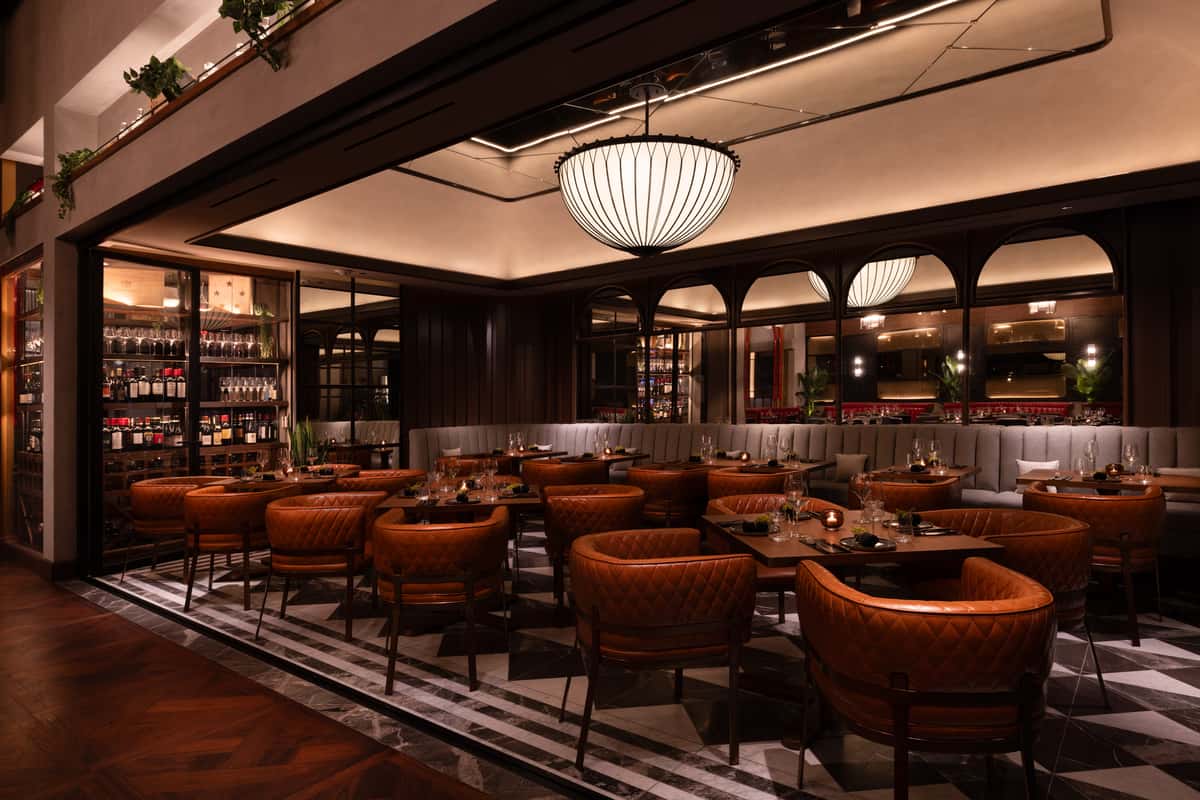
Yes, Stubborn Seed's fine dining experience can help guide attire choices directly. The restaurant enforces a smart casual dress code, prohibiting beachwear and flip-flops to maintain its upscale ambiance. As a Michelin-recognized venue led by Chef Jeremy Ford, a Top Chef Season 13 winner, the experience is intentionally elevated. Guests should treat that standard as their dressing benchmark: polished, composed, and occasion-appropriate. Smart casual here means collared shirts and tailored trousers for men, and chic dresses or sophisticated separates for women. Las Vegas culture reinforces this further, with some high-end restaurants keeping "pants closets" for guests arriving in shorts, a signal of how seriously upscale Vegas venues take their dress expectations.
What Are the Key Takeaways About What's the Appropriate Attire for Fine Dining?
The key takeaways about appropriate attire for fine dining center on structure, restraint, and venue respect. According to Christini's Ristorante Italiano, a well-fitted suit or a blazer with smart trousers and a collared shirt is appropriate for gentlemen. Women should choose cocktail dresses, elegant jumpsuits, or sophisticated separates. Across all fine dining settings, athletic wear, flip-flops, shorts, and gym attire are prohibited. The most practical rule: when uncertain, dress one level above what you think is required. For Stubborn Seed specifically, smart casual is the floor, not the ceiling.