
Fine dining dish with green sauce, shaved truffle, and crispy chips in a black bowl
Why a Michelin-Star Dinner in Miami Feels Like Leaving Everyday Life
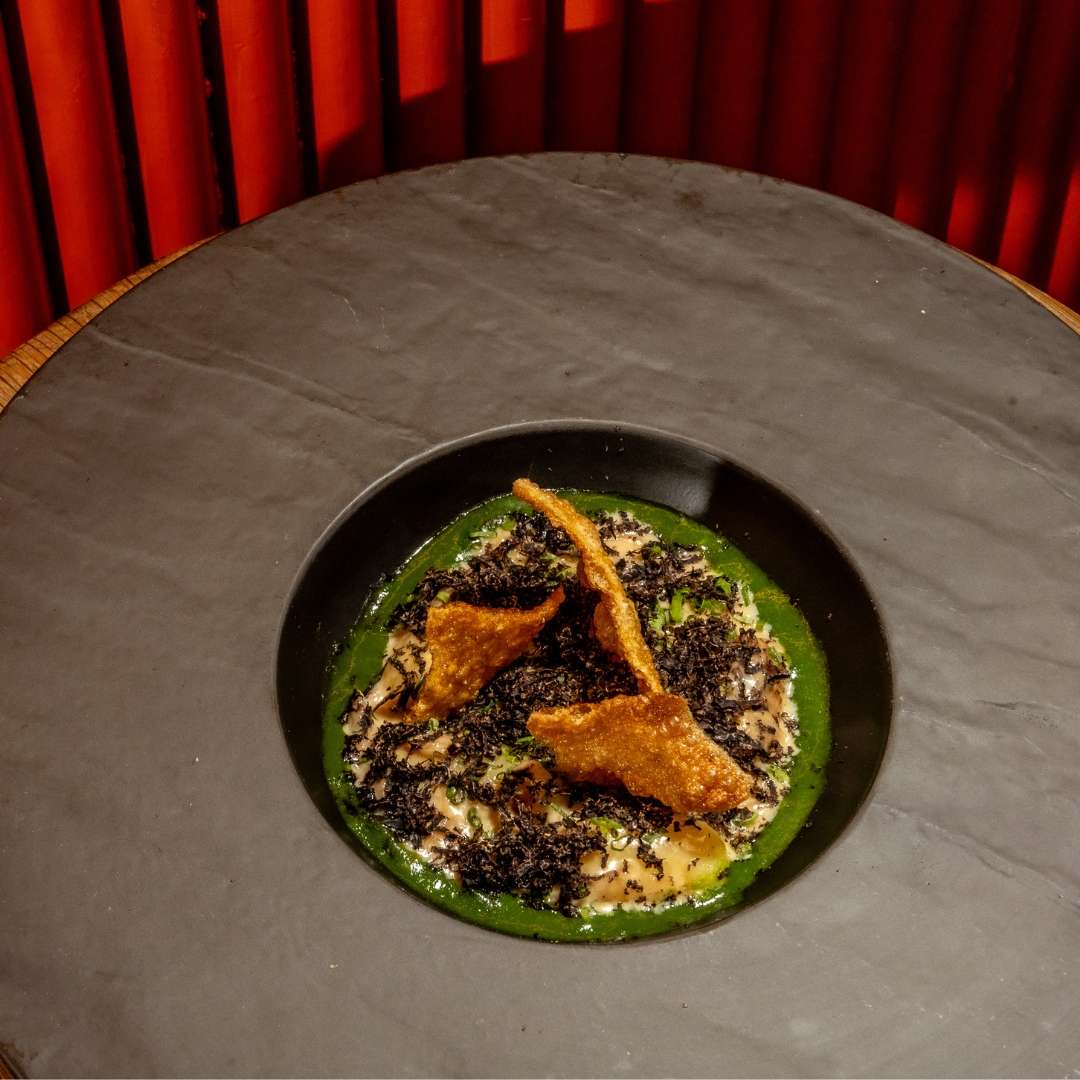
A Michelin-star dinner in Miami is a multi-sensory experience designed to separate guests from the pace and patterns of daily routine. Every element, from atmospheric design to ingredient sourcing, works together to create an evening that feels closer to travel than to simply eating out.
We explore atmosphere and setting, seasonal tasting menus, culinary presentation, ingredient quality, beverage programs, the psychology of escape, and how Stubborn Seed brings all of these together in Miami Beach.
Miami now holds the nation's highest restaurant quality score, and its Michelin-starred restaurants use that reputation to craft environments where lighting, service, and spatial design shape how guests feel from the moment they arrive. The physical space acts as a stimulus that directly influences satisfaction and the desire to return.
Seasonal tasting menus give chefs the freedom to build progressive courses around what is freshest and most inspired in a given week. This structure means no two visits play out the same way, turning dinner into something that demands attention rather than habit.
Plating at the Michelin level functions as visual storytelling. Research in neurogastronomy confirms that artful presentation changes how guests perceive flavor, making each plate a deliberate emotional trigger before the first bite.
Sourcing defines credibility in fine dining. Locally grown ingredients, paired with globally inspired technique, give Miami's best kitchens a flavor identity rooted in Florida's coast and farmland.
A curated beverage program ties each course together through intentional pairings that deepen flavor and slow the pace of the meal, reinforcing the feeling of being fully removed from ordinary life.
What Is the Atmosphere Like at a Michelin-Star Restaurant in Miami?
The atmosphere at a Michelin-star restaurant in Miami is a carefully orchestrated environment where design, lighting, and service converge to shift how guests feel. Miami ranks as America's top-rated dining city in 2025, holding the nation's highest restaurant quality score of 6.94 out of 10.
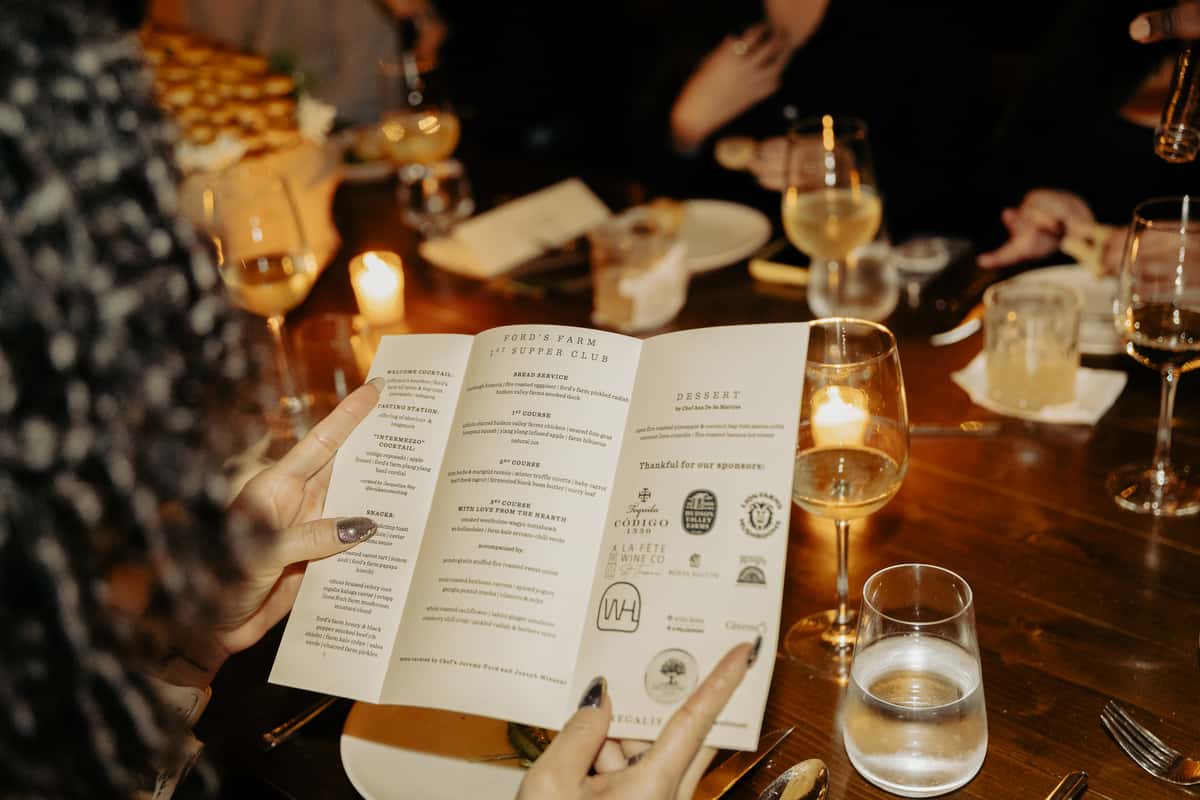
How Does the Setting Enhance the Dining Experience?
The setting enhances the dining experience by functioning as a psychological stimulus that shapes emotional responses before the first course arrives. According to a study published in PLoS One, restaurant attributes including the physical environment and atmosphere act as stimuli that influence a person's internal state, leading to behavioral responses such as customer satisfaction and intentions to revisit.
Lighting plays a particularly decisive role in this effect. Functional lighting ensures visibility, while atmospheric lighting creates the mood that shapes customer behavior. When these design elements work together, they transport guests out of the ordinary and into an environment that feels intentionally curated. For most diners, this sensory shift is what separates a memorable meal from a forgettable one.
What Role Does Service Play in Making a Meal Feel Extraordinary?
Service plays a central role in making a meal feel extraordinary because it transforms a sequence of courses into a cohesive, personal experience. Every interaction, from the greeting to the final farewell, reinforces the feeling that the evening was designed specifically for you.
This level of hospitality is not accidental. As of the 2025 guide, 31 restaurants across Florida hold Michelin stars, and each one earns that recognition partly through the caliber of its front-of-house team. Attentive pacing, genuine warmth, and quiet anticipation of guest needs distinguish Michelin-level service from standard fine dining. The best service never draws attention to itself; it simply makes everything feel effortless, which is precisely what allows guests to fully disconnect from routine.
With atmosphere and service setting the stage, the next layer of escape comes through what appears on the plate itself.
How Do Seasonal Tasting Menus Contribute to a Unique Dining Experience?
Seasonal tasting menus contribute to a unique dining experience by aligning each course with peak-freshness ingredients and evolving culinary creativity. The benefits of chef-driven seasonality and the role of menu innovation each shape why no two visits feel the same.
What are the benefits of a chef-driven, seasonal menu?
The benefits of a chef-driven, seasonal menu include superior ingredient quality, stronger local sourcing connections, and dishes that reflect a specific moment in time. When a chef builds courses around what is currently at peak harvest, every element on the plate carries more flavor and nutritional value.
According to a 2023 National Restaurant Association report, 74% of adults say they would be likely to order locally sourced food, typically defined as grown within a 100-mile radius. This consumer preference rewards restaurants that prioritize regional producers and seasonal availability.
A seasonal framework also gives the chef full creative ownership. Rather than maintaining a static lineup, the kitchen responds to what South Florida's climate and local farms offer each week. That responsiveness is what separates a memorable tasting menu from a predictable one.
How does menu innovation keep each visit distinct?
Menu innovation keeps each visit distinct by ensuring returning guests encounter new flavor combinations, techniques, and presentations with every reservation. A tasting menu built on constant evolution eliminates the repetition that makes conventional dining feel routine.
Chefs who rotate courses frequently can experiment with unfamiliar pairings, reimagine signature preparations, and introduce ingredients that were unavailable during a previous season. This approach transforms dinner from a transaction into an ongoing narrative, where each chapter differs from the last.
For diners seeking escape from everyday life, that unpredictability is the point. Knowing a meal will surprise rather than confirm expectations creates anticipation well before the first course arrives. With culinary presentation adding another sensory layer, the experience deepens even further.
In What Ways Does Culinary Presentation Elevate the Senses?
Culinary presentation elevates the senses by transforming each dish into a visual and emotional experience before the first bite. The subsections below explore how plating shapes perception and why fine dining details matter.
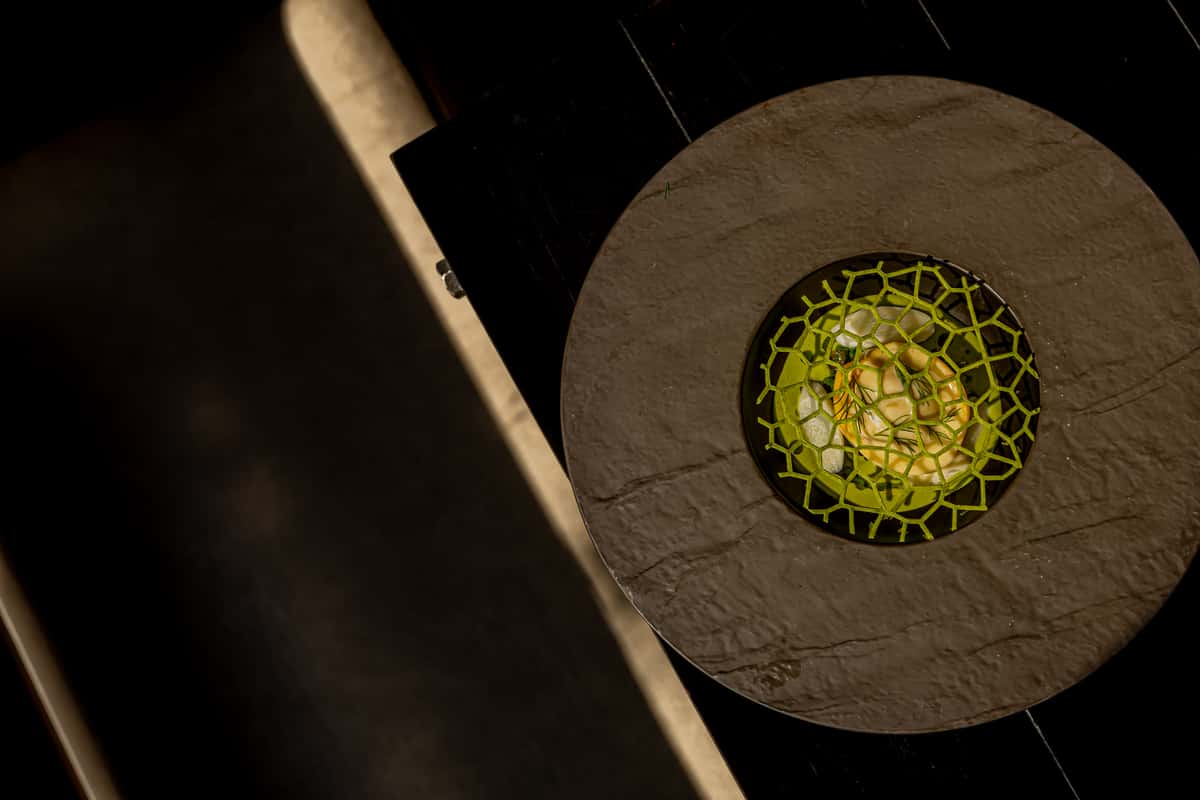
How Does Plating Contribute to the Overall Experience?
Plating contributes to the overall experience by shaping how guests perceive flavor before tasting a single ingredient. According to a study published in the journal Appetite, guests who receive food in a stylish arrangement tend to claim their food tastes better compared to those who receive the same dish in a less attractive presentation. This connection between visual design and flavor perception is not coincidental. Neurogastronomy research confirms that the visual presentation of food influences appetite and emotional response through careful composition. For Michelin-level kitchens, every element on the plate serves a purpose, guiding the eye and building anticipation that heightens the entire sensory arc of a meal.
Why Does Attention to Detail Matter in Fine Dining?
Attention to detail matters in fine dining because it builds the seamless, immersive environment that separates an extraordinary meal from an ordinary one. Michelin restaurant service is characterized by personalized care and polished staff demeanor that elevate hospitality at every touchpoint, according to MOCA Dining. Subdued lighting, high-quality glassware, and carefully selected cutlery work together to make the setting feel comfortable yet luxurious. These seemingly small choices compound across the evening, creating a cohesive experience where nothing pulls a guest out of the moment. This level of precision resonates particularly with dedicated fine dining guests; a Restroworks survey found that 70% of frequent fine dining patrons are aged 35 to 54, a demographic that values craftsmanship and intentional design.
With every sensory detail refined, the quality of what arrives on the plate becomes the next defining factor.
How Do High-Quality Ingredients Set Michelin-Star Dinners Apart?
High-quality ingredients set Michelin-star dinners apart by meeting strict sourcing, freshness, and traceability standards that elevate every dish. The following sections cover Michelin ingredient benchmarks and how local Florida flavors shape these menus.
What Standards Must Ingredients Meet for Michelin Consideration?
The standards ingredients must meet for Michelin consideration include peak seasonality, verified provenance, and consistent quality across every course. Michelin inspectors evaluate how well a kitchen transforms raw materials into dishes that reflect both technical skill and respect for the ingredient itself.
Achieving this level requires rigorous supplier relationships. Proteins, produce, and specialty items are often sourced from farms and purveyors who can guarantee harvest timing, handling conditions, and sustainable practices. Ingredients that lack traceability or arrive outside their optimal window rarely survive the scrutiny of a starred kitchen. For chefs pursuing or maintaining a star, ingredient selection is not a preference; it is a non-negotiable foundation that determines whether a dish achieves the precision Michelin expects.
How Are Local Florida Flavors Integrated into Menus?
Local Florida flavors are integrated into menus by sourcing regional produce, seafood, and specialty crops that reflect the state's subtropical terroir. According to the National Restaurant Association, 74% of adults say they would be likely to order locally sourced food, commonly defined as grown within a 100-mile radius.
Florida's climate supports year-round availability of citrus, tropical fruits, stone crab, and warm-water fish varieties that rarely appear on menus outside the region. Starred kitchens incorporate these ingredients not as novelty but as structural elements of their tasting menus, building courses around what the local ecosystem provides each season. This approach creates dishes that could only exist in South Florida, giving diners a sense of place that imported ingredients simply cannot replicate. Understanding how ingredients anchor the plate naturally raises the question of what complements them in the glass.
What Makes the Beverage Program Integral to Michelin-Level Dining?
The beverage program is integral to Michelin-level dining because it transforms each course into a multisensory pairing that deepens flavor, narrative, and occasion. Craft cocktails, curated wines, and innovative drink menus each play a distinct role.
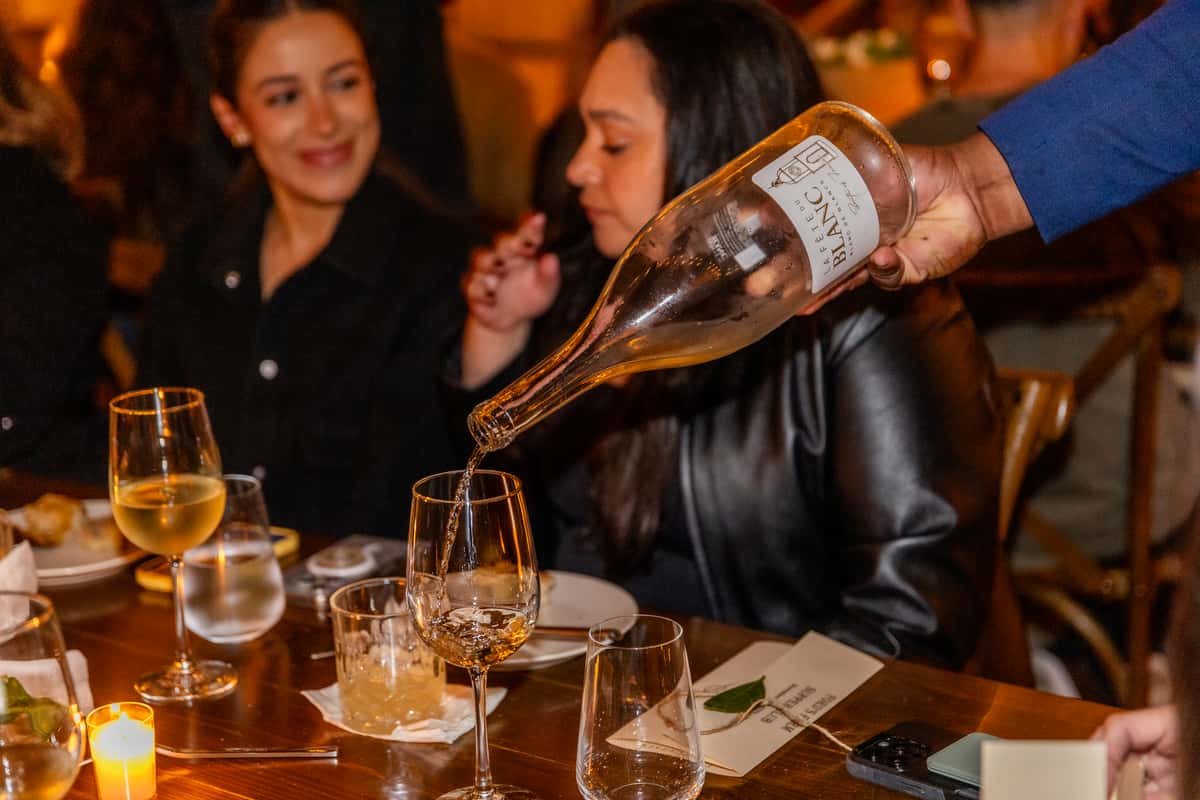
How Do Craft Cocktails and Curated Wine Pairings Elevate Meals?
Craft cocktails and curated wine pairings elevate meals by creating deliberate flavor bridges between the glass and the plate. A wine selected for its acidity can brighten a rich dish, while a cocktail built around seasonal botanicals can echo the herbs in a course. As Gabriela Ospina, named Florida's best sommelier by the 2024 Michelin Guide, puts it: "Wine is meant to be drunk, not studied." That philosophy captures the best beverage programs, where every pairing feels intuitive rather than academic. When drinks and dishes are developed in parallel, the meal becomes a single cohesive experience rather than separate elements shared on one table.
Why Is Beverage Innovation Important in Fine Dining?
Beverage innovation is important in fine dining because it signals a kitchen's broader commitment to creativity and seasonal relevance. Sommeliers who champion farmer-first wine lists or bartenders who incorporate local citrus and tropical fruit push the experience beyond convention. Jacqueline Pirolo of Macchialina earned the Michelin Guide Florida 2025 Sommelier Award for her fully Italian, farmer-first wine list, illustrating how a focused, original approach earns industry recognition. For guests, an inventive beverage program provides discovery at every course, making the evening feel unrepeatable. That sense of novelty is one reason a well-designed drink menu contributes directly to why a Michelin-star dinner feels like stepping outside everyday life.
How Does a Michelin-Star Experience Help Guests Disconnect from Routine?
A Michelin-star experience helps guests disconnect from routine by immersing them in a sensory environment that redirects attention away from daily pressures. The psychological effects of an immersive meal and the role of exclusivity both contribute to this sense of escape.
What Psychological Effects Does an Immersive Meal Have on Guests?
An immersive meal produces psychological effects such as reduced stress awareness, heightened sensory engagement, and elevated mood. When every element of a dining environment works in concert, the brain shifts from autopilot processing into present-moment attention.
According to a 2025 study published in PLoS One, restaurant attributes including the physical environment and atmosphere act as stimuli that influence a person's internal state, leading to behavioral responses such as increased satisfaction and intentions to revisit. This stimulus-response dynamic explains why a carefully orchestrated meal can feel restorative. The combination of plating artistry, ambient lighting, and deliberate pacing creates a form of mindful engagement that routine meals simply cannot replicate.
How Does Exclusivity Create a Sense of Escape?
Exclusivity creates a sense of escape by separating the dining experience from everyday accessibility, signaling to guests that they have entered a distinct space governed by different rules. Limited seating, curated tasting menus, and personalized service establish a boundary between ordinary life and the meal unfolding before each guest.
This psychological separation is reinforced by several factors:
Reservations required in advance create anticipation and intentionality.
Intimate room capacity reduces external distractions and noise.
Attentive, unhurried service allows guests to relinquish control and simply receive.
For guests aged 35 to 54, who represent 70% of frequent fine dining visitors according to a Restroworks industry survey, this structured departure from routine often addresses a specific need for mental reset. Exclusivity, in this context, is not mere prestige; it functions as a permission structure that encourages full presence.
With the psychological groundwork for escape understood, Stubborn Seed offers a direct path to experience it in Miami.
How Can You Experience This Level of Dining at Stubborn Seed in Miami?
You can experience this level of dining at Stubborn Seed by reserving a tasting menu at the Michelin-starred Miami Beach restaurant led by Chef Jeremy Ford. Below, we cover available experiences and key takeaways from the article.
What tasting menu experiences are available at Stubborn Seed?
The tasting menu experiences available at Stubborn Seed include a 6-course tasting menu and a 9-course tasting menu. Chef Jeremy Ford, winner of Top Chef Season 13, leads both formats with seasonal, technique-driven courses at the Miami Beach location. Stubborn Seed holds one Michelin Star and a Michelin Green Star for sustainability, according to the 2025 Michelin Guide Florida selections reported by Forbes. Reservations can be made through the Stubborn Seed website. For guests who appreciate culinary craftsmanship alongside environmental responsibility, few Miami restaurants deliver both distinctions simultaneously.
What Are the Key Takeaways About Why a Michelin-Star Dinner in Miami Feels Like Leaving Everyday Life We Covered?
The key takeaways about why a Michelin-star dinner in Miami feels like leaving everyday life are:
Atmospheric design, from lighting to material quality, shapes emotional responses that separate the experience from daily routine.
Seasonal tasting menus built around local ingredients ensure no two visits feel the same.
Artful plating activates sensory and emotional responses before the first bite.
Thoughtful beverage programs deepen each course through intentional pairing.
Personalized, detail-oriented service creates an immersive rhythm that encourages guests to disconnect from outside demands.
Miami holds the nation's highest restaurant quality score of 6.94 out of 10 as of 2025, according to Current Backyard. That competitive landscape pushes every starred kitchen to deliver experiences worthy of genuine escape. Stubborn Seed brings all of these elements together under one roof on Miami Beach.