
Why Choose Experiential Dining? Benefits & Is It Worth It?
Why Choose Experiential Dining? Benefits & Is It Worth It?
Experiential dining is a chef-driven format where a meal becomes a structured, multi-sensory event rather than a simple food transaction. Instead of choosing from a standard menu, guests move through a progressive sequence of courses, curated beverage pairings, and intentional atmosphere designed to tell a complete culinary story.
This guide covers what defines experiential dining, why guests seek it out, the tangible benefits it delivers, whether tasting menus are worth the price in Las Vegas, what contemporary fine dining without rigid formality actually feels like, and how Stubborn Seed brings all of it together at Resorts World Las Vegas.
Experiential dining differs from traditional dining in how it engages multiple senses simultaneously: ambience, flavor, texture, pacing, and beverage pairings all work together as components of a single composed experience rather than independent elements.
Guests are drawn to this format for specific occasions and for the culinary discovery it enables, particularly the opportunity to engage with a chef's creative vision across an entire progression of dishes rather than a single plate.
The tangible benefits include stronger perceived value, guided discovery of ingredients and techniques, and a heightened connection to the food itself. Research consistently shows diners willingly pay more when chef interaction and storytelling are part of the meal.
In Las Vegas, where tasting menus range from $75 to $485 per person, the worth question comes down to ingredient quality, reservation planning, and whether the experience is matched to the right occasion.
Contemporary fine dining has also shed much of its historical formality, replacing rigid protocol with warmth, creative energy, and beverage programs built course by course rather than chosen from a list.
What Defines Experiential Dining and How Does It Differ from Traditional Dining?
Experiential dining is a chef-driven approach where the meal itself becomes a structured, multi-sensory event rather than a simple transaction. Unlike traditional dining, where guests choose from a standard menu, experiential formats use progressive courses, curated beverage pairings, and intentional atmosphere to build a complete narrative around food.
How Do Multi-Course Tasting Menus Enhance the Dining Experience?
Multi-course tasting menus enhance the dining experience by guiding guests through a deliberate sequence of dishes, each building on the last in flavor, texture, and storytelling. Rather than selecting individual plates, diners surrender to the chef's vision, which creates a cohesive culinary arc from start to finish.
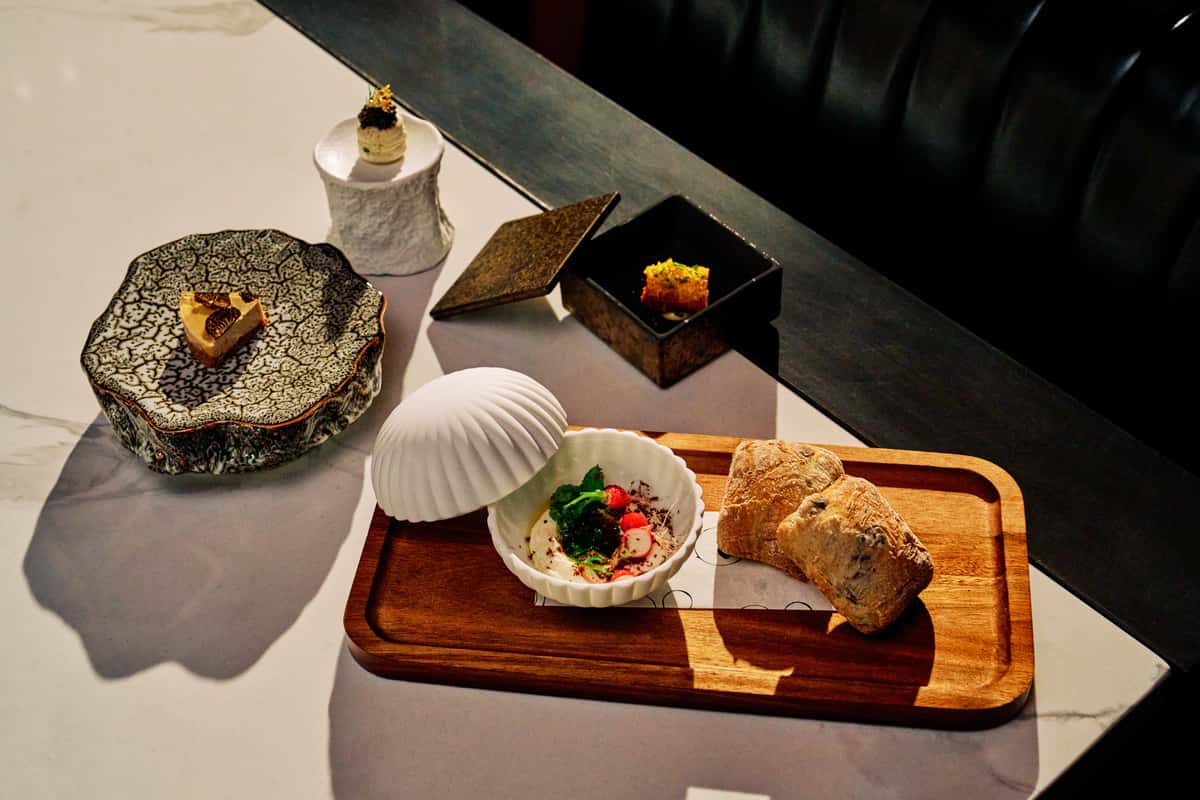
Beverage pairings deepen this arc considerably. According to SevenFifty Daily, chefs and restaurateurs worldwide now develop non-alcoholic drinks specifically for tasting menus, using juices, distillates, infusions, and kombuchas. Julia Momosé, owner of Kumiko dining bar in Chicago, captures why this matters: "Spirit-free pairings can heighten the experience in a way typical wine pairings don't. Unlike wines, 'spiritfrees' are created specifically for that dish."
The guest appetite for this format is real. According to the World Chefs Organization, 78% of Millennials prioritize experiences over physical possessions, and 75% of Gen Z diners customize their orders, signaling strong demand for menus that adapt to individual preferences while still delivering a guided progression.
What Role Does the Setting and Atmosphere Play in Experiential Dining?
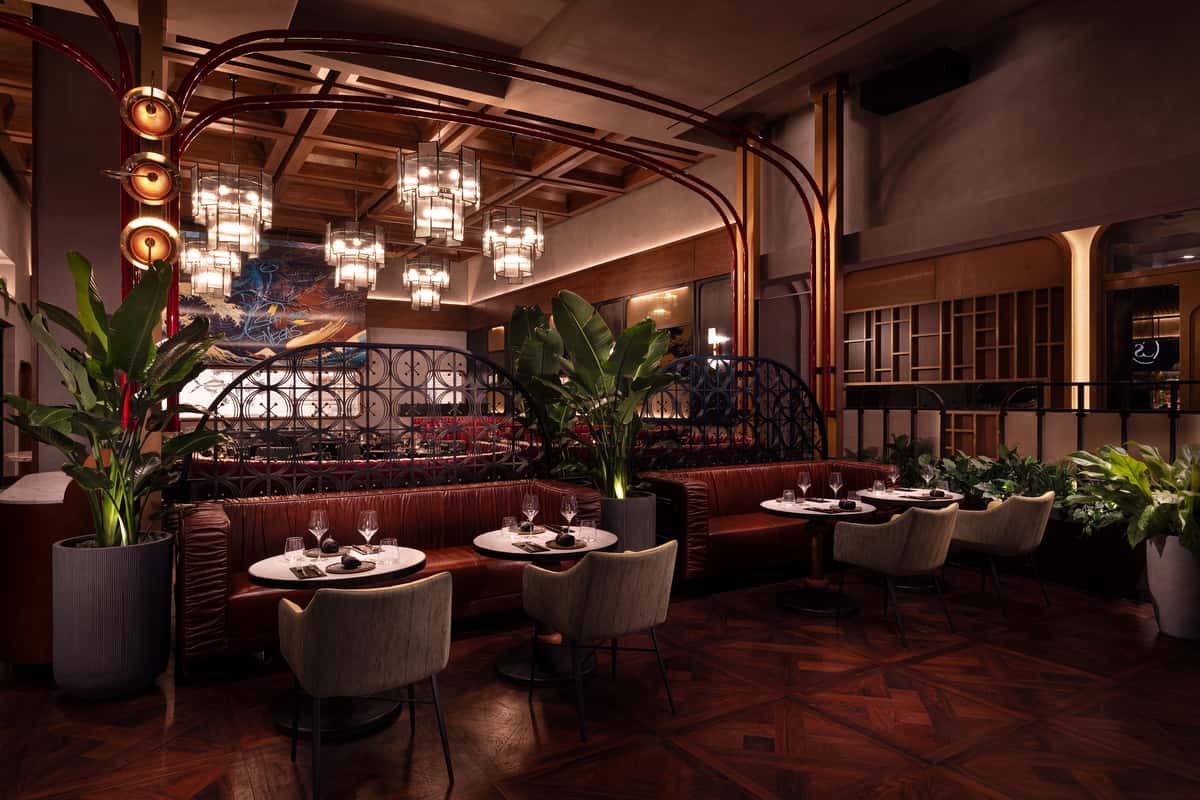
The setting and atmosphere play a defining role in experiential dining by engaging senses beyond taste, including sight, sound, and touch, to deepen the emotional impact of every course. According to a Paradigm Press study published in Frontiers in Management Science, the deliberate engagement of multiple senses enhances satisfaction, fosters emotional connections, and justifies premium pricing in fine dining establishments.
Ambience functions as what researchers call "the silent influencer." Lighting, acoustics, plate presentation, and spatial design all shape how guests perceive flavor and value before the first bite arrives. A beautifully composed room signals intent, communicates care, and primes guests to receive the meal differently than they would in a neutral setting.
Traditional dining rarely engineers these layers with the same precision. Experiential venues treat atmosphere as integral to the dish itself, not as background decoration. That distinction is what separates a memorable evening from a routine meal.
Why Are Guests Drawn to Experiential Dining in Upscale Restaurants?
Guests are drawn to experiential dining in upscale restaurants because it transforms a meal into a meaningful event, combining culinary artistry, occasion, and personal discovery. The following sections explore the occasions that make experiential dining most compelling and how it serves discerning food enthusiasts.
What Types of Occasions Are Ideal for Experiential Dining?
The types of occasions ideal for experiential dining include milestone celebrations, romantic anniversaries, corporate entertainment, and culinary bucket-list experiences. According to YouGov, 61% of Gen Z agree that dining out is a treat reserved for special occasions, signaling that guests consciously reserve upscale experiential meals for moments that deserve elevation. Birthdays, engagements, and milestone achievements carry emotional weight that a tasting-menu format honors naturally, with each course punctuating the evening. Beyond personal milestones, culinary tourism drives demand as well. Visitors to Las Vegas increasingly treat a reservation at a chef-driven restaurant as a destination experience in its own right, not merely a meal before a show.
How Does Experiential Dining Cater to Discerning Food Enthusiasts?
Experiential dining caters to discerning food enthusiasts by providing deliberate culinary storytelling, ingredient transparency, and direct engagement with a chef's creative vision. A Technomic study cited by the World Chefs Organization found that 72% of diners expressed a desire for more experiential dining options, such as chef's tables, themed dining events, and interactive culinary experiences. For food enthusiasts specifically, the appeal lies in the sequenced reveal of flavors, the sourcing narratives behind each dish, and the opportunity to taste techniques that home cooking cannot replicate. Nearly three in four Gen Z diners say they enjoy trying new cuisines, reflecting a broader appetite for culinary discovery that experiential formats satisfy more completely than à la carte dining.
What Are the Tangible Benefits of Experiential Dining for Diners?
The tangible benefits of experiential dining for diners include better perceived value, culinary discovery, and a heightened connection to the food and the chef behind it. The following sections examine whether experiential dining justifies its premium and what chef-driven menus specifically contribute to that quality.
Does Experiential Dining Offer Better Value Than Regular Restaurant Visits?
Experiential dining offers better value than regular restaurant visits when diners measure value beyond price alone. According to Eventbrite data (via the World Chefs Organization), 50% of respondents said they would pay an average of $58 more per person for a pop-up meal with chef interaction than for the same menu at a standard restaurant.
This willingness to pay more reflects how diners now evaluate occasion-driven meals. YouGov found that 61% of Gen Z agree dining out is a treat reserved for special occasions, not an everyday habit. When eating out carries that weight, the experience itself becomes the product. The added context of chef interaction, storytelling, and intentional service transforms a meal's perceived worth in a way price alone cannot capture.
How Do Chef-Driven Menus Impact the Quality of the Experience?
Chef-driven menus impact the quality of the experience by placing a single creative vision at the center of every course, ensuring that flavor, texture, and presentation all serve a deliberate narrative. Rather than satisfying broad preferences, each dish reflects a chef's point of view, creating coherence across an entire meal that à la carte formats rarely achieve.
YouGov data shows that 73% of Gen Z diners want to try new cuisines, signaling a genuine appetite for culinary discovery. Chef-driven menus meet that appetite directly, guiding guests through ingredients, techniques, and flavor progressions they would not choose on their own. That guided discovery is where the quality uplift is most tangible — and where experiential dining earns its distinction from conventional upscale restaurants.
Are Experiential Tasting Menus Worth the Price in Las Vegas?
Experiential tasting menus in Las Vegas are worth the price for diners who value curated, multi-course progression over a standard restaurant visit. The following H3s cover what to expect when booking and how ingredient quality shapes the overall value.
What Should You Expect When Booking a Reservation for Experiential Dining?
What you should expect when booking a reservation for experiential dining includes advance planning, a structured multi-course progression, and limited seating availability. Top Las Vegas fine dining venues typically require reservations 30 to 60 days in advance during peak periods, with some tasting venues offering only a handful of seatings nightly. Because these experiences are time-intensive, usually lasting 2 to 4 hours, the reservation itself signals a commitment to the full experience rather than a casual meal. Optional beverage pairings, dietary accommodations, and seating preferences are often coordinated at booking. For first-time guests, arriving without a clear understanding of the format can undercut the experience considerably, so it pays to research the menu structure and course count before you arrive.
How Does the Quality of Ingredients Influence the Dining Value?
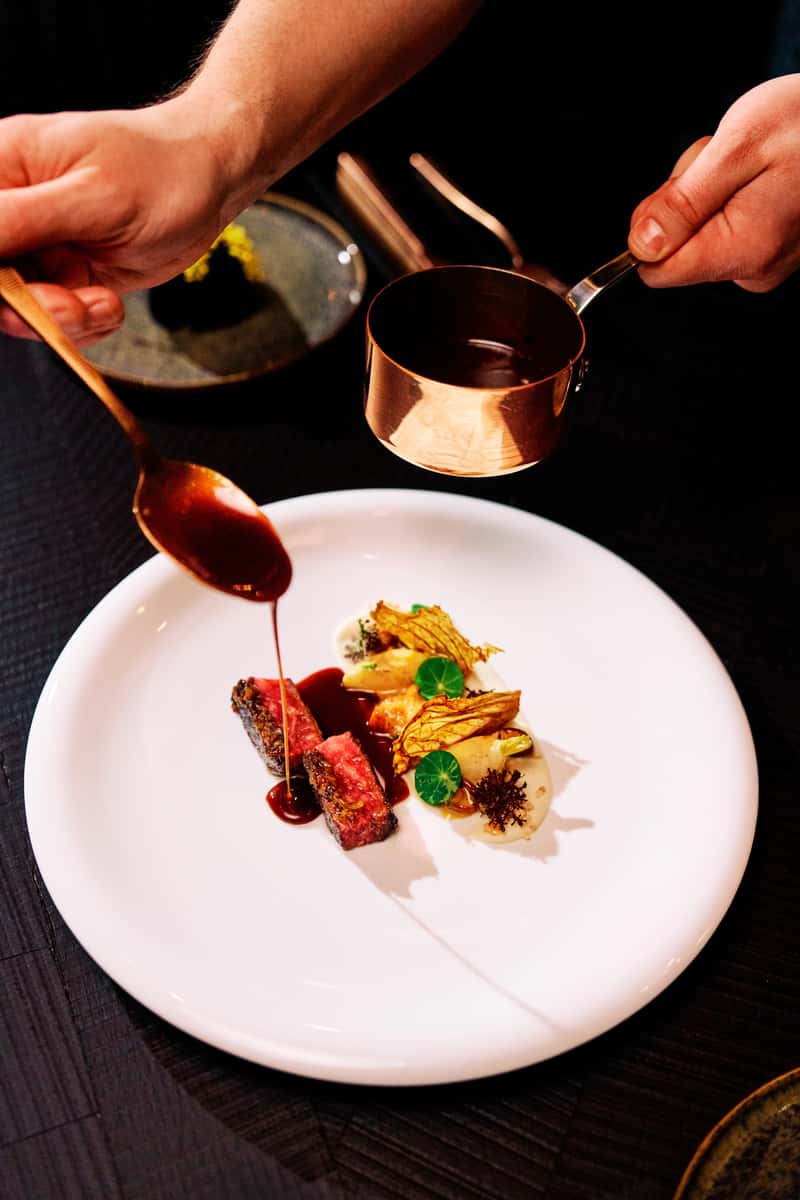
The quality of ingredients directly influences the dining value of a tasting menu by determining both the flavor ceiling and the cost structure behind every course. Premium proteins, seasonal produce, and specialty components require significant sourcing investment, which is reflected in menu pricing. According to data from Stubborn Seed's own industry analysis, operational costs rose 51.9% from mid-2021 to mid-2024, with expensive proteins increasing 20 to 22%, clarified butter rising 77%, and eggs jumping 144%. At chef-driven venues, seasonal sourcing and ingredient-first approaches are central to menu creativity, meaning the price of a tasting menu tracks closely with the actual cost of what lands on the plate. When ingredient quality is this deliberate, the value comparison shifts away from cost-per-bite and toward the coherence and craft of the overall experience.
How Does Contemporary Fine Dining Without Stuffy Formality Transform Your Experience?
Contemporary fine dining without stuffy formality transforms your experience by replacing rigid protocol with warmth, creative energy, and genuine hospitality. According to Paradigm Press research on consumer perceptions, the fine dining experience is a multisensory journey where taste and ambience converge to create lasting impressions and define perceptions of luxury. The following H3s explore how beverage programs and reservation-based service each shape this transformation.
Can a Curated Beverage Program Enhance Your Experiential Meal?
Yes, a curated beverage program can enhance your experiential meal by creating deliberate flavor dialogue between each course and its paired drink. Modern programs extend well beyond wine, incorporating spirit-free options such as fermented juices, distillates, infusions, and kombuchas crafted specifically for individual dishes. According to Julia Momosé, owner of Kumiko dining bar in Chicago, "Spirit-free pairings can heighten the experience in a way typical wine pairings don't. Unlike wines, 'spiritfrees' are created specifically for that dish." This intentional pairing approach elevates every course from a meal into a composed sensory sequence, making the beverage program inseparable from the overall experience.

Does Reservation-Based Service Make a Difference in Experiential Dining?
Yes, reservation-based service makes a meaningful difference in experiential dining by allowing the kitchen and front-of-house to prepare for each guest individually. Because seating is controlled and anticipated, teams can time courses precisely, personalize service, and maintain the pacing that multi-course progression demands. At top Las Vegas fine dining venues, reservations require 30 to 60 days advance booking for peak times, with some tasting venues offering only limited seatings nightly. That scarcity is not a barrier; it is a signal that the experience prioritizes quality over volume, and guests who plan ahead are rewarded with undivided attention from arrival to the final course.
How Does Stubborn Seed Deliver Experiential Dining in Las Vegas?
Stubborn Seed delivers experiential dining in Las Vegas through a structured multi-course tasting menu guided by Chef Jeremy Ford at Resorts World Las Vegas. The sections below cover what makes the tasting menu unique and key takeaways on experiential dining's value.
What Makes Stubborn Seed's Multi-Course Tasting Menu Unique for Experiential Diners?
Stubborn Seed's multi-course tasting menu is a sequenced progression of chef-driven courses designed to tell a culinary story from first bite to last. Unlike à la carte dining, where guests select individual dishes independently, a tasting menu removes that decision entirely, placing the narrative in the chef's hands.
A typical tasting menu runs 2 to 4 hours, making it a deliberate, unhurried experience rather than a transactional meal. Stubborn Seed offers 6- and 9-course formats, giving diners flexibility in commitment and depth of experience.
Beverage pairings, including wine or curated non-alcoholic options, complement each course and deepen the sensory arc. Preparing for a tasting menu means arriving with time, an open palate, and any dietary restrictions communicated in advance.
For experiential diners, the tasting menu format is the single most effective way to engage with a chef's complete vision in one sitting.
What Are the Key Takeaways About Experiential Dining, Its Benefits, and Whether It's Worth It?
Fine dining is worth the money when the experience delivers more than food, specifically storytelling, craft, and lasting memory. According to a Technomic study cited by the World Chefs Organization, 72% of diners want more experiential options such as chef's tables, themed events, and interactive culinary experiences, signaling that demand for this format is not niche but mainstream.
The core takeaways about experiential dining are:
- Value extends beyond the plate: Ambiance, pacing, and chef-driven creativity justify premium pricing in ways a standard restaurant visit cannot replicate.
- Occasion alignment matters: Experiential dining performs best as a destination event, such as a celebration, milestone, or intentional culinary adventure.
- Course structure enhances discovery: Multi-course progression exposes diners to techniques and ingredients they would not choose independently.
- Beverage pairings amplify the experience: Matched wine or spirit-free programs transform each course into a layered sensory event.
- Reservation planning is essential: Advance booking secures the intimate, attentive service that makes the experience worthwhile.
Stubborn Seed at Resorts World Las Vegas brings together all these elements under one Michelin-starred roof, making it one of Las Vegas's most purposeful choices for experiential dining.