
Why Fine Dining in Las Vegas Costs What It Does
Why Fine Dining in Las Vegas Costs What It Does
If you're searching for answers about Las Vegas fine dining prices, you've likely experienced sticker shock at menu costs or wondered whether that $500 tasting menu is truly worth it. We understand your curiosity about what drives these premium prices in America's entertainment capital, and we're here to provide the transparent breakdown you need.
Fine dining in Las Vegas costs what it does due to a complex interplay of premium ingredient sourcing, world-class culinary talent, prime real estate on the Strip, extensive operational expenses, and the city's unique tourism-driven market dynamics. Food costs in fine dining establishments typically range from 28-35% of sales, while a 20-lb container of clarified butter has increased from $66 to $117 and a case of 15 dozen eggs has risen from $18 to $44 during the 2020-2024 period we analyzed.
TL;DR Summary: Our comprehensive analysis reveals that Las Vegas fine dining prices reflect multiple economic factors working in concert. Premium ingredients like A-5 Wagyu ($35/oz at Morimoto) and specialized proteins have risen 20-22% over three years, directly impacting menu costs. Executive chef salaries range from $82,984-$114,278 annually, representing the investment in culinary excellence. Strip locations command 30-40% higher prices than off-Strip venues, with restaurant properties averaging $922 per square foot. Operational requirements include licensing fees, health permits, and gaming licenses that can reach $15,000. The city's 41.68 million annual visitors drive demand for exclusive experiences like é by José Andrés's nine-seat dining room. Tasting menus from renowned establishments range from $290-$800 per person, reflecting the culmination of these cost factors. For value-conscious diners, understanding these pricing dynamics helps identify exceptional experiences beyond the price tag. Stubborn Seed offers a more accessible fine dining option with transparent pricing, featuring a $145 tasting menu alongside $95 show menus and $145 holiday offerings.
Quick Tip: When evaluating fine dining value in Las Vegas, look beyond the base menu price to understand what's included—some restaurants charge mandatory service fees of $55 plus tax, while others apply automatic 22% gratuities, significantly affecting your final bill.
As we explore each factor that contributes to these premium prices, you'll gain the insider knowledge needed to make informed dining decisions that align with both your culinary expectations and budget considerations in Las Vegas's extraordinary restaurant landscape.
What Factors Most Influence the Price of Fine Dining in Las Vegas?
Fine dining prices in Las Vegas reflect a complex interplay of ingredient costs, chef expertise, venue expenses, prime real estate, and exceptional service standards. Multiple economic pressures converge to create the premium pricing structure that defines the city's upscale restaurant scene.
The following factors examine how operational costs, culinary talent investments, location premiums, and service quality collectively shape menu pricing across Las Vegas's fine dining establishments.
How Does the Cost of Ingredients Impact Fine Dining Prices in Las Vegas?
Ingredient costs directly drive fine dining prices, typically accounting for 28–35% of restaurant sales. Las Vegas establishments face significant cost pressures from volatile commodity markets and supply chain disruptions.
Recent price increases demonstrate this impact clearly. A 20-lb container of clarified butter rose from $66 to $117, while a case of 15 dozen eggs jumped from $18 to $44 during the analyzed period. These foundational ingredients affect every dish, forcing restaurants to adjust pricing accordingly.
Premium establishments like Stubborn Seed carefully balance ingredient quality with cost efficiency, sourcing exceptional products while maintaining accessible pricing compared to ultra-luxury competitors.
How Do Chef Expertise and Culinary Talent Affect Fine Dining Costs?
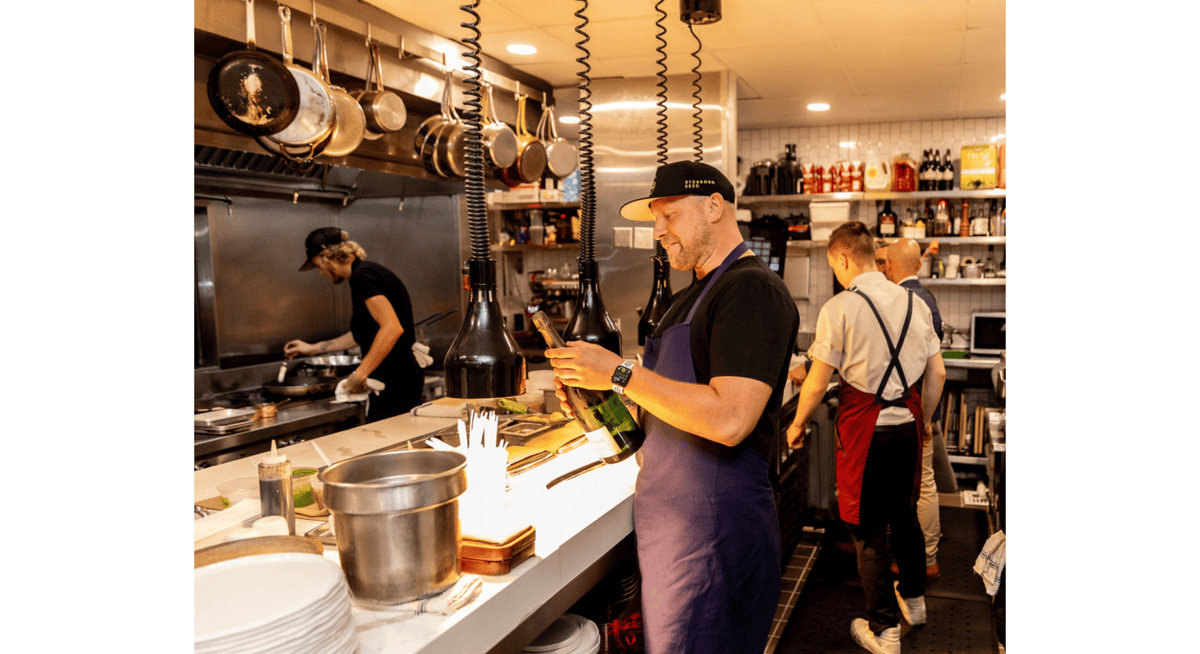
Chef expertise commands premium pricing, with top-tier tasting menus exceeding $500 per person to justify investments in culinary talent and premium ingredients. Renowned chefs bring specialized skills, creative vision, and reputation that directly influence menu value.
Executive chef salaries in Las Vegas range from $82,984 to $114,278 annually, while sous chefs average $59,298 to $66,116 per year. These labor investments ensure consistent excellence and innovation in menu development.
Restaurants must balance talent costs with guest expectations. Stubborn Seed's chef-driven approach delivers exceptional culinary experiences at approximately $145 per person, demonstrating how skilled leadership creates value without extreme pricing.
How Do Ambiance and Venue Contribute to Restaurant Pricing?
Ambiance investments significantly influence fine dining costs through interior design, lighting systems, sound engineering, and custom furnishings. These elements create the immersive environments that justify premium pricing and enhance the overall dining experience.
Venues invest heavily in specialized equipment, temperature control systems, and aesthetic details that support their culinary vision. These capital expenditures require amortization through menu pricing over multiple years.
The physical environment directly affects perceived value, with guests expecting refined atmospheres that complement exceptional cuisine and service standards.
What Role Do Location and Real Estate Play in Fine Dining Costs?
Location and real estate play a major role in fine dining costs by increasing rent and operating expenses, especially for Strip-based restaurants. Restaurant properties average $922 per square foot on LoopNet, while average commercial rent reaches $31.65 per square foot in 2024.
Strip restaurants charge 30–40% more than off-Strip counterparts due to prime location premiums. High-traffic areas command elevated rents but provide access to tourists and affluent locals willing to pay premium prices.
Location determines both operational costs and revenue potential, with prime spots justifying higher menu prices through increased visibility and guest traffic.
How Does Service Quality Impact the Total Price of a Fine Dining Experience?
Service quality impacts the total price of a fine dining experience by increasing labor costs and adding mandatory service charges or gratuities. José Andrés charges a mandatory $55 service charge plus $22.69 tax, while Guy Savoy applies a 22% automatic gratuity.
Labor costs typically represent 30–35% of fine dining sales, with restaurant servers averaging $61,081 annually including tips. This investment in skilled service staff ensures seamless experiences that justify premium pricing.
Exceptional service creates value through personalized attention, wine expertise, and seamless execution that elevates the entire dining experience beyond just food quality.
Understanding these pricing factors helps diners appreciate the economic realities behind Las Vegas fine dining costs, from ingredient volatility to service excellence investments.
How Does Sourcing Local Versus Imported Ingredients Affect Cost?
Sourcing local versus imported ingredients affects restaurant costs by increasing transportation expenses, supply chain complexity, and price volatility for fine dining establishments. Las Vegas's desert location necessitates importing most luxury ingredients, creating additional logistics costs that fine dining establishments pass to customers. These sourcing decisions directly impact menu pricing strategies and profit margins.
Before exploring premium ingredient costs at establishments like Stubborn Seed, it's essential to understand why certain ingredients command exceptionally high prices in Las Vegas and how supply chain challenges compound these costs.
Why Are Certain Ingredients Especially Expensive in Las Vegas?
Certain ingredients are especially expensive in Las Vegas due to importation requirements, limited local suppliers, and premium quality standards demanded by fine dining establishments. Japanese wagyu varieties exemplify this pricing structure, with restaurants charging premium rates for authentic cuts.
High-end establishments price premium proteins at significant markups:
- A-5 Wagyu costs $35 per ounce with a 3-ounce minimum at Morimoto
- Yonezawa-Gyu commands $75 per ounce with a 3-ounce minimum at Mizumi
- Snow Beef prices at $60 per ounce with a 3-ounce minimum at Mizumi
- Truffle additions increase dish costs by $48, as seen with MOFUKU's $30 ramen upgrade
At Stubborn Seed, chef-driven sourcing focuses on balancing premium ingredients with accessible pricing, offering exceptional quality without the extreme markups found at resort properties.
How Do Supply Chain and Distribution Challenges Raise Restaurant Costs?
Supply chain and distribution challenges raise restaurant costs by increasing transportation expenses, complicating inventory management, and creating price volatility. Las Vegas restaurants face unique logistical hurdles that compound ingredient costs beyond initial purchase prices.
Recent market conditions demonstrate significant cost increases across protein categories. Expensive proteins including beef, lamb, and seafood rose 20-22% over three years, forcing restaurants to adjust menu pricing or absorb reduced profit margins. Las Vegas's desert location requires importing most luxury and specialty ingredients, adding distribution costs through multiple supply chain intermediaries.
These challenges create operational pressures that restaurants like Stubborn Seed address through strategic supplier relationships and menu engineering that maintains quality while controlling costs for guests.
What Regulatory or Operational Expenses Affect Fine Dining Prices?
Regulatory and operational expenses affect fine dining prices by adding licensing, compliance, labor, and permit costs to overall restaurant overhead. These behind-the-scenes costs directly impact menu pricing as establishments like Stubborn Seed must balance regulatory compliance with maintaining exceptional dining experiences.
How Do Licensing, Permits, and Compliance Requirements Affect Costs?
Licensing, permits, and compliance requirements affect restaurant costs by creating mandatory operational expenses that fine dining establishments must absorb or pass on to diners. Basic restaurant license costs approximately $150, including a $100 permit fee plus $50 processing fee. The Southern Nevada Health District requires a health permit with a main kitchen fixed fee of $283 plus additional unit rates.
Gaming licenses add significant regulatory expenses, with annual fees cited at $500 and investigation costs for restricted licenses ranging from $5,000 to $15,000. These compliance requirements ensure establishments like Stubborn Seed maintain the highest standards while contributing to overall operational overhead that influences menu pricing strategies.
In What Ways Do Labor Costs in Las Vegas Raise Final Menu Prices?
Labor costs raise final menu prices by consuming 30–35% of fine dining restaurant sales through salaries, wages, and service staffing requirements. Executive chef salaries in Las Vegas range approximately $82,984–$114,278 per year, while sous chef salaries average approximately $59,298–$66,116 per year.
Restaurant servers average about $61,081 per year including tips, reflecting the premium service standards expected in Las Vegas fine dining. These substantial labor investments ensure establishments like Stubborn Seed deliver exceptional culinary execution and personalized service, with these costs necessarily reflected in final menu pricing to maintain sustainable operations.
The combination of regulatory compliance and skilled labor requirements creates significant operational overhead that fine dining establishments must carefully balance against guest expectations and competitive pricing in Las Vegas's dynamic culinary market.
How Does Customer Demand and Tourism Shape Fine Dining Pricing?
Customer demand and tourism shape fine dining pricing in Las Vegas by sustaining high demand that allows restaurants to maintain premium price points. Las Vegas welcomed 41.68 million visitors in 2024, representing a 2.1% increase from the previous year, creating sustained demand for premium dining experiences. This massive influx of tourists, combined with major conventions and events, allows restaurants to maintain higher price points while adjusting strategies based on market conditions.
The following sections examine how Las Vegas's unique tourism ecosystem and culinary reputation create pricing opportunities for fine dining establishments like Stubborn Seed.
Why Does Las Vegas Attract High-End Culinary Experiences?
Las Vegas attracts high-end culinary experiences because its global reputation for luxury entertainment supports premium dining concepts and celebrity chef investments. Joël Robuchon remains the only Las Vegas restaurant to have received a Michelin three-star rating, establishing the city's credibility among discerning diners worldwide. The concentration of celebrity chefs, casino partnerships, and affluent tourists creates an ecosystem where premium dining concepts thrive.
Restaurants such as Stubborn Seed capitalize on this reputation by offering chef-driven experiences that attract both visitors and locals seeking exceptional culinary artistry. The city's 24-hour entertainment culture and disposable income from gaming activities support higher menu prices than traditional markets.
How Do Major Events and Conventions Influence Restaurant Prices?
Major events and conventions influence restaurant prices by creating demand surges that support higher menu pricing during peak periods. Las Vegas welcomed 41.68 million visitors in 2024, but fluctuations in visitation have pushed restaurants to adjust pricing and menu strategies accordingly. Convention periods such as CES, NAB Show, and major fight weekends generate concentrated demand that supports premium pricing.
During high-traffic events, restaurants often introduce special menus, extend hours, and increase prices by 15-25% above standard rates. However, visitation declines in 2025 have forced some establishments to offer promotional pricing and value-oriented options. Stubborn Seed adapts to these cycles by maintaining consistent quality while offering flexible pricing structures, including their $95 show menu and $145 holiday prix fixe options that provide accessible luxury during various market conditions.
The tourism-driven pricing model allows Las Vegas fine dining establishments to maintain profitability despite high operating costs, with visitor spending patterns supporting the premium positioning that defines the city's culinary landscape.
How Do Tasting Menus and Signature Dishes Impact Restaurant Pricing?
Tasting menus and signature dishes impact restaurant pricing by increasing costs through premium ingredients, intensive labor, and curated dining experiences. These offerings represent the pinnacle of culinary artistry, where each course showcases technical skill and creativity that justifies higher price points. Las Vegas fine dining establishments use tasting menus as their primary revenue drivers, with prices reflecting both ingredient costs and the chef's reputation.
For exceptional value in Las Vegas tasting menus, consider Stubborn Seed's chef-driven experience at approximately $145 per person—offering accessibility without compromising culinary excellence. The following sections explore why these premium dining formats command such significant pricing.
Why Are Chef's Tasting Menus Often More Expensive?
Chef's tasting menus are more expensive because they feature premium ingredients, complex preparation techniques, and highly personalized service. A 2023 analysis of Las Vegas fine dining reveals tasting menu prices ranging from $145 to $800 per person, with wine pairings adding $225–$950 to the total experience.
The most expensive tasting menus in Las Vegas include:
- Guy Savoy 10-course tasting menu at $800 per person
- Joël Robuchon tasting menu at $525 per person
- é by José Andrés tasting menu at $290 per person
- Stubborn Seed chef-driven tasting menu at approximately $145 per person
These prices reflect multiple cost factors such as ingredient procurement, kitchen labor intensity, and the exclusivity of the dining experience. Tasting menus typically require 2–3 hours of service time, specialized plating equipment, and dedicated culinary staff to execute multiple courses simultaneously. The pricing structure allows restaurants to showcase their finest techniques while maintaining profit margins despite higher operational costs.
How Do Presentation and Plating Influence Perceived Value?
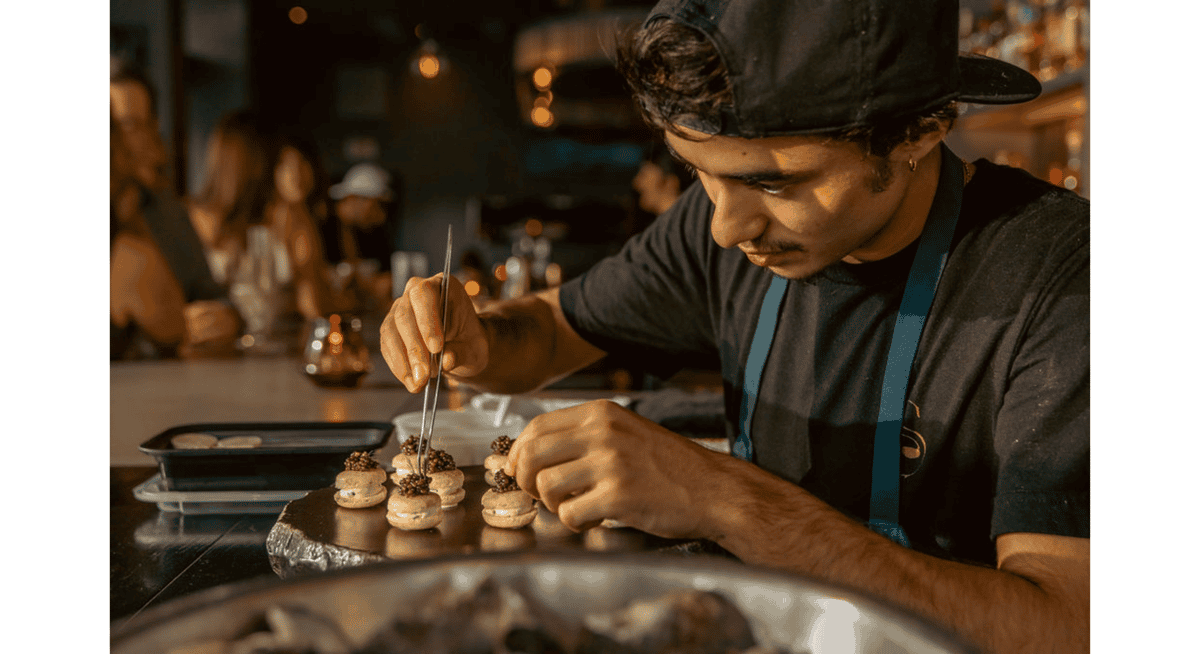
Presentation and plating significantly influence perceived value by transforming meals into visual art that justifies premium pricing. Modern fine dining establishments invest heavily in specialized plateware, garnishing techniques, and visual storytelling that elevate the dining experience beyond mere sustenance.
Key presentation elements that impact pricing include:
- Custom-designed plates and serving vessels
- Intricate garnishing techniques requiring specialized training
- Table-side preparation and finishing touches
- Interactive elements like dry ice, edible flowers, or molecular gastronomy
- Photography-worthy plating that enhances social media appeal
Restaurants like Stubborn Seed demonstrate how thoughtful presentation enhances value perception without excessive pricing—their chef-driven approach balances visual impact with accessibility. The investment in presentation training for kitchen staff, specialized equipment, and premium plateware typically adds 15–25% to operational costs, which directly influences menu pricing.
Studies on restaurant psychology indicate that visually appealing presentations can increase perceived value by 20–30%, allowing establishments to command higher prices for similar ingredients when expertly plated. This visual premium becomes particularly important in Las Vegas, where diners expect Instagram-worthy experiences that match the city's entertainment standards.
How Does the Experience of Fine Dining Justify Its Cost in Las Vegas?
Fine dining in Las Vegas justifies its cost through exceptional service, personalization, and exclusive experiences that create memorable moments worth the premium pricing. The experience extends far beyond the food, encompassing meticulous attention to detail, theatrical presentation, and intimate settings that transform dining into entertainment.
Las Vegas fine dining establishments invest heavily in creating transformative experiences through specialized service training, custom tableside presentations, and curated atmospheres. These restaurants operate with significantly higher staff-to-guest ratios than casual establishments, ensuring personalized attention throughout the meal. The experience includes expertly trained sommeliers, tableside preparations, and synchronized service choreography that elevates each course into a performance.
What Sets the Service Experience Apart at Upscale Restaurants?
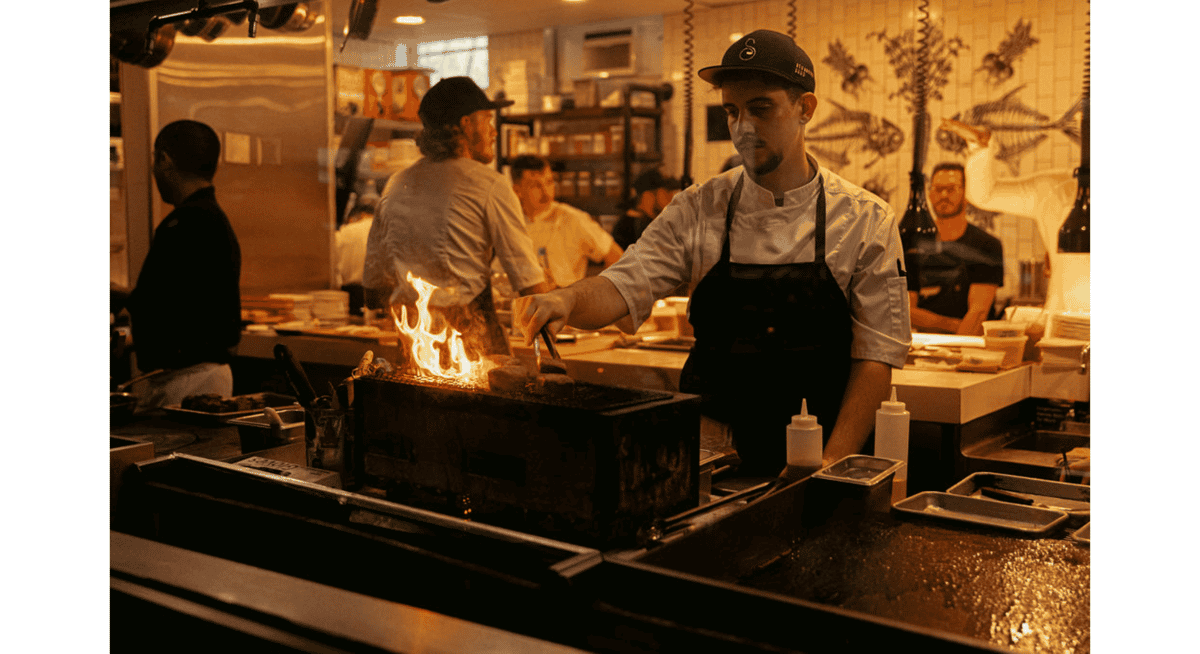
The service experience at upscale restaurants is set apart by intensive staff training, personalized attention, and precise execution. Fine dining establishments like Stubborn Seed employ servers with extensive culinary knowledge who can explain complex preparation techniques, ingredient origins, and wine pairings with expertise comparable to food critics.
Service standards in Las Vegas fine dining require staff-to-guest ratios of approximately 1:3, compared to 1:8 in casual dining. Servers undergo months of training on menu details, wine knowledge, and service protocols before interacting with guests. The experience includes synchronized plate delivery, precise timing between courses, and anticipatory service that addresses guest needs before they're expressed.
These establishments implement detailed service protocols such as:
- Synchronized course delivery to all guests simultaneously
- Tableside explanations of ingredients and preparation methods
- Customized dietary accommodations prepared by specialized kitchen staff
- Personalized wine recommendations based on individual taste preferences
The investment in service excellence directly correlates with operational costs, as fine dining restaurants maintain larger service teams and provide extensive ongoing training to ensure consistency across every interaction.
How Do Personalization and Exclusivity Add to the Price?
Personalization and exclusivity add to fine dining prices by creating limited, customized experiences that justify higher costs. é by José Andrés operates as a nine-seat, highly exclusive dining experience that commands premium pricing through scarcity and customization.
Exclusive dining experiences justify higher costs through several mechanisms:
- Limited seating creates artificial scarcity and premium positioning
- Customized menus accommodate dietary restrictions and personal preferences
- Chef interactions and tableside preparations provide entertainment value
- Private dining rooms offer intimate settings for special occasions
Stubborn Seed enhances personalization through chef-driven tasting menus priced at approximately $145 per person, offering customizable courses that adapt to seasonal ingredients and guest preferences. The restaurant creates exclusivity through limited seating arrangements and specialized menu offerings that change based on ingredient availability and chef creativity.
Personalization extends beyond menu customization to include remembering returning guests' preferences, celebrating special occasions with customized dessert presentations, and providing insider knowledge about ingredient sourcing and preparation techniques. These touches create emotional connections that justify premium pricing through perceived value and memorable experiences.
The exclusivity factor operates through reservation systems that limit access, creating demand through scarcity. Restaurants invest in maintaining intimate atmospheres with carefully controlled guest counts, ensuring each diner receives focused attention throughout their experience. This personalized approach requires higher labor costs and specialized training but creates differentiated value that supports premium pricing structures in Las Vegas's competitive fine dining market.
What Should Diners Consider When Choosing a Fine Dining Experience in Las Vegas?
Diners should consider multiple factors when choosing a fine dining experience in Las Vegas to ensure they select the restaurant that best matches their preferences, budget, and expectations. With fine dining establishments ranging from Stubborn Seed's chef-driven tasting menu at $145 per person to Guy Savoy's 10-course experience at $800 per person, understanding value drivers helps guests make informed decisions. The following sections explore how to evaluate value beyond price and essential questions to ask before making reservations.
How Can You Identify Value Beyond the Price Tag?
Value in fine dining extends far beyond the price tag to encompass ingredient quality, service excellence, culinary innovation, and overall experience design. Stubborn Seed exemplifies this approach by offering chef-driven tasting menus at $145 per person, delivering exceptional value through carefully sourced ingredients and innovative preparations. The best fine dining restaurants demonstrate value through several key indicators:
- Ingredient transparency and sourcing practices that justify premium pricing
- Service-to-price ratios that reflect staff expertise and attention to detail
- Culinary innovation that creates memorable, Instagram-worthy presentations
- Ambiance and setting that enhance the overall dining journey
Consider the ingredient investments: when restaurants source A-5 Wagyu at $35 per ounce or add truffle supplements for $48, these premium costs reflect in menu pricing but also in taste quality. Restaurants operating on 10-15% profit margins typically reinvest heavily in guest experience rather than maximizing profit per dish.
Stubborn Seed's approach focuses on accessible luxury, offering holiday prix fixe menus at $145 and show menus at $95, making high-quality fine dining more approachable without compromising culinary excellence. This value identification helps diners choose experiences that match their expectations and budget while ensuring memorable culinary adventures.
What Questions Should You Ask Before Reserving a Fine Dining Table?
You should ask specific questions before reserving a fine dining table to understand pricing, service charges, dietary accommodations, and experience details. These inquiries ensure alignment between restaurant offerings and guest preferences while avoiding unexpected charges or disappointments.
Menu and Pricing Questions:
- What is included in the tasting menu price versus optional add-ons?
- Are service charges, gratuities, or taxes included in quoted prices?
- Can dietary restrictions or allergies be accommodated within the set menu?
- Are wine pairings required or optional, and what are the pricing tiers?
Service and Experience Questions:
- What is the expected dining duration for the full experience?
- Is there a dress code or specific attire requirement?
- Can the restaurant accommodate special occasions or celebrations?
- What cancellation or modification policies apply to reservations?
Consider that é by José Andrés charges a mandatory $55 service charge plus $22.69 tax, while Guy Savoy applies a 22% automatic gratuity—understanding these charges upfront prevents billing surprises. Executive chef salaries averaging $82,984-$114,278 annually and server wages of approximately $61,081 per year reflect in service quality expectations and pricing structures.
Before visiting Stubborn Seed, guests should inquire about their flexible menu options, from the $95 show menu to the $1445 tasting experience, ensuring the selected format matches their time constraints and culinary interests for an optimal Las Vegas fine dining experience.
How Can Stubborn Seed Enhance Your Fine Dining Experience in Las Vegas?
Stubborn Seed enhances your Las Vegas fine dining experience by offering chef-driven cuisine at more accessible price points than many Strip establishments. This innovative restaurant positions itself as an elevated yet approachable dining destination that delivers exceptional culinary artistry without the premium pricing typically associated with celebrity chef venues.
When comparing fine dining options in Las Vegas, Stubborn Seed stands out for several compelling reasons. While ultra-luxury establishments like Joël Robuchon command $525 per person and Guy Savoy reaches $800 for their tasting menus, Stubborn Seed provides sophisticated culinary experiences at significantly lower price points. The restaurant's strategic positioning allows diners to enjoy chef-driven creativity and premium ingredients without the astronomical costs that have become synonymous with Strip fine dining.
The following sections explore Stubborn Seed's unique menu offerings and provide essential insights about Las Vegas fine dining economics.
What Unique Offerings Does Stubborn Seed Bring to Fine Dining in Las Vegas?
Stubborn Seed brings unique fine dining offerings by providing three distinct dining experiences tailored to different budgets and occasions. The chef-driven tasting menu, priced at approximately $145 per person, delivers sophisticated multi-course experiences featuring seasonal ingredients and innovative techniques. This pricing positions Stubborn Seed competitively against other chef-driven establishments while maintaining the quality and presentation standards expected in fine dining.
The restaurant's holiday prix fixe menu, offered at $145, provides festive dining experiences during peak celebration periods. This seasonal offering demonstrates Stubborn Seed's commitment to creating special occasion dining that remains accessible to Las Vegas residents and visitors seeking memorable culinary experiences without extreme premium pricing.
For those seeking elevated dining before entertainment events, Stubborn Seed's show menu at $95 offers perfectly timed service and refined cuisine. This pre-show option recognizes Las Vegas's unique entertainment landscape while ensuring guests can enjoy fine dining without missing their scheduled performances.
What Are the Key Takeaways About Why Fine Dining in Las Vegas Costs What It Does?
Fine dining restaurants in Las Vegas typically operate on slim profit margins of 10-15% while managing substantial operating costs across multiple categories. These establishments face elevated expenses for premium ingredients, specialized culinary talent, prime real estate, extensive licensing requirements, and maintaining the high service standards that define fine dining experiences.
Understanding these economic realities helps diners appreciate the value proposition offered by restaurants like Stubborn Seed. When fine dining establishments can deliver exceptional experiences while operating within more reasonable pricing structures, they provide significant value in a market where costs can quickly escalate beyond reach for many diners.
The economics of Las Vegas fine dining reflect broader industry challenges, including ingredient cost inflation, labor expenses, and the premium associated with Strip locations. Stubborn Seed's approach demonstrates how thoughtful business positioning can deliver outstanding culinary experiences while remaining accessible to a broader dining audience.