
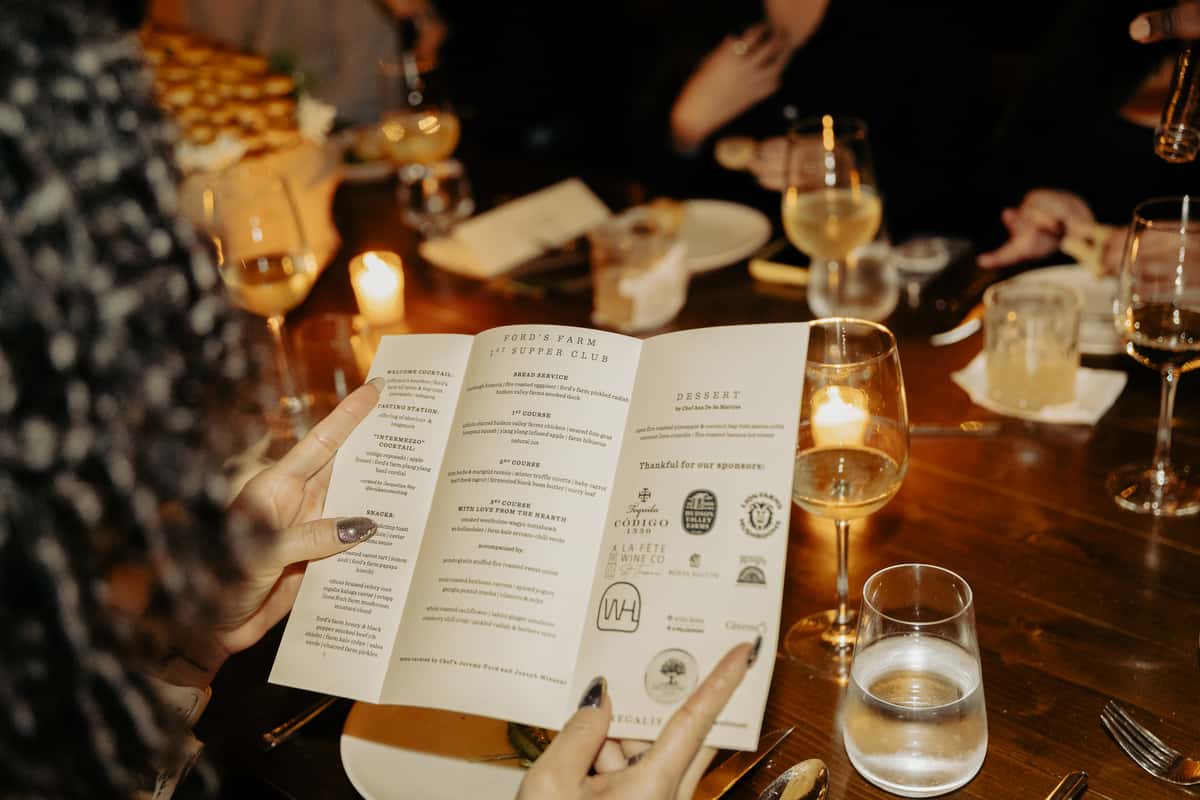
Guest reading a supper club menu at a candlelit restaurant table with wine glasses
Why Guests Feel More Confident After Dining Michelin-Star in Miami
Miami's Michelin-star dining scene offers more than just exceptional cuisine; it provides a profound, confidence-building experience rooted in psychology, culinary craft, and cultural identity. Fine dining satisfies higher-level psychological needs like esteem and self-actualization, which is why guests leave feeling respected, valued, and more assured in social settings.
This guide covers the psychological drivers behind guest confidence, what makes Miami's Michelin scene distinct, how tasting menus and chef interactions build trust, the role of accessibility in modern fine dining, and practical ways to carry that confidence into future dining choices.
Exceptional food quality, personalized service, and carefully designed ambiance work together to elevate self-perception. Luxurious environments signal higher social status, while attentive staff create a sense of individual recognition that deepens satisfaction.
Miami holds 13 of Florida's 31 Michelin-starred restaurants and ranks third among U.S. cities for Michelin stars per capita. Latin American and Caribbean culinary influences give the city's dining scene a cultural richness that distinguishes it from New York or San Francisco.
Curated tasting menus reduce decision fatigue by replacing overwhelming choices with intentional progression. Chef explanations at each course build transparency and trust, turning unfamiliar ingredients into moments of discovery rather than uncertainty.
Miami's fine dining culture embraces a relaxed approach where traditional dress codes give way to casual comfort. Restaurants like Stubborn Seed balance sophistication with welcoming energy, removing the intimidation factor that often accompanies Michelin-level experiences.
Guests consistently report lasting psychological benefits: a sense of accomplishment from reaching a culinary milestone, social validation from sharing the experience, and a refined palate that sharpens future dining confidence.
What Factors Contribute to Elevated Guest Confidence at Miami's Michelin-Starred Restaurants?
The factors that contribute to elevated guest confidence at Miami's Michelin-starred restaurants include exceptional culinary quality, personalized service, and carefully designed ambiance. Each element reinforces a guest's sense of belonging and assurance.
How Does Exceptional Culinary Quality Impact Guest Confidence?
Exceptional culinary quality impacts guest confidence by confirming that every dish meets the rigorous standards associated with Michelin recognition. Safe ingredients, high cooking standards, and menu innovation all increase a diner's trust in the experience. When guests recognize technical precision on the plate, uncertainty fades and enjoyment deepens. Acoustically comfortable environments also play a supporting role; according to a study published in Applied Acoustics, high sound levels in upscale restaurants negatively impact diners' perceptions, whereas quieter settings encourage guests to stay longer and spend more. Culinary excellence, paired with a controlled sensory environment, creates the conditions where confidence builds naturally throughout the meal.
Why Does Personalized Service Make Guests Feel More Valued?
Personalized service makes guests feel more valued because it creates psychological ownership and individual recognition. When staff remember preferences or tailor recommendations, the dining experience shifts from transactional to relational. According to a 2024 report by Bounteous x Accolite, personalized food experiences, including menu recommendations based on past behavior, make 70% of restaurant guests feel a stronger personal connection to the establishment. Luxurious fine dining environments further amplify this effect; consumers associate such settings with higher social status, which enhances self-perception. The combination of attentive, individualized service within an elevated setting gives guests a sense that they belong, reinforcing confidence rather than intimidation.
What Role Does Ambiance and Atmosphere Play in Building Guest Assurance?
Ambiance and atmosphere play a central role in building guest assurance by shaping how safe and comfortable diners feel before the first course arrives. Warm lighting, thoughtful acoustics, and intentional interior design communicate care and professionalism at a subconscious level. Behind the scenes, food safety consultants in Michelin-starred kitchens maintain HACCP systems and ensure compliance with evolving local health regulations, adding an invisible layer of trust. Guests may never see these protocols, yet the resulting consistency in quality reinforces their overall sense of security. For most diners, atmosphere is the first signal of whether they can relax and enjoy the evening fully. With these foundational elements in place, Miami's dining scene offers distinct qualities that set it apart from other cities.
How Does Miami's Michelin-Star Dining Scene Differ from Other Cities?
Miami's Michelin-star dining scene differs from other cities through its deep Latin American and Caribbean cultural influences and a distinctly relaxed approach to fine dining. The sections below explore how local culture shapes the experience and what unique elements set Miami apart.
In What Ways Does Local Culture Influence Miami's Michelin-Star Experience?
Local culture influences Miami's Michelin-star experience by infusing Latin American, Caribbean, and multicultural flavors into every course. Unlike New York or San Francisco, where European and Asian traditions dominate high-end kitchens, Miami's culinary identity draws from its position as a gateway between the Americas.
This cultural crossroads produces menus that feel rooted in place rather than borrowed from abroad. Diners encounter ingredient combinations and preparation techniques shaped by generations of Cuban, Colombian, Haitian, and Brazilian communities. That sense of geographic authenticity, paired with Miami's warm, outdoor-oriented lifestyle, creates fine dining moments that feel less staged and more personal. For guests seeking confidence through dining, this cultural connection transforms a meal into a meaningful, identity-affirming experience.
What Unique Elements Do Miami Michelin-Star Restaurants Offer?
The unique elements Miami Michelin-star restaurants offer include culturally immersive tasting menus, intimate seating formats, and a rapidly growing starred restaurant concentration. As of April 2025, the Florida Michelin Guide includes 31 starred restaurants, with 13 located in Miami, according to Robb Report.
Key differentiators include:
Elcielo in Brickell serves an 18-course multisensory Colombian-inspired menu that reflects Miami's geographic identity.
Hiden features only 8 seats, with reservations released months in advance; bookings for May 2026 opened in early April 2026.
Miami's starred restaurant count grew from 15 establishments at the Guide's 2022 launch to 31 statewide in under three years.
While New York leads with 94 starred restaurants and Los Angeles holds 32, Miami's concentration of culturally distinct concepts gives it an edge in originality. For diners, these intimate, identity-driven formats deliver a level of personal engagement that larger dining cities rarely match, making each reservation feel like an earned discovery rather than a routine outing.
With Miami's cultural identity shaping its starred restaurants, tasting menus further build guest confidence through curated experiences.
Why Do Tasting Menus at Michelin-Star Restaurants Foster Guest Confidence?
Tasting menus at Michelin-star restaurants foster guest confidence by removing the pressure of choosing and replacing it with guided culinary storytelling. The sections below explore how curated courses ease decision fatigue and how chef interactions build trust.
How Do Curated Culinary Journeys Reduce Decision Fatigue and Uncertainty?
Curated culinary journeys reduce decision fatigue and uncertainty by replacing overwhelming menus with a purposeful sequence of courses chosen by the chef. When guests sit down to a tasting menu, such as the 6-course or 9-course options at Stubborn Seed, the selection has already been made by someone with deep expertise.
According to research published in Qualitative Market Research (Emerald Insight), the "less is better" paradox in menu design shows that a smaller number of curated choices reduces choice overload, leading to higher consumer satisfaction compared to extensive menus. This psychological relief allows diners to focus entirely on the experience rather than second-guessing their order. For most guests, surrendering the decision to a skilled kitchen is not a loss of control; it is a form of permission to simply enjoy.
In What Ways Do Chef Interactions and Explanations Enhance Trust?
Chef interactions and explanations enhance trust by transforming an unfamiliar dish into a story guests can connect with. When a chef or server describes the origin of an ingredient, the technique behind a preparation, or the reason a course appears in a specific sequence, each explanation demystifies the experience.
At Stubborn Seed, server confidence and guest assurance are built through extensive staff training on seasonal ingredients and the ability to explain complex culinary techniques to diners. This kind of transparent communication signals competence and care simultaneously. Guests who understand what they are eating, and why, feel less like passive recipients and more like informed participants. That shift, from uncertainty to understanding, is one of the most reliable ways a Michelin-starred kitchen earns lasting trust.
With confidence built through guided menus and open communication, the broader accessibility of Miami's fine dining scene further shapes the guest experience.
How Do Accessibility and Contemporary Approaches at Miami's Fine Dining Spots Affect Guest Experience?
Accessibility and contemporary approaches at Miami's fine dining spots affect guest experience by reducing intimidation and satisfying deeper psychological needs. Relaxed dress codes and welcoming atmospheres build confidence, while modern service styles make sophistication feel inclusive.
Why Is a Less Formal Atmosphere Important for Modern Diners' Confidence?
A less formal atmosphere is important for modern diners' confidence because it removes the social anxiety that traditionally surrounds high-end restaurants. When guests worry less about rigid etiquette or dress codes, they engage more freely with the food and experience itself.
Miami's fine dining scene reflects this shift. The city has embraced what many describe as a "chill version" of high-end dining, where traditional dress codes are relaxed and guests can dine in casual attire like jeans without social stigma. This informality does not diminish quality; it expands access. According to research published in PLOS One, fine dining satisfies higher-level psychological needs including esteem and self-actualization, where choosing such restaurants allows consumers to project a need to be respected and experience psychological well-being. When formality barriers drop, more diners reach those psychological benefits.
How Do Restaurants Like Stubborn Seed Balance Sophistication and Welcoming Vibes?
Stubborn Seed balances sophistication and welcoming vibes by pairing Michelin-caliber culinary execution with an approachable, relaxed environment. The restaurant maintains high culinary standards through its tasting menus while fostering warmth through knowledgeable, unpretentious service.
Staff training plays a central role in this balance. Servers at Stubborn Seed build guest assurance through extensive preparation on seasonal ingredients and the ability to explain complex culinary techniques in accessible terms. Rather than performing formality, the team focuses on making every guest feel included in the experience. This combination of precision in the kitchen and ease in the dining room creates an atmosphere where sophistication feels earned through craft, not enforced through exclusivity.
With accessibility shaping how diners engage, the psychological benefits of these experiences extend well beyond the meal itself.
What Are Common Psychological Benefits Guests Report After Dining Michelin-Star in Miami?
Common psychological benefits guests report after dining Michelin-star in Miami include heightened self-perception, a sense of personal achievement, and increased social confidence. These effects stem from milestone experiences and social validation.
How Does Achieving a Culinary "Milestone" Impact Self-Perception?
Achieving a culinary "milestone" impacts self-perception by reinforcing a sense of personal accomplishment and elevated identity. Dining at a Michelin-starred restaurant functions as a meaningful life event, similar to visiting a landmark destination or attending a celebrated performance. The experience signals to the diner that they belong in refined settings, which quietly reshapes how they view their own taste and judgment.
Miami's growing culinary prestige amplifies this effect. According to Tourism Analytics, Miami-Dade County reported a record number of visitors in 2024, with hotel occupancy rising 6.7% in the fourth quarter, partly attributed to the growing prestige of its Michelin-starred culinary scene. Being part of that momentum gives guests a feeling of cultural participation that extends well beyond the meal itself.
In What Ways Does Social Validation from Dining at Top Restaurants Build Confidence?
Social validation from dining at top restaurants builds confidence by providing external affirmation of personal taste, financial capability, and cultural awareness. Sharing a Michelin-star dining experience, whether through conversation or social media, invites recognition from peers. That recognition reinforces self-worth.
Luxurious fine dining environments are associated by consumers with higher social status, which can enhance self-perception and make individuals feel more attractive or admired. When others respond positively to the experience, the diner internalizes that approval as evidence of good decision-making. For many guests, this feedback loop is one of the most lasting psychological effects of the evening, often persisting long after the final course.
Understanding these psychological benefits helps explain what to look for when choosing a restaurant that delivers more than just great food.
How Can Guests Recreate Michelin-Star Confidence in Their Own Dining Choices?
Guests can recreate Michelin-star confidence by applying the same principles that make starred restaurants transformative: seeking quality markers, valuing reputation, and trusting curated experiences. The following sections cover what to look for in a restaurant and how reputation shapes dining confidence.
What Should Diners Look for When Choosing a Confidence-Boosting Restaurant?
Diners should look for restaurants that prioritize food quality, attentive service, and a well-curated menu when choosing a confidence-boosting experience. A 2018 study published in PubMed found that food quality was the most crucial factor in restaurant selection, followed by service and dining motivation, with safe ingredients, high cooking standards, and menu innovation all increasing the likelihood of choosing fine dining.
Key indicators of a confidence-building restaurant include:
A focused, curated menu rather than an overwhelming number of options.
Staff who can explain dishes, ingredients, and preparation techniques clearly.
An atmosphere designed for comfort, with warm lighting and controlled acoustics.
Personalized touches such as tailored recommendations or dietary accommodations.
Restaurants that check these boxes create the psychological conditions for guests to feel assured in their choices, not just satisfied with their meal.
How Does the Reputation of a Restaurant Affect Pre- and Post-Dining Confidence?
The reputation of a restaurant significantly affects both pre- and post-dining confidence by setting expectations and validating the guest's decision. Before arriving, a strong reputation reduces anxiety about whether the experience will be worthwhile. Knowing a restaurant holds Michelin recognition or consistent critical praise reassures diners that their choice reflects good judgment.
After the meal, that same reputation amplifies the psychological reward. Guests feel validated because they selected an establishment others also recognize as exceptional, which reinforces self-perception and social standing. This validation cycle is especially powerful in Miami, where 13 Michelin-starred restaurants create a concentrated landscape of credible options for discerning diners.
For those seeking this confidence regularly, reputation becomes a reliable compass for future dining decisions.
How Does Stubborn Seed Deliver Michelin-Star Quality and a Confidence-Boosting Experience in Miami?
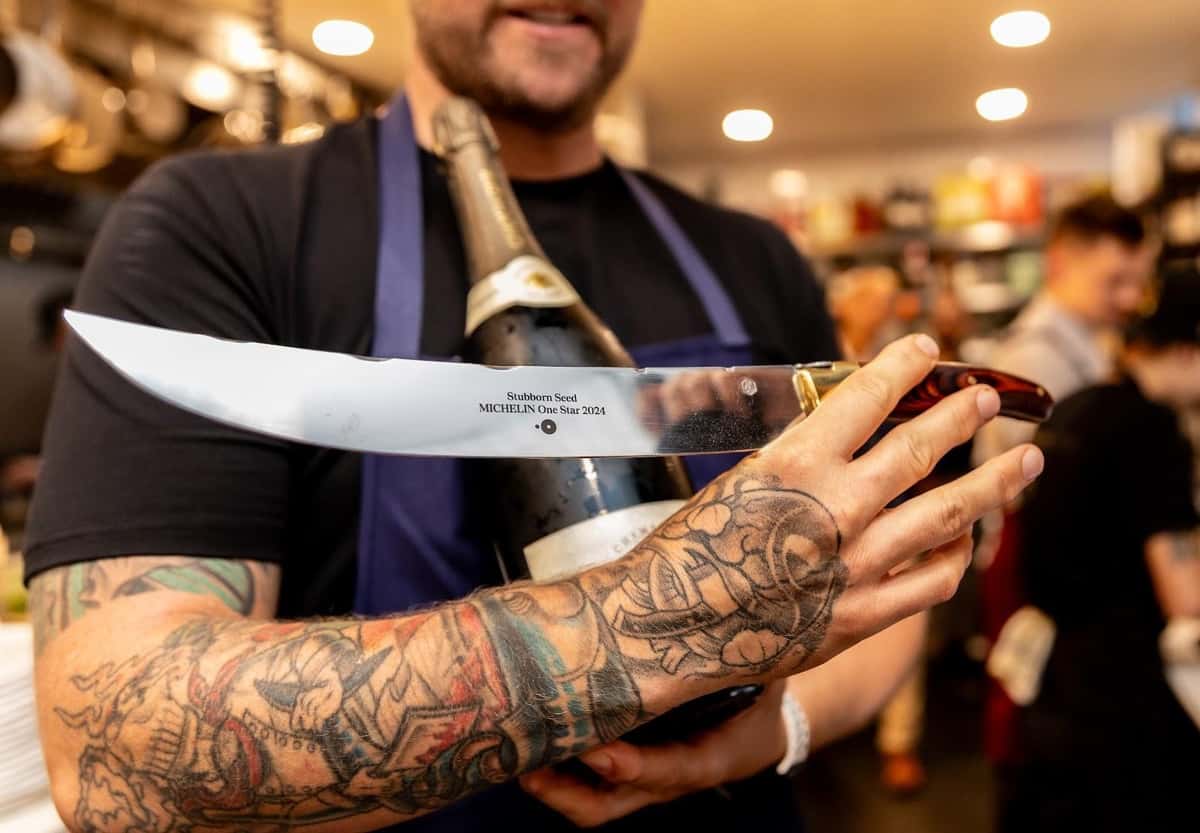
Stubborn Seed delivers Michelin-star quality and a confidence-boosting experience through its tasting menus, extensively trained staff, and an approachable atmosphere on Miami Beach. The following sections explore what sets Stubborn Seed apart and summarize the key confidence insights covered throughout this article.
What Features Make Stubborn Seed's Tasting Menu and Service Stand Out for Confident Dining?
The features that make Stubborn Seed's tasting menu and service stand out for confident dining include seasonal menu innovation, rigorous cooking standards, and a staff trained to guide guests through every course. Stubborn Seed offers both a 6-course and a 9-course tasting menu, each built around seasonal ingredients that reflect Chef Jeremy Ford's culinary precision. According to a 2018 study published in PubMed, food quality was the most crucial factor influencing fine dining restaurant choice, followed by service and menu innovation. At Stubborn Seed, that service standard is reinforced through extensive staff training, ensuring every team member can explain complex techniques with clarity. This combination of culinary excellence and knowledgeable hospitality removes uncertainty, letting guests relax into the experience rather than navigate it.
What Are the Key Takeaways About Why Guests Feel More Confident After Dining Michelin-Star in Miami We Covered?
The key takeaways about why guests feel more confident after dining Michelin-star in Miami are rooted in culinary quality, personalized service, psychological fulfillment, and Miami's uniquely approachable fine dining culture. Throughout this article, we explored how curated tasting menus reduce decision fatigue, how personalized attention creates a sense of recognition, and how achieving a culinary milestone elevates self-perception. Miami's dining scene amplifies these effects. According to Current Backyard's 2025 analysis, Miami is recognized as America's top-rated dining city with a restaurant quality score of 6.94 out of 10, driven by Latin American and Caribbean influences. For guests seeking that confidence boost firsthand, Stubborn Seed captures everything that makes Miami's Michelin scene special.