
Why Michelin-Star Dining in Miami Costs More — And Why Guests Find It Worth It
Why Michelin-Star Dining in Miami Costs More — And Why Guests Find It Worth It
If you're exploring Miami's Michelin-star dining scene and wondering about the significant price tags, you're asking the right questions at the right place. We understand the investment decision feels substantial, and we're here to illuminate exactly what makes these culinary experiences command premium prices while delivering value that resonates with discerning diners across South Florida.
Michelin-star dining in Miami represents a convergence of exceptional ingredients, masterful culinary expertise, and service standards that transcend typical restaurant experiences. At establishments like Stubborn Seed, where Chef Jeremy Ford cultivates ingredients on a 5.5-acre organic farm in Redland, the commitment to quality begins long before dishes reach your table. These restaurants operate with labor costs of 38-45% versus the industry standard of 30-35%, reflecting the skilled teams required to deliver consistently extraordinary experiences. The investment extends beyond the plate to encompass every element of your dining journey, from the moment you secure your reservation to the final bite of dessert.
TL;DR Summary:
- Premium ingredients represent 25-35% of revenue at Michelin restaurants, with establishments like Stubborn Seed growing 40+ varieties of produce on their own organic farm
- Chef expertise commands higher wages, with labor costs reaching 38-45% compared to 30-35% industry standard, reflecting teams of 10-15+ skilled kitchen professionals
- Prime Miami Beach locations and sophisticated ambiance drive operational costs between $59,000-$197,000 monthly
- Service excellence maintains 1:4-5 server-to-table ratios with extensive wine knowledge and personalized attention
- Tasting menus at $85-$175 provide curated culinary journeys, with Miami's prices sitting 23% below national Michelin averages
- Special occasion experiences justify premium pricing with 88% of holiday diners willingly spending more for memorable celebrations
- Miami's 215% increase in fine dining reservations since 2019 demonstrates strong perceived value despite higher costs
Quick Tip: Book your Michelin dining experience 2-4 weeks in advance during Miami's peak season (October-April), and consider the tasting menu format for the best value—it eliminates decision fatigue while showcasing the chef's complete vision at a price point often below comparable à la carte selections.
What Factors Drive Up the Cost of Michelin-Star Restaurants in Miami?
How Do High-Quality Ingredients Affect Michelin-Star Dining Prices?
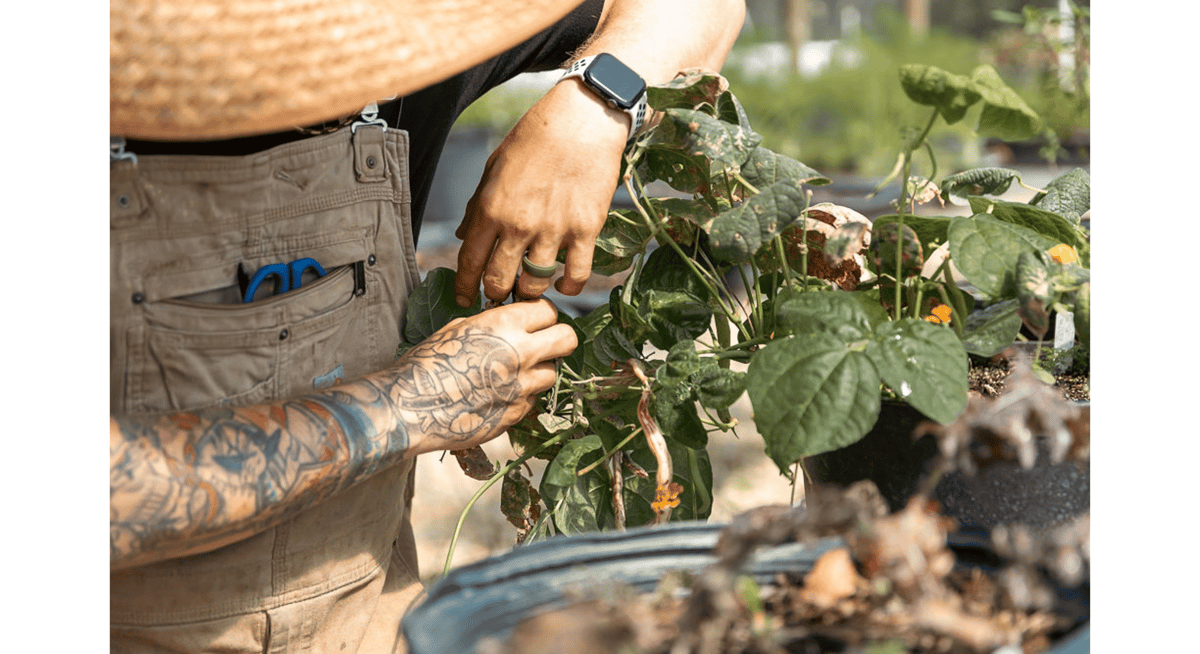
Fine dining food costs typically range from 28-35% of revenue, with premium Michelin restaurants often dedicating 25% of dish price to ingredients alone. We see this commitment exemplified at Stubborn Seed, where Chef Jeremy Ford invested over $100,000 in concrete alone for the farm's dining pavilion construction at their 5.5-acre organic farm in Redland (24605 S.W. 197th Ave). This farm grows 40+ varieties including heirloom carrots, Hakurei turnips, Everglades tomatoes, and ylang ylang flowers, directly supplying the restaurant with peak-freshness ingredients.
South Florida's year-round growing season enables diverse crop cultivation with tropical fruits and herbs available continuously, providing Michelin establishments a unique advantage. The commitment to premium sourcing extends to luxury proteins and seafood. The Surf Club Restaurant offers caviar service ranging from $175-$250, with sole meuniere at $120. Cote Miami's seafood platter costs $155, with caviar service from $120-$195. During stone crab season (October 15-May 1), this local delicacy drives seasonal pricing premiums across Miami's starred restaurants. L'Atelier de Joël Robuchon's starters range from $27-$85, reflecting the cost of sourcing exceptional ingredients from both local and international suppliers.
Why Does Chef Expertise and Unique Culinary Talent Command a Premium?
Jeremy Ford's journey illustrates why culinary expertise justifies premium pricing. Starting his career at age 16 as Garde Manger at Matthews, a four-diamond Mediterranean restaurant in Jacksonville, Ford trained under celebrated chefs Jean-Georges Vongerichten and Dean Max before winning Season 13 of Bravo's Top Chef. His achievements include earning Eater Miami's 2018 Chef of the Year award, validating the exceptional talent behind Stubborn Seed's offerings.
Michelin inspectors evaluate mastery of flavor and cooking techniques as one of five universal criteria, requiring chefs to demonstrate consistent excellence. This expertise comes at a cost—fine dining labor costs run 38-45% of total revenue, higher than the 30-35% industry standard for casual dining. Michelin-starred kitchens require 10-15+ cooks minimum, not including front-of-house staff, each trained to execute dishes with millimeter precision. The Den at Sushi Azabu (now closed) charged $220 for 10-course omakase reflecting specialized sushi expertise, while Chef Thomas Keller's The Surf Club Restaurant commands $170 for Wagyu/Black Angus NY strip steak, prices that reflect decades of culinary mastery.
In What Ways Do Ambiance and Location Contribute to Higher Prices?
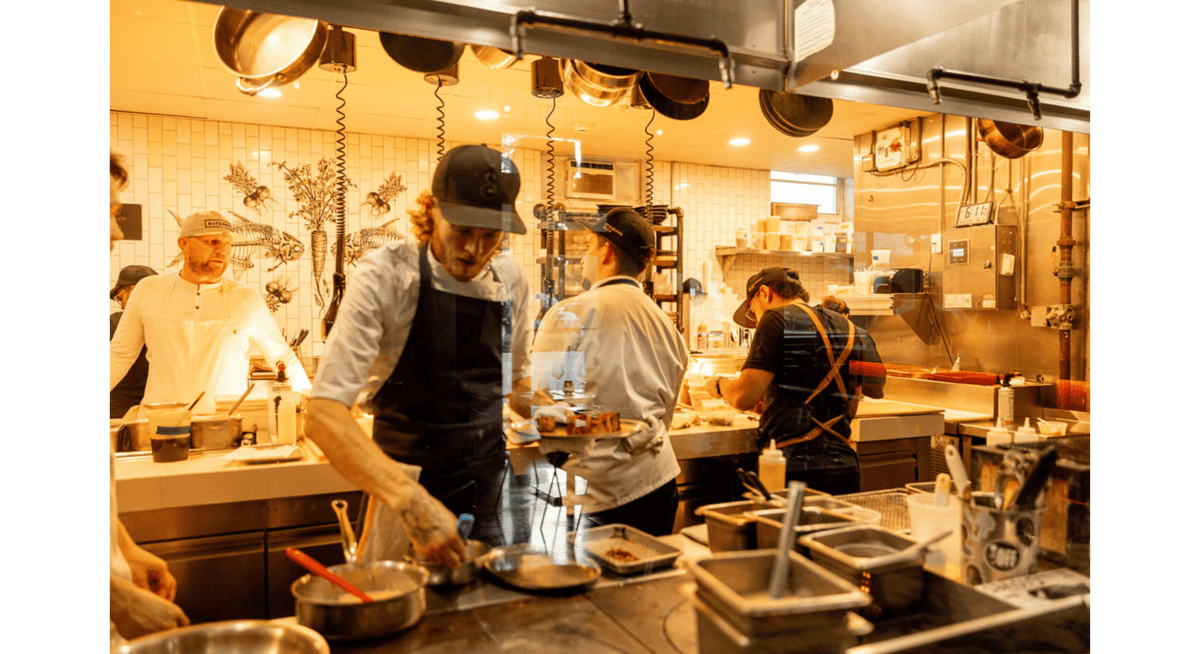
Miami Beach proper fine dining average check size reaches $265 per person, reflecting the premium associated with prime coastal locations. Stubborn Seed features a glass-fronted display kitchen creating visible cooking theater, an architectural element requiring significant design investment. The restaurant's industrial chic décor with metal pipes and concrete elements represents substantial capital expenditure in creating a distinctive atmosphere.
Design District property values surged post-Michelin recognition in 2022, with Coconut Grove neighborhoods hosting starred restaurants attracting food-conscious luxury buyers. Fine dining restaurants typically allocate 13% of budget to rent costs, with Miami's premium locations commanding top dollar. The Surf Club Restaurant's historic Four Seasons location adds heritage value justifying premium pricing. Real estate developers now emphasize Michelin dining proximity in luxury property marketing, demonstrating how restaurant prestige elevates entire neighborhoods.
How Do Operational Costs in Miami Influence Restaurant Pricing?
Fine dining monthly operating costs range from $59,000-$197,000 depending on size and concept, with farm-to-table restaurants averaging $197,000 in monthly operating costs. Payroll represents approximately 52% of typical fine dining budget ($31,084 monthly average), reflecting the skilled workforce required. These establishments typically require 3-4 months to reach breakeven, with farm-to-table concepts targeting $56,000 Year 1 EBITDA with 4-month breakeven timeline.
Stubborn Seed's cancellation policy charges $50 per person within 24 hours, higher on holidays, protecting against revenue loss from no-shows. Winter season (October-April) peak tourism drives higher operational demands and staffing needs, with restaurants maintaining larger teams to handle increased volume. Miami's 215% increase in fine dining reservations since 2019 creates labor market competition, driving wages higher as restaurants compete for skilled professionals.
How Do Michelin-Star Standards Impact the Guest Experience?
What Distinguishes the Service at Michelin-Star Restaurants?
Fine dining maintains 1 server per 4-5 tables during peak hours, ensuring attentive, personalized service throughout your meal. Luxury properties employ 2.0-3.0 staff per room/cover for highly personalized service, creating an environment where every need is anticipated. Stubborn Seed's service is consistently described as "exemplary" and "professional and attentive" by patrons, reflecting the rigorous training and standards maintained.
Michelin evaluates consistency throughout menu and across multiple visits as a key criterion, requiring service teams to deliver flawless experiences repeatedly. Stubborn Seed earned Travelers' Choice 2023 award on TripAdvisor, with OpenTable showing 3,203 reviews with positive feedback on food and service. The full tasting menu experience at Stubborn Seed lasts approximately 3-4 hours at steady pace, with servers expertly timing each course. Professional service teams demonstrate extensive knowledge of wine pairings ($80-$300 per person at Stubborn Seed), enhancing the dining experience through expert recommendations.
Why Is Presentation and Innovation Important to the Michelin-Star Value?
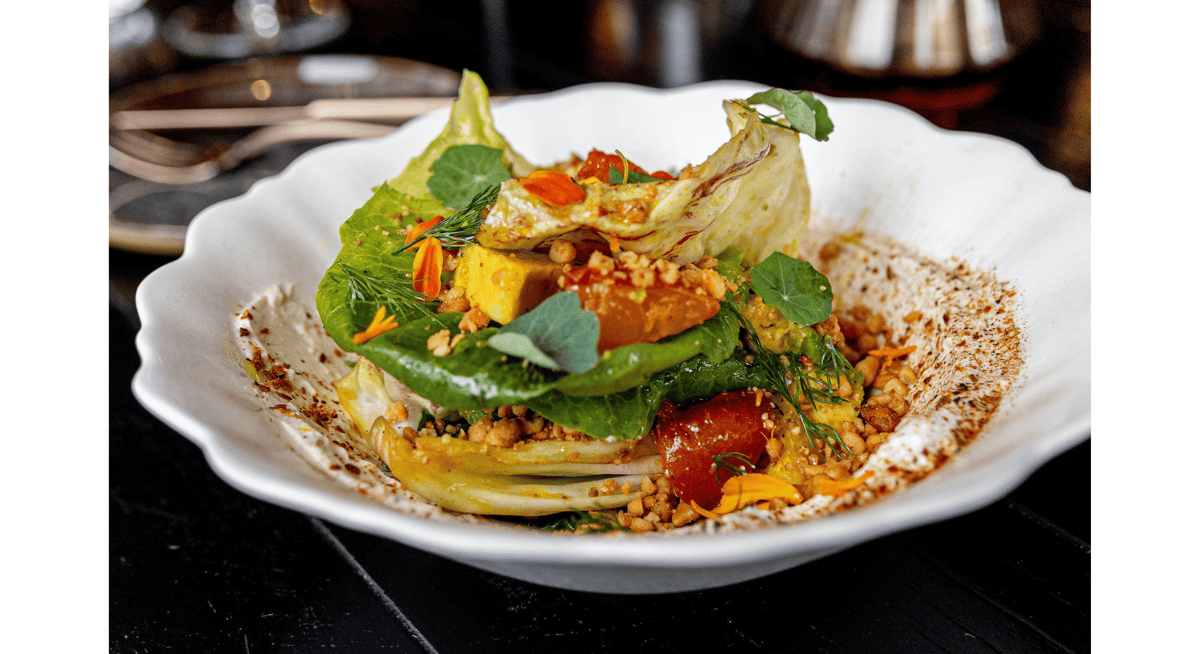
Michelin inspectors evaluate "personality and emotion conveyed by chef in dishes" as a core criterion, making artistic presentation essential. Stubborn Seed employs modern plating techniques including foams, gels, and emulsions, creating visually stunning compositions. Dishes are consistently described as "works of art" and featuring "top notch plating" by patrons, with millimeter-level precision required in dish preparation and presentation.
The restaurant's signature Everglades tomatoes appear as amuse bouche in three ways: gelee veil, raw with Thai chili vinaigrette, and smoked gel, demonstrating technical innovation. The tasting menu format creates a cohesive culinary narrative, eliminating decision-making while showcasing the chef's complete vision. Jeremy Ford's contemporary American cuisine blends Latin and Asian influences, creating unique flavor profiles unavailable elsewhere. The glass display kitchen provides cooking theater with the chef visible in signature attire, making the preparation process part of the entertainment.
How Does Personalized Attention Enhance a Michelin-Star Meal?
Intimate dining formats excel in Miami's Michelin scene, with Hiden offering an 8-seat omakase experience at $200 and Itamae Ao providing 10-seat counter dining earning a 2025 Michelin star. These limited-seating venues enable direct chef interaction and customization. Seasonal menu adaptation based on farm production and ingredient availability ensures each visit offers something new.
Jeremy Ford reports a 50-50 split between tasting menu and à la carte, with some nights reaching 70-30 tasting preference, indicating guests value the curated experience. Ford notes: "we're having repeat guests doing the tasting menu over and over," demonstrating the personalized journey resonates with diners. Wine pairing options range from 4 glasses ($58) to 6 glasses ($105) at Elcielo Miami, with sommeliers tailoring selections to individual preferences. Special occasion bookings receive enhanced attention with 45% of holiday diners planning 3-5 weeks ahead for milestone celebrations. Stubborn Seed offers multiple menu formats: 3-course ($85), 6-course ($125), 8-course ($175), 9-course ($175), accommodating different appetites and time commitments.
Why Do Guests Find Michelin-Star Dining in Miami Worth the Investment?
What Memorable Experiences Do Guests Receive at These Establishments?
Customer testimonials consistently highlight the transcendent nature of Miami's Michelin dining. One Stubborn Seed guest exclaimed: "Most incredible meal EVER…and it was GF!" (FindMeGlutenFree review), while another stated "Michelin star restaurant truly deserves its rating" (Yelp review). These emotional responses reflect experiences that surpass typical dining.
Jeremy Ford's reaction to achieving Michelin recognition reveals the passion behind these experiences: "I thought, 'I can die in peace now.' That's how important that moment was. I couldn't stop crying." This emotional investment translates to guest experiences. Michelin recognition generates approximately 20% increase in restaurant business, validating the enhanced value perception. Special occasions represent a significant portion of fine dining revenue with 88% of holiday diners willing to spend more for memorable celebrations. Elcielo Miami offers "The Experience" with 20 small courses for $197, creating a theatrical journey through flavors. Miami earned the highest dining quality rating nationally at 6.94/10, positioning the city as a premier culinary destination. Culinary tourism increased significantly post-2022 Michelin guide launch in Miami, with visitors specifically traveling for these dining experiences.
How Does Tasting Menu Curation Influence Perceived Value?
Stubborn Seed's 8-course menu at $175 sits 23% below the national average of $227 for one-star Michelin restaurants, offering exceptional value within the starred category. The NYE pricing at $125-$175 is described as "excellent value compared to US average of $227," demonstrating competitive positioning. Comparative values across Miami include Ariete offering a 6-course menu at $105 with $65 wine pairing, and L'Atelier de Joël Robuchon's 8-course tasting at $280 for a two-star experience.
Value-conscious diners can leverage timing strategies, such as Golden Hour special at L'Atelier (6-7pm Tue-Thu) providing starter, main, dessert, and cocktail for $120. The Miami Spice program offers Michelin dining at $35 lunch, $60 dinner—a fraction of regular cost—making starred dining accessible. Le Jardinier's Spring Discovery tasting at $135 provides a seasonal narrative that changes with available ingredients. The tasting menu format eliminates decision-making while creating a cohesive culinary journey, with many guests finding the curated experience delivers better value than à la carte ordering.
In What Ways Do Special Occasions and Celebrations Factor Into Guest Perception?
Special occasions drive significant value perception, with 88% of holiday diners willing to spend more on seasonal celebrations. Planning behaviors reflect the importance placed on these experiences, with 45% of holiday diners planning reservations 3-5 weeks in advance. Holiday special menus at Stubborn Seed range from $98-$295 per person, offering multiple price points for celebrations.
Weekend dinner reservations require advance booking with 11pm seatings common during peak season, indicating strong demand for special occasion dining. Winter season (October-April) sees highest demand for Michelin-starred restaurants, coinciding with holidays and tourism peaks. Special occasion bookings require 30+ days advance for holidays, demonstrating guests' commitment to securing memorable experiences. Brunch at Ariete offers a $65 experience with $35 wine pairing, providing a more accessible entry point for celebrations. NYE celebrations are positioned as luxury experiences worth premium pricing, with guests viewing the splurge as investment in lasting memories.
How Does Miami's Culinary Scene Shape Michelin-Star Pricing and Experience?
How Do Local Influences and Global Trends Merge in Miami's Top Restaurants?
Miami's inaugural Michelin Guide launched June 9, 2022, featured 11 one-star restaurants, instantly elevating the city's culinary status. The 2025 guide includes 15 starred establishments showing 36% growth in three years, demonstrating rapid maturation of the dining scene. Jeremy Ford's cuisine at Stubborn Seed exemplifies this fusion, blending Contemporary American with Latin and Asian influences reflecting Miami's multicultural identity.
The diversity extends across cuisines—Los Félix brings Mexican fine dining at $14-$36 price points, while Tambourine Room by Tristan Brandt adds international perspective at Carillon Miami Wellness Resort. MILA Miami generates $51.1 million annual revenue as the #1 independent restaurant in the US, showcasing Miami's dining prowess. Miami residents dine out 10.61 times per month (#5 nationally), creating a sophisticated local audience that demands excellence. Palm Beach County tourism generates $11.3 billion annual economic impact employing ~90,000 people, with culinary experiences playing an increasingly important role in attracting visitors.
Why Are Local Sourcing and Seasonal Menus Relevant to Cost and Quality?
Redland Agricultural District serves as primary source for local produce, with Stubborn Seed's 5.5-acre farm exemplifying direct sourcing benefits. The restaurant earned 2025 Michelin Green Star for sustainable practices, including composting initiatives that recycle food trims into soil collected every 6 months. Farm-to-table efficiency through direct sourcing reduces supply chain costs while ensuring peak freshness.
Seasonal availability drives menu innovation—Everglades tomatoes shine in summer, while stone crab (Oct-May) creates seasonal anticipation. Year-round tropical climate enables continuous herb and tropical fruit cultivation, providing advantages unavailable to restaurants in temperate climates. Local supplier relationships strengthen with increased demand from Michelin-starred restaurants, creating a virtuous cycle of quality improvement. Jeremy Ford emphasizes: "We focus on our core values" including local sourcing from Homestead, demonstrating how proximity enables both quality and sustainability.
How Does Miami's Reputation as a Food Destination Affect Expectations?
Miami rated 6.94/10 for dining quality—the highest nationally—creating elevated baseline expectations for all restaurants. Fine dining reservations increased 215% since 2019 per OpenTable data, demonstrating explosive growth in demand. Monthly restaurant spending averages $736.99 per capita in Miami, with average restaurant meal costs at $69.46 (#5 nationally), indicating a population comfortable with premium dining.
Michelin recognition validates Miami as an international culinary destination, attracting food-focused travelers globally. Miami proves more affordable than NYC/SF for Michelin dining, creating value perception that attracts both locals and visitors. However, extremes exist—Papi Steak at $2,320 for three courses exceeds the world's most expensive Michelin restaurant, showing Miami's range. With Miami's Michelin guide only 3 years old (2022-2025), the city still establishes its reputation relative to decades-old guides in other markets.
How Can Guests Make the Most of Their Michelin-Star Dining Experience in Miami?
What Tips Help Guests Prepare for a Premium Dining Experience?
Successful Michelin dining begins with strategic planning. Book regular dining 2-4 weeks in advance during winter season (October-April) when tourism peaks and locals celebrate holidays. Special occasions require even more foresight—reserve 3-5 weeks ahead with holidays requiring 30+ days advance planning. Plan for time investment: expect 3-4 hour duration for full tasting menu experiences, allowing yourself to savor each course without rushing.
Understand the restaurant's service format—Friday-Saturday nights often offer tasting menu only at many establishments, while Sunday-Thursday until 9pm provides tasting menu plus limited à la carte options. Summer season (May-September) offers easier reservations with lower tourist volume, presenting opportunities for spontaneous bookings. The Miami Spice program (annual) provides Michelin access at $35 lunch, $60 dinner, making starred dining accessible for budget-conscious diners. Consider wine pairings ranging from $58-$300 depending on restaurant and selection—sommeliers can accommodate different budgets while enhancing your meal.
How Should Guests Navigate Reservations and Menu Choices?
Understanding cancellation policies protects your investment—typically $50 per person within 24 hours, higher on holidays. Peak demand occurs Friday-Saturday, requiring earliest advance reservations for these coveted slots. Tasting menus range from $85 (3-course) to $395 (omakase) across Miami Michelin restaurants, offering options for different budgets and time commitments.
À la carte remains available select nights, offering flexibility for dietary restrictions or preferences. Bar seating often accommodates walk-ins at restaurants like Stubborn Seed, providing last-minute options. Golden Hour specials (like L'Atelier 6-7pm) provide value-focused options for price-conscious diners. Consider counter seating at intimate venues—Hiden's 8 seats and Itamae Ao's 10 seats offer unique chef interaction. Review menus online before booking as seasonal changes occur based on ingredient availability, ensuring the current offerings align with your preferences.
What Etiquette and Expectations Should Guests Be Aware Of?
Dress code typically ranges from smart casual to business casual for Michelin establishments—when in doubt, err on the polished side. Photography is generally permitted but discretion is appreciated during service—capture memories without disrupting other diners. Dietary restrictions are professionally accommodated with advance notice, including comprehensive gluten-free options at restaurants like Stubborn Seed.
Tipping remains standard at 18-20% on pre-tax total despite included service charges, recognizing exceptional service. Arrive punctually as tasting menus operate on timed progression—late arrival can disrupt the entire service flow. Engage with servers about wine pairings and dish preparations—they're trained to enhance your experience with their knowledge. Expect visible kitchen theaters at restaurants like Stubborn Seed where cooking becomes performance. Respect steady pacing of courses designed for optimal flavor progression—trust the chef's timing rather than rushing through courses.
How Does Stubborn Seed Offer Michelin-Star Quality Dining in Miami, and Is It Worth It?
What Unique Aspects of Stubborn Seed Appeal to Discerning Diners?
Stubborn Seed distinguishes itself through Chef Jeremy Ford's exceptional pedigree and innovative approach. Having won Top Chef Season 13 and earned Eater Miami's 2018 Chef of the Year, Ford brings celebrity chef status with substance. The restaurant's 5.5-acre organic farm in Redland provides 40+ varieties of produce including Everglades tomatoes featured in their signature amuse bouche, creating a true farm-to-table experience exceeding typical sourcing claims.
The restaurant earned both Michelin star (2022-2025) and Green Star (2025) for sustainable practices, a rare double recognition. The glass-fronted display kitchen creates engaging cooking theater, transforming meal preparation into entertainment. Ford's contemporary American cuisine uniquely blends Latin and Asian influences, reflecting Miami's multicultural identity. Recognition extends beyond Michelin—TripAdvisor Travelers' Choice 2023 award with 4.3/5 stars from 259 reviews validates consistent excellence. Multiple menu options from $85 3-course to $175 8-course accommodate different preferences and budgets. Wine pairings range $80-$300 with expert sommelier guidance, ensuring perfect flavor marriages regardless of budget.
What Are the Key Takeaways About Why Michelin-Star Dining in Miami Costs More — And Why Guests Find It Worth It We Covered?
Miami Michelin restaurants operate with 38-45% labor costs versus 30-35% industry standard, reflecting the skilled professionals required for exceptional service. Premium ingredients represent 25-35% of revenue with local sourcing from year-round growing season ensuring peak quality. Stubborn Seed's $175 8-course menu sits 23% below $227 US one-star average, offering exceptional value within the Michelin category.
Market dynamics demonstrate strong value perception—Miami's 215% increase in fine dining reservations since 2019 shows growing demand despite premium pricing. Michelin recognition generates approximately 20% business increase, justifying premium pricing through enhanced prestige and customer draw. Guest behavior confirms value perception with 88% of holiday diners willingly spending more for special occasion experiences. Operational realities include monthly costs ranging $59,000-$197,000 with 3-4 month breakeven timeline, explaining pricing requirements. Miami rated highest nationally (6.94/10) for dining quality, validating premium price points through exceptional experiences delivered consistently.
What Factors Drive Up the Cost of Michelin-Star Restaurants in Miami?
The cost of Michelin-Star restaurants in Miami stems from four critical factors: premium ingredient sourcing, exceptional chef expertise, prime locations with sophisticated ambiance, and elevated operational expenses. These elements combine to create dining experiences that command premium pricing while delivering extraordinary culinary value. The following analysis examines how Stubborn Seed and Miami's starred establishments justify their pricing through uncompromising quality standards.
How Do High-Quality Ingredients Affect Michelin-Star Dining Prices?
High-quality ingredients drive Michelin-star dining prices by representing 25-35% of restaurant revenue, significantly higher than casual dining establishments. Fine dining food costs typically range from 28-35% of revenue, with premium Michelin restaurants often dedicating 25% of dish price to ingredients alone.
Stubborn Seed demonstrates this commitment through its 5.5-acre organic farm in Redland (24605 S.W. 197th Ave), growing 40+ varieties including heirloom carrots, Hakurei turnips, Everglades tomatoes, and ylang ylang flowers. Chef Jeremy Ford invested over $100,000 in concrete alone for the farm's dining pavilion construction, reflecting the substantial investment required for ingredient quality.
South Florida's year-round growing season enables diverse crop cultivation with tropical fruits and herbs available continuously, supporting consistent menu quality. Stone crab season (October 15-May 1) drives seasonal pricing fluctuations for this local delicacy, while restaurants like The Surf Club Restaurant command $175-$250 for caviar service and $120 for sole meuniere. L'Atelier de Joël Robuchon starters range from $27-$85, directly reflecting premium ingredient sourcing costs.
This ingredient focus creates the exceptional quality that distinguishes Michelin-starred establishments from standard fine dining venues.
Why Does Chef Expertise and Unique Culinary Talent Command a Premium?
Chef expertise and unique culinary talent command premium prices because Michelin inspectors evaluate mastery of flavor and cooking techniques as one of five universal criteria, requiring exceptional skill levels. Fine dining labor costs run 38-45% of total revenue, substantially higher than the 30-35% industry standard for casual dining.
Jeremy Ford exemplifies this expertise, starting his career at age 16 as Garde Manger at Matthews, a four-diamond Mediterranean restaurant in Jacksonville. Ford trained under celebrated chefs Jean-Georges Vongerichten and Dean Max before winning Season 13 of Bravo's Top Chef and earning Eater Miami's 2018 Chef of the Year award.
Michelin-starred kitchens require 10-15+ cooks minimum, not including front-of-house staff, creating substantial payroll expenses. The Den at Sushi Azabu charged $220 for 10-course omakase reflecting specialized sushi expertise, while Chef Thomas Keller's The Surf Club Restaurant commands $170 for Wagyu/Black Angus NY strip steak based on his culinary reputation.
This talent investment ensures consistent excellence across all dishes and service touchpoints that justify premium pricing structures.
In What Ways Do Ambiance and Location Contribute to Higher Prices?
Ambiance and location contribute to higher prices by creating immersive dining experiences that justify premium positioning, with Miami Beach proper fine dining averaging $265 per person check sizes. Fine dining restaurants typically allocate 13% of budget to rent costs, with prime locations commanding significant premiums.
Stubborn Seed features a glass-fronted display kitchen creating visible cooking theater, combined with industrial chic décor featuring metal pipes and concrete elements that reflect significant design investment. The Surf Club Restaurant's historic Four Seasons location adds substantial premium pricing due to prestigious positioning.
Design District property values surged post-Michelin recognition in 2022, while Coconut Grove neighborhoods with starred restaurants attract food-conscious luxury buyers. Real estate developers now emphasize Michelin dining proximity in luxury property marketing, demonstrating location value impact.
These environmental factors create memorable experiences that extend beyond food quality, supporting higher price points through enhanced guest satisfaction.
How Do Operational Costs in Miami Influence Restaurant Pricing?
Operational costs in Miami influence restaurant pricing through substantial monthly expenses ranging from $59,000-$197,000 depending on size and concept, with farm-to-table restaurants averaging $197,000 in monthly operating costs. Payroll represents approximately 52% of typical fine dining budget ($31,084 monthly average), creating significant financial pressures.
Fine dining establishments typically require 3-4 months to reach breakeven, while farm-to-table concepts target $56,000 Year 1 EBITDA with 4-month breakeven timeline. Stubborn Seed's cancellation policy charges $50 per person within 24 hours (higher on holidays) to offset operational planning costs.
Winter season (October-April) peak tourism drives higher operational demands and staffing needs, while Miami's 215% increase in fine dining reservations since 2019 creates labor market competition that inflates wages. These operational realities require premium pricing to maintain profitability and service quality standards.
Understanding these cost drivers helps guests appreciate the value proposition that Michelin-starred establishments like Stubborn Seed deliver through their comprehensive dining experiences.
How Do Michelin-Star Standards Impact the Guest Experience?
Michelin-star standards fundamentally transform the guest experience through elevated service protocols, artistic presentation, and personalized attention that justify premium pricing. Stubborn Seed exemplifies these standards with service teams maintaining extensive wine knowledge and creating memorable 3-4 hour tasting experiences that earn consistent patron praise as "exemplary" and "professional and attentive."
What Distinguishes the Service at Michelin-Star Restaurants?
The service at Michelin-star restaurants operates with significantly higher staffing ratios and training standards than conventional dining establishments. Fine dining maintains one server per 4-5 tables during peak hours, while luxury properties employ 2.0-3.0 staff per cover for highly personalized service.
Stubborn Seed demonstrates this elevated service standard through:
- Professional service teams with extensive wine pairing knowledge ($80-$300 per person)
- Full tasting menu experiences lasting 3-4 hours at a steady, orchestrated pace
- Consistent execution that earned the restaurant Travelers' Choice 2023 award on TripAdvisor
- 3,203 positive OpenTable reviews highlighting exceptional food and service quality
Michelin evaluates consistency throughout the menu and across multiple visits as a key criterion. This rigorous standard ensures guests receive identical quality whether visiting on a Tuesday evening or Saturday night, creating the reliability that distinguishes Michelin-starred establishments from other fine dining venues.
Why Are Presentation and Innovation Important to the Michelin-Star Value?
Presentation and innovation are important to the Michelin-star value because Michelin inspectors assess how a chef's personality, creativity, and emotion are expressed through both visual design and culinary technique. Dishes must demonstrate millimeter-level precision in preparation and presentation, transforming meals into visual and culinary art forms.
Stubborn Seed employs modern plating techniques including foams, gels, and emulsions that patrons describe as "works of art" and "top notch plating." The restaurant's signature Everglades tomatoes appear as amuse bouche in three distinct preparations: gelee veil, raw with Thai chili vinaigrette, and smoked gel, showcasing technical innovation within a cohesive presentation.
Chef Jeremy Ford's contemporary American cuisine blends Latin and Asian influences, creating unique flavor profiles that justify premium pricing. The glass display kitchen provides cooking theater with the chef visible in signature attire, adding entertainment value that enhances the overall experience beyond simple food service.
How Does Personalized Attention Enhance a Michelin-Star Meal?
Personalized attention transforms dining from transactional to experiential through intimate settings, customized service, and adaptive menu offerings. Miami's Michelin-starred venues demonstrate this through counter seating arrangements, such as Hiden's 8-seat omakase experience at $200 and Itamae Ao's 10-seat counter earning a 2025 Michelin star.
At Stubborn Seed, personalized attention manifests through:
- Seasonal menu adaptation based on farm production and ingredient availability
- Multiple menu formats accommodating preferences: 3-course ($85), 6-course ($125), 8-course ($175), and 9-course ($175)
- Enhanced attention for special occasions, with 45% of holiday diners planning 3-5 weeks ahead
- Repeat guest accommodation, with Jeremy Ford reporting guests "doing the tasting menu over and over"
Wine pairing customization further enhances personalization, with options ranging from 4 glasses ($58) to 6 glasses ($105) at comparable establishments like Elcielo Miami. This attention to individual preferences and dietary needs creates memorable experiences that guests associate with exceptional value, justifying the premium pricing structure inherent in Michelin-starred dining.
Why Do Guests Find Michelin-Star Dining in Miami Worth the Investment?
Guests find Michelin-star dining in Miami worth the investment because these establishments deliver transformative culinary experiences that justify premium pricing through exceptional quality, memorable service, and unique value propositions. Miami's Michelin-starred restaurants, led by establishments like Stubborn Seed, create lasting memories that extend far beyond a typical meal, with approximately 20% business increases following Michelin recognition demonstrating sustained guest satisfaction and return visits.
What Memorable Experiences Do Guests Receive at These Establishments?
Memorable experiences at Michelin-starred establishments center on emotional connections and exceptional culinary moments that guests remember for years. Stubborn Seed exemplifies this impact, with one guest describing their meal as the "Most incredible meal EVER…and it was GF!" while another confirmed that this "Michelin star restaurant truly deserves its rating." Chef Jeremy Ford's emotional response to earning the Michelin star—"I thought, 'I can die in peace now.' That's how important that moment was. I couldn't stop crying"—reflects the passion that translates into guest experiences.
These transformative dining moments contribute to Miami earning the highest dining quality rating nationally at 6.94/10. The city's culinary tourism increased significantly following the 2022 Michelin guide launch, with special occasions representing a major portion of fine dining revenue as 88% of holiday diners willingly spend more for celebratory experiences. Elcielo Miami's "The Experience" with 20 small courses for $197 demonstrates how these establishments craft comprehensive culinary journeys rather than simple meals.
The combination of chef artistry, impeccable service, and memorable presentation creates experiences that guests value as investments in lasting memories.
How Does Tasting Menu Curation Influence Perceived Value?
Tasting menu curation influences perceived value by eliminating decision-making while creating cohesive culinary journeys that showcase chef expertise and seasonal ingredients. Stubborn Seed's 8-course menu at $175 sits 23% below the national average of $227 for one-star Michelin restaurants, positioning it as exceptional value compared to peer establishments nationwide.
Miami's Michelin-starred restaurants offer diverse tasting experiences across price points:
- Stubborn Seed: 8-course tasting at $175 with NYE pricing at $125-$175
- Ariete: 6-course menu at $105 with $65 wine pairing
- L'Atelier de Joël Robuchon: 8-course tasting at $280 for two-star experience
- Le Jardinier: Spring Discovery tasting at $135 with seasonal narrative
The Miami Spice program provides accessible entry points to Michelin dining at $35 lunch and $60 dinner—a fraction of regular pricing. L'Atelier's Golden Hour special (6-7pm Tuesday-Thursday) offers starter, main, dessert, and cocktail for $120, demonstrating how strategic programming creates perceived value while maintaining quality standards.
Curated tasting menus justify premium pricing by delivering cohesive culinary narratives that showcase chef creativity and seasonal ingredient mastery.
In What Ways Do Special Occasions and Celebrations Factor Into Guest Perception?
Special occasions and celebrations significantly factor into guest perception by creating emotional anchors that justify premium pricing for meaningful life moments. Research shows 88% of holiday diners willingly spend more on seasonal celebrations, with 45% planning reservations 3-5 weeks in advance to secure their preferred dining experiences.
Stubborn Seed capitalizes on this demand with holiday special menus ranging from $98-$295 per person, while weekend dinner reservations require advance booking with 11pm seatings common during peak season. The winter season (October-April) sees highest demand for Michelin-starred restaurants, with special occasion bookings requiring 30+ days advance notice for holidays.
NYE celebrations position Michelin restaurants as luxury experiences worth premium pricing, while options like Ariete's $65 brunch with $35 wine pairing provide accessible celebration formats. The strategic timing of reservations—with weekend restrictions and seasonal availability—creates exclusivity that enhances perceived value for special moments.
The convergence of life celebrations with culinary excellence creates emotional value that guests perceive as worth significant investment for milestone moments.
How Does Miami's Culinary Scene Shape Michelin-Star Pricing and Experience?
Miami's culinary scene shapes Michelin-star pricing and experience through unique local influences, sustainable practices, and established reputation as an international food destination. The city's three-year Michelin recognition creates distinctive value propositions compared to traditional fine dining markets.
How Do Local Influences and Global Trends Merge in Miami's Top Restaurants?
Local influences and global trends merge in Miami's top restaurants through chef-driven fusion concepts that reflect the city's multicultural identity. Miami's inaugural Michelin Guide launched June 9, 2022, featuring 11 one-star restaurants, with the 2025 guide expanding to 15 starred establishments—a 36% growth in three years.
Chef Jeremy Ford at Stubborn Seed exemplifies this fusion approach, blending Contemporary American techniques with Latin and Asian influences. Los Félix brings Mexican fine dining at accessible $14-$36 price points, while Tambourine Room by Tristan Brandt adds international perspective at Carillon Miami Wellness Resort. MILA Miami generates $51.1 million annual revenue as the #1 independent restaurant in the US, demonstrating market strength.
Miami residents dine out 10.61 times per month, ranking #5 nationally, with Palm Beach County tourism generating $11.3 billion annual economic impact employing approximately 90,000 people. This dining frequency supports diverse culinary concepts that merge global expertise with local preferences.
Why Are Local Sourcing and Seasonal Menus Relevant to Cost and Quality?
Local sourcing and seasonal menus are relevant to cost and quality because they reduce supply chain expenses while ensuring peak ingredient freshness. The Redland Agricultural District serves as the primary source for local produce, with Stubborn Seed earning the 2025 Michelin Green Star for sustainable practices including its 5.5-acre organic farm.
Farm-to-table efficiency through direct sourcing reduces supply chain costs compared to imported ingredients. Composting initiatives recycle food trims into soil collected every six months. Seasonal availability includes Everglades tomatoes during summer and stone crab from October through May. Miami's year-round tropical climate enables continuous cultivation of herbs and tropical fruits.
Local supplier relationships strengthen with increased demand from Michelin-starred restaurants. As Jeremy Ford notes: "We focus on our core values" including local sourcing from Homestead. This approach provides cost advantages while supporting quality standards that Michelin inspectors recognize.
How Does Miami's Reputation as a Food Destination Affect Expectations?
Miami's reputation as a food destination affects expectations by establishing premium dining standards while maintaining relative affordability compared to other Michelin markets. Miami rates 6.94/10 for dining quality—the highest nationally—with fine dining reservations increasing 215% since 2019 according to OpenTable data.
Monthly restaurant spending averages $736.99 per capita in Miami, with average restaurant meals costing $69.46 (5th nationally). Michelin recognition validates Miami as an international culinary destination, though the city remains more affordable than NYC or San Francisco for Michelin dining, creating strong value perception.
Papi Steak commands $2,320 for three courses, exceeding the world's most expensive Michelin restaurant, showing Miami's ability to compete at luxury levels. However, the Miami Michelin guide spans only three years (2022-2025), still establishing its reputation compared to established markets.
Experience Stubborn Seed's award-winning contemporary American cuisine that exemplifies Miami's unique fusion of local sourcing and global techniques—reserve your table to discover why guests consistently choose the tasting menu experience.
How Can Guests Make the Most of Their Michelin-Star Dining Experience in Miami?
Guests can maximize their Michelin-star dining experience by planning strategically, understanding reservation protocols, and preparing for elevated service standards. Miami's Michelin restaurants offer exceptional value compared to other major cities while providing world-class cuisine and service. The following sections detail preparation tips, reservation strategies, and dining etiquette to enhance your experience.
What Tips Help Guests Prepare for a Premium Dining Experience?
Premium dining preparation requires strategic timing and realistic expectations for duration and availability. Book regular dining 2-4 weeks in advance during winter season (October-April) when Miami experiences peak tourist demand. Special occasions require 3-5 weeks advance booking, while holidays demand 30+ days for guaranteed seating.
Timing and Reservation Guidelines:
- Expect 3-4 hour duration for full tasting menu experiences at restaurants like Stubborn Seed
- Friday-Saturday nights typically offer tasting menu only at most establishments
- Sunday-Thursday until 9pm provides both tasting menu and limited à la carte options
- Summer season (May-September) offers easier reservations with reduced tourist volume
Miami Spice program provides exceptional value annually with Michelin access at $35 lunch and $60 dinner. Wine pairings range from $58-$300 depending on restaurant selection, with Stubborn Seed offering expert pairings from $80-$300.
Plan your visit around Miami's seasonal patterns for optimal availability and enhanced experiences.
How Should Guests Navigate Reservations and Menu Choices?
Reservation navigation requires understanding cancellation policies and menu flexibility across Miami's starred establishments. Cancellation policies typically charge $50 per person within 24 hours, with higher penalties during holidays. Peak demand occurs Friday-Saturday requiring earliest advance reservations.
Menu and Pricing Options:
- Tasting menus range from $85 (3-course) to $395 (omakase) across Miami Michelin restaurants
- À la carte availability on select nights provides flexibility for dietary restrictions
- Bar seating often available for walk-ins at restaurants like Stubborn Seed
- Golden Hour specials (like L'Atelier 6-7pm) offer value-focused dining experiences
Consider intimate counter seating at venues such as Hiden (8 seats) or Itamae Ao (10 seats) for personalized experiences. Review menus online as seasonal changes occur based on ingredient availability, particularly at farm-to-table establishments like Stubborn Seed with their 5.5-acre Redland farm.
Strategic menu choice maximizes both value and satisfaction while accommodating personal preferences.
What Etiquette and Expectations Should Guests Be Aware Of?
Proper etiquette enhances the Michelin dining experience while respecting service protocols and pacing. Dress code typically requires smart casual to business casual attire for Michelin establishments. Photography receives permission but discretion remains appreciated during service to maintain ambiance.
Service and Experience Standards:
- Dietary restrictions receive accommodation with advance notice (gluten-free options available)
- Tipping follows standard 18-20% on pre-tax total despite included service charges
- Arrive punctually as tasting menus operate on carefully timed progression
- Engage with servers about wine pairings and dish preparations for enhanced understanding
Expect visible kitchen theaters at restaurants like Stubborn Seed where the glass-fronted display creates engaging cooking performances. Respect steady course pacing designed for optimal flavor progression and digestive comfort throughout the 3-4 hour experience.
These preparation strategies, reservation insights, and etiquette guidelines ensure guests fully appreciate Miami's exceptional Michelin-starred dining scene while maximizing their investment in world-class culinary experiences.
How Does Stubborn Seed Offer Michelin-Star Quality Dining in Miami, and Is It Worth It?
Stubborn Seed delivers Michelin-star quality dining through Chef Jeremy Ford's Top Chef Season 13-winning expertise, a 5.5-acre organic farm, and contemporary American cuisine that uniquely blends Latin and Asian influences. The restaurant earned both a Michelin star (2022-2025) and Green Star (2025) for sustainable practices, offering exceptional value with its $175 8-course menu sitting 23% below the $227 US one-star average.
This section explores the distinctive elements that attract discerning diners to Stubborn Seed and examines the key factors that make Michelin-star dining in Miami both premium-priced and worthwhile for guests seeking exceptional culinary experiences.
What Unique Aspects of Stubborn Seed Appeal to Discerning Diners?
Stubborn Seed appeals to discerning diners through Chef Jeremy Ford's award-winning culinary expertise and innovative farm-to-table approach. Ford won Top Chef Season 13 and earned Eater Miami's 2018 Chef of the Year award, establishing his reputation for excellence.
The restaurant operates a 5.5-acre organic farm in Redland that provides 40+ varieties of produce, including Everglades tomatoes featured in the signature amuse bouche. This sustainable sourcing earned Stubborn Seed both its Michelin star (2022-2025) and the prestigious Green Star (2025) for environmental practices.
The dining experience features several distinctive elements:
- Glass-fronted display kitchen creating engaging cooking theater
- Contemporary American cuisine uniquely blending Latin and Asian influences
- Multiple menu options from $85 3-course to $175 8-course accommodating different preferences
- Expert wine pairings ranging $80-$300 with sommelier guidance
Guest recognition validates the quality, with TripAdvisor Travelers' Choice 2023 award and 4.3/5 stars from 259 reviews. The combination of culinary innovation, sustainable practices, and flexible dining options creates a unique appeal that sets Stubborn Seed apart in Miami's competitive fine dining landscape.
What Are the Key Takeaways About Why Michelin-Star Dining in Miami Costs More — And Why Guests Find It Worth It We Covered?
The key takeaways reveal that Michelin-star dining in Miami costs more due to higher operational expenses but delivers exceptional value that justifies the premium. Miami Michelin restaurants operate with 38-45% labor costs versus the 30-35% industry standard, while premium ingredients represent 25-35% of revenue with local sourcing benefiting from the year-round growing season.
Cost Factors:
- Monthly operating costs range $59,000-$197,000 with 3-4 month breakeven timeline
- Higher labor and ingredient costs drive premium pricing across Miami's starred establishments
Value Justification:
- Stubborn Seed's $175 8-course menu offers 23% savings below the $227 US one-star average
- Michelin recognition generates approximately 20% business increase, validating market demand
- Miami rated highest nationally (6.94/10) for dining quality, supporting premium price points
Market Validation:
- Miami's 215% increase in fine dining reservations since 2019 demonstrates strong consumer demand
- 88% of holiday diners willingly spend more for special occasion experiences
- The combination of skilled execution, sustainable practices, and exceptional value makes Michelin-star dining in Miami both premium-priced and worthwhile
For guests seeking world-class culinary experiences, Stubborn Seed represents the pinnacle of Miami's dining scene, where premium costs reflect genuine value through innovative cuisine, sustainable practices, and memorable experiences that consistently exceed expectations.