
Why Michelin-Star Restaurants in Miami Slow Time on Purpose
Why Michelin-Star Restaurants in Miami Slow Time on Purpose
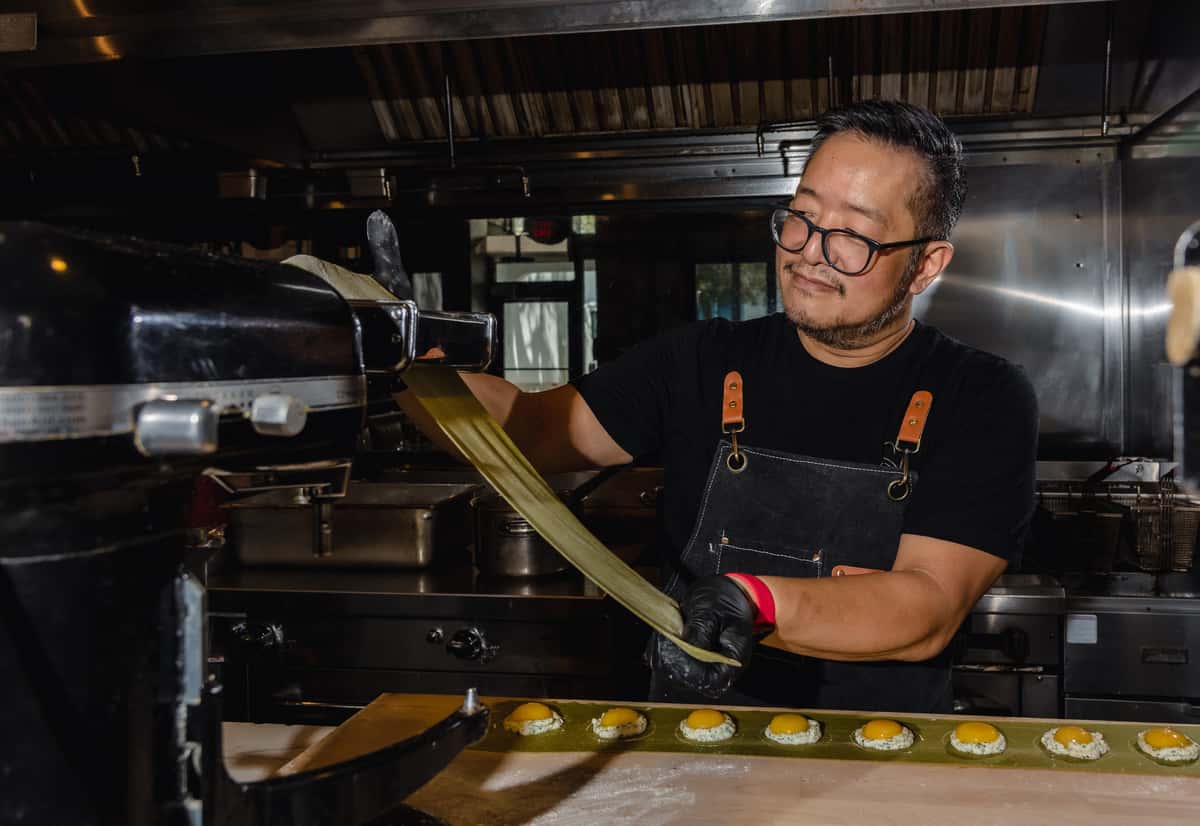
Slowing time in Michelin-star dining is the deliberate practice of stretching a meal across hours through controlled pacing, sensory intervals, and choreographed service. It transforms a meal into an immersive experience where every course, pause, and interaction serves a purpose.
We explore the culinary and psychological mechanisms behind intentional pacing, the cultural traditions that shaped this philosophy, how staff training and menu architecture sustain it, what makes Miami uniquely suited to slow dining, and how guests can prepare to fully engage with the experience.
Pacing directly shapes how diners perceive flavor and form memories. Longer oro-sensory exposure heightens taste awareness, while intervals between courses manage sensory-specific satiety so satisfaction stays high from the first bite to the last.
The slow dining philosophy draws from deep culinary roots. Japanese Kaiseki builds quiet pauses between dishes to let flavors resonate, and Carlo Petrini's Slow Food movement, founded in 1986, formalized resistance to rushed eating. In Miami, these traditions merge with Latin American family dining customs and the Nuevo Latino movement's elegant rebranding of those traditions for a global audience.
Behind every seamless multi-hour meal is rigorous operational design. Front-of-house teams train in synchronized choreography, sommeliers guide pairing conversations that naturally extend the experience, and tasting menus use strict course intervals (often 12 minutes apart) to maintain deliberate rhythm across two to three-and-a-half hours.
Miami's cultural landscape amplifies this approach. A dining population shaped by social-centric Latin American meal customs, a steady flow of international visitors, and a tropical atmosphere that rewards lingering all make the city a natural home for purposeful, unhurried dining.
What Does It Mean to "Slow Time" at a Michelin-Star Restaurant in Miami?
"Slowing time" at a Michelin-star restaurant in Miami means deliberately pacing every course, interaction, and pause to transform a meal into an immersive experience. The following sections explore how chefs control that pace and why guests embrace it.
How Do Miami's Michelin-Star Chefs Intentionally Pace the Dining Experience?
Miami's Michelin-star chefs intentionally pace the dining experience by exercising precise control over course timing, sensory intervals, and service rhythm. According to research published in the Journal of Management Annals, temporal manipulation in fine dining refers to the ability of routine participants to exercise agency by altering the pace of service to successfully coordinate complex culinary routines.
This deliberate pacing serves a deeper purpose than logistics alone. Temporal factors directly influence episodic memory formation, shaping how diners recall and contextualize each course long after the meal ends. When a kitchen controls the space between plates, it controls the story guests take home. That level of intentionality separates a great dinner from a forgettable one.
Why Is Slower Dining Valued by Local and Visiting Guests Alike?
Slower dining is valued by local and visiting guests alike because it aligns with cultural expectations rooted in connection and sensory enjoyment. As reported by Cultured Focus Magazine, Miami's unique cultural landscape is a "melting pot" where Latin American meal customs, characterized by vibrant flavors and social-centric dining, intersect with a tropical climate to influence local dining preferences.
For residents raised in traditions where meals anchor family gatherings, an unhurried pace feels natural. For visitors, the slower rhythm offers a welcome contrast to everyday routine, turning dinner into an event worth savoring. Miami's warmth and energy amplify this effect, making prolonged meals feel less like waiting and more like belonging.
Understanding what it means to slow time sets the stage for exploring how that approach elevates flavor, presentation, and lasting impressions.
How Does the "Slow Time" Approach Enhance the Culinary Experience?
The "slow time" approach enhances the culinary experience by sharpening flavor perception and strengthening memory formation. The following sections explore how pacing elevates each dish and how extended meals become lasting personal events.
In What Ways Does Pacing Impact the Flavor and Presentation of Dishes?
Pacing impacts the flavor and presentation of dishes by giving each course the sensory space it needs to register fully. When dishes arrive too quickly, flavors blur together and visual presentations lose their individual impact. Deliberate intervals between courses counteract sensory-specific satiety, the natural decline in satisfaction that occurs when a single flavor is consumed without pause.
This principle has deep roots in culinary tradition. Japanese Kaiseki cuisine, for example, is defined by its pace, where dishes arrive gradually with quiet intervals designed to allow diners to appreciate the transition between flavors. These pauses also let kitchen teams plate each course at peak quality, ensuring temperature, texture, and garnish reach the table exactly as intended.
How Does an Extended Meal Create Lasting Memories for Diners?
An extended meal creates lasting memories for diners by providing the temporal depth that episodic memory requires. Short, rushed meals compress into forgettable sequences, while a multi-hour experience gives the brain distinct moments to encode: the aroma of a particular course, a conversation between plates, the surprise of an unexpected pairing.
According to a chronological gastronomy overview published on Scribd, episodic memory formation in dining is fundamental to how diners recall and contextualize their meal experience, with temporal factors directly influencing what researchers describe as the "memory formation superpower" of a fine dining event. Each interval between courses acts as a mental bookmark, separating one sensory highlight from the next. For most guests, this is what transforms a good dinner into an experience they describe for years afterward.
Understanding how pacing builds both flavor and memory reveals why menu design itself must account for time.
What Are the Origins and Philosophy Behind Slow Dining in Fine Restaurants?
The origins of slow dining trace back to cultural traditions that treat meals as rituals rather than transactions. From European movements to Asian culinary art forms, the philosophy centers on intentional pacing. Below, we explore which traditions inspire this practice and how Miami's restaurants interpret it uniquely.
Which Culinary Traditions Inspire the Practice of Slowing Time During Meals?
The culinary traditions that inspire slowing time during meals span continents, from Italy's Slow Food movement to Japan's Kaiseki cuisine and Latin America's family-centered dining rituals. Each tradition treats pacing as inseparable from flavor and connection.
Miami's dining population is approximately 70% Hispanic, according to Current Backyard's 2025 city guide, bringing deep-rooted family dining customs and high expectations for authentic Latin American techniques. This cultural foundation naturally aligns with slow dining values: shared plates, extended conversation, and meals that unfold over hours rather than minutes.
The Nuevo Latino culinary movement further shaped Miami's approach by rebranding Latin American traditions for a high-end, global audience through elegant, tropical, and sensual environments. For any city hoping to embrace slow dining authentically, having cultural DNA that already values lingering at the table is an enormous advantage.
How Do Miami's Michelin-Star Restaurants Interpret This Philosophy Differently?
Miami's Michelin-star restaurants interpret this philosophy differently by filtering global slow dining traditions through the city's multicultural identity and subtropical energy. Rather than replicating the austere minimalism of European fine dining or the meditative stillness of Kaiseki, Miami's top kitchens blend warmth, vibrancy, and sensory richness into their pacing.
The result is a dining rhythm that feels neither rigid nor rushed. Course intervals allow for conversation and palate cleansing, yet the atmosphere carries a distinctly Miami pulse, one shaped by Latin hospitality and the relaxed confidence of a coastal city. This cultural fusion makes the slow dining experience here feel genuinely different from what guests encounter in New York or Paris, turning intentional pacing into something both refined and inviting.
With the philosophy established, the staff and service teams bring this vision to life at the table.
How Do Staff and Service Play a Role in Slowing Time for Guests?
Staff and service slow time for guests by orchestrating every interaction to extend sensory engagement and synchronize the dining rhythm. The subsections below explore training methods and how sommelier and chef interactions deepen the experience.
What Training Do Staff Undergo to Master Slow Dining Service?
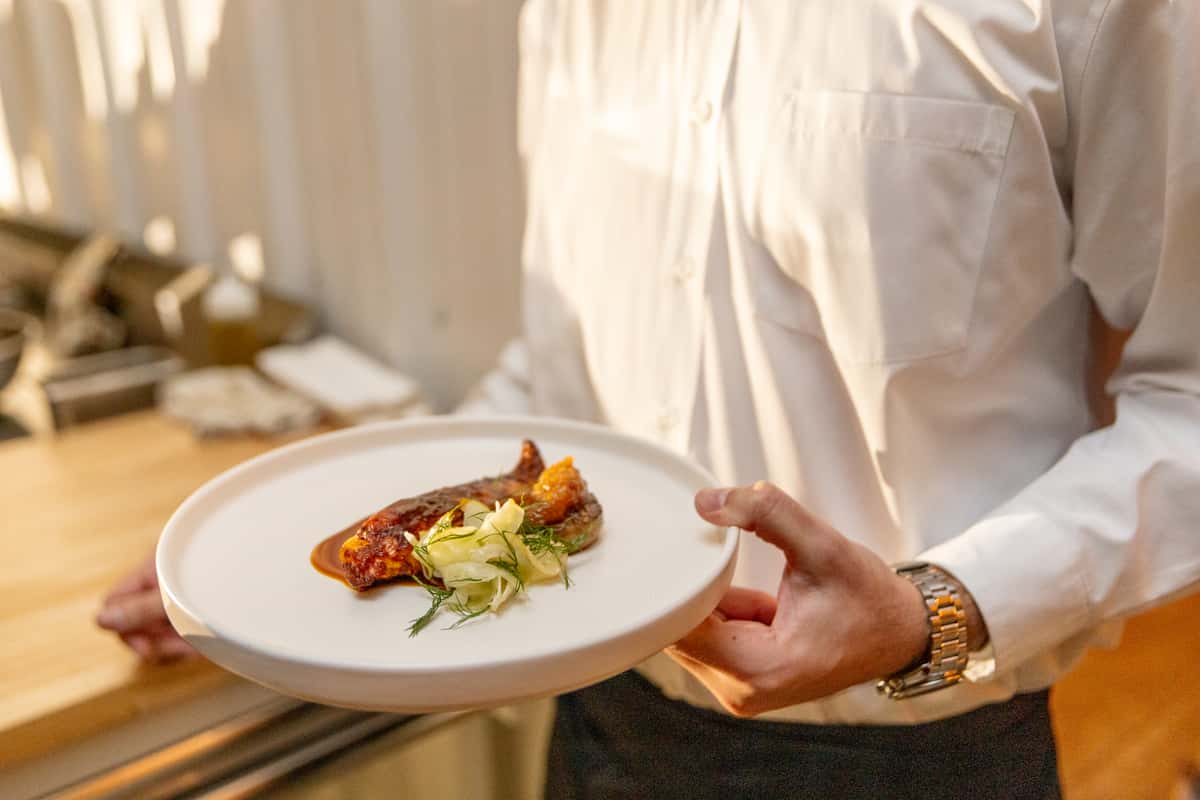
Staff undergo training focused on synchronized choreography, sensory pacing, and certified beverage expertise to master slow dining service. Front-of-house teams in Michelin-starred environments practice elaborate choreography so that dishes arrive simultaneously to every guest at a table, preserving the shared rhythm of each course.
Beyond plate delivery, this training cultivates an environment encouraging longer table times and social interaction, where culinary mastery intersects with a quiet sensory experience. Beverage directors typically hold professional sommelier certification through organizations like the Court of Master Sommeliers, ensuring wine pairings complement each course's tempo.
This level of staffing carries significant cost. According to a study published in the Cornell Hospitality Quarterly, labor costs in fine dining restaurants range from 28% to 40% of total revenue, reflecting the high staff-to-guest ratio these extended, multi-course models demand. That investment, however, is what separates a meal from a memory.
How Do Sommelier and Chef Interactions Contribute to the Experience?
Sommelier and chef interactions contribute to the experience by creating a live dialogue between food and wine that guides guests through each course with intention. When a sommelier presents a pairing, the explanation extends oro-sensory exposure time, encouraging diners to hold each flavor longer on the palate, which research published in Appetite found enhances both satiation and flavor perception.
These tableside moments are not improvised. Sommeliers coordinate directly with the kitchen to align each pour with precise course timing, reinforcing the deliberate pace that defines slow dining. For guests, what feels like a personal conversation is actually a carefully rehearsed interplay between beverage knowledge and culinary vision.
With trained staff setting the rhythm, menu design and course structure become the next layer of intentional pacing.
How Does Slowing Time Affect Menu Design and Course Structure?
Slowing time affects menu design and course structure by transforming each tasting menu into a deliberate narrative. The following sections explore how tasting menus dictate pacing and how individual courses are timed for peak enjoyment.
What Is the Relationship Between Tasting Menus and the Pace of a Meal?
The relationship between tasting menus and the pace of a meal is one of total creative control. A tasting menu allows a chef to decide the absolute structure and content of a meal, functioning as a "coded message" delivered through carefully designed course sequencing, according to a 2022 Resy culinary design analysis. Michelin-starred tasting menus typically require 2 to 3.5 hours to complete, with strict 12-minute course intervals often implemented to maintain a deliberate rhythm. Digital reservation systems with explicit time windows help restaurants balance this deliberate pace against revenue-generating table turnover. Each course builds on the last, so the sequencing itself becomes inseparable from the dining experience.
How Is Each Course Timed for Maximum Enjoyment and Anticipation?
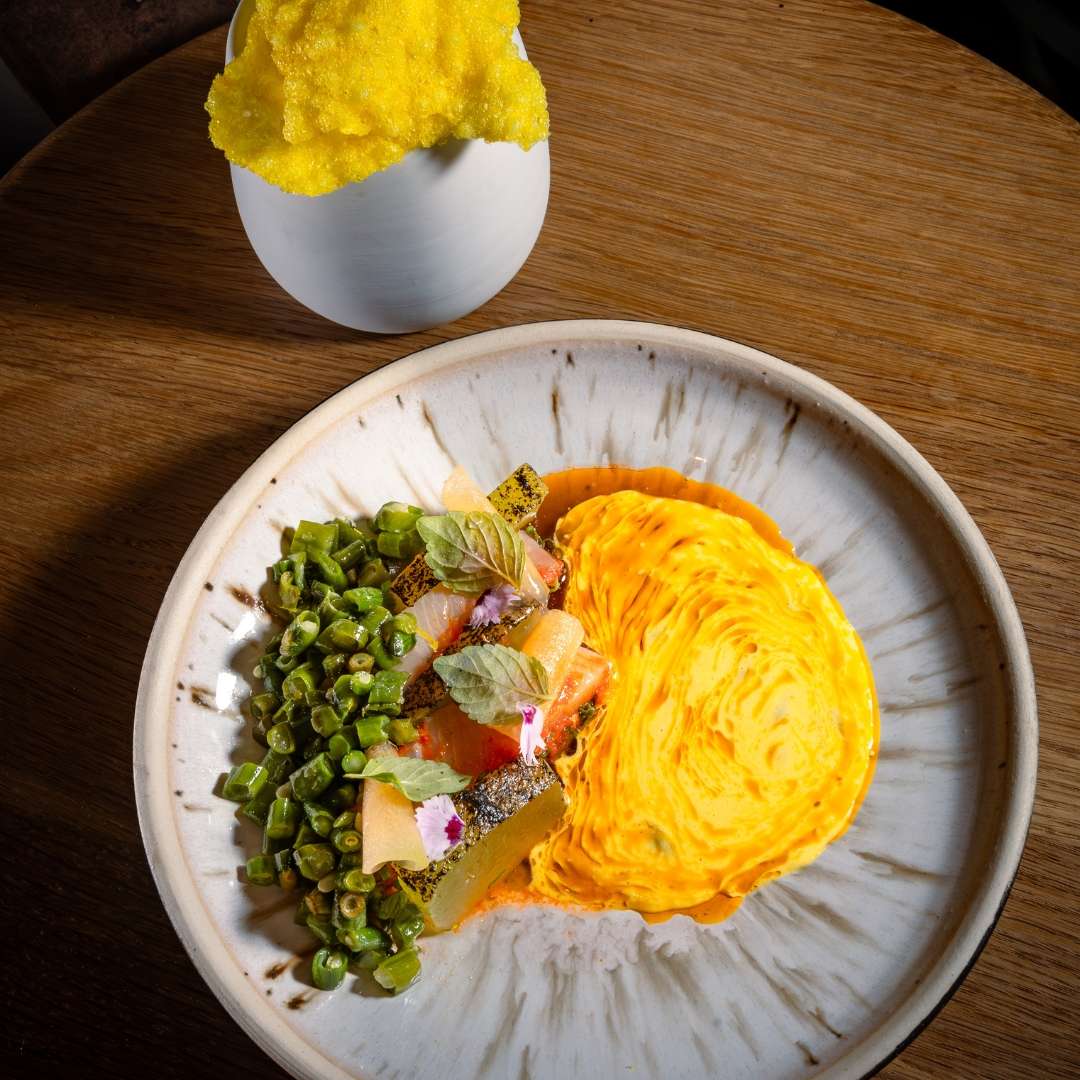
Each course is timed for maximum enjoyment and anticipation through calculated intervals that reset the palate and build narrative tension. The roughly 12-minute gap between plates serves a dual purpose: it allows flavors from the previous course to resolve while curiosity for the next heightens. Lighter, brighter compositions typically open the sequence, gradually progressing toward richer, more complex profiles before a final sweet resolution. These intervals also create natural windows for conversation, wine pairing introductions, and tableside storytelling from the service team. For most diners, this rhythm is what separates a memorable tasting menu from a rushed series of small plates. Understanding how pacing shapes the menu reveals why Miami's cultural setting amplifies these experiences even further.
Why Is Miami's Dining Scene Suited to Slow, Purposeful Meals?
Miami's dining scene is suited to slow, purposeful meals because its cultural diversity, tropical setting, and tourism-driven energy create ideal conditions for extended fine dining. The sections below explore how ambiance and culture shape this trend, and what distinguishes Miami's Michelin-star experience.
How Do Miami's Ambiance and Culture Influence the Slow Dining Trend?
Miami's ambiance and culture influence the slow dining trend through a combination of Latin American family dining traditions, a warm tropical climate that encourages lingering, and a cosmopolitan guest base accustomed to leisurely meals. With a dining population that is approximately 70% Hispanic, according to Current Backyard City Guides, expectations for social-centric, unhurried meals run deep in the local fabric.
International tourists further reinforce this rhythm. Fine dining restaurants in major tourism hubs like Miami draw visitors whose spending patterns align with prolonged, multi-course experiences. The result is a city where both residents and travelers naturally gravitate toward meals designed to unfold over hours rather than minutes.
What Makes Miami's Michelin-Star Experience Unique Compared to Other Cities?
Miami's Michelin-star experience is unique compared to other cities because it blends Latin American culinary heritage with globally influenced fine dining in a setting shaped by tropical energy and cultural fusion. The "Nuevo Latino" movement, which rebrands traditional Latin American techniques for a high-end, global audience, gives Miami's top restaurants a sensory identity that cities like New York or Chicago simply cannot replicate.
This cultural layering means that pacing at a Michelin-starred table in Miami carries a distinctly warm, social quality. Courses arrive with an awareness that guests expect both culinary precision and the relaxed intimacy of a subtropical evening, making slow dining feel less like a format and more like a natural extension of the city itself.
How Should Guests Prepare for a Slow Dining Experience at a Michelin-Star Restaurant?
Guests should prepare for a slow dining experience by adjusting expectations around timing, embracing the unhurried atmosphere, and approaching each course with curiosity. The sections below cover what to expect and how to maximize enjoyment.
What Should Diners Expect in Terms of Timing and Atmosphere?
Diners should expect timing that stretches well beyond a typical restaurant visit, with an atmosphere designed for immersion rather than efficiency. High-end restaurants maintain significantly lower table turnover rates than casual dining, because guests anticipate a long, unfolding experience that justifies the investment in a tasting menu. This philosophy traces back to the Slow Food movement, officially founded by Carlo Petrini in Italy in March 1986 as a protest against a fast-food restaurant opening near Rome's Spanish Steps.
Practically, this means planning for the following:
Arrive with no rigid post-dinner commitments.
Expect quiet, dimly lit spaces that encourage conversation between courses.
Silence phones to stay present with the sensory details of each plate.
Anticipate natural pauses between courses, which are intentional, not delays.
For most guests, the shift from clock-watching to genuine presence is what transforms a meal into an event worth remembering.
How Can Guests Make the Most of a Prolonged Culinary Journey?
Guests can make the most of a prolonged culinary journey by treating each course as its own moment rather than rushing toward the next. Engage with the service team; asking about ingredients, pairings, or preparation techniques deepens the experience and signals openness to the kitchen's narrative.
A few approaches help considerably:
Eat slowly and let flavors develop across the palate before moving on.
Order the wine pairing if available, since each selection is calibrated to complement a specific course.
Converse between plates, using the built-in intervals for connection with dining companions.
Save room physically and mentally; smaller portions across many courses reward patience, not speed.
The guests who leave most impressed are rarely those who ate the fastest. With Miami's Michelin-star scene continuing to grow, understanding how to engage with intentional pacing turns a reservation into something lasting.
How Does Stubborn Seed Exemplify the Slow Time Philosophy in Miami?
Stubborn Seed exemplifies the slow time philosophy by offering structured tasting menus that build progression into every course. The sections below explore its intentional pacing and the broader takeaways for diners.
How Are Stubborn Seed's 6- and 9-Course Tasting Menus Designed for Intentional Pacing?
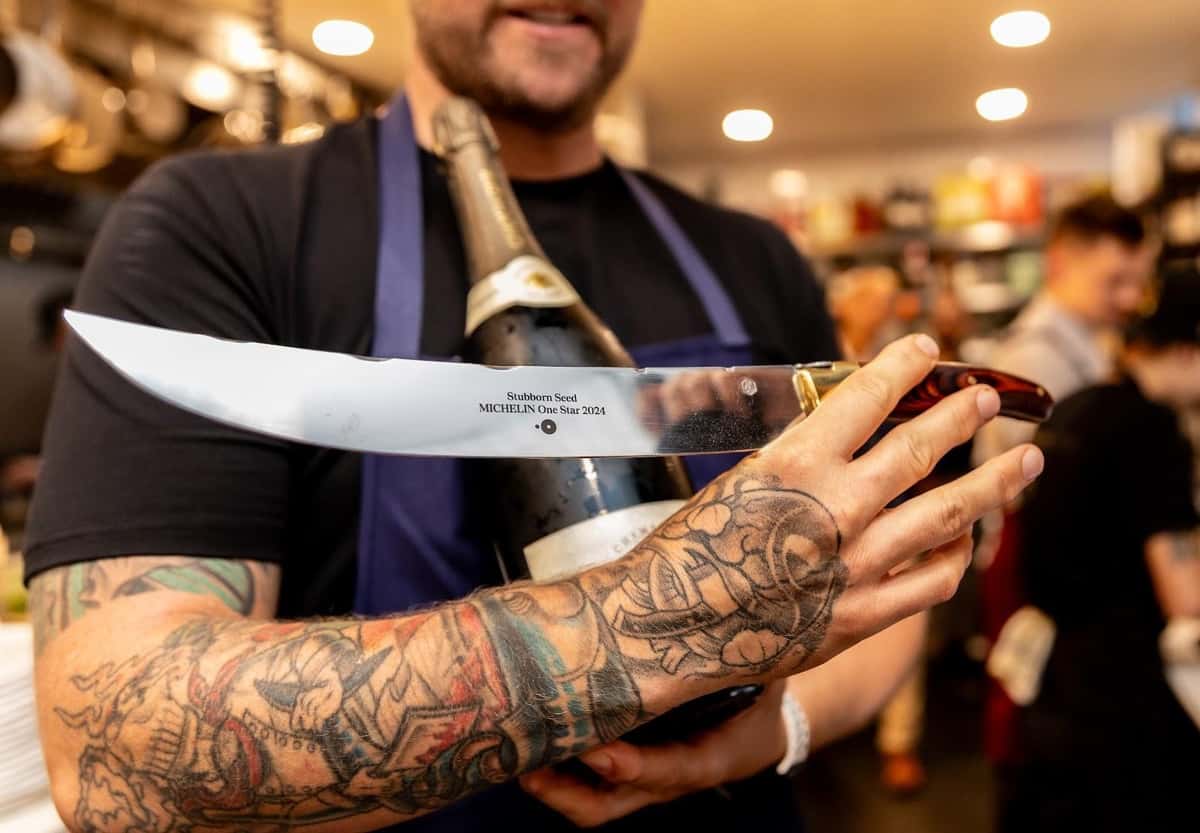
Stubborn Seed's 6- and 9-course tasting menus are designed for intentional pacing through deliberate course sequencing that treats each plate as a narrative beat. Chef Jeremy Ford describes the service as an "experience in progression," using course intervals that allow for palate cleansing and uninterrupted conversation.
The 9-course option extends this arc further, giving the kitchen more room to modulate intensity, texture, and flavor across a longer timeline. Each transition between courses serves a purpose: resetting the palate, shifting the sensory register, or deepening the evening's momentum. For diners willing to surrender control of the meal's structure, Stubborn Seed rewards that trust with one of Miami's most carefully orchestrated dining experiences.
What Key Takeaways Should Diners Remember About Why Michelin-Star Restaurants in Miami Slow Time on Purpose?
The key takeaways diners should remember are that slowing time is a deliberate strategy, not a byproduct of inefficiency. Miami's Michelin-recognized restaurants use pacing to heighten flavor perception, strengthen memory formation, and create experiences that justify extended engagement with each course.
As of 2025, the Miami area features 57 Michelin-recognized restaurants, according to the Greater Miami Convention & Visitors Bureau. That growing concentration means more establishments are competing on experience quality, not just food. Restaurants that master temporal control, from synchronized service choreography to intelligent reservation tools that balance pacing with table turnover, consistently deliver the most memorable meals. Approaching a slow dining experience with patience and curiosity transforms a meal into something worth remembering long after the final course.