
Why Restaurant Reservations Are a Must for Fine Dining
Why Restaurant Reservations Are a Must for Fine Dining
Restaurant reservations are essential for fine dining because they are the mechanism that makes the entire experience possible. From guaranteed seating to kitchen preparation and personalized service, a booking is not a formality; it is the foundation of a Michelin-starred meal.
This guide covers what separates fine dining from other restaurant formats, how reservations benefit diners directly, what happens without one, how reservations support restaurant operations, how digital booking trends have evolved, and how to approach reservations at Stubborn Seed in Las Vegas.
Fine dining operates at a level where culinary precision, curated atmosphere, and elevated service converge. Michelin star criteria demand ingredient quality, technique mastery, and consistency across every course, and venues like Stubborn Seed Las Vegas are built around those standards.
For diners, booking in advance secures the seat, enables personalized touches for special occasions, and shapes the service dynamic from the first contact. Walk-ins, by contrast, face average wait times of at least 45 minutes and are frequently turned away entirely during peak service hours.
Without a reservation, service quality suffers on both sides of the pass. Unplanned arrivals force hosts to hold walk-ins even when tables appear open, while kitchen teams lose the advance data they need to source ingredients, stage courses, and staff accurately.
Digital booking platforms now handle 72% of reservations via smartphone, and deposit-backed commitments have reshaped how guests engage with fine dining access. Understanding these shifts is now as essential as knowing where to eat.
What Makes Fine Dining Different from Other Restaurant Experiences?
Fine dining differs from other restaurant experiences in its culinary precision, purposeful atmosphere, and elevated service standards. The following sections cover how these elements shape the guest experience at top-tier venues.
How Does Fine Dining Elevate the Culinary Experience?
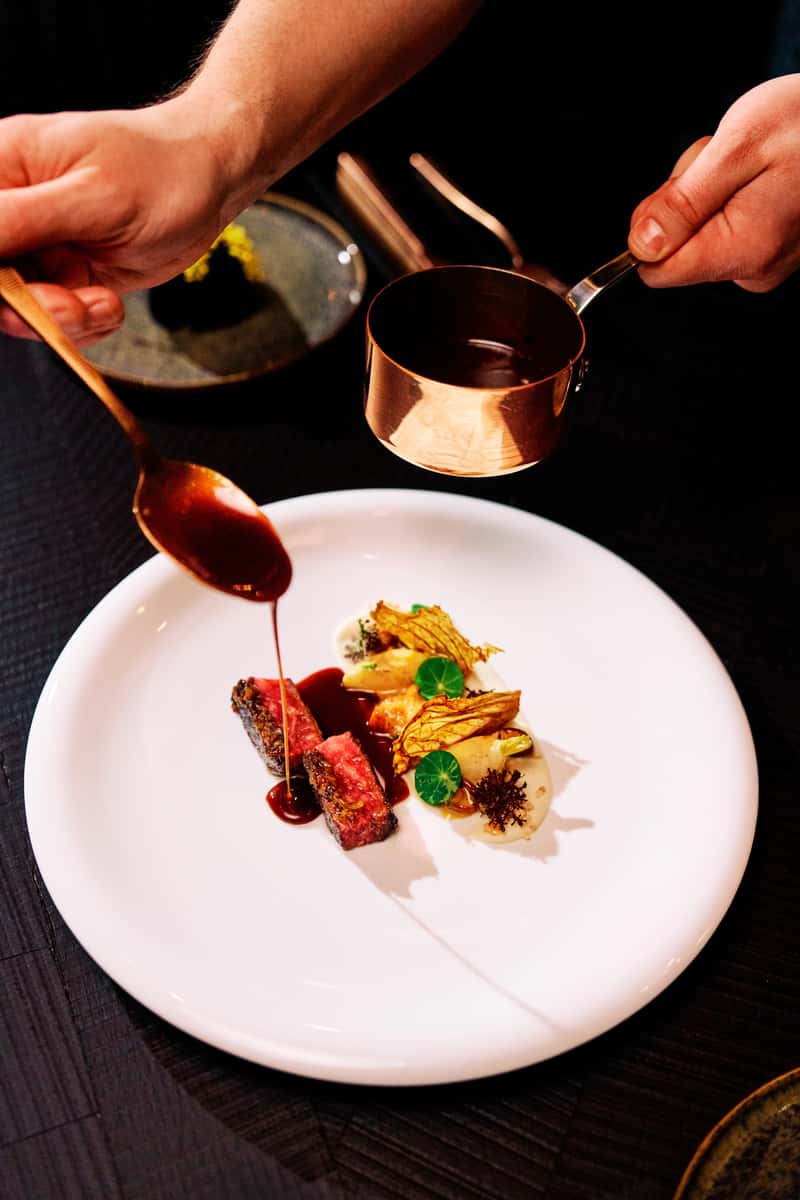
Fine dining elevates the culinary experience through ingredient quality, technique mastery, and consistency across every course. The MICHELIN Guide awards stars based on five criteria: ingredient quality, harmony of flavors, mastery of culinary techniques, the chef's personal expression, and menu consistency over time. These standards push kitchens to operate at a level that casual dining simply cannot sustain.
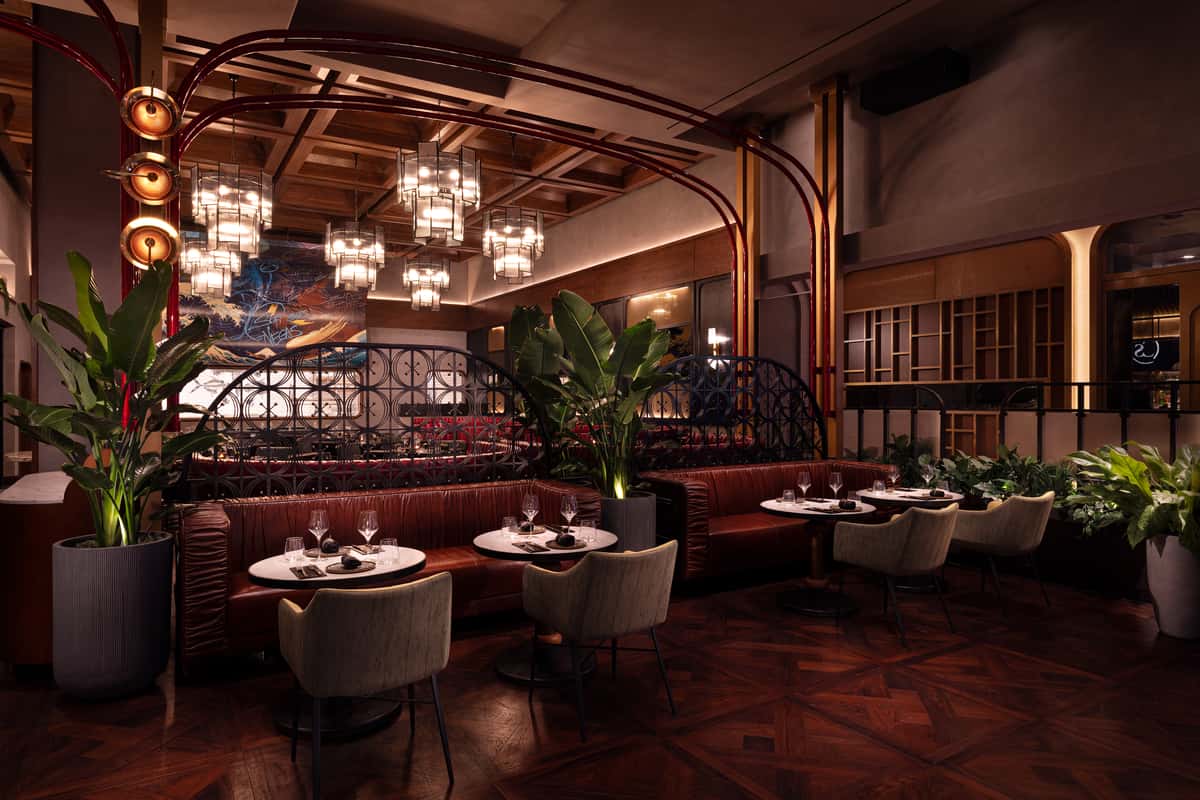
The physical environment reinforces this commitment. Fine dining establishments typically allocate 28 to 30 inches of table space per person, accommodating fuller place settings and armrests, compared to 24 inches in casual dining. That extra space is not incidental; it signals intentionality in every detail of the guest experience.
According to Black Box Intelligence, fine dining achieves an average star rating of 4.50 across digital platforms, with 4.52 on Google and 4.46 on TripAdvisor, reflecting how consistently these service and culinary standards translate into guest satisfaction.
Why Is the Atmosphere Crucial in Fine Dining Venues?
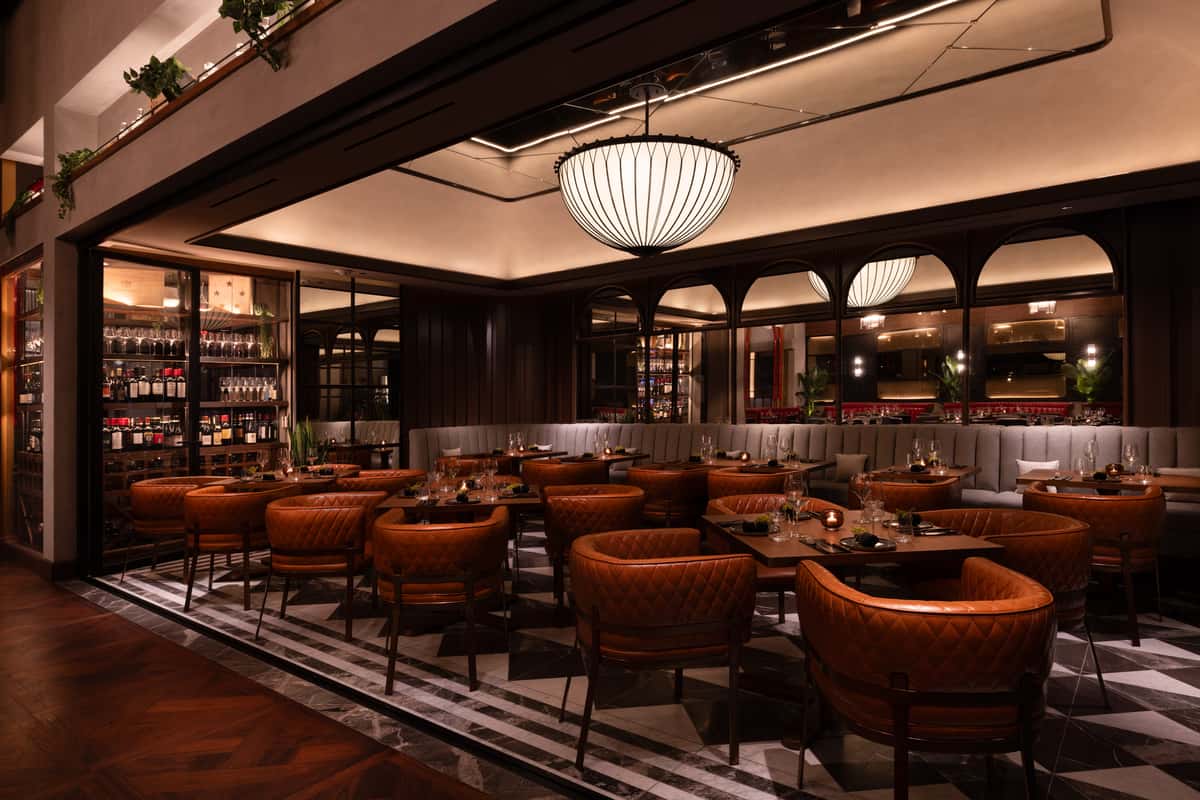
The atmosphere is crucial in fine dining venues because it directly shapes how guests perceive and enjoy the meal. Acoustics, spacing, lighting, and pacing all work together to create an environment where the food remains the focus. When any element is disrupted, the entire experience suffers.
This is precisely why fine dining runs on reservations. Walk-in guests face average wait times of at least 45 minutes, and many venues openly warn that unplanned arrivals will encounter substantial delays. Beyond wait times, many fine dining venues require a credit card hold or prepaid deposit to secure a table, protecting the carefully controlled environment from last-minute disruptions.
Atmosphere is often underestimated as a differentiator, but it is what separates a meal from an experience worth returning for.
How Do Reservations Benefit Diners at Upscale Restaurants?
Reservations benefit diners at upscale restaurants by guaranteeing access, enabling personalized service, and elevating the overall dining experience. The following H3s cover the core advantages of booking in advance and how reservations enhance special occasions.
What Are the Main Advantages of Booking in Advance?
The main advantages of booking in advance include guaranteed seating, personalized service, and a more intentional dining experience. Without a reservation, diners risk long waits or being turned away entirely, particularly at high-demand venues.
Booking ahead signals to the kitchen and front-of-house team that a guest is expected, allowing staff to prepare accordingly. According to SevenRooms, walk-ins spend roughly 88% less per cover than reservation diners, reflecting how advance booking shapes the entire service dynamic. Restaurants can note dietary preferences, celebrate occasions, and tailor the evening before guests even arrive.
From an expert standpoint, the reservation is not just an administrative step; it is the first moment a fine dining experience begins. At Stubborn Seed Las Vegas, the reservation process reflects this philosophy, booking through the restaurant's website is the first step toward a tasting menu experience shaped around each guest's visit.
How Can Reservations Enhance Special Occasions and Group Gatherings?
Reservations enhance special occasions and group gatherings by giving restaurants the lead time needed to coordinate personalized touches, such as custom menus, table placement, and celebratory arrangements. A spontaneous arrival for a birthday or anniversary leaves little room for the kitchen or service team to prepare anything meaningful.
For groups, advance booking ensures that seating configurations, pacing, and staffing align with the party's size and expectations. Large tables require coordination across multiple service roles, and without reservation data, that coordination is impossible.
Booking in advance transforms a group dinner from a logistical challenge into a seamless, memorable event. For guests considering Stubborn Seed Las Vegas for a special occasion, advance reservations allow the team to accommodate the tasting menu experience for both intimate dinners and larger groups.
What Issues Can Arise Without a Reservation at Fine Dining Restaurants?
The issues that can arise without a reservation at fine dining restaurants include extended waits, outright refusal of entry, and degraded service quality. Industry data shows the average no-show rate hovers around 15–20% for restaurants without a strategy, yet walk-ins still struggle to fill those gaps due to how floor management operates.
Why Might Walk-Ins Experience Longer Waits or Be Turned Away?
Walk-ins at fine dining venues may experience longer waits or be turned away because peak-time seating is almost entirely pre-allocated to reservation holders. According to OpenTable, no-shows and late arrivals can leave tables sitting empty during peak periods, while rigid booking systems may still force restaurants to turn away walk-in guests. Even visibly open tables are frequently held for incoming reservations, leaving walk-ins with no realistic path to a seat during prime service hours.
How Does Lack of Reservation Affect Staff and Service Quality?
A lack of reservation affects staff and service quality by disrupting the carefully sequenced workflows that fine dining depends on. According to TableSense, when the kitchen is under pressure, hosts must place walk-ins on a 15-minute hold even when three empty tables are visible. Reservations allow restaurants to minimize food waste, plan staffing levels, and welcome guests with personalized service. Without that advance data, kitchen teams lose visibility into upcoming covers and cannot stage courses, source ingredients, or allocate staff accurately.
From an operational standpoint, unplanned arrivals do not just inconvenience guests; they erode the entire service experience that justifies fine dining prices.
How Do Reservations Help Fine Dining Restaurants Operate Smoothly?
Reservations help fine dining restaurants operate smoothly by enabling precise planning across staffing, kitchen production, and guest pacing. According to the Restaurant Booking System Academy, fine dining restaurants typically run 80–100% reservations, compared to 50–70% for casual dining. The sections below cover how this reservation density supports staffing decisions and food quality.
What Role Does Planning and Staffing Play in Top-Tier Dining Experiences?
Planning and staffing play a central role in top-tier dining experiences by allowing management to align labor precisely with confirmed covers. When a restaurant knows exactly how many guests to expect and at what times, it can schedule the right number of servers, sommeliers, and kitchen staff per shift. Reservation management software allows operators to set slots by shift, block table availability based on staffing levels, and manage the full floor layout in real time. Without this visibility, service teams operate reactively, which introduces delays and inconsistency that undermine the seamless experience fine dining demands.
How Can Reservations Promote Food Quality and Presentation?
Reservations promote food quality and presentation by giving the kitchen accurate advance data on guest counts, dietary needs, and timing. With confirmed bookings, chefs can source ingredients in precise quantities, minimizing over-ordering and ensuring freshness at service. Prep work, sauce reductions, and temperature-sensitive proteins can be staged to a defined timeline rather than rushed to accommodate an unplanned table. This operational clarity translates directly to plating precision and dish consistency, both of which are non-negotiable at Michelin-starred venues like Stubborn Seed Las Vegas. Stubborn Seed Las Vegas offers both a 6-course and 9-course tasting menu, formats that rely entirely on confirmed reservation data to execute with the precision Michelin standards demand.
How Have Reservation Trends Changed for Fine Dining in Recent Years?
Reservation trends for fine dining have shifted significantly toward digital booking tools, deposit-backed commitments, and platform consolidation. The sections below cover how technology has reshaped access and how customer behavior has responded.
What Digital Tools and Platforms Are Used to Make Reservations Easier?
The digital tools and platforms used to make reservations easier include mobile apps, online booking portals, and reservation management software such as OpenTable, Resy, and SevenRooms. With 72% of reservations now made via smartphones, mobile booking has become the dominant channel for securing fine dining tables. The restaurant reservation software market reflects this shift, valued at $1.2 billion in 2025 and projected to reach $2.6 billion by 2034, according to Market Intelo.
However, these platforms present a genuine accessibility gap. According to the Brookings Institution, approximately 41% of older adults have never been online, with those over 80 being the least digitally engaged. Fine dining operators should maintain phone-based booking as a parallel option to serve this audience without friction.
How Has Customer Behavior Adapted to New Reservation Systems?
Customer behavior has adapted to new reservation systems primarily through earlier booking habits, deposit acceptance, and reduced tolerance for long waits. According to the MICHELIN Guide, the main reason restaurants take deposits is to deter last-minute cancellations and no-shows. OpenTable served over 55,000 restaurants globally as of early 2024, representing approximately 46% of U.S. reservation market share, per BistroChat, signaling widespread consumer familiarity with structured booking flows.
Research published in Science Direct confirms that longer waiting times correlate with reneging behavior, reduced return frequency, and shorter dining durations. Diners have internalized this reality: booking in advance is no longer a formality but a practical necessity for a complete fine dining experience.
How Should You Approach Fine Dining Reservations at Stubborn Seed in Las Vegas?
Approaching fine dining reservations at Stubborn Seed in Las Vegas requires advance planning, awareness of the tasting menu format, and understanding what the experience entails. The sections below cover booking the tasting menu for intimate dinners or groups and key takeaways from this guide.
Can the Stubborn Seed Tasting Menu Experience Be Reserved for Intimate Dinners or Groups?
Yes, the Stubborn Seed tasting menu experience can be reserved for both intimate dinners and groups. Stubborn Seed at Resorts World Las Vegas is led by Top Chef Season 13 winner and Michelin-starred chef Jeremy Ford, open daily from 4 PM to 10 PM. Reservations are made through the Stubborn Seed website. Forbes Travel Guide standards require a seamless reservation process confirmed via email or phone, a benchmark that aligns with the level of service guests should expect here. The dining room includes accessible seating dispersed throughout the floor, per ADA National Network guidance, accommodating guests who use wheelchairs or scooters. For groups, booking well in advance is strongly recommended given the restaurant's Michelin-starred status and limited seating capacity.

What Are the Key Takeaways About Why Restaurant Reservations Are a Must for Fine Dining We Covered?
The key takeaways about why restaurant reservations are a must for fine dining center on access, cost, and experience quality. Fine dining typically costs $100 to $200 per person for a multi-course meal with wine, according to Sofia Englewood, making the stakes of a failed walk-in visit significantly higher than at casual venues. A reservation secures your seat, enables personalized service, and signals to the kitchen how to prepare. With 90% of fine dining operators identifying on-premises business as their top priority in 2025, according to Rezku, demand for reserved seats at Michelin-starred restaurants like Stubborn Seed Las Vegas will only grow. Reservations are made through the Stubborn Seed website to secure your experience.