Why the Final Courses at Michelin-Star Restaurants in Miami Matter So Much
Why the Final Courses at Michelin-Star Restaurants in Miami Matter So Much
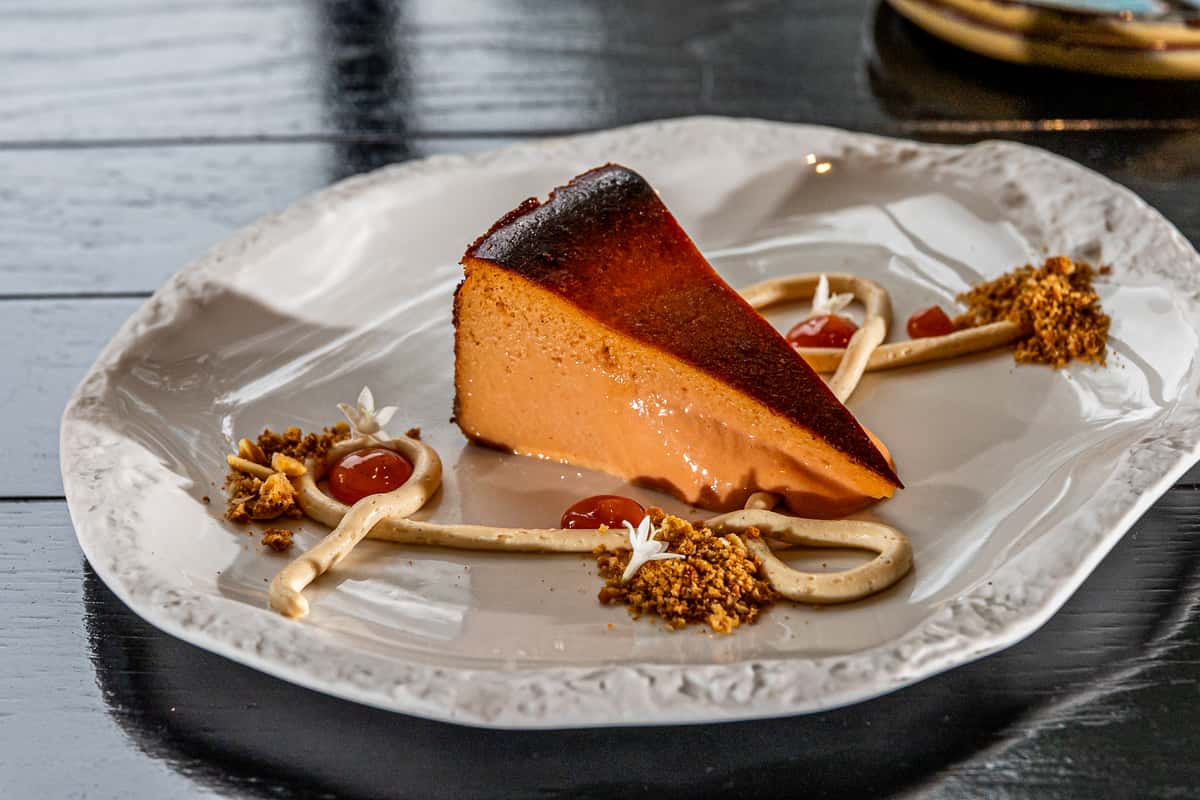
The final course at a Michelin-star restaurant in Miami is the culmination of the tasting menu, serving as the last impression a chef leaves and the moment that lingers longest in a diner's memory.
This guide covers what defines a final course in Miami's starred dining scene, why it carries so much weight as the emotional peak of the meal, how chefs design these courses through innovation and local sourcing, the impact final courses have on guest satisfaction and restaurant reputation, and how Miami's cultural identity shapes its approach compared to other fine dining cities.
Michelin inspectors evaluate every course against five criteria, including ingredient quality, technique mastery, flavor harmony, the chef's personality, and consistency. The final course must meet each standard while also serving as the definitive punctuation mark on the entire tasting experience.
Miami's subtropical climate gives chefs access to citrus, guava, and tropical produce year-round, while Latin American and Caribbean traditions add layers of flavor identity rarely found in other Michelin markets. These influences converge in final courses that balance warmth with brightness and heritage with innovation.
From multisensory presentations that engage touch and aroma to elevated reinterpretations of familiar desserts, Miami's starred restaurants treat the closing course as a signature statement. The result directly shapes reviews, repeat visits, and the commercial momentum that follows a Michelin star.
With 16 Michelin-starred restaurants now operating in Miami, the city's final courses represent one of the most dynamic and competitive arenas in American fine dining.
What Defines a Final Course at a Michelin-Star Restaurant in Miami?
A final course at a Michelin-star restaurant in Miami is defined by its role as the culinary culmination of a carefully sequenced tasting menu. The following sections explore how final courses differ structurally from earlier courses and which signature ingredients and techniques distinguish Miami's approach.
How Do Final Courses Differ from Earlier Courses in Tasting Menus?
Final courses differ from earlier courses in tasting menus by serving as the emotional and flavor resolution of a progressive dining narrative. A tasting menu is a multiple-course meal curated by a chef, typically ranging between four and 20 courses, served as small tasting portions to showcase the restaurant's culinary range, according to Tasting Table. Earlier courses build intensity through savory complexity, layering proteins, acids, and umami. The final course reverses that trajectory, shifting toward sweetness, texture contrast, and lighter compositions that signal closure. Where mid-menu courses challenge the palate, the final course rewards it. This deliberate arc is what separates a thoughtfully designed tasting menu from a simple sequence of dishes.
What Signature Ingredients or Techniques Feature in Miami's Final Courses?
Signature ingredients and techniques that feature in Miami's final courses include subtropical fruits, artisan chocolates, and multisensory plating methods shaped by the city's multicultural culinary identity. According to the MICHELIN Guide, inspectors evaluate restaurants on five criteria:
Quality of ingredients
Mastery of culinary techniques
Harmony of flavors
Personality and emotion conveyed through dishes
Consistency across the entire menu and repeat visits
These standards push Miami chefs to incorporate local produce like guava and Meyer lemon into desserts that balance technical precision with regional character. Techniques such as caramel cremeux layering, chocolate glazing, and elderflower-infused chantilly reflect both classical French foundations and Latin American influences. For diners exploring what makes Miami's Michelin scene distinctive, the final course often provides the clearest answer.
Why Are Final Courses Considered the Culmination of the Fine Dining Experience?
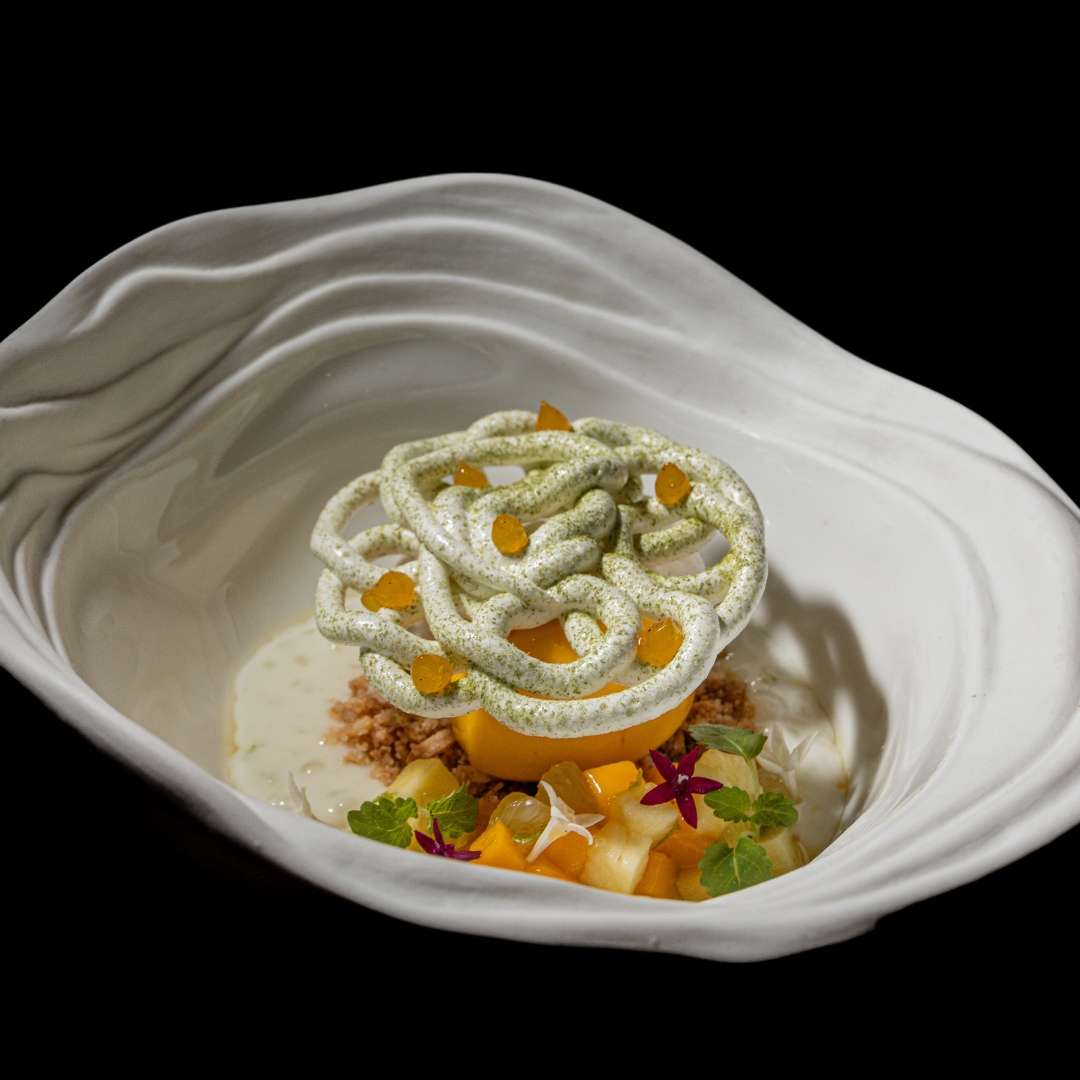
Final courses are considered the culmination of the fine dining experience because they synthesize a chef's vision, technique, and storytelling into a single closing statement. Florida's subtropical climate and local produce, including citrus and tropical fruits like guava, shape how Miami chefs conceptualize these decisive moments.
How Does the Final Course Reflect the Chef's Culinary Vision?
The final course reflects the chef's culinary vision by distilling an entire meal's narrative arc into one concluding composition. According to a definition published in Gastronomica: The Journal of Food and Culture, the Michelin Guide frames the dessert as "the fruit one prepares and the final course," positioning it as the culinary culmination of the meal.
This framing means the final course is not an afterthought. It carries the weight of every flavor decision that preceded it, resolving tensions between sweet and savory, rich and light. A chef who builds toward a carefully composed closing course demonstrates command over the full tasting menu sequence. In Miami, where subtropical ingredients offer bold, aromatic profiles, that closing statement often becomes the most personal plate on the table.
What Emotional or Sensory Impact Do Final Courses Aim to Create?
The emotional and sensory impact final courses aim to create is a lasting impression that lingers well beyond the meal itself. Unlike earlier courses that build momentum through contrast and progression, the closing plate must resolve the entire sensory journey into something satisfying and memorable.
Within Miami's multicultural culinary landscape, this impact takes on added dimension. Tropical fruit notes, warm spice, and vibrant acidity drawn from Latin American and Caribbean traditions give chefs a unique palette for evoking nostalgia, surprise, or comfort in those final bites. Texture plays an equally critical role; the interplay of crisp, creamy, and delicate elements engages touch alongside taste. Few existing analyses explore this sensory layering in depth, which makes it one of the most underappreciated aspects of fine dining in the city. For diners, the final course is often what they describe first when recounting the experience.
Understanding this emotional weight helps explain how Miami's chefs approach the creative process behind their closing plates.
How Do Chefs in Miami Curate Memorable Final Courses for Discerning Diners?
Chefs in Miami curate memorable final courses by combining innovation with local ingredients to create multi-sensory experiences. The following sections explore how creative technique and seasonal sourcing shape these closing moments.
What Role Does Innovation Play in Designing Final Courses?
Innovation plays a central role in designing final courses, pushing chefs beyond traditional dessert formats into immersive, multi-sensory experiences. At Elcielo Miami, diners encounter a signature "Chocotherapy" course where they are instructed to wash their hands in liquid chocolate, followed by a water rinse, engaging touch, smell, and taste simultaneously. This kind of boundary-pushing approach transforms a final course from something eaten into something felt.
For discerning diners who have experienced dozens of tasting menus, that element of surprise is what lingers long after the check is paid. Technique alone does not create lasting impressions; the willingness to reimagine what a final course can be is what separates good from unforgettable.
How Is Seasonality or Local Sourcing Incorporated into Final Courses?
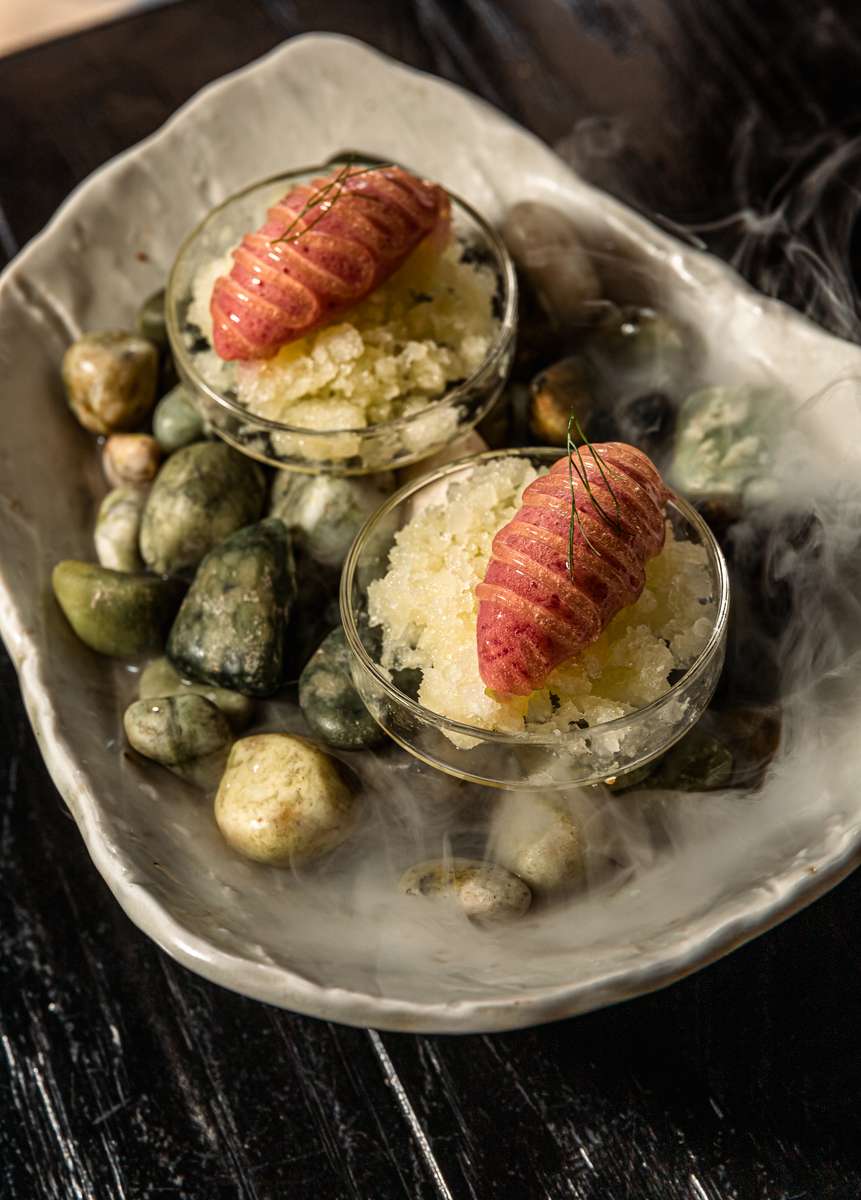
Seasonality and local sourcing are incorporated into final courses through Miami's year-round access to subtropical produce. According to a report by Repast, published by the Culinary Historians of Ann Arbor, Florida's subtropical climate and abundant local produce, including citrus and tropical fruits like guava, are integral to creating signature dishes in Miami's fine dining establishments.
This natural abundance gives pastry teams a rotating palette of flavors that shifts with the harvest. Tropical fruits, local citrus, and warm-climate botanicals allow chefs to build desserts rooted in place rather than imported from distant traditions. For any chef working in Miami, ignoring what grows nearby means missing the city's most compelling competitive advantage in final course design.
In What Ways Do Final Courses Enhance Guest Satisfaction and Restaurant Reputation?
Final courses enhance guest satisfaction and restaurant reputation by shaping lasting impressions that drive reviews, repeat visits, and critical recognition. The following sections explore how a memorable closing course influences diner behavior and what Michelin inspectors specifically evaluate.
How Can a Standout Final Course Influence Reviews and Repeat Visits?
A standout final course influences reviews and repeat visits by creating the lasting impression diners carry when they leave. Psychologically, people recall the peak moment and the ending of an experience most vividly, which means the final course disproportionately shapes how guests describe a meal online and to friends. A technically excellent dessert that surprises or delights becomes the detail reviewers mention first, generating organic word-of-mouth that no marketing budget can replicate.
For restaurants operating at the Michelin level, where tasting menus represent significant investment from guests, a forgettable closing course risks undermining everything that preceded it. The final bite is the one that determines whether a diner books again.
What Do Michelin Inspectors Look for in a Restaurant's Final Course?
Michelin inspectors look for the same five criteria in a final course that they apply to every dish: quality of ingredients, mastery of culinary techniques, harmony of flavors, the personality and emotion the chef conveys, and consistency across the entire menu and across visits. According to the MICHELIN Guide, these standards ensure that no course, including dessert, receives less creative or technical attention than any other.
This means a final course must demonstrate the same precision as an opening amuse-bouche. Inspectors notice when pastry programs lack the ambition shown earlier in the meal. In Miami's competitive landscape, where starred restaurants can see median revenue increases of 15% to 25% over non-starred peers, maintaining that standard through the last plate directly protects both stars and profitability.
With reputation built one final course at a time, how Miami's top restaurants differentiate their closing moments reveals even more about each chef's philosophy.
How Do Michelin-Star Restaurants in Miami Compare in Their Approach to Final Courses?
Michelin-star restaurants in Miami compare in their approach to final courses through distinct cultural lenses, ranging from Latin American heritage to classic French technique. The following sections highlight specific examples and the cultural forces shaping these differences.
What Are Some Examples of Notable Final Courses at Top Miami Restaurants?
Some examples of notable final courses at top Miami restaurants include multi-sensory experiences and refined reinterpretations of familiar flavors. Elcielo Miami presents its signature "Chocotherapy" course, where diners wash their hands in liquid chocolate before a water rinse, engaging touch and smell alongside taste. L'Atelier de Joël Robuchon Miami offers a "Spirale de Pomme au Caramel" featuring apple and caramel bavaroise rooted in classic French artisan tart traditions. Le Jardinier Miami emphasizes seasonality with a Lemon Tart composed of elderflower chantilly and Meyer lemon cream. As food critic Victoria Pesce Elliott described in the Miami Herald, high-end Miami dishes are "at once creamy and crunchy, acidic and smooth, warm and cool, bright and mild, sweet and spicy, forming mini flavor bombs in each bite." Each restaurant treats the final course as a concentrated expression of its identity.
How Do Miami's Final Courses Reflect Local Culture and Global Influences?
Miami's final courses reflect local culture and global influences by drawing on the city's position at the crossroads of Latin American, Caribbean, and European culinary traditions. According to Faccin Miami, Miami's Michelin-star dining scene is significantly influenced by Latin American and Caribbean culinary traditions, with restaurants like Elcielo Miami explicitly showcasing Colombian heritage through modern gastronomic approaches. Florida's subtropical climate also plays a direct role; abundant local citrus and tropical fruits like guava become foundational elements in dessert construction. French-trained kitchens layer classical technique over these regional ingredients, while Colombian and pan-Latin chefs reframe traditional flavors through modernist presentation. This cultural convergence gives Miami's final courses a character distinct from any other Michelin dining city in the United States. With these diverse influences shaping each plate, experiencing them firsthand reveals what makes Miami's dining scene singular.
How Can You Experience Unforgettable Final Courses at Upscale Miami Restaurants Like Stubborn Seed?
You can experience unforgettable final courses at upscale Miami restaurants like Stubborn Seed by reserving a tasting menu that builds toward a carefully crafted dessert climax. The following sections explore how Stubborn Seed delivers final course excellence and recap why these closing moments matter.
How Does Stubborn Seed's Tasting Menu Deliver on Final Course Excellence?
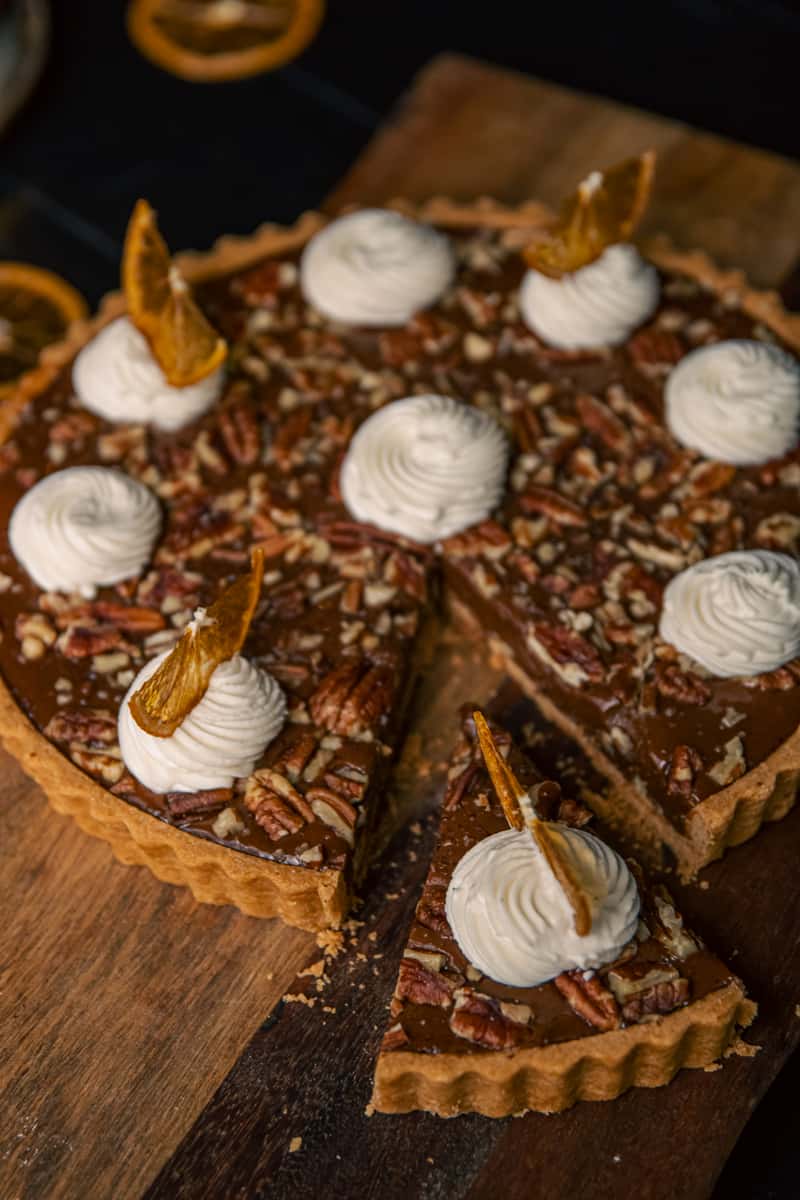
Stubborn Seed's tasting menu delivers on final course excellence by structuring every preceding course to build anticipation for a dessert that showcases technical precision and bold flavor contrasts. Stubborn Seed offers both a 6-course and a 9-course tasting menu, each designed so the final course serves as the emotional and culinary peak of the progression. The signature "Candy Bar" dessert, an elevated reimagining of a Snickers bar featuring fudge brownie, caramel cremeux, peanut butter mousse, and chocolate peanut glaze, exemplifies this philosophy. Each layer balances richness with texture in a way that rewards diners who have followed the full arc of the meal. Reservations are available through the Stubborn Seed website.
What Are the Key Takeaways About Why the Final Courses at Michelin-Star Restaurants in Miami Matter So Much We Covered?
The key takeaways about why the final courses at Michelin-star restaurants in Miami matter so much are rooted in culinary identity, emotional impact, and competitive distinction. As of April 2025, Miami boasts 16 Michelin-starred restaurants leading the Florida Michelin Guide, according to the Greater Miami Convention & Visitors Bureau. Within that competitive landscape, a strong final course accomplishes several things:
It crystallizes the chef's culinary vision into a single, lasting impression.
It leverages Miami's subtropical produce and multicultural influences to create flavors unavailable elsewhere.
It directly shapes guest satisfaction, reviews, and return visits.
It satisfies Michelin inspection criteria around flavor harmony, technique mastery, and emotional expression.
For diners seeking that caliber of closing moment, Stubborn Seed's tasting menus offer a direct path to experiencing why Miami's final courses have become a defining feature of the city's fine dining identity.