
Wine and Food Pairing Guide: Tips for Beginners
Wine and Food Pairing Guide: Tips for Beginners
Wine and food pairing is the practice of matching a wine's structural characteristics, including its acidity, tannins, sweetness, and body, to the sensory profile of a dish so that both taste better together than apart.
This guide covers the foundational principles behind pairing, how to match wine to specific food categories, common beginner mistakes and how to avoid them, practical shortcuts and quick-reference rules, and how Stubborn Seed's tasting menus in Las Vegas put these principles into practice.
Understanding structure comes first. Acidity, sweetness, and tannins each interact with food in predictable ways, and learning those interactions makes every pairing decision more reliable from the start.
Food categories shape wine selection more than most beginners expect. Bold tannic reds suit red meat, medium-bodied whites and light reds work with poultry and seafood, and vegetarian dishes respond best to pairing by cooking method and sauce rather than ingredient alone.
Mistakes often come from treating pairing as a simple color-to-protein match. Knowing which combinations clash, and how to experiment systematically when trying something unconventional, builds confidence faster than any rulebook.
Practical shortcuts make the process approachable. A handful of structural rules around acidity, cooking method, and classic anchors like Champagne with caviar or Pinot Noir with cheese covers the majority of situations a beginner will face.
Finally, Stubborn Seed's curated tasting menus offer a course-by-course pairing structure built around Chef Jeremy Ford's seasonal, rotating menu, turning a single meal into a practical lesson in how wine and food interact at a high level.
What Are the Basic Principles Behind Wine and Food Pairing?
The basic principles behind wine and food pairing center on balancing sensory elements so neither the wine nor the dish overpowers the other. The following sections cover why that balance matters for flavor and how specific components, including acidity, sweetness, and tannins, shape every pairing decision.
Why Does Matching Wine to Food Matter for Flavor Balance?
Matching wine to food matters for flavor balance because each element on the plate interacts directly with the wine's sensory structure, amplifying or diminishing both. When wine and food are misaligned, one component dominates and flattens the other's complexity.
According to Virginia Polytechnic Institute and State University's Department of Food Science and Technology, wines with crisp acidity, a dry or slightly off-dry profile, low to moderate alcohol, and smooth to slightly rough tannins generally increase the odds of successful pairings. Those structural qualities give a wine enough flexibility to complement a wide range of dishes without clashing.
Understanding what makes a pairing succeed is a learnable skill, not an innate sense of taste.
How Do Acidity, Sweetness, and Tannins Affect Pairing Choices?
Acidity, sweetness, and tannins are the three structural components in wine that most directly influence pairing choices. Each interacts with food in a distinct, predictable way:
- Acidity cuts through fat and richness, making high-acid wines like Sauvignon Blanc effective alongside creamy sauces or oily fish.
- Sweetness tempers heat and spice, so off-dry whites soften the intensity of chili-forward dishes.
- Tannins bind with proteins and fats in red meat, which is why bold reds feel smoother alongside a well-marbled steak than on their own.
Johnson and Wales University identifies brightness and acidity, tannin and bitterness, and sweetness as the foundational pairing categories a beginner should master first. Starting with these three levers makes nearly every pairing decision more approachable.
Which Wines Pair Best With Common Food Categories?
Wine pairings vary significantly by food category. The following sections cover the best wine choices for red meat, poultry and seafood, and vegetarian dishes.
What Wines Go Well With Red Meat?
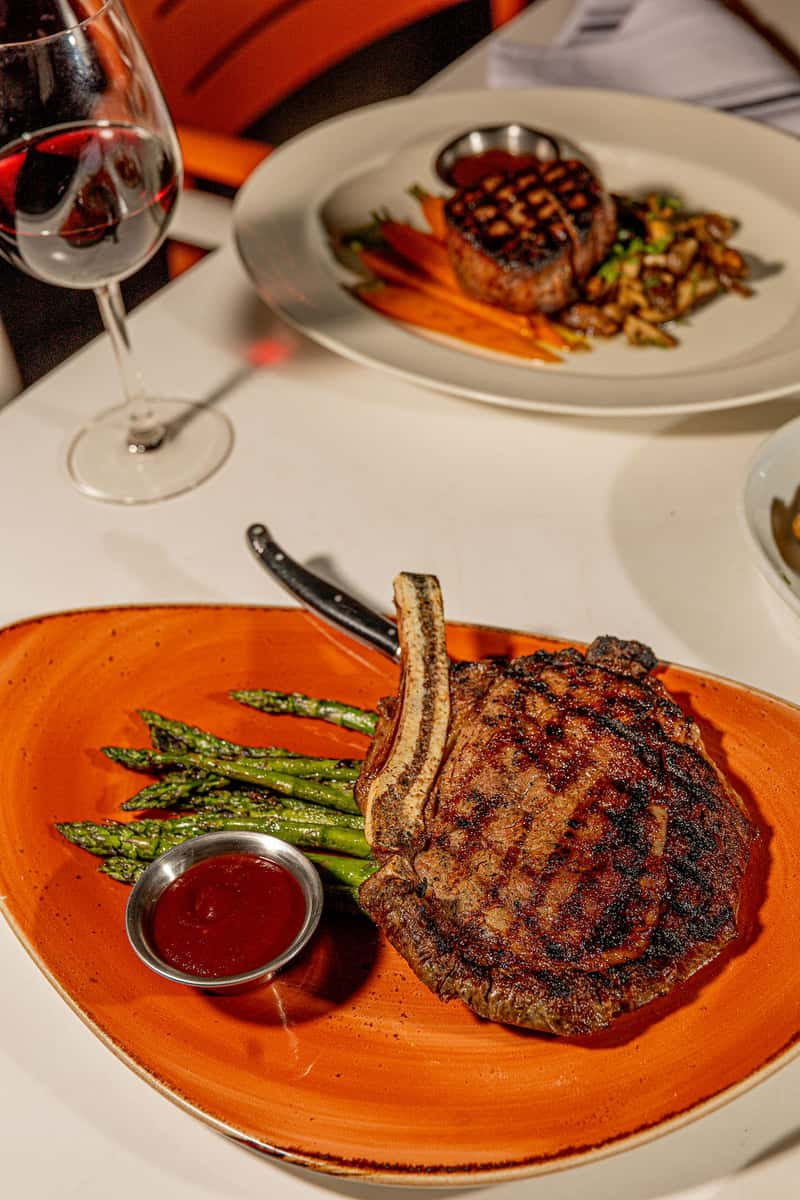
The wines that go well with red meat are bold, tannic reds such as Cabernet Sauvignon, Malbec, and red Bordeaux blends. Tannins in these wines interact with proteins and fats in beef, softening the wine's grip while amplifying the meat's richness. According to the Court of Master Sommeliers, pairing a Cabernet next to a well-marbled ribeye makes both the wine and the steak taste better together than either does alone.
The traditional rule of "red with meat, white with fish" still holds as a starting point, though Wine Spectator notes it is "no longer considered gospel" and has largely been replaced by the idea of drinking what you enjoy.
Which Wines Are Ideal for Poultry and Seafood?
The wines ideal for poultry and seafood are medium-bodied whites and light reds that complement delicate proteins without overpowering them. According to a 2019 University of Nevada, Las Vegas pairing guide, roasted turkey pairs well with a Sauvignon Blanc from France or a New World Pinot Grigio, both of which offer enough body and fruit character to match the dish's contrasting textures. For prime rib, an Argentine Malbec works well, bringing bold, fruity characteristics that stand up to richer cuts.
- Roasted turkey: French Sauvignon Blanc or New World Pinot Grigio
- Prime rib: Argentine Malbec
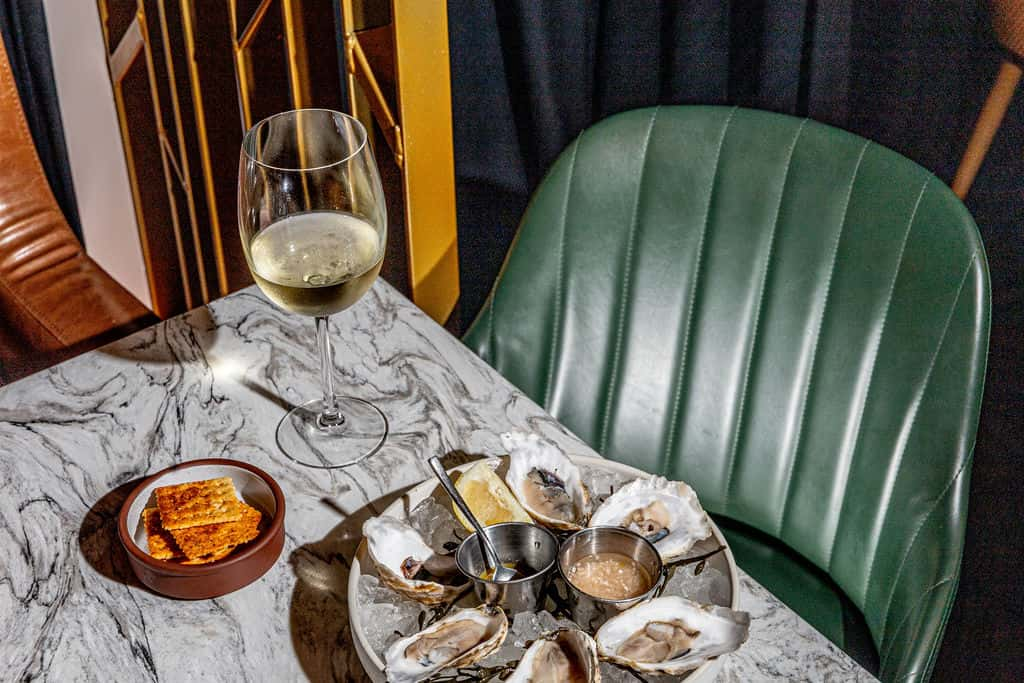
- Delicate seafood: Crisp, unoaked whites such as Pinot Grigio or Chablis
How Should You Choose Wine for Vegetarian Dishes?
You should choose wine for vegetarian dishes by starting with the cooking method and sauce rather than the vegetable itself. As Scott Carney, MS, Dean of Wine Studies at the Institute of Culinary Education, explains: "Sometimes it's not the protein or the vegetable in question, but the method of cooking. Sometimes, you're pairing wines based upon the sauce."
- Roasted or caramelized vegetables: Medium-bodied reds such as Pinot Noir work well with deeper, earthier flavors.
- Fresh salads and herb-forward dishes: Crisp whites such as Sauvignon Blanc or Vermentino complement bright, acidic components.
- Rich cream sauces: Full-bodied whites such as Chardonnay or Viognier mirror the sauce's weight.
- Spicy preparations: Off-dry whites are a strong choice, as their slight sweetness helps reduce heat perception, per Decanter.
Cooking method is often the most underrated factor beginners overlook when pairing wine with plant-based dishes.
How Can You Avoid Common Mistakes When Pairing Wine and Food?
Avoiding common wine and food pairing mistakes requires understanding how your senses process both together. The sections below cover the most frequent beginner errors and how to experiment confidently with unusual combinations.
What Are Classic Pairing Mistakes Beginners Should Avoid?
Classic pairing mistakes beginners should avoid include overpowering delicate dishes with heavy wines, pairing high-tannin reds with spicy food, and ignoring cooking methods in favor of protein alone. A light white wine disappears next to a richly braised short rib, while a bold Cabernet amplifies the burn of chili heat rather than complementing it. Sauce and preparation often matter more than the protein itself. According to the International Organisation of Vine and Wine (OIV), wine delivers a "full spectrum of sensations perceived in the mouth by the gustatory and olfactory systems," meaning the interaction between wine and food is multi-dimensional, not just flavor-on-flavor. Treating pairing as a simple match of color to protein is the single most limiting habit beginners carry into the process.
How Can You Experiment Confidently With Unusual Pairings?
You can experiment confidently with unusual pairings by treating each tasting as a structured learning experience rather than guesswork. Research published in the Journal of Consumer Research (2018) found that hedonic learning, the kind involved in developing taste preferences, follows a sequence of stages where approaching the experience as a narrative event and using visual imagery significantly improves the outcome. In practice, this means noting what you see, smell, and taste in sequence before evaluating the pairing as a whole. Start with one variable: keep the food constant and change the wine, or vice versa. Keeping brief mental or written notes accelerates confidence faster than any rulebook.
What Are Some Simple Tips and Tricks for Making Wine and Food Pairing Easier?
Simple tips for making wine and food pairing easier include leaning on local or seasonal ingredients, and applying a short set of structural rules about acidity, cooking method, and classic combinations.
How Can You Use Local or Seasonal Ingredients to Guide Pairing?
Local or seasonal ingredients guide pairing through a principle known as "what grows together goes together." Wines and foods from the same region share complementary flavor profiles developed over generations in the same soil and climate. According to Food52, this approach "isn't just a philosophy, it's a practice that delivers." Chef Jeremy Ford of Stubborn Seed applies the same logic, sourcing ingredients at their seasonal peak, from wild East Coast ramps to seasonal seafood, so that each dish's character is clear enough to match a wine with confidence.
Are There Quick Reference Rules for Pairing Wine With Food?
The quick reference rules for pairing wine with food center on three factors: ingredients, cooking method, and sauce. According to the Court of Master Sommeliers, sauces and condiments can be the dominant factor in a food-and-wine match, so pair to the sauce first, not the protein. As Dean of Wine Studies Scott Carney, MS, notes, "Sometimes you're pairing wines based upon the sauce."
Beyond that, a few structural guidelines hold broadly:
- Acidity pairs well with fatty and sweet foods, per Wine Folly.
- Crisp, dry, low-to-moderate-alcohol wines with smooth tannins increase the odds of success, per Virginia Tech's Department of Food Science and Technology.
- Classic anchors include Champagne with caviar, Cabernet Sauvignon with rack of lamb, Pinot Noir with cheese courses, and Sauternes with desserts.
- Cooking method matters as much as protein: roasted, grilled, and braised preparations each call for different wine weights.
The old "red with meat, white with fish" rule is no longer considered reliable across diverse modern menus, making these structural cues a more practical starting point for beginners.
How Should You Approach Wine and Food Pairing at Stubborn Seed's Tasting Menus?
Approaching wine and food pairing at Stubborn Seed begins with trusting the structure of the menu itself. The sections below cover how the tasting menu format guides pairing decisions and the key lessons beginners should carry forward.
Can Stubborn Seed's Tasting Menus Help Guests Discover Perfect Pairings?
Yes, Stubborn Seed's tasting menus can help guests discover perfect pairings through a curated, course-by-course structure designed to align wine with each dish. Stubborn Seed holds One MICHELIN Star and an AAA Four Diamond designation, and offers a 6-course and a 9-course tasting menu at its Miami location. According to the MICHELIN Guide, Chef Jeremy Ford fuses Asian and Latin influences into intricately composed, rotating plates built around peak-season ingredients. That constant rotation means the sommelier team selects pairings fresh to each menu cycle, rather than relying on fixed, one-size-fits-all matches. For beginners, this format removes the guesswork entirely: each course arrives with a pairing rationale built in, making the meal itself a practical lesson in how acidity, body, and flavor intensity interact.
What Are the Key Takeaways About Wine and Food Pairing Guide: Tips for Beginners We Covered?
The key takeaways from this wine and food pairing guide are grounded in structural principles, confident experimentation, and letting great menus do the teaching. The most actionable lessons include:
- Match structural weight: Pair full-bodied wines with rich, hearty dishes and lighter wines with delicate preparations.
- Use acidity as a tool: According to Wine Folly, acidity in wine pairs well with fatty and sweet foods, cutting through richness effectively.
- Cook method matters as much as protein: Sauce, preparation technique, and seasoning often drive the best pairing decision.
- Off-dry whites calm heat: Decanter notes that slight sweetness in off-dry white wines reduces spice perception without masking dish flavors.
- Regional logic works: The "what grows together goes together" principle, as noted by Food52, consistently delivers reliable results.
- Rules are starting points, not laws: Confidence builds through tasting experience, and personal preference is always a valid guide.
Stubborn Seed's tasting menus offer beginners the clearest path from theory to practice.