
Wine Pairings for Fine Dining: Explained & Expert Tips
Wine Pairings for Fine Dining: Explained & Expert Tips
Wine pairing for fine dining is the practice of matching a wine's structural characteristics to each course's flavors, textures, and intensity, transforming a meal into a cohesive sensory progression.
This guide covers the sensory science behind successful pairings, classic varietal recommendations for specific dishes, sommelier communication and wine service etiquette, common pairing mistakes, emerging trends reshaping modern menus, and how Stubborn Seed applies these principles in Miami.
Successful pairings depend on chemical interactions between food compounds and wine components. Fat softens tannin astringency at the palate's surface, acidity cuts through richness, and residual sugar soothes capsaicin heat. These reactions explain why certain matches feel seamless and others clash.
Classic fine dining proteins each call for specific structural alignment. Cabernet Sauvignon's firm tannins bind to ribeye fat, Chablis amplifies oyster umami through shared glutamate compounds, and Pinot Noir's earthy profile complements duck's gamey richness. Spicy, sweet, and umami-heavy dishes each follow their own pairing logic.
Navigating a wine list confidently starts with honest sommelier communication. Sharing flavor preferences, budget, and experience level produces better results than defaulting to familiar bottles. Understanding the tasting ritual and service protocols removes intimidation from the process entirely.
Intensity mismatches remain the most frequent pairing error; a bold wine drowns delicate seafood, while a light pour vanishes beside braised meat. Modern sommeliers encourage breaking traditional rules when personal taste calls for it.
Natural wines, non-alcoholic pairing menus, sake integration, and hyper-local sourcing are expanding what belongs on a fine dining beverage program. Restaurants implementing curated wine progressions alongside multi-course tasting menus put these principles into practice with every course.
Why Is Wine Pairing Important in a Fine Dining Experience?
Wine pairing is important in a fine dining experience because it transforms a meal into a curated sensory journey. The right wine selection elevates each course, enhances flavor perception, and creates a cohesive progression from start to finish. Below, we explore how wine complements individual courses and what sommeliers evaluate when building pairings.
How Does Wine Complement Different Courses in Fine Dining?
Wine complements different courses in fine dining by matching the structural characteristics of each pour to the flavors, textures, and intensity of the dish it accompanies. A lighter, high-acid white might open the meal alongside delicate seafood, while a fuller-bodied red anchors a rich protein course. Fine dining wine service is a choreographed ritual designed to protect the wine and enhance the guest experience, from the sommelier's initial presentation through the final dessert pour.
This progression matters because each course shift demands a recalibration of the palate. Acidity in one wine cleanses richness; residual sugar in the next soothes spice. When executed well, the pairing sequence feels seamless rather than episodic. That choreography is what separates a good meal from a memorable one.
What Do Sommeliers Consider When Selecting Pairings?
Sommeliers consider a combination of structural wine elements, dish composition, and guest preferences when selecting pairings. The expertise behind fine dining wine programs is governed by rigorous credentialing bodies, primarily the Court of Master Sommeliers and the Wine & Spirit Education Trust, both of which train professionals to analyze cause-and-effect relationships between food and wine.
Key factors sommeliers evaluate include:
- Flavor intensity matching, ensuring the wine does not overpower or disappear against the dish.
- Structural balance, aligning acidity, tannin levels, sweetness, and body with the food's fat content, seasoning, and cooking method.
- Guest preferences and dietary needs, adapting selections to individual palates rather than relying solely on textbook rules.
As Elite Traveler noted in 2024, "befriending the sommelier is all but key to elevating the restaurant experience." This reflects a broader shift in fine dining: the best sommeliers prioritize personalized guidance over rigid tradition, treating each pairing as a conversation rather than a prescription.
Understanding what drives pairing decisions prepares diners to explore the specific flavor, texture, and structural principles that shape every successful match.
What Factors Influence the Perfect Wine and Food Pairing?
The factors that influence the perfect wine and food pairing are rooted in sensory science, specifically the chemical interactions between food compounds and wine components. The subsections below cover how flavors and textures shape pairing decisions, and what role acidity, tannins, and body play in achieving balance.
How Do Flavors and Textures Affect Pairing Choices?
Flavors and textures affect pairing choices by altering how the palate perceives both the wine and the dish simultaneously. A fundamental palate balance equation governs this interaction: sweetness sits in relative balance with the combined forces of acidity, astringency, and bitterness, according to Virginia Tech's Wine Enology Grape Chemistry Lab. When food shifts one side of that equation, the wine's character changes in response.
Fat is one of the most powerful texture-based modifiers. Dietary lipids absorb tannin compounds at the palate's membrane surface, softening astringency and bitterness. This is why rich, fatty dishes make tannic red wines taste smoother and more approachable. Sweetness in food creates the opposite effect; if a dessert is sweeter than the accompanying wine, the wine will taste thin, bitter, and overly acidic.
Spicy foods present a distinct textural challenge. High-tannin, high-alcohol wines amplify capsaicin heat, intensifying the burn rather than complementing the dish. Off-dry wines with residual sugar or high-acid whites counteract this by soothing and refreshing the palate. Understanding these flavor and texture dynamics is essential for any successful pairing. Stubborn Seed in Miami's South of Fifth neighborhood applies these structural pairing principles to Chef Jeremy Ford's contemporary American cuisine, which incorporates Asian and Latin influences that create unique pairing opportunities.
What Role Do Acidity, Tannins, and Body Play in Pairings?
Acidity, tannins, and body play the central structural roles in wine pairing by determining how a wine interacts with food on a chemical level. Each component either harmonizes with or disrupts the dish, depending on the match.
Acidity cuts through richness, refreshes the palate, and lifts flavors. High-acid wines pair naturally with fatty or creamy dishes because the acid counterbalances the weight. However, certain chemical mismatches can backfire. A 2009 study published in the ACS Journal of Agricultural and Food Chemistry found that iron ions in red wine promote lipid oxidation in seafood, generating an unpleasant fishy aftertaste.
Tannins bind to proteins and fats, which is why tannic reds work alongside marbled meats but clash with delicate fish or soft cheeses. Body, the overall weight and viscosity of a wine, must match the intensity of the dish. A light-bodied Pinot Grigio will disappear beside a braised short rib, while a full-bodied Barolo would overpower a simple ceviche. Matching structural intensity remains one of the most reliable principles in wine pairing.
Understanding these structural pillars helps diners and sommeliers move beyond guesswork into informed, confident pairing decisions.
Which Types of Wine Pair Best with Classic Fine Dining Dishes?
The types of wine that pair best with classic fine dining dishes depend on matching structural elements like tannins, acidity, and body to each protein or preparation. Below, specific varietal recommendations cover steak, seafood, and vegetarian courses, followed by universal strategies for sweet, spicy, and rich foods.
What Wines Work Well with Steak, Seafood, and Vegetarian Dishes?
The wines that work well with steak, seafood, and vegetarian dishes vary based on the protein's fat content, flavor intensity, and preparation method.
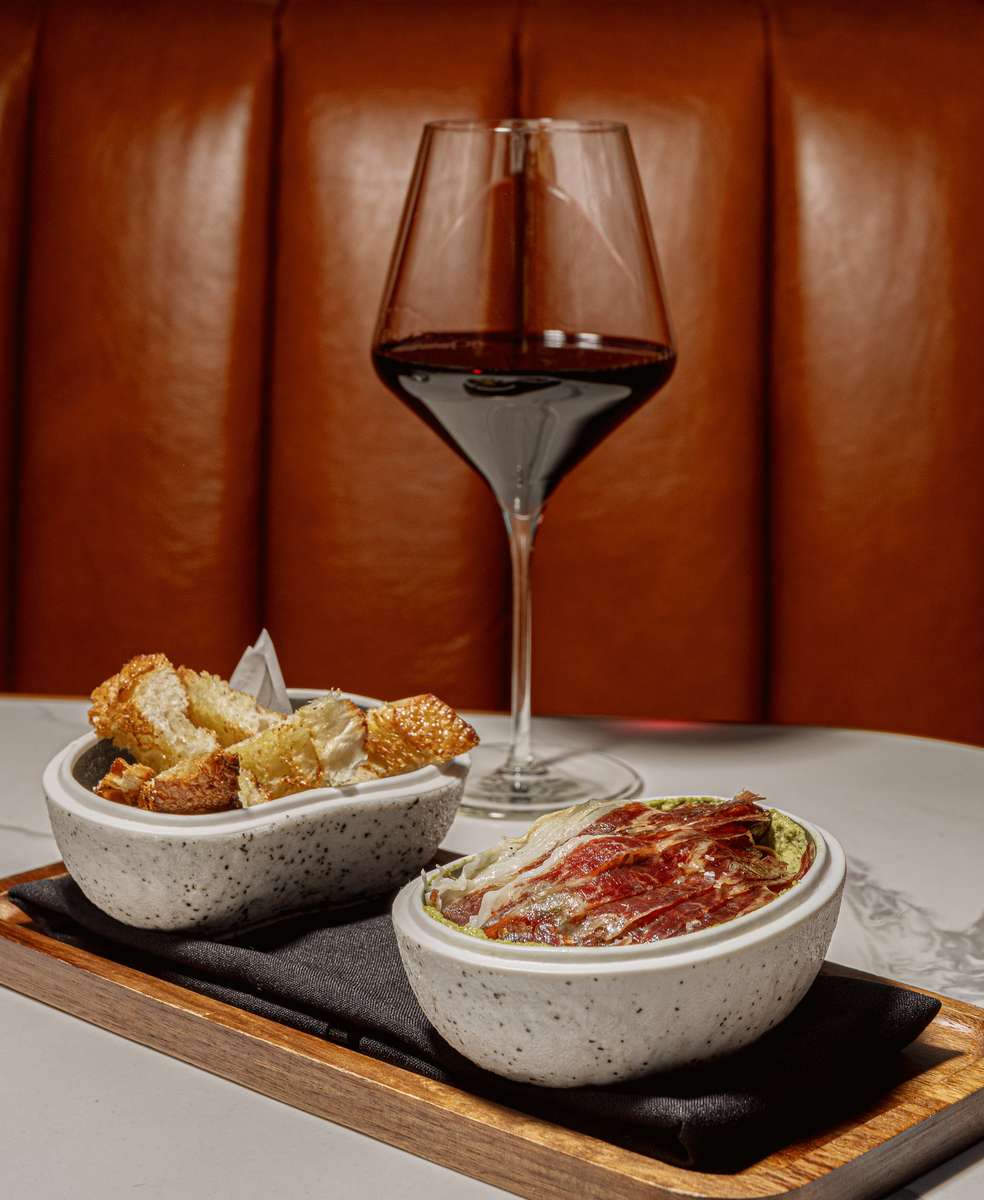
Steak: Cabernet Sauvignon pairs with ribeye because its firm tannins bind to the meat's fat, softening astringency while acidity refreshes the palate between rich bites. Sommeliers caution against pairing bold Cabernets with leaner cuts like filet mignon, where insufficient fat makes the wine taste harsh.
Seafood: Chablis pairs with oysters through umami synergy, as the wine's lees-derived glutamate amplifies the oyster's own glutamate. Choosing the wrong red wine, however, creates problems. According to a 2009 study published in the ACS Journal of Agricultural and Food Chemistry, red wines higher in ferrous ions promote lipid oxidation in fish, generating an unpleasant fishy aftertaste.
Vegetarian: Umami-rich dishes featuring aged cheeses or mushrooms pair with lees-aged Champagne or Sherry, where even sub-threshold glutamate concentrations enhance flavor persistence.
Are There Universal Pairings for Sweet, Spicy, or Rich Foods?
There are universal pairing principles for sweet, spicy, and rich foods, though each category demands a different structural approach.
Spicy foods require special attention because high-tannin, high-alcohol wines amplify capsaicin heat. Effective options include:
- Off-dry Riesling or Gewürztraminer, where residual sugar soothes the burn
- High-acid Sauvignon Blanc, which refreshes the palate
- Low-tannin, fruity reds like Barbera or chilled Grenache
Rich foods call for wines with enough acidity and tannin to cut through fat. Pinot Noir pairs naturally with duck; its earthy, berry-forward profile complements the gamey meat, and a mature bottle develops mushroomy notes that echo the duck's umami. According to Raisin Digital's 2025 market analysis, venues offering natural wine grew by 60% between 2021 and 2024, and orange wines have emerged as particularly versatile partners for challenging pairings like fermented or spicy dishes.
For most diners exploring fine dining menus, learning these category-level principles eliminates guesswork far more reliably than memorizing individual bottle names.
Understanding which wines complement classic dishes sets the stage for confidently navigating a full wine list.
How Can Diners Navigate a Fine Dining Wine List with Confidence?
Diners can navigate a fine dining wine list with confidence by engaging the sommelier directly and understanding basic wine service etiquette. The following sections cover what to ask for guidance and how to handle wine service on special occasions.
What Should Guests Ask the Sommelier for Guidance?
Guests should ask the sommelier about flavor preferences, budget range, and which wines complement their chosen courses. The sommelier presents the wine list to the host, highlights selections, and offers guidance tailored to the meal. Once a bottle is chosen, the sommelier presents the label for confirmation of the correct producer and vintage, then opens it using a waiter's corkscrew and briefly presents the cork as a quality cue.
Effective questions to ask include:
- What wines pair best with the dishes I have ordered?
- Can you recommend something within a specific price range?
- Are there any unique or off-list bottles available tonight?
- Which selection would you personally choose for this course?
Being honest about your experience level actually helps the sommelier curate a better experience. A straightforward conversation yields far more enjoyable results than pretending to recognize every label on the list.
Are There Wine Etiquette Tips for Special Occasions?
Wine etiquette tips for special occasions center on understanding the tasting ritual, handling the sample pour, and communicating gracefully with the service team. According to Wine Spectator's 2025 restaurant etiquette guide, it is perfectly acceptable to defer the tasting pour to the sommelier by saying, "I trust your nose; please go ahead and pour."
Key etiquette points for celebratory dinners include:
- Accept the sample pour to check for flaws such as cork taint, not to decide if you like the style.
- Let the host handle wine selection and tasting unless they invite others to participate.
- Avoid swirling or sniffing too dramatically; a brief, subtle check is sufficient.
- Signal the sommelier quietly if a bottle seems flawed rather than announcing it to the table.
Many guides overlook these finer points, focusing only on "red with meat, white with fish." For occasions that call for elevated service, knowing how to interact with the wine team sets the tone for the entire evening. Understanding these protocols transforms wine service from an intimidating formality into one of the most enjoyable parts of the meal.
What Are Common Wine Pairing Mistakes to Avoid in Upscale Restaurants?
Common wine pairing mistakes to avoid in upscale restaurants include overpowering delicate dishes with bold wines and dismissing personal preference in favor of rigid traditional rules. The sections below cover flavor intensity mismatches and when to trust your own palate.
How Can Overpowering Flavors Disrupt the Dining Experience?
Overpowering flavors disrupt the dining experience by creating an imbalance where one element, either the wine or the dish, dominates the palate entirely. A robust, full-bodied Cabernet Sauvignon served alongside a delicate fish course, for instance, masks the subtlety of the seafood while producing a harsh, metallic finish.
This intensity mismatch works both ways. A light, crisp white wine paired with a richly sauced braised short rib will taste thin and get lost entirely. Matching wine weight to dish weight is one of the simplest principles, yet it remains one of the most frequently ignored. When in doubt, asking the sommelier to align intensity levels is far more valuable than defaulting to a familiar bottle.
When Is It Best to Trust Personal Preference over Traditional Pairings?
It is best to trust personal preference over traditional pairings when rigid rules conflict with what you genuinely enjoy drinking. While guidelines like "white with fish, red with meat" offer a useful baseline, modern sommeliers actively encourage breaking these conventions to discover unconventional combinations that satisfy the individual diner's palate.
According to a 2023 Wine & Spirit Education Trust publication, their Level 4 Diploma requires 500 hours of study covering viticulture and the business of wine, yet even professionals trained at this depth emphasize that personal taste should guide final decisions. Sophisticated non-alcoholic pairing menus, now priced between $90 and $176 at Michelin-starred restaurants, further demonstrate that the "right" pairing is whatever enhances your specific experience. The best approach is to communicate your preferences openly with the sommelier, then remain willing to explore beyond your comfort zone. At Stubborn Seed in Miami, the sommelier team takes this personalized approach with their optional wine pairings for the 6-course and 9-course Chef's Tasting Menus, adapting selections based on individual guest preferences and dietary restrictions.
Understanding these common pitfalls prepares diners for the evolving landscape of modern wine pairings.
How Are Wine Pairings Evolving in Modern Fine Dining Settings?
Wine pairings are evolving through natural wines, non-alcoholic programs, hyper-local sourcing, and sake integration. These shifts reflect changing diner expectations and a broader definition of what belongs on a pairing menu.
What Emerging Trends Are Influencing Pairings Today?
The emerging trends influencing pairings today include natural and orange wines, non-alcoholic pairing menus, and sake integration into Western fine dining programs. Orange wines, fermented with skin contact, offer tannic structure and aromatic complexity that make them versatile for challenging dishes like spicy or fermented foods.
Michelin-starred restaurants globally now offer sophisticated non-alcoholic pairing menus built around fermented cacao nibs, kombuchas, and botanical extractions. According to a 2022 report by SevenFifty Daily, these "spirit-free" programs are priced similarly to wine pairings, reflecting the extensive labor involved and catering to health-conscious diners. Sake has also gained traction for its umami synergy with seafood, filling gaps where traditional wines fall short. For restaurants willing to look beyond the conventional wine list, these categories unlock pairing possibilities that rigid tradition never could.
How Are Local and Seasonal Ingredients Changing Pairing Approaches?
Local and seasonal ingredients are changing pairing approaches by tying wine selection directly to what is growing nearby at any given moment. The farm-to-table movement has extended to wine, with restaurants seeking hyper-local and biodynamic bottles that align with their culinary philosophy.
Pairings are increasingly dictated by "micro-seasons," adjusting as specific local ingredients reach peak ripeness. Rather than maintaining a fixed pairing menu year-round, kitchens and sommeliers collaborate to match each harvest window with wines grown under similar regional conditions. This approach rewards flexibility over formula, and restaurants that commit to it often produce more cohesive, terroir-driven dining experiences than those relying on static selections.
Understanding how pairing philosophy continues to shift sets the stage for how individual restaurants put these ideas into practice.
How Does Stubborn Seed Elevate Wine Pairings in Their Fine Dining Experience?
Stubborn Seed elevates wine pairings by integrating a curated beverage program with Chef Jeremy Ford's multi-course tasting menus. The sections below explore the specific pairing experiences offered and key takeaways about wine pairings for fine dining.
What Unique Wine Pairing Experiences Does Stubborn Seed Offer in Miami?
Stubborn Seed offers an optional curated wine pairing alongside both a 6-course and 9-course Chef's Tasting Menu at its Miami location in the South of Fifth neighborhood. The beverage program begins with welcome champagne service and progresses through a sequence of wines selected to complement Chef Ford's contemporary American dishes, which draw on Asian and Latin influences.
The sommelier team customizes pairings based on individual guest preferences and dietary restrictions, bringing an approachable, unpretentious style to expert-level curation. This personalized approach reflects why the science behind pairing matters in practice. A 2021 peer-reviewed study from the University of Bordeaux found that dietary lipids interact with wine tannins by absorbing catechin at the membrane surface, creating a "creaming" effect that reduces perceived astringency and bitterness. Dishes featuring rich fats and oils, common in Stubborn Seed's menu, activate this exact mechanism with each paired pour.
For anyone considering an optional wine pairing at fine dining establishments, many diners find the experience enhances the overall meal significantly. A thoughtfully matched progression transforms individual courses into a cohesive sensory narrative that standalone ordering rarely achieves.
What Are the Most Important Insights About Wine Pairings for Fine Dining?
The most important insights about wine pairings for fine dining center on a few actionable principles:
- Match intensity to intensity. A delicate wine disappears next to a bold dish, and an overpowering wine drowns subtle flavors.
- Understand the role of fat. Lipids in food soften tannin astringency, which is why rich cuts and aged cheeses pair so well with structured reds.
- Use the sommelier. Consumers consistently ask practical questions like "What should I ask the sommelier?" The answer is straightforward: share what you enjoy, mention any preferences, and let their expertise guide the selection.
- Trust your palate. Traditional rules provide a starting point, but modern sommeliers encourage diners to explore unconventional pairings that genuinely satisfy personal taste.
Wine pairing at its best is not about rigid rules; it is about chemistry, communication, and curiosity working together at the table. Stubborn Seed can help you experience that firsthand.